
The Role of Objective Audiometry in Modern Medico-Legal Evaluations
In the context of high-stakes workers' compensation and disability litigation, subjective behavioral testing can be vulnerable to intentional manipulation or poor reliability. To ensure forensic integrity, norcalmedgroup.com utilizes objective electrophysiological measures that bypass the need for active claimant participation. By shifting from subjective reporting to data-driven diagnostic tools, examiners can establish a scientifically defensible audiogram.
The Auditory Steady-State Response (ASSR) test serves as a primary solution for these complex profiles. Unlike traditional methods, it uses statistical, frequency-specific algorithms to detect auditory thresholds without requiring patient feedback. This approach is particularly effective in identifying inconsistencies in sensorineural hearing loss claims where behavioral thresholds may appear artificially elevated.
Expert medical consulting requires more than just testing; it demands the correct application of findings within a legal framework. norcalmedgroup.com provides this level of evidence-based analysis, ensuring that testing protocols adhere to established quality standards. By cross-validating ASSR data with other clinical metrics, our evaluations provide the accuracy necessary to resolve complex disputes regarding workplace-related auditory injury and permanent impairment ratings.
Defining the Auditory Steady-State Response Diagnostic Tool
 The Auditory Steady-State Response (ASSR) is an objective, electrophysiological test used to estimate hearing sensitivity and generate a statistically valid audiogram. By recording brain responses to rapid, frequency-specific auditory stimuli, the test determines hearing thresholds without requiring subjective patient participation. Unlike the Auditory Brainstem Response (ABR) test, which relies on examiner interpretation of time-based waveforms, the ASSR utilizes a sophisticated, statistics-based mathematical algorithm to identify responses in the frequency domain. A significant clinical advantage of the ASSR is its ability to conduct efficient, binaural testing, allowing for the simultaneous assessment of multiple frequencies in both ears.
This precision makes the ASSR a valuable tool in clinical and forensic settings for patients who are unable or unwilling to engage in traditional behavioral audiometry. Experts at NorCal Medical Consulting prioritize these objective methods to ensure that hearing loss evaluations remain defensible, particularly when behavioral thresholds may be obscured by inconsistent patient feedback or potential malingering. While traditional testing requires an active, reliable subject, the ASSR records neural synchrony directly, providing a clean data set that reduces the reliance on manual waveform assessment.
The efficiency of this approach is further demonstrated by its multi-frequency capabilities. By simultaneously stimulating the auditory system at frequencies such as 500, 1000, 2000, and 4000 Hz, practitioners can gather comprehensive data in a single session. This methodology is particularly robust for identifying threshold distinctions in the severe-to-profound hearing loss range, which is necessary for distinguishing clinical candidates for rehabilitative devices. As noted in research published in Clinics, the integrity of the cochlea and neural pathways is foundational for these results, making the ASSR a critical component of any thorough diagnostic battery.
Comparative Analysis of ASSR and ABR Testing Methodologies
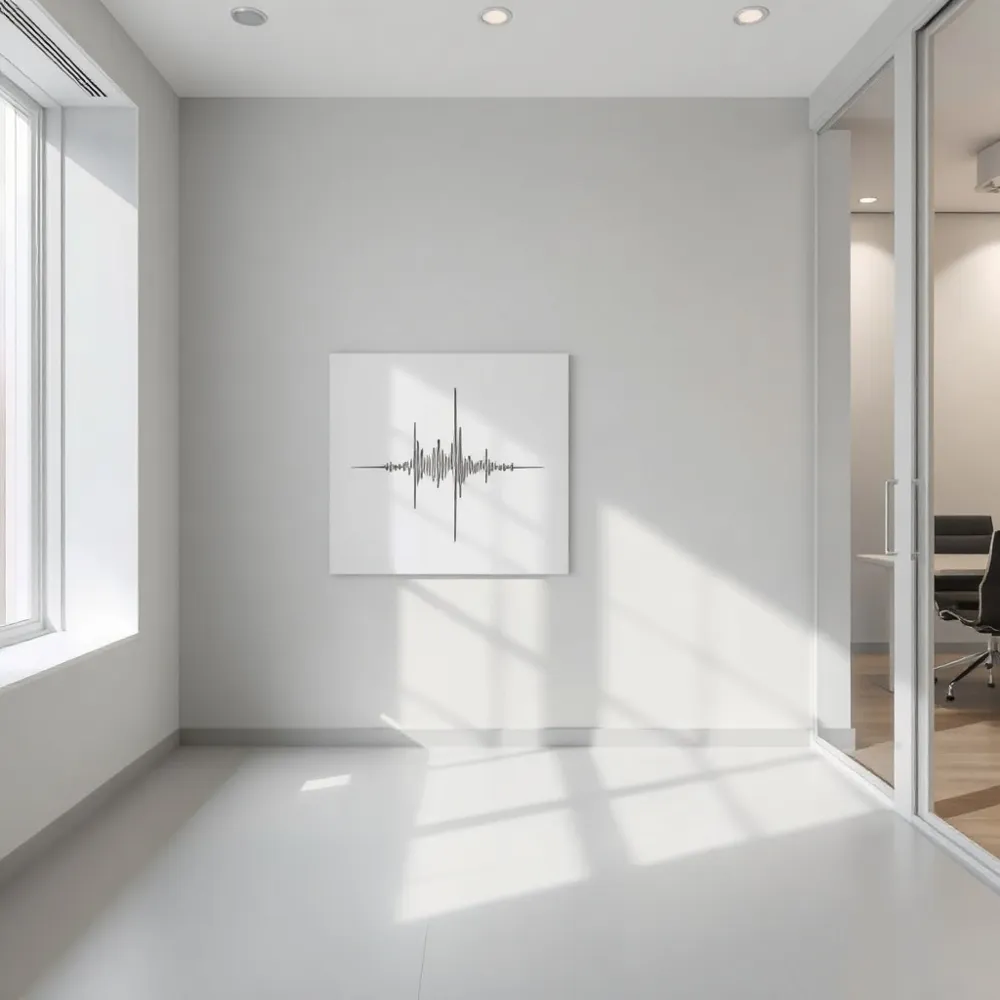 While both Auditory Steady-State Response (ASSR) and Auditory Brainstem Response (ABR) are objective electrophysiological tools, they differ fundamentally in how they capture and process neural data. ABR relies on subjective clinical interpretation of waveform morphology, such as peak latency and amplitude, which are often analyzed in the time domain. In contrast, ASSR utilizes continuous, rapid stimuli and employs objective, statistics-based mathematical algorithms to identify thresholds. This method allows clinicians to evaluate responses in the spectral frequency domain rather than the time domain.
A primary advantage of ASSR is its capacity for simultaneous assessment. By processing multiple frequencies at once, practitioners can generate a more efficient estimated audiogram, particularly useful for determining cochlear implant candidacy in severe to profound loss cases. For workers' compensation and medico-legal claims where precise threshold documentation is mandatory, this statistical objectivity reduces the human error inherent in manual waveform tracing. While ABR remains a clinical standard, its reliance on subjective examiner review may introduce variability that automated, frequency-specific testing avoids.
Protocol Selection in Clinical Practice
Choosing between these protocols often depends on the patient's state and the specific clinical objective. ASSR is typically prioritized when an examiner requires a rapid, frequency-specific estimate without the need for subjective waveform review. Conversely, ABR continues to provide critical insights into neural pathway integrity through time-domain analysis. Experts emphasize the importance of the cross-check principle, advocating that clinicians correlate electrophysiological findings with other test results rather than relying on a single method in isolation.
| Feature | ABR | ASSR |
|---|---|---|
| Domain | Time | Frequency |
| Interpretation | Subjective | Statistical |
| Capacity | Single frequency | Multi-frequency |
| Application | Neural integrity | Threshold estimation |
Interpreting Physiological Responses for Accurate Threshold Estimates
Interpreting the Auditory Steady-State Response (ASSR) relies on detecting consistent electrophysiological responses triggered by periodically repeated stimuli. When a carrier tone is modulated at a specific rate, the auditory system exhibits non-linear phase-locking, generating a neural response that matches that modulation frequency. Clinicians analyze this output mathematically to confirm the presence of auditory thresholds without requiring active patient participation.
How are ASSR test results interpreted?
ASSR test results are interpreted by detecting electrophysiological responses at the modulation frequency of the stimulus. For example, when a 2000 Hz carrier tone is modulated at 80 Hz, the auditory system's non-linear properties generate a response precisely at 80 Hz. This response is captured and analyzed to estimate hearing thresholds at specific frequencies. The presence or absence of a synchronized response at the modulation frequency indicates whether the auditory pathway is functioning at that stimulus level. This objective, frequency-specific method provides reliable threshold estimates, particularly useful when traditional behavioral testing is not feasible or reliable.
Data collection requires careful attention to the stimulus modulation rate. While a 90 Hz rate is standard for infants and sleeping adults to elicit strong, reliable responses, a 40 Hz rate is often chosen for awake adults. Clinicians must account for these variations alongside equipment calibration to maintain forensic accuracy in injury claims. Because results are typically recorded in nHL, they must be converted to eHL using manufacturer-specific correction factors to create a valid estimated audiogram.
Effective threshold estimation for workers' compensation requires applying the cross-check principle. Objective data from ASSR should be validated against other diagnostic findings, especially when results approach the severe-to-profound hearing loss range. This integrated approach ensures the medical evaluation remains defensible and resistant to the inconsistencies common in subjective behavioral testing.
Standardization and Forensic Reliability in Claims Documentation
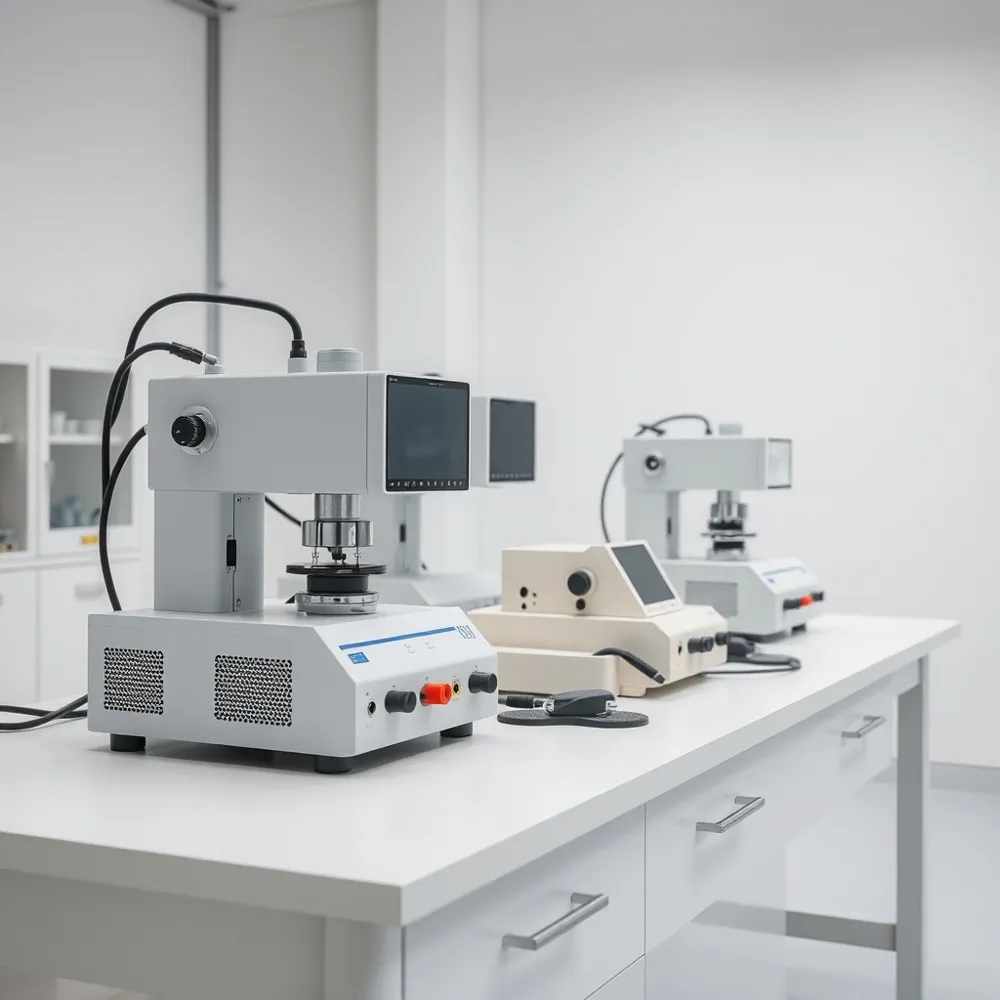 For compensation evaluations, medical consultants often rely on established standards, such as those historically referenced in federal and state workers' compensation guidelines, to ensure that hearing loss assessments are medically accurate and defensible. When documentation must meet the stringent quality requirements of the Longshore and Harbor Workers' Compensation Act, professionals must ensure that protocols comply with specific regulatory mandates for equipment calibration and examiner qualifications.
Applying the cross-check principle with OAEs and tympanometry
Even with objective measures, the cross-check principle remains essential for forensic integrity. Experts typically cross-check Auditory Steady-State Response (ASSR) findings with other diagnostic measures, including otoacoustic emissions (OAEs) and tympanometry. This multi-modal approach reduces the risk of misdiagnosis in complex cases where central auditory processing or peripheral middle-ear pathologies might confound the data.
Navigating potential artifacts at high stimulus intensity levels
Clinicians must remain vigilant regarding stimulus artifacts when presenting high-intensity sounds, particularly at levels of 100 dB HL or above. At these volumes, insert earphones can inadvertently trigger non-auditory, vestibular responses that are indistinguishable from true auditory potentials. Because ASSR relies on mathematical algorithms rather than time-based waveform morphology, the software may interpret these mechanical artifacts as genuine hearing responses. Expert interpretation is required to differentiate these artifacts from valid electrophysiological data.
| Requirement | Clinical Standard | Forensic Impact |
|---|---|---|
| Impedance | Below 3kΩ | Ensures data fidelity |
| Validation | Cross-check test | Mitigates artifact risk |
| Calibration | Manufacturer specs | Maintains legal defensibility |
Navigating Audiogram Interpretation and Severity Classifications
Professional medical evaluations utilize the audiogram to map hearing sensitivity across a standard frequency-intensity axis. By measuring thresholds in Hertz (Hz) for pitch and decibels (dB) for volume, experts can generate a precise visual profile of auditory function. For the purpose of industrial and legal review, these data points are transformed into objective impairment ratings that support consistent claims resolution.
What is considered a moderate to severe level of hearing loss?
Moderate hearing loss is typically defined as a threshold of 41 to 55 dB, where individuals often struggle to follow conversations, especially in environments with background noise. Moderately severe hearing loss, ranging from 56 to 70 dB, presents a significant inability to perceive speech at normal conversational volumes without amplification. Severe hearing loss is classified as 71 to 90 dB, meaning the individual can only detect very loud sounds and speech is generally inaudible without assistive technology. Profound hearing loss, defined as 91 dB or greater, signifies that most sounds are not perceived at all. These clinical thresholds are essential for medical evaluations, as they dictate the level of impairment and the necessary accommodations for workplace and insurance claims.
In clinical evaluations of worker disability, objective Auditory Steady-State Response (ASSR) data can be integrated when behavioral responses appear inconsistent or unreliable. Clinical studies indicate that ASSR remains highly effective for differentiating between severe and profound loss per a Frontiers in Neurology study, providing precise data points required to confirm implant or high-gain aid candidacy in compensation matters.
Clinical Management and Rehabilitation Pathways for Permanent Impairment
Managing permanent hearing loss in a medico-legal context requires a precise mapping of auditory thresholds to determine the most effective rehabilitative intervention. When patients exhibit severe-to-profound impairment, Auditory Steady-State Response (ASSR) testing provides the objective, frequency-specific data necessary to differentiate between candidates for traditional amplification and those requiring surgical intervention.
What are the common clinical interventions for permanent hearing loss?
Clinical interventions for permanent hearing loss are primarily tailored to the nature and severity of the impairment, often focusing on enhancing auditory input. For individuals with residual hearing, digital hearing aids—such as behind-the-ear, receiver-in-the-ear, or in-the-ear models—are the most common solutions used to amplify sound and improve speech clarity. When conventional hearing aids are insufficient, specialists may recommend surgical or advanced device alternatives. These include bone-anchored implants and middle ear implants for patients with specific anatomical or sensorineural limitations. In cases of severe or profound hearing loss, cochlear implants may be indicated to directly stimulate the auditory nerve, providing a significant improvement in communication ability.
While hearing aids rely on acoustic amplification, cochlear implants bypass damaged hair cells to deliver electrical signals directly to the cochlear nerve. This distinction is critical for medical consultants when evaluating claims. Objective ASSR thresholds allow clinicians to confirm the loss severity, ensuring that rehabilitation pathways—whether acoustic or electrical—are evidence-based. Professionals who leverage objective data to validate the necessity of these advanced devices help clarify the scope of permanent impairment for insurance adjusters and legal stakeholders alike, which often results in more accurate and defensible long-term care plans.
Synthesizing Objective Data for Fair Claims Resolution
For disability compensation evaluations, relying exclusively on subjective reports is often insufficient when determining the legitimacy of an occupational hearing loss claim. Because patient behavior can be influenced by secondary gain or cognitive impairment, medical consultants should integrate Auditory Steady-State Response (ASSR) testing as a definitive, objective pillar in the diagnostic battery. Unlike traditional audiometry, which is prone to manual manipulation, ASSR provides an automated, statistics-based record of neural activity that reduces diagnostic variability.
Integrating these electrophysiological findings with a thorough clinical history remains the gold standard for maintaining the integrity of medical evidence. While ASSR thresholds generally align within 10 to 15 dB of behavioral markers per Frontiers in Neurology, clinicians at norcalmedgroup.com emphasize that these automated results must always be corroborated through the cross-check principle. This approach ensures that findings remain defensible in legal settings, even when identifying potential malingering in high-stakes disability litigation.
Expert interpretation is essential when synthesizing this data, particularly because neurologic insults or Central Auditory Nervous System disorders can cause discrepancies between neural synchrony and actual hearing sensitivity, according to Clinics. By applying strict quality standards, such as those discussed in the Federal Register regarding the Longshore and Harbor Workers' Compensation Act, norcalmedgroup.com provides the expert witness rigor necessary to distinguish between true workplace-related impairment and confounding variables. This objective approach protects the claim resolution process from the pitfalls of subjective bias and ensuring accurate, evidence-based compensation outcomes.