Understanding the Scope of Workplace Auditory Health
Occupational hearing loss is a significant clinical concern, affecting roughly 1 in 8 workers in the United States. According to research from organizations like Audibel, approximately 25% of all hearing loss cases among the working population are directly attributed to occupational factors. This condition is currently the third most common chronic physical health issue in the country, trailing only hypertension and arthritis, as noted by the CDC.
High-risk industries, including construction, manufacturing, mining, and agriculture, frequently involve environments where noise levels exceed the NIOSH recommended exposure limit of 85 dBA. Because inner ear hair cells cannot regenerate once damaged, this auditory degradation is generally permanent. NorCal Medical Consulting provides evidence-based evaluations to help legal and insurance professionals determine the extent of these injuries, moving beyond generic assessments to provide precise data on threshold shifts.
Early recognition of symptoms, such as the sensation of fullness in the ears, muffled speech, or the development of tinnitus, is critical. While some organizations offer surface-level screening, NorCal Medical Consulting utilizes specialized diagnostic protocols to identify early auditory strain before it progresses into irreversible impairment, helping stakeholders address risks during the crucial stages of a claim.
Defining Occupational Auditory Damage and Exposure Limits
Occupational hearing loss refers to permanent auditory damage or hearing impairment caused by hazardous conditions present in the workplace. It is primarily triggered by prolonged exposure to high-decibel noise, typically 85 dBA or higher, or sustained contact with ototoxic chemicals that can damage the inner ear. While it may also result from sudden traumatic workplace injuries, the condition often develops gradually, leading to symptoms such as tinnitus, muffled hearing, and difficulty distinguishing speech. Because this condition is irreversible, it is recognized as a significant yet largely preventable work-related illness.
What are the OSHA standards for workplace noise exposure?
The Occupational Safety and Health Administration mandates that employers implement a hearing conservation program when worker noise exposure equals or exceeds an 8-hour time-weighted average of 85 decibels. When noise levels exceed these defined limits, employers must prioritize feasible administrative or engineering controls to mitigate sound. If such controls prove insufficient, they must provide personal protective equipment. This regulatory framework serves as the foundation for the expert assessments performed at norcalmedgroup.com, which help firms reconcile recorded exposure metrics with documented clinical outcomes.
While OSHA regulations provide legal baselines, NIOSH recommends more stringent guidelines, including a 3 dBA exchange rate. This difference is critical for objective injury assessments; whereas some external auditors may rely solely on the minimum legal standard, experts at norcalmedgroup.com utilize the more protective NIOSH thresholds to identify shifts that suggest emerging damage before it reaches clinical severity. Such nuanced evaluations ensure that employers are better prepared for the rigorous proof required in insurance and disability claims.
Recognizing Early Warning Signs and the 4 P's
 Occupational auditory damage often develops gradually, making it easy to overlook until symptoms become more pronounced. Recognizing Early Warning Signs and the 4 P's is essential for workers who regularly navigate loud industrial environments. Common symptoms of Noise-Induced Hearing Loss include the perception of muffled speech, the need to repeatedly ask for clarification, and difficulty understanding voice frequencies in group settings or locations with significant background interference.
Behavioral shifts often serve as early clinical indicators before a measurable audiogram shift occurs. Common red flags include an unconscious urge to turn up the volume on televisions, radios, or headsets, and a tendency to struggle with high-pitched sounds like warning alarms. When employees report these experiences, medical consultants at norcalmedgroup.com perform standardized diagnostic testing to verify whether these symptoms correlate with workplace noise exposure rather than external factors.
Understanding the 4 P's of occupational hearing damage
Painless. Unlike many physical injuries that present with immediate pain, auditory damage often occurs without the wearer noticing an acute sensations of distress despite the underlying hair cell damage.
Progressive. Hearing loss typically worsens over time with repeated exposure to hazardous levels, often leading to a cumulative decrease in sensitivity at high frequencies.
Permanent. Because cochlear hair cells do not regenerate, the resulting sensorineural impairment is irreversible, rendering it a long-term condition that requires expert assessment for legal claims.
Preventable. Exposure limits such as the NIOSH Recommended Exposure Limit provide a clear roadmap for mitigation through engineering controls and consistent use of hearing protection.
Distinguishing between temporary threshold shifts and permanent harm requires careful clinical observation. A temporary threshold shift involves a transient reduction in hearing after a high-noise shift that may resolve with rest in a quiet environment. However, this recovery period is an unreliable indicator of total health, as damage can persist even when sensitivity feels restored. norcalmedgroup.com assists firms in differentiating these temporary experiences from permanent impairment, ensuring that workplace liability is assessed using objective data rather than subjective worker self-assessment.
Clinical Evaluation and Diagnostic Protocols
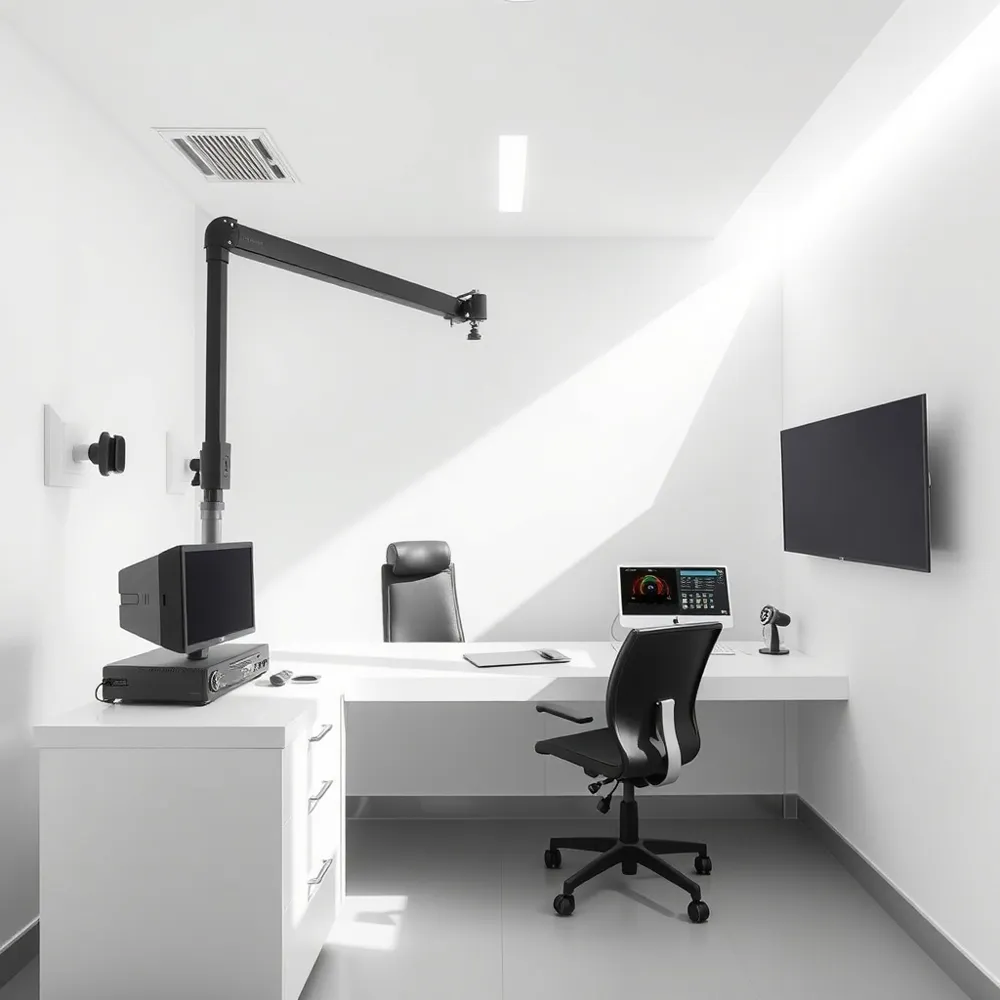 The accurate assessment of noise-induced hearing loss requires a structured clinical approach. Because this form of damage is irreversible, early detection through standardized audiometric testing is vital to differentiate work-related degradation from other auditory conditions.
Diagnostic tools and evaluation methods
Clinicians typically utilize pure-tone testing to map hearing thresholds, identifying the characteristic notches that often appear between 3,000 and 6,000 Hz. Speech audiometry further complements this by evaluating an individual’s ability to recognize words, which often deteriorates before comprehensive tonal loss is apparent.
The baseline audiogram acts as the foundational record for tracking changes over time. To ensure accuracy, NIOSH recommends that these initial tests occur within 30 days of a worker's enrollment, conducted after a 12-hour period free from hazardous noise to avoid skewed results. At NorCal Medical Consulting, we emphasize using such precise temporal markers to establish a definitive record of auditory health.
Unlike some providers who rely on generic screenings, our protocols integrate detailed shift-specific data to identify a Significant Threshold Shift. While other medical evaluators might overlook subtle initial declines, we prioritize annual testing conducted near the end of a work cycle to capture transient shifts that often precede permanent damage.
| Diagnostic Tool | Clinical Purpose | Clinical Utility |
|---|---|---|
| Pure-tone testing | Threshold mapping | Identifies frequency-specific loss |
| Speech audiometry | Word recognition | Assesses functional communication |
| Tympanometry | Middle ear status | Differentiates sensorineural damage |
| ABR testing | Neurological pathway | Evaluates nerve signal integrity |
The Role of Experts in Claims and Compensation
 Occupational noise-induced hearing loss is an insidious condition that often progresses until it reaches the level of functional disability, primarily driven by irreversible damage to inner ear hair cells due to hazardous sound exposure. Professional medical consultancies at norcalmedgroup.com provide the essential expert assessments required to substantiate these complex claims, ensuring that clinical evaluations adhere to strict diagnostic standards.
Expert assessments are critical in workplace hearing loss claims, as they provide objective evidence to differentiate between occupational injuries and non-occupational factors such as age-related degeneration or genetics. By rigorously analyzing longitudinal audiometric data and documented noise exposure history, consultants at norcalmedgroup.com help establish the necessary causal link for insurance and legal adjudication. This process is crucial because standardized audiometric testing is required to move beyond unreliable subjective self-assessments.
Beyond the primary auditory deficit, consultants evaluate the secondary health impacts of untreated hearing loss. These complications often include cognitive decline, cardiovascular stress like high blood pressure, and mental health struggles such as anxiety or social isolation. Providing such evidence-based clinical findings is essential for determining the accurate scope of permanent disability and ensuring fair compensation within the workers' compensation system.
Prioritizing Preventative Measures for Long-Term Auditory Health
Occupational noise-induced hearing loss is a permanent condition stemming from the destruction of sensory hair cells in the cochlea that cannot regenerate, as stated by the NIDCD. Because this damage is irreversible, early detection through standardized audiometric testing is essential for mitigating long-term functional impairment.
Employers must commit to rigorous safety programs that incorporate OSHA noise monitoring standards and the consistent use of properly fitted protective equipment. When workplace noise exceeds 85 dBA as an eight-hour time-weighted average, active intervention is legally and clinically required to protect the workforce.
Proactive health management relies on frequent, high-quality screenings to identify threshold shifts before they manifest as disability. By prioritizing evidence-based baseline evaluations and consistent workplace hazard assessments, both organizations and employees can effectively prevent occupational auditory degradation and ensure ongoing environmental safety.