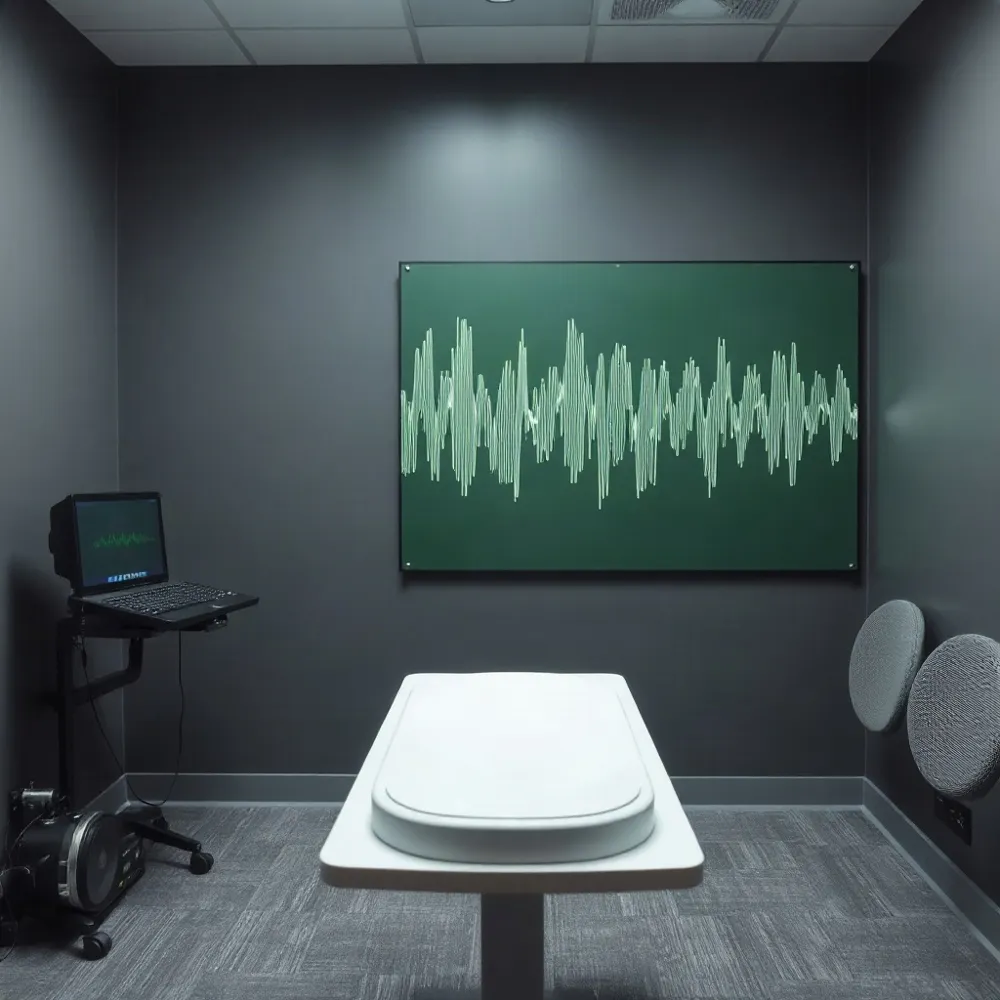
Understanding Occupational Hearing Loss: A Silent Workplace Hazard
Definition of Occupational Hearing Loss
Occupational hearing loss is permanent damage to the inner ear caused primarily by prolonged exposure to loud noises or ototoxic chemicals in the workplace. It is one of the most common work-related medical conditions affecting approximately one in eight workers in the United States. This hearing impairment is often gradual and irreversible, emphasizing the critical need for preventive measures.
How Occupational Hearing Loss Occurs
Hearing damage develops when hair cells in the inner ear sustain injury from noise levels typically exceeding 85 decibels (dB) over an extended period. Sudden exposure to noises above 120 dB can also cause immediate and irreversible hearing loss. High-risk occupations include construction, manufacturing, mining, military, and agriculture, where workers are frequently exposed to machinery and tools generating hazardous noise. Additionally, exposure to certain ototoxic chemicals contributes to auditory damage, compounding the risk.
Importance of Early Recognition
Early signs of occupational hearing loss often include difficulty understanding speech in noisy environments, persistent tinnitus (ringing in the ears), and the need to increase device volumes. These symptoms are subtle and can easily go unnoticed, but early detection is crucial to prevent further damage. Regular hearing evaluations and workplace assessments help identify hearing threshold shifts before permanent loss occurs. Implementing hearing conservation programs and providing personal protective equipment are vital steps to safeguard workers' hearing health and maintain workplace safety.
Recognizing Early Symptoms and Warning Signs of Hearing Loss on the Job
What are the common symptoms and early signs of occupational hearing loss?
Early signs of hearing loss often present subtly. Common symptoms include muffled sounds and difficulty understanding speech, especially in noisy environments. Affected individuals might find it especially hard to hear high-pitched consonants, such as the sounds "s" and "f", or voices of women and children.
Behavioral signs often accompany these symptoms. People may unconsciously increase the volume on devices like televisions or smartphones as a hearing sign to compensate for reduced hearing clarity. They could also frequently ask others to repeat themselves or speak more loudly. Family, friends, or coworkers often notice these changes before the individual does.
What symptoms indicate ear damage from loud noise?
Tinnitus, characterized by persistent ringing, buzzing, or humming in the ears, is a key warning sign of auditory stress or early hearing damage from noise exposure. Additionally, the sensation of fullness or pressure in the ear can signal noise-induced trauma.
Difficulty hearing high-frequency sounds—such as alarms, warning signals, or soft speech—is especially indicative of early damage, as these frequencies are often affected first. In some cases, individuals may also experience dizziness or balance disturbances related to inner ear effects.
How does difficulty hearing high-frequency sounds and understanding speech in noise manifest?
High-frequency hearing loss is a hallmark of occupational noise damage. It leads to challenges in discerning certain speech sounds and environmental cues, compromising communication and safety.
These hearing changes often make it hard to understand conversations in busy or noisy workplaces. This subtle difficulty may cause workers to strain to listen or withdraw socially to avoid challenging listening situations.
What behavioral changes might be observed?
Early hearing loss can lead employees to adapt in less obvious ways. Such adaptations include needing to frequently ask for repetition, withdrawing from group discussions, or avoiding phone and video calls. Increased effort to hear can cause fatigue and misunderstanding, potentially impacting job performance and safety.
Recognizing these early signs and symptoms is critical to initiate hearing conservation strategies, including the use of proper hearing protection, routine audiometric evaluations, and workplace noise controls to prevent permanent damage.
Workplace Noise and Chemical Exposure: Causes and Risks of Occupational Hearing Loss
What is occupational hearing loss and how does it occur?
Occupational hearing loss is permanent damage to the inner ear caused by repeated exposure to loud noise at or above 85 decibels (dBA) or exposure to ototoxic chemicals in the workplace. The damage primarily affects the hair cells in the inner ear that transmit sound signals, and since these cells do not regenerate, hearing loss is irreversible.
Individuals with occupational hearing loss often experience difficulty hearing high-frequency sounds, trouble understanding speech in noisy environments, and may frequently ask others to repeat themselves. Early signs also include tinnitus, or persistent ringing and buzzing in the ears. To prevent progression, employers implement hearing conservation programs involving noise measurement, engineering noise controls, providing hearing protection devices like earplugs and earmuffs, and regular hearing tests for employees in noisy workplaces.
Noise levels that cause hearing damage
Sounds at or above 85 dBA over an 8-hour workday pose a risk of hearing damage, with louder sounds causing damage more rapidly. Exposure to levels above 110-120 dBA can cause immediate hearing loss. Examples of noise sources include loud machinery, power tools, firearms, and industrial equipment. Temporary threshold shifts in hearing can occur after noise exposure but repeated or prolonged exposure leads to permanent damage.
Common industry sources of hazardous noise
Industries with high risk for occupational hearing loss include construction, manufacturing, mining, agriculture, utilities, transportation, military, and entertainment.
Typical noise sources in these fields are:
- Heavy machinery and power tools
- Aircraft engines and military explosives
- Factory and mining operations
- Loud music and amplified sounds
- Alarms and warning signals
Role of ototoxic chemicals in hearing impairment
Certain workplace chemicals such as toluene, lead, mercury, arsenic, xylene, styrene, and organophosphates have ototoxic effects, meaning they can damage the auditory system or increase sensitivity to noise. Workers exposed daily to these substances, particularly alongside high noise levels, face a compounded risk for hearing loss. Effective hearing loss prevention includes minimizing or substituting toxic chemical exposure and combining this with noise controls.
Regulatory noise limits and employer responsibilities
In the United States, OSHA regulates workplace noise exposure, setting legal limits based on noise levels and exposure duration. Workplaces with noise levels above 85 dBA averaged over 8 hours are required to implement hearing conservation programs. These include noise monitoring, employee training, provision of appropriate hearing protection devices, and regular audiometric testing. Prompt recording of work-related hearing loss cases is mandated following defined audiometric criteria.
Employers must also encourage early reporting of symptoms and ensure proper medical evaluation. This proactive approach can prevent permanent hearing damage, improve workplace safety by maintaining workers' ability to hear alarms and instructions, and reduce productivity loss associated with hearing impairment.
| Aspect | Details | Impact |
|---|---|---|
| Noise Level Thresholds | ≥85 dBA over 8 hours hazardous; >110 dBA immediate risk | Hearing loss risk increases with level and duration |
| High-Risk Industries | Construction, manufacturing, mining, military, agriculture, entertainment | High exposure to loud machinery and chemicals |
| Ototoxic Chemicals | Solvents, heavy metals, pesticides (e.g., toluene, lead) | Increased susceptibility to noise-induced loss |
| Employer Regulations & Actions | OSHA mandates hearing conservation, noise control, hearing protection, testing | Protects workers, records cases, enhances safety |
Diagnosing and Differentiating Types of Occupational Hearing Loss
How is hearing impairment diagnosed?
Hearing impairment diagnosis involves comprehensive testing by audiologists and otolaryngologists. The core diagnostic method is pure-tone audiometry, which measures hearing sensitivity across different frequencies and decibel levels. This helps identify specific frequencies where hearing loss occurs, often revealing high-frequency hearing loss typical of occupational exposures. Speech discrimination tests assess how well patients understand speech in varying environments, particularly noisy settings.
Other assessments include otoacoustic emissions (OAEs) that check cochlear hair cell function, and tympanometry to evaluate middle ear health. Visual inspection through otoscopy helps rule out obstructions or infections. When neurological or structural causes are suspected, imaging such as magnetic resonance imaging (MRI) or computed tomography (CT) scans are used to detect tumors or inner ear abnormalities (Occupational hearing loss).
What types of hearing loss can occur due to occupational hazards?
Occupational hearing loss mainly falls into three categories:
-
Noise-Induced Hearing Loss (NIHL): Caused by prolonged exposure to loud noise above 80–85 decibels, damaging the inner ear's hair cells. NIHL predominantly affects high-frequency hearing, leading to difficulty detecting alarm signals and understanding speech, especially in noisy environments (Noise-Induced Hearing Loss (NIHL)).
-
Chemical-Induced Hearing Loss: Exposure to ototoxic chemicals like solvents (toluene, styrene), heavy metals (lead, mercury), and pesticides can impair auditory function. This sensorineural damage may act synergistically with noise exposure (Occupational hearing loss).
-
Mixed Hearing Loss: In many cases, workers experience both noise and chemical-induced damage, resulting in compounded hearing impairment.
Why are audiometric baselines and threshold shifts important?
Baseline audiograms establish a reference hearing level before occupational noise exposure. Subsequent audiometric testing detects standard threshold shifts (STSs), defined as a 10 dB or greater average decrease in hearing thresholds at key frequencies (2000, 3000, and 4000 Hz).
Regular audiometric surveillance enables early detection of hearing changes, allowing intervention before permanent damage (Importance of early intervention). Age adjustments apply for determining STSs but not for total hearing loss recording. Retesting within 30 days is recommended to confirm STS validity.
Sudden versus gradual hearing loss and other medical causes
While most occupational hearing loss develops gradually due to chronic noise exposure effects or chemical exposure, sudden hearing loss can have other etiologies. For example, acoustic neuromas (benign vestibular nerve tumors) can cause unilateral, sudden or progressive hearing loss, tinnitus, dizziness, and balance problems.
Differentiating sudden hearing loss due to medical causes from occupational factors involves detailed history, audiometric testing, and imaging studies. Prompt diagnosis is essential for management, which may include surgery or radiation.
| Aspect | Diagnostic Tools | Significance |
|---|---|---|
| Hearing sensitivity | Pure-tone audiometry | Identifies frequency-specific loss |
| Speech understanding | Speech discrimination tests | Evaluates communication difficulties |
| Cochlear function | Otoacoustic emissions (OAEs) | Detects hair cell damage |
| Middle ear status | Tympanometry | Rules out conductive issues |
| Structural abnormalities | MRI/CT scans | Identifies tumors, nerve damage |
| Threshold shifts | Comparison with audiometric baseline | Detects early occupational hearing loss |
| Sudden hearing loss causes | Clinical history and imaging | Differentiates medical vs occupational origins |
Treatment, Prevention, and Legal Considerations in Occupational Hearing Health
What are the prevention strategies and hearing conservation programs?
Preventing occupational hearing loss centers on reducing noise exposure and protecting workers’ auditory health. Employers must implement hearing conservation programs when noise levels reach or exceed 85 decibels (dB) averaged over an 8-hour shift. These programs include noise level monitoring, training employees about risks, providing hearing protection, and scheduling regular hearing tests to detect early hearing changes.
How are earplugs and earmuffs used for hearing protection?
Hearing protection devices (HPDs) like earplugs and earmuffs are essential in noisy workplaces. Earplugs fit inside the ear canal and reduce noise exposure, while earmuffs cover the entire ear for noise attenuation. Custom-fit options enhance comfort and protection for long work shifts. Proper training in their correct use and maintenance is vital for maximum effectiveness.
What treatments are available for occupational hearing loss?
Occupational hearing loss is largely permanent as damaged inner ear hair cells do not regenerate. Treatment focuses on managing symptoms and improving communication. Hearing aids amplify sound and clarify speech, while cochlear implants may benefit severe cases where hearing aids provide limited improvement. Additional accommodations, such as captioned telephones, visual alarms, and quieter work environments, aid daily functioning.
What legal compensation options exist for workplace-related hearing loss?
Workers suffering occupational hearing loss may qualify for worker’s compensation benefits covering medical costs and lost wages. In some instances, third-party lawsuits may apply if equipment manufacturers or other parties are responsible. Social Security Disability Insurance (SSDI) may offer disability benefits if hearing loss severely limits function. Detailed audiometric documentation and expert assessments strengthen claims. Consulting legal experts familiar with occupational health claims can guide the compensation process.
The 4 P's and Importance of Early Detection for Long-Term Hearing Health
What are the ’4 P’s’ of hearing loss?
The "4 P's" of hearing loss stand for Painless, Progressive, Permanent, and Most importantly, Preventable. This concept highlights that hearing damage often starts without pain and gradually worsens over time. Once the delicate hair cells in the inner ear are damaged by noise exposure—typically at levels above 85 decibels—they do not regenerate, making the hearing loss permanent. However, with proactive and consistent use of hearing protection, such as earplugs and earmuffs, and adherence to workplace safety regulations, this type of hearing loss can be largely prevented.
Why is regular hearing examination significant?
Regular hearing evaluations are critical to early detection of hearing threshold shifts before severe damage occurs. Audiometric testing monitors hearing sensitivity and can distinguish between temporary and permanent hearing loss. Temporary hearing loss may recover after noise exposure ceases, but permanent loss is confirmed by consistent declines in hearing ability. Early identification enables timely interventions, such as improved hearing protection strategies, to halt progression and reduce long-term impairment.
How does occupational hearing loss impact workplace safety and cognition?
Occupational hearing loss in noisy work environments not only reduces an individual’s ability to detect alarms, warnings, and communication but also contributes to increased risk of accidents. Additionally, hearing impairment increases cognitive load as workers must strain to understand speech, leading to fatigue and decreased productivity. Untreated hearing loss can contribute to social isolation, stress, and even cognitive decline over time, emphasizing the broad impact beyond just hearing capability.
How can workplace awareness encourage timely intervention?
Employers and workers should foster an environment where early signs of hearing loss, such as increased volume on devices or tinnitus, prompt evaluation and protective action. Implementing hearing conservation programs that include noise measurement, education, provision of personal protective equipment, and annual hearing tests empowers workers to protect their hearing. Encouraging open communication about hearing issues and addressing concerns early can significantly improve long-term outcomes and workplace safety.
Protecting Your Hearing: Key Steps for Workers and Employers
Recognizing Early Signs
Workers should watch for early hearing loss symptoms such as needing to increase device volume, persistent ringing or buzzing (tinnitus), difficulty understanding speech in noisy settings, and trouble hearing high-pitched sounds like alarms. Early detection of these subtle signs is critical to prevent permanent damage.
Prevention and Protection
Employers must implement hearing conservation programs compliant with OSHA standards, providing appropriate hearing protection like earplugs or earmuffs and controlling noise exposure. Workers should consistently use protective gear and avoid prolonged exposure to harmful noise levels above 85 decibels.
Regular Hearing Assessments
Routine hearing tests are essential for workers exposed to hazardous noise or ototoxic chemicals. Early evaluations help identify threshold shifts, enabling timely intervention to reduce further loss.
Proactive management of hearing health safeguards communication, safety, and quality of life in noisy workplaces.