
Medical Evidence in Longshore Claims
Under the Longshore and Harbor Workers’ Compensation Act (LHWCA), medical evidence can explain an injury, its relationship to work, treatment needs, impairment, and disability. It does not, by itself, establish that the claim falls within the Act, because coverage also depends on statutory work and location requirements.
The U.S. Department of Labor’s Office of Workers’ Compensation Programs (OWCP) administers the LHWCA. Its medical-care and examination provisions appear chiefly in 33 U.S.C. § 907, which addresses treatment, physician choice, and examinations when medical questions arise.
For adjusters, attorneys, and injured workers, the practical task is to connect each record or medical opinion to the question in dispute. A diagnosis may address the nature of a condition; treatment notes can show the course of care; and an impairment assessment may inform disability analysis. The Act authorizes examinations and reports, but the supplied statute does not prescribe one universal medical-report format or make a private IME automatically controlling.
Treat statutory requirements separately from sound documentation practice. Section 907 sets rules for medical care and examinations, while clear records that explain findings and reasoning help readers assess the evidence in the context of the specific claim.
What an IME Can Address
 An independent medical examination (IME) is an assessment intended to provide medical information about disputed claim issues, not ongoing treatment. It may address diagnosis, the relationship between a condition and work, treatment needs, impairment, or disability.
Under LHWCA § 7(e), 33 U.S.C. § 907(e), the Secretary of Labor may arrange an examination when medical questions arise and obtain an estimate of physical impairment and other appropriate information. The statute also permits a dissatisfied party to request review or reexamination by different physicians, unless that further review is clearly unwarranted. It does not state that a private IME report automatically controls a claim. The LHWCA’s examination provisions describe a review process rather than a single report that settles disputed medical issues.
A Secretary-arranged examination must take place at a location reasonably convenient for the employee. Physicians selected by the employee, employer, or carrier generally may not participate in that examination. The employer or carrier may request its own examination immediately afterward on the same premises.
The federal process matters: state workers’ compensation rules about examiner selection or a second opinion should not be assumed to apply to an LHWCA claim. Confirm the procedure for the specific claim and distinguish a Secretary-arranged examination from a separately requested employer or carrier examination. NorCal Medical Consulting’s physicians conduct independent, evidence-based evaluations and chart reviews, with reports addressing disputed medical questions in federal claims.
For an overview of the purpose and scope of an IME, see what an independent medical examination can address.
Preparing for Examination Questions
 The LHWCA does not prescribe a standard questionnaire for an independent medical examination. Questions will generally relate to the medical issues under review, so an examinee can prepare to describe the injury or exposure, job duties, symptom history, treatment, and current work and functional limits.
Before the appointment, review the sequence of events and relevant care so you can give clear, accurate answers. Be ready to discuss prior medical conditions and medications, as well as what activities you can and cannot manage at work or at home. These are practical preparation topics, not an official OWCP checklist.
Distinguish what you remember from what you do not know. If you are unsure of a date, detail, or medication, say so rather than guessing. Records and examination findings may inform medical questions about diagnosis, the relationship between work and the condition, treatment, impairment, and disability.
An employee may be required to attend an examination under the Act. Unreasonable refusal of a required examination or medical treatment may lead to suspension of proceedings or further compensation while the refusal continues, subject to statutory exceptions. Review the applicable instructions and raise specific concerns through the appropriate claims channel rather than simply declining to attend, as described in the LHWCA provisions.
For a claim-related evaluation, NorCal Medical Consulting’s physicians assess workplace injuries and occupational hearing loss, and can provide written medical-legal opinions based on examination findings and available records. Workers preparing for an appointment can also review what to expect during a workplace injury assessment.
Building a Reasoned Medical Opinion
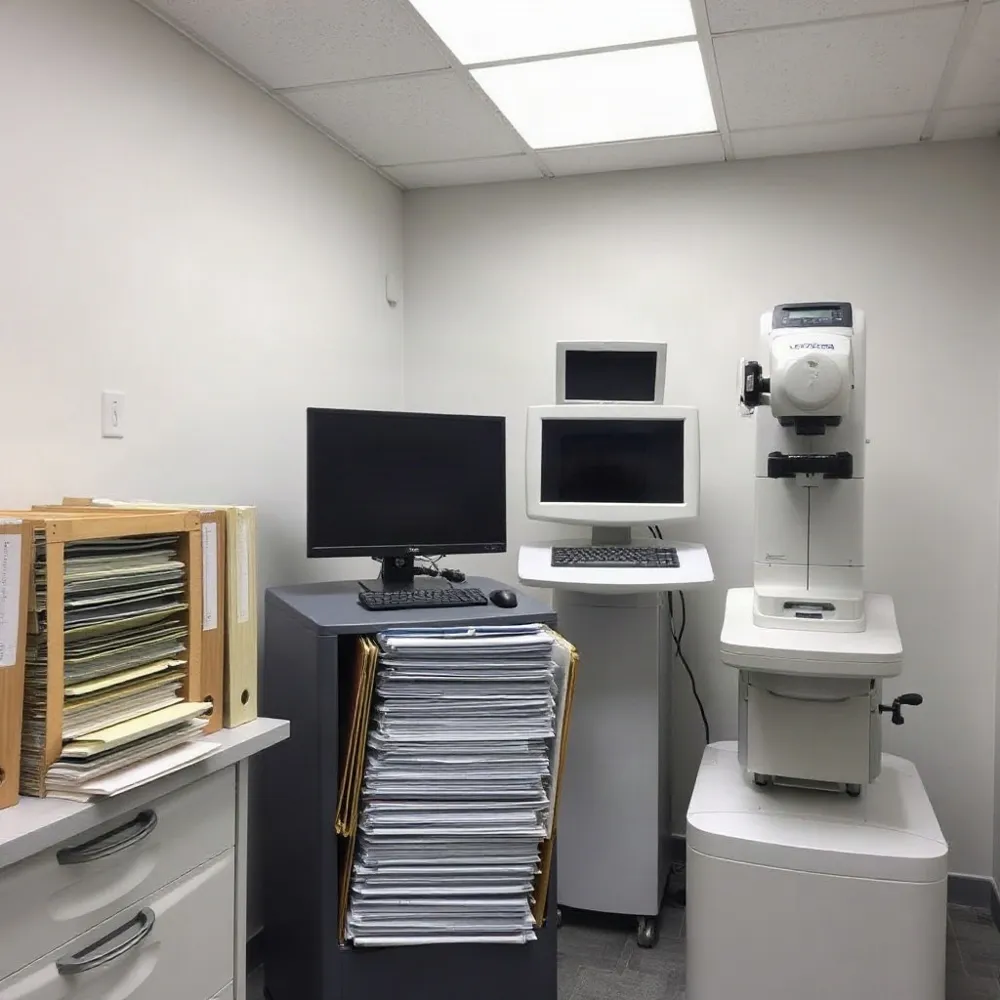 Useful medical evidence explains how the physician reached a conclusion, not just what the conclusion is. For an LHWCA claim, the opinion should address the medical question in dispute and connect its reasoning to relevant records, examination findings, and diagnostic results.
A reasoned opinion identifies the diagnosis and explains whether, and why, the condition relates to work. It should also describe treatment needs and functional effects, and show the basis for any impairment estimate. These points help the parties assess the medical issues the Act covers, including injury and disability under the LHWCA.
The statute defines injury to include accidental injury arising out of and in the course of employment, as well as certain occupational diseases and infections. Disability generally concerns injury-caused incapacity to earn wages; in specified claims, the applicable American Medical Association Guides determine permanent impairment. A report should make clear which of these questions it addresses rather than treating diagnosis, impairment, and wage-earning capacity as interchangeable.
Section 20(a), codified at 33 U.S.C. § 920, creates rebuttable presumptions, including that a claim comes within the Act absent substantial evidence to the contrary. The presumption does not resolve every medical dispute or remove the need to assess the evidence on diagnosis, causation, treatment, or disability.
The Act does not bind LHWCA hearings to common-law or statutory evidence rules or technical procedure, except as the Act provides. Clear, supported medical documentation can still help an adjudicator understand the record and evaluate competing opinions. NorCal Medical Consulting’s chart-based case reviews focus on explaining findings and medical reasoning in the context of federal injury claims.
The Department of Labor’s statutory text does not prescribe one universal medical-report format or a single test for substantial medical evidence. Avoid importing California reporting rules or another jurisdiction’s expert-admissibility standards as though they govern an LHWCA claim. The practical measure is whether the opinion addresses the disputed medical question with a transparent basis that allows evaluation against the record.
Organizing the Medical Record
For an LHWCA case review, assemble records that clarify the injury or exposure, symptoms, examination findings, testing, treatment, work status, and relevant prior conditions. The file should help the reviewer follow the medical history and see how the evidence relates to the questions in dispute.
Depending on the claim, useful materials include injury or exposure histories, treating-provider reports, imaging and other test results, specialist records, medication and therapy history, and work restrictions or return-to-work information. Organizing a complete medical record can make the sequence of symptoms, findings, and care easier to assess.
Occupational-disease files may need a fuller account of the worker’s employment and medical histories, the diagnosis, and the physician’s explanation of how past work relates to the current condition. The Department of Labor recommends this information in an occupational-disease report and advises sending copies to the employer and OWCP in its LHWCA FAQs.
The statute also sets a reporting requirement for treatment claims: a treating physician generally must send the prescribed injury or treatment report to the employer and deputy commissioner within ten days after the first treatment. The Secretary may excuse a late report in the interest of justice, as provided in 33 U.S.C. § 907(d)(2).
That deadline is distinct from a universal record checklist. The LHWCA does not prescribe one format for every medical file, so match the records to the claim and the disputed issues rather than treating a suggested structure as a legal requirement. Our team reviews medical documentation in context, including records relevant to diagnosis, work relationship, treatment, and functional limits.
Medical Record Access and Privacy
Under HIPAA, you can access medical records with proper authorization from the injured worker or through a valid disclosure process. Our team recommends limiting requests to records relevant to the claim rather than seeking the employee's complete medical history.
OWCP's case-file rules address access to its own claim records, not the full scope of HIPAA or other privacy requirements. According to OWCP's FAQ on document submission and communication, the injured worker, employer, carrier, authorized representatives, and Department of Labor officials may review the file for claim administration. Access by others generally requires the worker's specific written consent or a court order (OWCP document-submission and communication guidance).
For an existing LHWCA case, submit documents to OWCP through SEAPortal or by mail. Follow the agency's submission instructions, and remember that its case-file access policy is separate from the authorization needed to obtain medical records from a provider.
For related practical guidance on handling medical documentation, see our medical record access and privacy discussion.
Coverage Depends on Work and Location
The LHWCA generally covers qualifying disability or death resulting from an injury on navigable U.S. waters or in specified adjoining areas used for vessel work. The worker’s duties, location, and the circumstances of the injury all matter, and statutory exclusions and exceptions may apply.
The Act defines injury to include accidental injury or death arising out of and in the course of employment. It also includes certain occupational diseases and infections that arise naturally from employment or result from an accidental injury. See the LHWCA statutory text, including 33 U.S.C. §§ 902(2) and 903.
Who is generally covered by the Longshore and Harbor Workers’ Compensation Act (LHWCA)?
Coverage generally concerns work on navigable waters or adjoining areas customarily used to load, unload, repair, dismantle, or build vessels. That broad description does not resolve every claim: the statutory framework includes exceptions, and the specific employment and worksite facts must be assessed. For more background, see how LHWCA coverage depends on work and location.
Medical records and physician opinions can help establish the nature of an injury or disease and explain its relationship to work. They do not, by themselves, establish that the worker or injury falls within the Act. NorCal Medical Consulting reviews medical evidence in LHWCA matters, while coverage analysis must also account for job duties, the place of injury, and applicable statutory exceptions.
Distinguishing LHWCA and Jones Act Claims
The Longshore and Harbor Workers’ Compensation Act (LHWCA) and the Jones Act establish a limited distinction: the LHWCA provides compensation irrespective of fault for qualifying covered claims, while also setting out statutory exclusions and exceptions. Those include certain claims involving third-party vessel negligence, which the LHWCA statute describes.
The sources do not explain the Jones Act’s coverage test, negligence requirements, damages, or procedures. Do not infer those details from the LHWCA rules or from the fact that an injury occurred near or on a vessel.
Do not classify a claim based only on injury location. The worker’s legal status and circumstances, along with the potentially applicable statute and any statutory exceptions, require claim-specific legal review. NorCal Medical Consulting evaluates medical evidence within the relevant federal claim context, but medical findings alone do not determine which law applies. For a broader discussion of the distinction, see LHWCA and Jones Act differences.
Notice and Claim Filing Deadlines
Notice to the employer and filing a compensation claim are separate statutory steps under the Longshore and Harbor Workers’ Compensation Act (LHWCA). Meeting one deadline does not automatically satisfy the other, so review both dates against the facts of the injury.
For an injury, notice generally must be given within 30 days after it occurs, or within 30 days after the employee knows or reasonably should know that the injury is related to employment. A compensation claim generally must be filed within one year after the injury or death, with the period tied to when the employee or beneficiary knew or reasonably should have known of the employment relationship. Special timing rules may apply if compensation has been paid. These deadlines are set out in 33 U.S.C. §§ 912 and 913.
For an occupational disease that does not immediately cause disability or death, notice generally is due within one year after awareness, or reasonable awareness, of the relationship among employment, disease, and disability or death. A claim generally must be filed within two years after that awareness, or within one year after the last compensation payment, whichever is later.
Hearing-loss claims have a specific timing rule: the notice and claim periods do not begin until the employee receives an audiogram and accompanying report indicating hearing loss. Keep the report and its receipt date with the claim records.
For adjusters, attorneys, and injured workers, prompt date review can help identify which statutory deadlines apply before records are submitted or a dispute develops. NorCal Medical Consulting’s physicians assess medical records and findings in LHWCA matters, including occupational hearing-loss evaluations; medical evidence can help clarify diagnosis and impairment, but does not replace deadline analysis. Statutory exceptions and claim-specific facts can affect the calculation, so confirm the dates promptly.
Connect the Evidence to the Dispute
A useful medical record answers the questions actually in dispute: what condition is present, how it relates to work, what care is needed, and how impairment or disability affects function. NorCal Medical Consulting prepares independent evaluations and chart reviews that address those issues through documented findings and reasoned opinions.
Medical evidence does not replace compliance with the LHWCA’s rules. Examination requirements, physician selection, treatment reporting, coverage, and filing periods are statutory matters, so parties should assess them alongside the medical record. The LHWCA statutory text is a primary reference for the Act’s provisions.
For program materials and procedural references, consult the Department of Labor Longshore Program. In a disputed claim, align each report and record with the specific medical question, while separately confirming the applicable procedural requirements.