
Defining Occupational Noise-Induced Hearing Loss
Early identification is critical for one simple reason: noise-induced hearing loss is permanent and nearly always preventable. Recognizing the early signs of occupational auditory loss lets you interrupt the noise exposure behind it before the damage becomes a compensable claim. The first warnings are often subjective sensations a worker dismisses as normal fatigue, not yet a measurable threshold shift.
The classic red flag is muffled speech, especially in a crowded room or right after a noisy shift. A worker may feel a temporary 'stuffed ear' sensation for a few hours after leaving the job site. Occupational hearing loss typically develops so gradually that these early complaints are ignored until the damage is locked in.
Signs a Worker Should Pay Attention To
- Muffled speech or the sense that others are mumbling, especially in noisy environments.
- Difficulty hearing high-pitched sounds like a doorbell, birdsong, or a child's voice.
- Tinnitus: a persistent ringing, buzzing, hissing, or roaring in the ears, which often appears before measurable hearing loss.
- Needing to turn up the TV or radio louder than family members prefer.
Tinnitus deserves special attention. It is frequently the first symptom a worker notices, and it often surfaces years before a standard audiogram shows significant loss. The CDC lists tinnitus alongside hearing difficulties as a primary sign of noise-induced hearing damage, so it should never be written off as an 'old-age thing.'
Because the condition is permanent, every month of delayed recognition increases the risk of progressive loss and complicates the connection between the claim and the specific workplace exposure. Our team at NorCal Medical Consulting documents those early complaints and the noise history that produced them, so a claim is built on a complete record instead of a cursory exam.
Faced with a worker reporting these symptoms, an adjuster or attorney should ask three things: how loud is the environment, how long has the exposure lasted, and was a baseline audiogram taken at hire? The answer decides whether this is a routine, fast-tracked NIHL claim or a contested case. When the medical record is ambiguous, an independent evaluation can provide the causation evidence you need.
Measuring Hazardous Noise and the 85 dBA Threshold
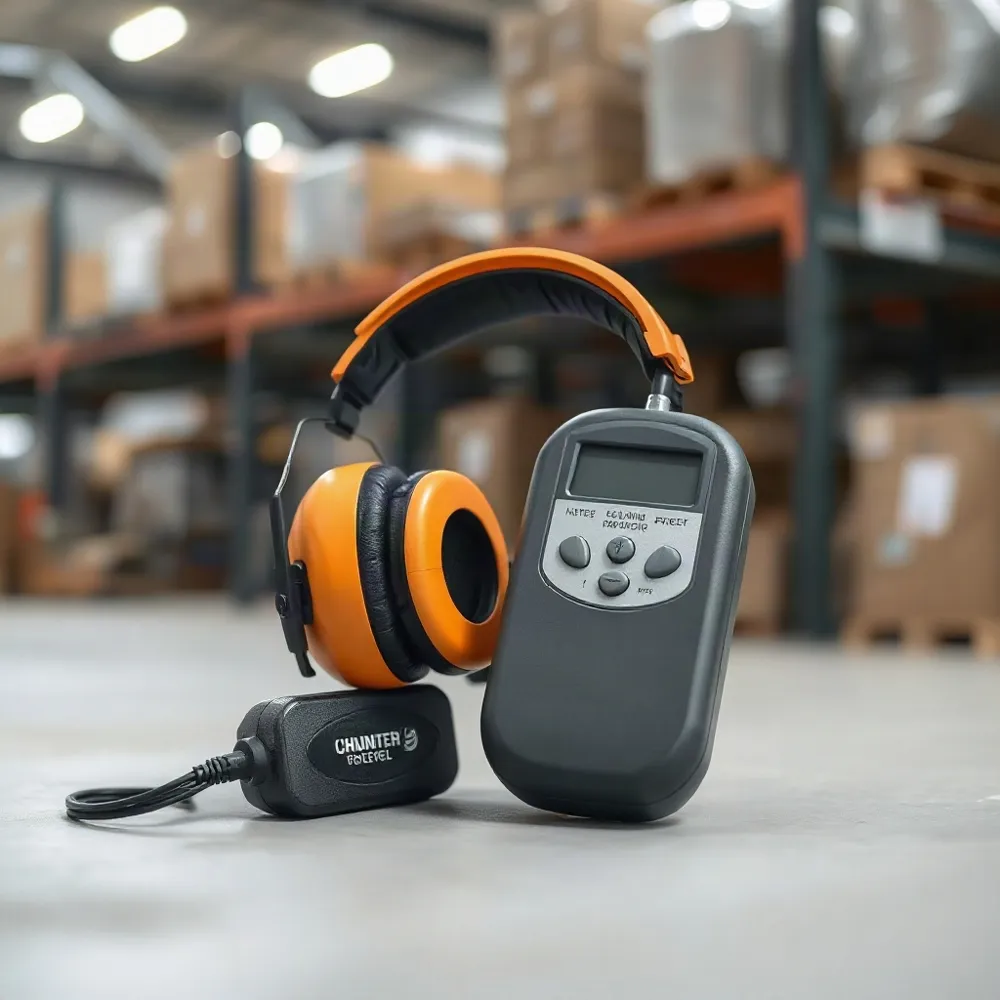 Hazardous noise is defined as an 8-hour time-weighted average (TWA) of 85 dBA or higher, per the CDC/NIOSH Recommended Exposure Limit.
Below that threshold, a typical safe exposure might be a conversation in a quiet office. Above it, the risk of permanent hearing damage rises quickly. The CDC notes that roughly 12% of the U.S. population has measurable noise-induced hearing loss.
For example, normal conversation runs about 60 dBA, while a lawnmower emits around 90 dBA. Occupational hearing loss is permanent damage to the inner ear from prolonged exposure to such sounds, and it is the damage often seen in workers' compensation claims.
85 dBA. The level at which the NIOSH Recommended Exposure Limit requires hearing protection and monitoring, representing the onset of hazardous noise exposure for an 8-hour shift.
90 dBA. The OSHA Permissible Exposure Limit for an 8-hour shift, at which the employer must implement a hearing conservation program; many states, including California, use an 85 dBA trigger for action.
The CDC's criteria define this range based on the risk of developing material hearing impairment. Employees working in environments like construction, manufacturing, or shipyards routinely face these levels. A single exposure to very loud noise, such as a gunshot or explosion, can cause immediate damage. More often, however, hearing loss develops gradually, making early recognition difficult. The signs of occupational hearing loss include muffled speech, difficulty hearing in groups, and a constant ringing in the ears.
Determining whether a worker's injury meets the legal standard under the Longshore and Harbor Workers' Compensation Act (LHWCA) or the Defense Base Act (DBA) depends on proving exposure to hazardous noise levels. At NorCal Medical Consulting, our physicians perform independent medical evaluations and chart reviews that document the noise dose, audiometric results, and the causal link to occupational settings, ensuring the claim aligns with OWCP standards from the start.
| Approach | Threshold | Exchange Rate | Action |
|---|---|---|---|
| CDC/NIOSH | 85 dBA | 3 dB | Implement exposure monitoring and training. |
| OSHA PEL | 90 dBA | 5 dB | Use hearing protection and controls. |
| OSHA Action Level | 85 dBA | 5 dB | Start hearing conservation program. |
Early Behavioral Signs in Employees
 One of the first signs of occupational hearing loss is tinnitus—a persistent ringing, buzzing, or roaring in the ears that may come and go or remain constant. This is often accompanied by difficulty understanding speech, especially in noisy environments or when several people talk at once. If you or an employee notice these symptoms, early detection matters, as the damage is typically permanent. For a deeper look at common behavioral changes, such as asking others to speak louder or frequently repeating requests, review our guide on early signs of occupational auditory loss.
Noise-induced hearing loss (NIHL) develops gradually over months or years of exposure to loud sounds, making it easy to overlook until it becomes noticeable. The CDC notes that symptoms can include muffled or distorted speech, difficulty hearing high-pitched sounds like children's voices or doorbells, and a feeling of fullness in the ear. Because these symptoms often worsen slowly, employees may not associate them with their job, especially if they work in industries with steady background noise.
If you suspect a problem, the next step is a proper evaluation, which our team at NorCal Medical Consulting provides as part of our expert hearing loss consulting. Our physicians perform specialized Auditory Steady-State Response (ASSR) testing at frequencies from 500 Hz to 4000 Hz, including the 3,000 Hz threshold required under the Department of Labor's Schedule for Rating Permanent Impairments. We align all documentation with OWCP standards to support federal claims under the Longshore and Harbor Workers' Compensation Act (LHWCA) and the Defense Base Act (DBA).
Common Early Signs Not to Ignore
- Persistent ringing or buzzing in the ears (tinnitus) after a workshift, even in quiet environments.
- Difficulty following conversations when background noise is present, such as in a busy warehouse or near machinery.
- Frequently asking others to repeat themselves or speak louder, which can strain workplace relationships.
Recognizing these signs early can prevent further progression, but the most reliable way to confirm NIHL is through a baseline and serial audiometric testing. Our team conducts these evaluations with objective ASSR methods, which reduce the risk of malingering and provide defensible results for claims. In contrast, employers who rely solely on primary care checkups may miss early decompensation, delaying treatment and compensation.
| Symptom | Likely Cause | Why It Matters |
|---|---|---|
| Tinnitus | Damaged inner ear hair cells | Often the first sign of NIHL |
| Difficulty hearing in noise | Reduced high-frequency perception | Affects job safety and communication |
| Speech sounds muffled | Cochlear damage | Progressive if exposure continues |
Beyond Noise: Ototoxic Chemicals
 Workers' compensation settlements are not one-size-fits-all. The structure of your settlement depends on multiple factors, including the severity of your injury, your age, your likelihood of future medical care, and whether you receive Medicare benefits. Understanding the choices available to you can prevent costly mistakes and ensure you're not left without coverage down the road.
Lump-Sum Settlements vs. Structured Settlements
When your workers' comp claim reaches a resolution, you may be offered a lump-sum payment, a structured settlement paid over time, or a combination of both. A lump sum gives you the full amount at once, which can be tempting but carries risks if you have ongoing medical needs. A structured settlement provides a steady income stream, which can be managed to cover future treatment costs and replace lost wages more predictably.
The choice between these options should be based on your financial situation and medical prognosis. If your hearing loss or other injury is permanent, a structured settlement can ensure you have funds set aside specifically for audiologic and medical care. Our team at NorCal Medical Consulting can review your medical documentation to clarify the permanency of your condition, helping you and your attorney make an informed decision.
Medicare Set-Aside (MSA) Requirements
If you are a Medicare beneficiary, federal law requires that a portion of your settlement be set aside to cover future medical expenses related to your workers' comp injury. This is known as a Medicare Set-Aside (MSA). The Centers for Medicare & Medicaid Services (CMS) reviews MSAs to ensure that Medicare does not pay for medical treatments that should be covered by your settlement.
An MSA is not optional if you want to protect your Medicare benefits. If you are awarded a lump sum and spend it without setting aside funds for medical care, Medicare may deny coverage for future treatment of your work-related injury. The amount you need to set aside depends on your current and future medical needs, which is why proper documentation of your hearing loss or other injury is critical. Our physicians can provide a thorough evaluation and a detailed report that supports the MSA amount, ensuring that your future care is accurately accounted for.
The Role of 'NorCal Medical Consulting' in Settlement Negotiations
Settlement negotiations often hinge on the value of your claim, especially when it comes to the permanency of your injury. Insurance adjusters and defense attorneys may challenge the extent of your hearing loss or other injury. This is where an independent expert can make the difference. At NorCal Medical Consulting, our physicians provide impartial, evidence-based evaluations that stand up to scrutiny under the Daubert standard and Rule 702 of the Federal Rules of Evidence. Our reports are designed to be used in negotiations and at trial, providing the clarity that both sides need to reach a fair settlement.
Whether you're navigating a federal claim under the Longshore and Harbor Workers' Compensation Act or a state claim, our expertise in occupational hearing loss and other workplace injuries helps ensure that the true impact of your injury is reflected in the settlement. We don't just write reports; we provide expert witness testimony and work with you from the initial file review through deposition and trial. This comprehensive approach can be instrumental in securing the compensation you deserve.
Maximizing Your Settlement
To maximize your settlement, you need to present a compelling case that demonstrates the full extent of your injury—not just the immediate medical bills, but also the long-term impact on your ability to work and your quality of life. This includes evidence of your hearing loss, the potential for future medical treatment, and any vocational rehabilitation needs. Our team at NorCal Medical Consulting can help bridge the gap between the medical reality of your condition and the financial realities of your claim.
We encourage you to discuss your case with a qualified workers' comp attorney who can guide you through the settlement process. With the right medical evidence and expert support, you can approach settlement negotiations with confidence and secure a resolution that protects your health and your financial future.
| Settlement Aspect | Consideration | Role of NorCal Medical Consulting |
|---|---|---|
| Settlement structure | Lump sum vs. structured settlement | Medical evaluation to support structured settlement funding |
| Medicare Set-Aside | Must cover future medical costs | Documentation of future care needs for MSA amount |
| Permanency of injury | Determines claim value | Expert reports on permanency to support higher settlement |
| Negotiation leverage | Evidence that withstands scrutiny | Daubert-compliant reports and testimony |
| Future care costs | Ongoing treatment and therapy | Detailed prognosis and care plan |
Decibel Levels and Damage Risk
 Workplace noise becomes dangerous when it consistently exceeds 85 dBA, the threshold set by the National Institute for Occupational Safety and Health (NIOSH) for the recommended exposure limit over an 8-hour shift. Sounds at this level, such as a busy restaurant or a lawnmower, carry an inherent risk of noise-induced hearing loss with prolonged exposure. The Occupational Safety and Health Administration (OSHA) enforces a permissible exposure limit of 90 dBA, but the danger escalates quickly: for every 3 dBA increase, the safe exposure time is cut in half.
Extremely loud impulses are equally hazardous. A single gunshot can exceed 140 dBA, and brief exposure to sounds at or above 110 dBA, such as a rock concert or a jackhammer, can cause immediate and permanent damage. The Centers for Disease Control and Prevention notes that even a single loud event can lead to permanent changes in the inner ear. This is why recognizing early signs of occupational hearing loss is critical for workers in high-noise environments.
A Quick Reference for Hazardous Decibel Levels
| Decibel Level (dBA) | Duration Needed for Damage | Common Example |
|---|---|---|
| 85 | 8 hours (OSHA/NIOSH limit) | Busy restaurant, heavy traffic |
| 91 | 2 hours | Lawnmower, motorcycle |
| 97 | 30 minutes | Power tools, chainsaw |
| 100 | 15 minutes | Jackhammer, snow blower |
| 110+ | Less than 2 minutes | Rock concert, firearm, siren |
| 140+ | Any exposure is hazardous | Fireworks, gunshot at close range |
Documenting Hearing Loss for Claims
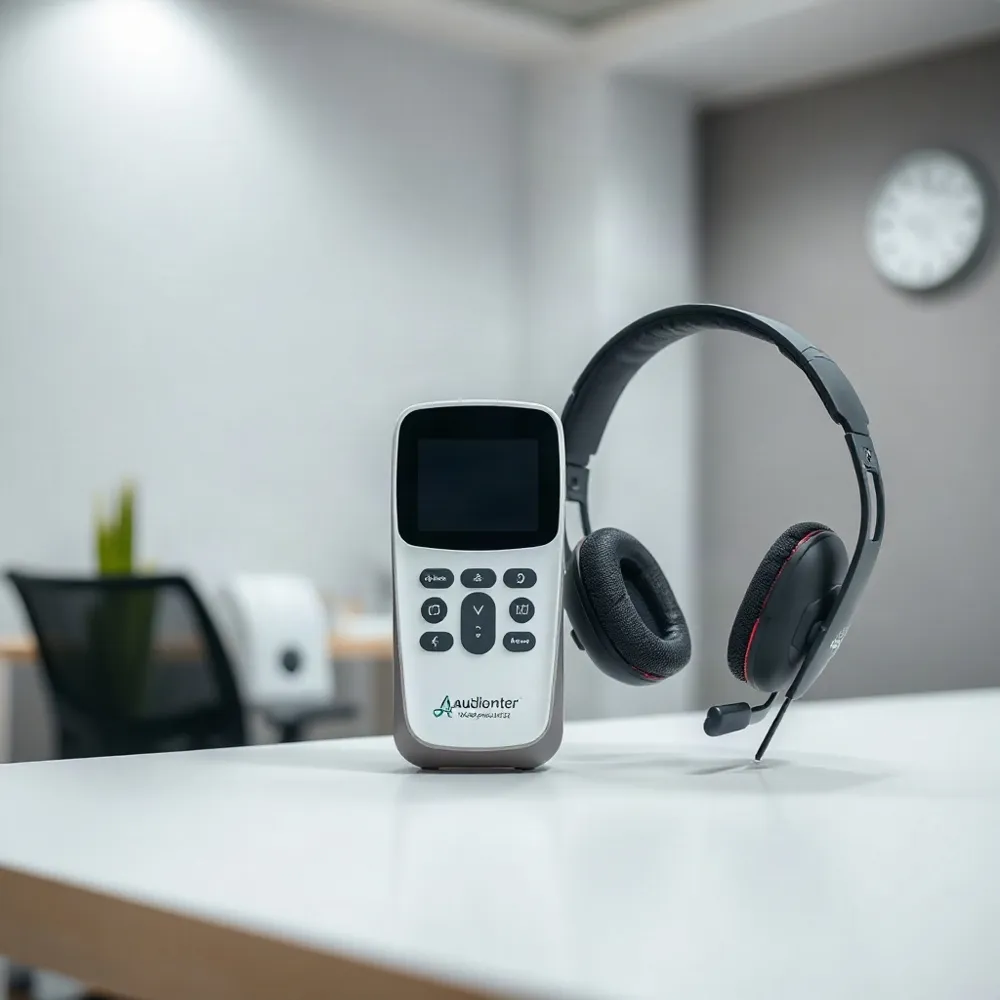 Under the Longshore and Harbor Workers' Compensation Act (LHWCA) and the Defense Base Act (DBA), an occupational hearing loss claim succeeds when you can show three things: harmful noise exposure on the job, a measurable hearing impairment, and a causal connection that meets federal standards. Unlike some state workers' comp systems, federal claims follow the Department of Labor's OWCP guidelines, which require specific documentation and a demonstrable link between your work and the loss.
For most federal claims, the key threshold is exposure to noise above 85 decibels (dBA) over time, combined with a significant hearing loss, typically measured as a pure-tone average at 1,000, 2,000, and 3,000 Hz, with a 3,000 Hz weight. The DOL's Sixth Edition of the Schedule for Rating Permanent Impairments recognizes the 3,000 Hz frequency as a critical benchmark, and our audiometric testing and the 3,000 Hz frequency aligns directly with that standard. As the CDC notes, hearing loss is often preventable but permanent, so the evidence you submit must be precise.
Bringing the Claim
To file under the LHWCA or DBA, you must meet the same general eligibility as any injury claim: your injury arose during covered maritime or overseas employment. The burden is on you to establish that work-related noise was a contributing factor, and OWCP presumes a causal relationship if you demonstrate the exposure and a qualifying audiogram.
Our team, at NorCal Medical Consulting, prepares documentation that anticipates OWCP's evidentiary requirements, including baseline audiograms, serial testing, and a detailed noise history. We pair this with an expert opinion on causation built to meet Federal Rule of Evidence 702 and the Daubert standard, ensuring your claim holds up under scrutiny.
Common Pitfalls and How to Avoid Them
Claims often fail because the audiogram doesn't reflect a 3,000 Hz threshold, the examiner doesn't account for aging (presbycusis) separately from noise, or the file lacks a reliable noise exposure estimate. The NIOSH recommends annual audiometric testing and a baseline, so we scrutinize whether the testing was performed in a soundproof booth and whether the technician was certified.
Documentation gaps. Missing serial audiograms or an inaccurate work history can sink a claim. We help compile a complete hearing conservation record that OWCP expects, including an otoscopic exam to rule out non-occupational causes.
Causation challenges. Even with a qualifying loss, proving it's noise-induced requires ruling out other factors. Our physicians address these directly, using the DOL's age-correction tables and a detailed exposure assessment.
If you're an injured worker, employer, or adjuster facing a federal hearing loss claim, our team provides the independent, evidence-based evaluations that meet OWCP's standards. We align each report with the Schedule for Rating Permanent Impairments and stand ready for depositions and trials, from initial review to final testimony, ensuring every claim is as strong as the evidence allows.
Protecting Workers Through Early Recognition
Hearing loss is permanent but preventable. The first step to protecting your hearing is knowing when noise levels become hazardous. Sound is measured in decibels (dBA), and risk rises with both loudness and exposure time. The National Institute for Occupational Safety and Health (NIOSH) sets the recommended exposure limit at 85 dBA over an 8-hour work shift, as highlighted in About Occupational Hearing Loss.
At NorCal Medical Consulting, our team conducts occupational hearing loss evaluations using Auditory Steady-State Response (ASSR) testing across 500Hz–4000Hz, including the 3,000 Hz frequency required under the Sixth Edition of the Department of Labor's Schedule for Rating Permanent Impairments. This ensures accurate, defensible documentation for federal claims.
For a free case review or to consult on a claim, call us at (707) 221-1555 or email info@norcalmedgroup.com. We serve adjusters, attorneys, and injured workers nationwide.