Introduction to ASSR and Its Role in Auditory Loss Evaluation
Overview of ASSR Technology
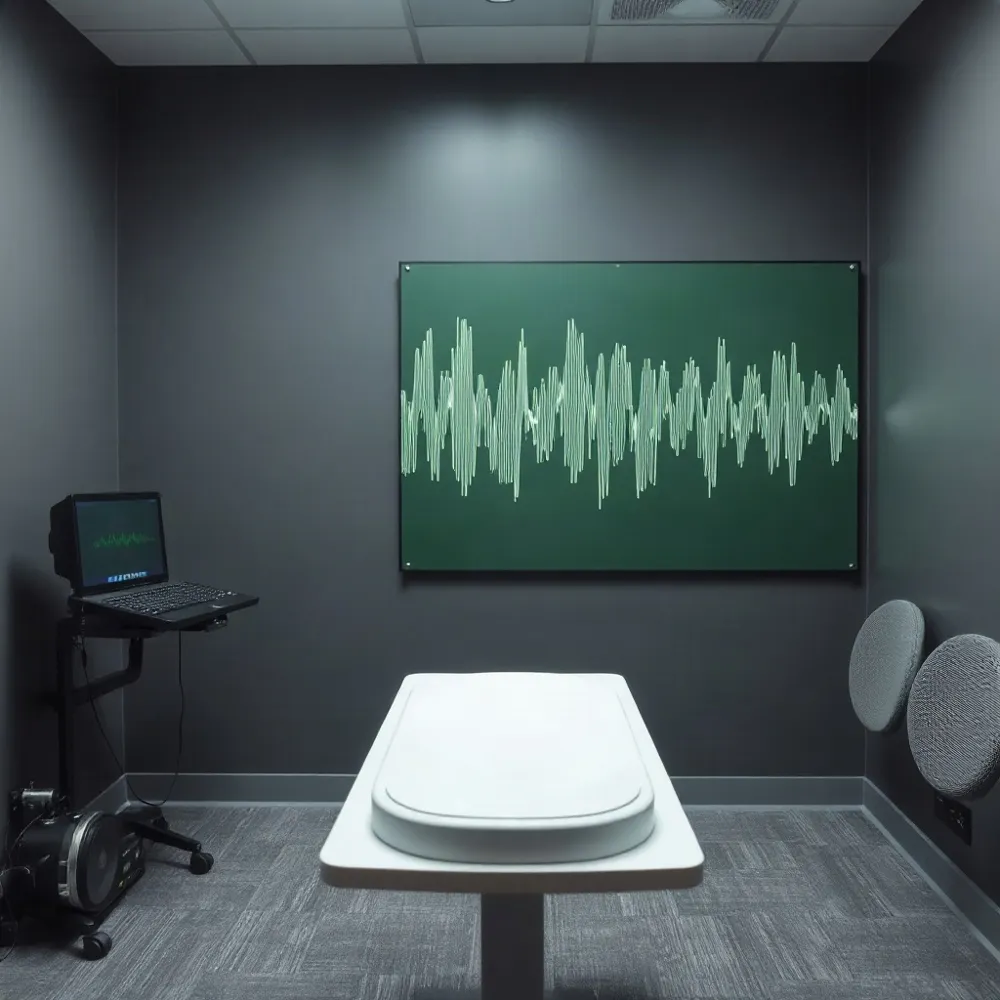
Auditory Steady-State Response (ASSR) is an advanced electrophysiological test that objectively measures the brain's response to sound stimuli via electrodes placed on the scalp. Unlike traditional audiometry, ASSR provides frequency-specific hearing threshold estimations without requiring active behavioral responses. Utilizing continuous modulated tones at multiple frequencies simultaneously, it significantly reduces testing time while delivering detailed audiograms. Its analysis relies on the detection of neural responses phase-locked to stimulus modulation frequencies, processed through sophisticated algorithms such as Fourier transform and statistical validation methods.
Importance in Detecting Hearing Loss
ASSR effectively evaluates a broad range of hearing levels, from mild to profound, including residual hearing up to 120 dB HL. It is especially valuable in confirming the degree and type of hearing loss, guiding targeted interventions like hearing aids or cochlear implants. Clinical studies demonstrate strong correlation between ASSR thresholds and traditional behavioral audiometry, affirming its reliability. It also enhances early diagnosis, which is critical for timely management and improved patient outcomes.
Use in Populations Unable to Perform Behavioral Audiometry
ASSR is particularly beneficial for populations unable or unwilling to cooperate with behavioral hearing tests, such as infants, young children, individuals with developmental disabilities, or those with cognitive impairments. It can be performed during natural sleep or under sedation, making it highly practical in pediatric assessments. Additionally, ASSR serves as a crucial objective tool in legal and workplace injury evaluations, ensuring accurate hearing status determination when behavioral responses cannot be obtained.
Understanding Auditory Steady-State Response (ASSR) Testing
Mechanism of ASSR
Auditory Steady-State Response (ASSR) testing is an objective electrophysiological method that measures brain activity in response to continuous or modulated sound stimuli. Electrodes placed on the scalp record neural responses generated at various levels of the auditory pathway, including the brainstem and primary auditory cortex. These responses are phase-locked to the modulation frequency of the auditory stimulus and are analyzed in the spectral domain using advanced algorithms like Fourier transforms and statistical tests (e.g., F-test). This objective measurement allows for the estimation of hearing thresholds independent of patient behavioral responses.
Comparison with Other Electrophysiological Tests like ABR
Unlike Auditory Brainstem Response (ABR) testing, which evaluates transient neural responses and typically assesses one frequency at a time, ASSR can simultaneously test multiple frequencies across both ears. This multi-frequency, binaural testing capability shortens examination time substantially, often completing assessments in 20–25 minutes. Furthermore, ASSR provides more frequency-specific audiometric information, particularly useful in populations who cannot reliably participate in behavioral audiometry, such as infants, young children, or individuals with cognitive disabilities.
Frequency-Specific Testing Capabilities
ASSR testing covers a broad range of frequencies, commonly including 500 Hz to 8000 Hz, and can assess hearing thresholds up to 120 dB HL. It utilizes modulated tones with specific modulation rates, typically between 75 and 110 Hz, to evoke steady-state responses reflecting frequency-specific neural synchrony. The testing enables clinicians to obtain objective audiograms that correlate closely with pure-tone audiometry thresholds, usually differing by less than 15 dB, facilitating accurate diagnosis and intervention planning. For more detailed information see Frequency-specific hearing thresholds and ASSR.
Advancements in Stimulus Modulation and Analysis Algorithms
Technological progress in ASSR includes the development of mixed modulation stimuli in ASSR combining amplitude and frequency modulations, as well as the incorporation of multi-harmonic analysis techniques. These innovations improve the detection sensitivity and reliability of responses. Automated response detection software for ASSR utilizing sophisticated statistical models reduces subjectivity in interpreting results. Additionally, new stimuli like second-generation CE-Chirps enhance the efficiency of detecting mild hearing losses, particularly important in pediatric assessments. Portable ASSR devices and improved algorithms further support accessible, rapid, and accurate testing in diverse clinical settings. See also Advances in ASSR stimulus and algorithm development and Advances in Hearing Test Technology.
How does NorCal Medical Consulting assist with auditory loss claims?
NorCal Medical Consulting provides expert audiological evaluations that leverage objective testing modalities, including ASSR hearing test. Their comprehensive assessments accurately quantify hearing loss severity and delineate its etiology, which is critical for legal and insurance claims. The firm provides detailed, standardized reports alongside expert witness services, supporting claimants in demonstrating work-related auditory injury or disease. By adhering to up-to-date regulatory standards and employing state-of-the-art diagnostic technology, NorCal Medical Consulting ensures claims are substantiated with rigorous, unbiased data, facilitating fair and efficient resolution processes. For workplace noise exposure and hearing loss prevention information relevant to claims, see NIOSH noise prevention and Audiologist's role in work-related hearing assessment.
Clinical Advantages of ASSR in Pediatric and Challenging Populations

Suitability for Infants and Young Children
ASSR (Auditory Steady-State Response) testing is especially beneficial for infants and young children who are unable to reliably participate in traditional behavioral audiometry. Since ASSR is an objective electrophysiological hearing test, it requires no active behavioral response, making it ideal for early diagnosis of hearing loss in this age group. It can be performed from as early as two weeks of age, supporting timely intervention crucial for speech and language development.
Ability to Test Multiple Frequencies Simultaneously
One of the core clinical advantages of ASSR is its capability to assess multiple frequency-specific hearing thresholds simultaneously. This multifrequency testing with ASSR considerably reduces the total examination time — typically around 20 to 25 minutes for eight frequencies — facilitating efficient and comprehensive audiometric evaluation. This efficiency is vital when testing children who may have limited tolerance for lengthy procedures.
Testing Under Sedation or Natural Sleep
ASSR testing during natural sleep and sedation can be conducted during natural sleep or under sedation, which is particularly useful in infants and other pediatric patients who may be uncooperative or anxious during classical audiometric assessments. This adaptability enhances clinical utility by ensuring reliable results without the need for patient compliance or extended testing sessions.
Relevance in Uncooperative or Cognitively Impaired Patients
Beyond pediatric populations, ASSR serves as an invaluable tool for assessing hearing in individuals with cognitive impairments or other disabilities that preclude behavioral responses. Because ASSR is an objective audiometry test and does not rely on subjective feedback, it provides reproducible and statistically valid outcomes to guide diagnosis and intervention in these challenging cases.
Through these advantages, ASSR has become an integral component of the audiological test battery, complementing other objective tests such as ABR, and enabling precise hearing assessment across diverse patient groups where traditional audiometry is limited or not feasible. For an overview, refer to Auditory Steady-State Response (ASSR) overview.
Technological Innovations Enhancing ASSR Accuracy and Efficiency
Use of Multi-Harmonic Analysis in ASSR Testing
Multi-harmonic analysis has transformed Auditory Steady-State Response (ASSR) testing by enabling the simultaneous detection of responses at multiple harmonics of the stimulus frequency. This approach increases the sensitivity and reliability of detecting auditory responses, particularly in pediatric populations. Leveraging multi-harmonic signals shortens test durations while maintaining accuracy, allowing clinicians to efficiently evaluate hearing thresholds across various frequency ranges.
Advanced Algorithms: Fourier Transforms and the F-Test
The application of sophisticated algorithms such as Fourier transform and F-test in ASSR analysis plays a central role in ASSR signal analysis. These mathematical tools convert time-domain electrophysiological data into the frequency domain, facilitating the identification of phase-locked neural responses to auditory stimuli. Statistical methods like the F-test complement this by evaluating the significance of detected responses to distinguish true auditory signals from background noise. Together, these advancements reduce subjectivity and provide objective, reproducible threshold estimations.
CE-Chirp Stimuli and Modulation Techniques
Innovative stimulus designs such as CE-Chirp have been integrated into Auditory Steady-State Responses (ASSR), significantly enhancing auditory response strength by compensating for cochlear travel delays. CE-Chirps, combined with modulation methods like Mixed modulation stimuli in ASSR, refine frequency specificity and improve detection rates, especially for mild hearing losses. Modulation rates frequently exceed 80 Hz, rendering responses robust even when the patient is asleep or sedated.
Automated Response Detection and Portable ASSR Devices
Automation has brought considerable improvements to ASSR hearing test efficiency and accessibility. Automated response detection software reduces examiner dependency by applying algorithmic decision rules for response significance, thus shortening examination times without sacrificing accuracy. Additionally, portable ASSR devices have emerged, facilitating hearing assessments in diverse settings, such as remote clinics and workplaces, broadening access to objective audiometric evaluations.
| Innovation | Description | Clinical Benefit |
|---|---|---|
| Multi-Harmonic Analysis | Simultaneous detection of multiple harmonics | Shorter test times, increased sensitivity |
| Fourier Transforms & F-Test | Spectral signal extraction and statistical validation | Objective, reproducible results |
| CE-Chirp & Modulation Techniques | Frequency-specific stimuli with delay compensation | Enhanced response detection |
| Automated Detection & Portability | Software-driven analysis and mobile devices | Faster tests and broader accessibility |
Role of ASSR in Diagnosing Different Types and Degrees of Hearing Loss
How does ASSR assess different types and degrees of hearing loss?
ASSR electrophysiological testing is an objective electrophysiological test that estimates hearing sensitivity across a broad frequency and intensity range, making it highly useful for evaluating conductive, sensorineural, and profound hearing losses. The test can assess hearing thresholds up to 120 dB HL, allowing it to effectively identify residual hearing even in cases of severe-to-profound impairment. Multifrequency testing with ASSR capabilities enable clinicians to obtain detailed audiograms quickly and simultaneously from multiple frequencies and both ears, facilitating comprehensive hearing assessments.
Can ASSR differentiate between mild to severe hearing impairments?
Yes, ASSR is capable of differentiating between mild, moderate, severe, and profound hearing loss. With recent advancements such as second-generation CE-Chirp stimuli and multi-harmonic analysis, ASSR sensitivity and specificity for mild hearing loss detection have significantly improved. Studies show that ASSR thresholds generally correlate within 10 to 20 dB of behavioral audiometry thresholds. However, thresholds may be slightly elevated in mild cases due to neural recruitment phenomena, which clinicians must consider in interpretation. These clinical advancements are well-documented in the ASSR for evaluating hearing thresholds and threshold detection literature.
What are the limitations of ASSR concerning auditory neuropathy spectrum disorder (ANSD)?
ASSR has limited reliability in diagnosing auditory neuropathy spectrum disorder (ANSD). Since ASSR responses are generated by synchronous neural activity in the auditory pathway, neural dyssynchrony characteristic of ANSD can result in absent or abnormal ASSR responses. Consequently, ASSR should not be used in isolation for diagnosing ANSD. Complementary testing with otoacoustic emissions (OAE) and auditory brainstem responses (ABR) is essential for accurate diagnosis, as these tests can detect cochlear outer hair cell function and neural conduction abnormalities respectively.
Why is complementary use with ABR and OAE testing recommended?
Given the limitations of ASSR and the multifaceted nature of hearing disorders, a cross-check test battery approach is standard practice. Combining ASSR with ABR and OAE provides a comprehensive evaluation of the auditory system from cochlear function to higher auditory pathways. ABR offers precise neural conduction data, while OAE assesses cochlear outer hair cell integrity. This complementary strategy ensures diagnostic accuracy, particularly in pediatric populations or patients with complicated hearing loss presentations where behavioral testing is not feasible or reliable, as outlined in Auditory Steady-State Response (ASSR) overview and Clinical advantages.
| Hearing Loss Type | ASSR Role | Limitations | Complementary Tests |
|---|---|---|---|
| Conductive | Identifies thresholds and evaluates sound conduction | Can miss subtle middle-ear pathologies | OAE, Tympanometry |
| Sensorineural | Effective for frequency-specific hearing thresholds | Less sensitive to neural dyssynchrony | ABR, OAE |
| Profound | Measures residual hearing up to 120 dB HL | Interpretation can be complex | ASSR versus Auditory Brainstem Response (ABR) |
| Mild to Moderate | Sensitive detection with advanced stimuli | May overestimate thresholds by 10-20 dB | Behavioral audiometry, ABR |
| Auditory Neuropathy Spectrum Disorder | Limited reliability for diagnosis | Absent or abnormal response due to neural issues | OAE, ABR |
Integration of ASSR in Workplace Injury Assessments and Legal Claims
Objective evaluation of noise-induced hearing loss
Auditory Steady-State Response (ASSR) testing provides an objective, reliable method to assess hearing thresholds among workers exposed to occupational noise. Unlike behavioral audiometry, ASSR does not require active patient participation, enabling accurate threshold estimates even in uncooperative individuals or those with comorbid conditions. The test uses electrophysiological measurements to determine hearing sensitivity across multiple frequencies simultaneously, allowing detection of conductive or sensorineural hearing loss caused by prolonged noise exposure. This technology complements traditional hearing tests by offering frequency-specific data and detecting thresholds at higher intensities—critical for documenting the extent of hearing damage in workplace injury cases.
Supporting audiological documentation for legal and insurance purposes
Accurate and detailed audiometric data are essential components in substantiating workplace injury claims related to noise-induced hearing loss. ASSR-produced audiograms serve as credible medical evidence showing the degree and configuration of hearing impairment. This supports diagnoses that comply with regulatory definitions, such as OSHA’s standards for recordable hearing loss (Audiologist's role in work-related hearing assessment). Objective test results from ASSR reduce subjective bias and strengthen the evidentiary foundation for legal and insurance evaluations. Well-documented audiological findings facilitate timely adjudication of claims, ensuring injured workers receive appropriate medical care, wage replacement, and disability benefits mandated by workers’ compensation laws.
NorCal Medical Consulting's specialized role in auditory loss claims
NorCal Medical Consulting offers expert assessment services specialized in evaluating workplace injuries with an emphasis on auditory loss. Their expertise integrates advanced diagnostic technologies, including ASSR hearing test, to provide comprehensive evaluations and credible expert opinions. These evaluations help establish the linkage between occupational noise exposure and hearing impairment, supporting the legal and insurance claims process. NorCal’s detailed reports aid in documenting injury details authoritatively, facilitating proper coverage of all associated medical treatments and compensation. Their services streamline the claims process by addressing both clinical and legal requirements, benefiting injured employees, employers, and insurers alike.
Importance of detailed and accurate expert evaluations for workplace injuries
Expert evaluations are vital for clarifying the nature, extent, and causation of workplace auditory injuries. Comprehensive assessments prevent misdiagnosis and underestimation of hearing loss, which can lead to inadequate compensation. Detailed audiological evaluations including Auditory Steady-State Response (ASSR) offer objective evidence to withstand legal scrutiny and minimize disputes during claim adjudication. These in-depth expert reports support fair outcomes, facilitate compliance with occupational health regulations (Noise exposure recordkeeping), and ensure that both workers and employers are treated equitably in the compensation process. Accurate expert input provides a foundation for effective hearing conservation and injury prevention programs in occupational settings.
Current Research on Neural Mechanisms and ASSR Dynamics in Hearing Loss
What is the 40-Hz Auditory Steady-State Response (ASSR) and Its Significance?
The 40-Hz auditory steady-state response serves as an important electrophysiological biomarker reflecting the integrity of the auditory system, particularly in assessing sensory and cognitive processing functions. This neural response is elicited by auditory stimuli and is linked to gamma-band oscillations in the brain, which underlie key cognitive functions such as attention and perception.
What Neuroimaging Findings Have Been Observed in Children with Hearing Loss?
Recent magnetoencephalography (MEG) studies investigating children aged 7 to 15 who have hearing impairments revealed altered ASSR dynamics between the left and right hemispheres compared to peers with normal hearing. This asymmetry points to neural reorganization or compensation due to auditory input deficits.
How Does Hearing Aid Use Affect ASSR Responses in Hearing-Impaired Children?
Clinical findings indicate a positive correlation between consistent hearing aid use and increased ASSR power in the left hemisphere. This enhanced ASSR power suggests that auditory amplification not only improves hearing but also supports more normalized neural processing of sound.
What Are the Implications for Assessing Cognitive and Sensory Processing?
Altered ASSR dynamics highlight the critical role of continuous auditory stimulation for maintaining cortical auditory network integrity. These insights advocate for utilizing neuroimaging techniques such as MEG alongside Auditory Steady-State Response (ASSR) testing to better understand behavioral variability and inform interventions aimed at improving both auditory and cognitive outcomes in children with hearing loss.
Challenges and Limitations in ASSR-Based Hearing Assessments
Variability in Infants Under Two Weeks Old
ASSR (Auditory Steady-State Response) testing shows limitations in infants younger than two weeks. Due to immature neural pathways and developmental variability, ASSR results in this age group can be less reliable. Consequently, ASSR is often recommended after two weeks of age, typically following initial screenings such as otoacoustic emissions (OAE) and auditory brainstem response (ABR).
Differences from Pure-Tone Audiometry Thresholds
ASSR thresholds tend to differ from behavioral pure-tone audiometry (PTA) by 0 to 20 dB, often yielding higher thresholds particularly in mild hearing impairment cases. This discrepancy arises from neural recruitment and response characteristics unique to electrophysiological measures, necessitating correction tables and careful interpretation by clinicians.
Influence of Neural Maturation and Stimulus Artifacts
The accuracy of ASSR is influenced by neural maturation, as responses originate from multiple auditory pathway structures with differing development timelines. Additionally, stimulus artifacts can confound measurements. These factors require ASSR to be combined with other tests like ABR and OAE for a comprehensive diagnostic approach, especially in populations with cognitive or physiological variability.
Accuracy Concerns in Older Adults and Certain Disorders
In older adults, age-related declines in neural phase-locking and other auditory processing alterations may reduce ASSR response quality, particularly at lower frequencies. This necessitates tailored testing protocols and correction factors. Moreover, ASSR shows poor correlation with pure-tone audiometry in auditory neuropathy spectrum disorder (ANSD), limiting its standalone diagnostic utility in such cases.
These challenges highlight the importance of using ASSR as part of a broader audiological test battery and emphasize the need for ongoing research to refine its clinical implementation.
The Future of Hearing Loss Evaluation and Treatments Complementing ASSR
Gene Therapy and Stem Cell Treatments for Hereditary Hearing Loss
Recent advances have identified genetic mutations and hereditary hearing loss responsible for many hereditary hearing losses, facilitating the development of gene therapies such as AAV-OTOF gene therapy, which shows promise in treatment of auditory neuropathy. Stem cell therapy for sensorineural hearing loss is also progressing, with organoid development in hearing research and differentiation pathway elucidation paving the way for novel sensorineural hearing loss treatments.
Integration of AI in Hearing Diagnostics
Artificial intelligence in hearing test analysis (AI) has transformed hearing diagnostics by enabling the analysis of complex genetic and audiometric data. AI assists in interpreting variants of unknown significance, improving diagnostic precision and personalizing treatment strategies. This technology complements electrophysiological tests like Auditory Steady-State Response (ASSR) by refining hearing loss evaluation and enhancing clinical decision-making.
Emerging Implantable Auditory Devices and Telehealth
Technological innovations have resulted in smaller, more efficient next-generation hearing aids with adaptive capabilities, improving patient outcomes. Telehealth for hearing care services have expanded access to hearing care, offering remote testing, consultations, and device management—critical for populations with limited mobility or residing in underserved areas. These advancements synergize with objective assessments like ASSR hearing test, facilitating early diagnosis and intervention.
Potential for Biological Therapies and Regenerative Medicine
While current treatments primarily rely on devices, research in regenerative medicine and biological therapies shows substantial future potential. Gene editing techniques, such as CRISPR-Cas9 technology in hearing treatment, and stem cell therapy for sensorineural hearing loss platforms aim to restore or preserve hearing by targeting the inner ear's complex anatomy. Progress in high-resolution optical imaging and robotic-assisted surgeries enhances the precision of these emerging interventions.
These evolving diagnostic and therapeutic technologies will complement objective electrophysiological assessments such as Auditory Steady-State Response (ASSR) to deliver comprehensive hearing loss evaluations and personalized management, especially in pediatric and difficult-to-test populations.
Preventative and Safety Considerations Linked to Workplace Hearing Loss
Importance of hearing conservation programs
Effective hearing conservation programs are essential in workplaces with noise exposures reaching or exceeding 85 decibels (dBA) averaged over an 8-hour shift. These programs integrate several critical components:
- Regular noise exposure monitoring
- Audiometric testing for employees
- Proper use and fit testing of hearing protection devices (HPDs)
- Employee training on noise risks and protective measures
- Implementation of noise control strategies such as equipment maintenance, quieter machinery, and sound barriers The National Institute for Occupational Safety and Health (NIOSH) recommends maintaining detailed records of noise exposure, audiometry results, and training participation for the duration of employment plus 30 years to support long-term prevention and legal compliance. For more details, see Noise exposure recordkeeping.
Noise exposure monitoring per OSHA regulations
OSHA enforces noise exposure standards (29 CFR 1910.95) that require employers to monitor workplace noise levels continuously and apply protective measures once exposures reach 85 dBA. Employers must conduct periodic hearing tests and provide appropriate hearing protection devices tailored to the noise levels. Signage warning workers of hazardous noise areas and mandated training are also key regulatory requirements. Refer to workplace noise exposure and "Audiologist's role in work-related hearing assessment" for comprehensive information.
Role of audiometric and ASSR testing in prevention
Audiometric evaluations, including pure-tone audiometry and advanced electrophysiological tests like Auditory Steady-State Response (ASSR), are vital for early detection of hearing loss. ASSR testing offers objective, frequency-specific hearing threshold assessments that do not depend on patient behavioral responses, making it invaluable for screening employees who may be unable to participate in traditional audiometry or for pediatric and special needs populations. Regular audiometric testing allows for early identification of noise-induced threshold shifts, prompting timely interventions such as enhanced protection or job rotation. For an in-depth guide, see ASSR audiometry overview.
Economic and health implications of noise-induced hearing loss
Untreated occupational hearing loss leads to communication difficulties, increased fatigue, reduced concentration, and higher risk of workplace accidents due to impaired alarm recognition. These effects diminish productivity and can increase healthcare and compensation costs. The global economic burden of hearing loss exceeds hundreds of billions of dollars annually. Investing in preventive programs reduces long-term financial liabilities and protects workers' well-being. The impacts and benefits of addressing hearing loss in workplace are detailed in Hearing loss impact on workplace communication.
What types of injuries are commonly assessed by healthcare consulting firms like NorCal Medical Consulting?
Healthcare consulting firms primarily assess workplace injuries prevalent in high-risk hospital environments. Common injuries include musculoskeletal conditions from overexertion and repetitive motions, such as strains, sprains, fractures, and ligament damage. Additionally, they evaluate injuries caused by exposure to infectious materials, sharps, and patient violence, leading to punctures, lacerations, and bruising. These assessments support legal, insurance, and safety program enhancements.
| Topic | Key Points | Implications |
|---|---|---|
| Hearing Conservation Programs | Noise monitoring, HPDs, training, noise control | Prevents hearing loss, fulfills OSHA rules (Noise exposure recordkeeping |
| OSHA Noise Exposure Compliance | Thresholds at 85 dBA, hearing tests, signage | Ensures worker safety, imposes legal duties (workplace noise exposure) |
| Audiometric & ASSR Testing | Objective threshold detection, useful for special populations | Early diagnosis, tailored interventions (Auditory Steady-State Response (ASSR), ASSR hearing test) |
| Economic & Health Impact | Communication issues, safety risks, financial costs | Emphasizes prevention investment (Hearing loss impact on workplace communication) |
| Common Workplace Injuries Assessed | Musculoskeletal, exposure, violence-related | Guides improved workplace safety measures |
Conclusion: Enhancing Workplace Hearing Loss Evaluations Through ASSR
The Role of ASSR in Objective Hearing Assessment
Auditory Steady-State Response (ASSR) testing stands out as a crucial, objective electrophysiological method to estimate hearing thresholds. Unlike traditional behavioral audiometry, ASSR does not depend on patient cooperation, making it invaluable for testing infants, children, and individuals with disabilities. Its ability to simultaneously assess multiple frequencies speeds up diagnosis and provides detailed audiograms essential for accurate hearing loss characterization. This objective approach is ideal for workplace settings where precise and reliable hearing assessments are critical.
Impact on Workplace Injury Claims and Legal Processes
In the context of occupational health, ASSR aids audiologists and medical experts in establishing the severity and type of hearing loss objectively. This facilitates thorough documentation for legal and insurance claims related to noise-induced hearing loss. By producing reproducible and frequency-specific data, ASSR supports regulatory compliance with OSHA standards and hearing conservation programs, enhancing the credibility of workplace injury evaluations. Consequently, it underpins fair compensation decisions and informs effective hearing conservation strategies.
Future Prospects in Hearing Evaluation and Treatment
The future of ASSR testing intersects with advancements like portable devices, automated analysis software, and the integration of natural sounds to improve ecological validity. Additionally, emerging therapies, including gene and stem cell therapies and innovative implantable devices, promise to transform hearing restoration prospects. Continuous research into neural mechanisms and AI-driven diagnostics will further refine hearing loss assessment, optimizing treatment plans and outcomes for affected individuals in occupational and clinical settings.