Why safety education matters more than ever
The bottom‑line impact of injury‑prevention education
Workplace injuries in the United States remain a staggering burden. In 2024 alone, over 2.5 million non‑fatal workplace injuries and illnesses were recorded, and nearly 900,000 of those cases required days away from work. The financial toll—billions spent annually on workers’ compensation claims, lost productivity, and regulatory penalties—underscores the urgency of prevention.
Comprehensive safety training is one of the most effective tools for reversing these numbers. When employees are educated to identify hazards, follow proper procedures, and respond correctly to emergencies, the frequency and severity of accidents drop sharply. Research consistently shows that organizations with robust training programs experience significantly fewer injuries and lower claim rates than those with minimal instruction.
What the law actually demands versus what many firms add voluntarily
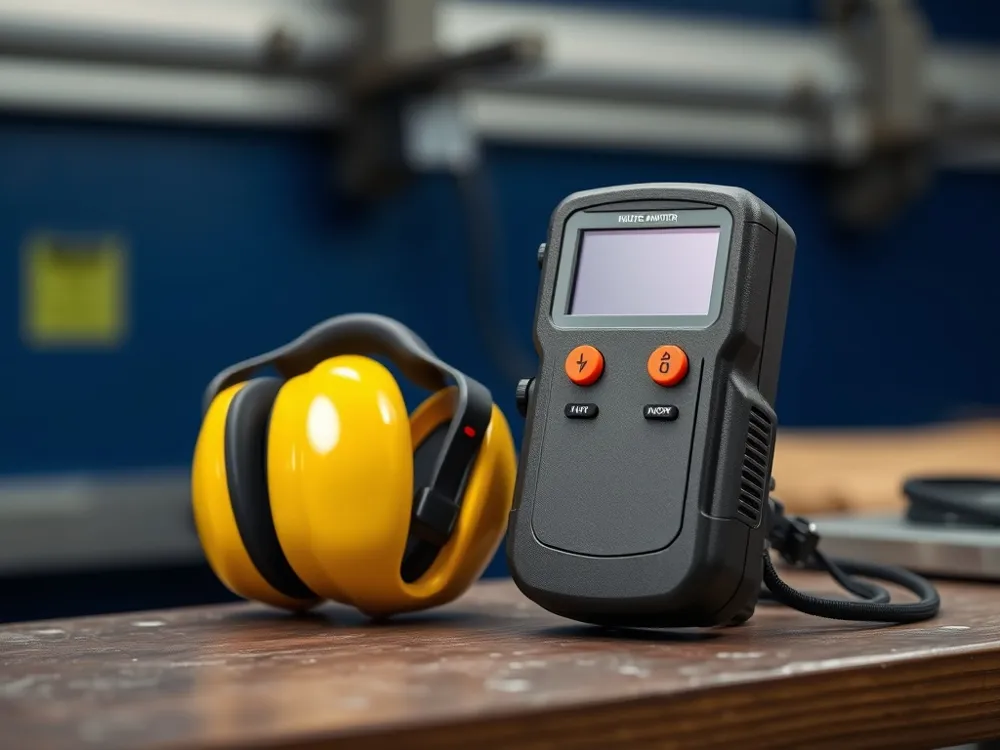
OSHA mandates that employers provide safety training to any worker facing job‑related hazards. Required topics include occupational noise exposure (annual refresher for employees exposed above 90 dBA), PPE selection and use, hazard communication, bloodborne pathogens, lockout/tagout, emergency action plans, and more. Many standards—like forklift certification—demand a mix of formal instruction, hands‑on practice, and periodic evaluation.
Yet forward‑thinking companies go well beyond the legal floor. They add training on ergonomics, slips/trips/falls, heat stress, workplace violence prevention, and industry‑specific risks (e.g., fall protection for construction, safe patient handling for healthcare). This voluntary investment is driven by a clear business case: preventing one severe injury can more than cover the cost of a comprehensive education program.
Frameworks that turn a training schedule into a living safety system
Effective safety education isn’t a one‑time event—it’s a continuous system. OSHA’s recommended framework includes four action items:
- Program awareness – Ensure all managers, supervisors, and workers understand safety policies, reporting procedures, emergency actions, and their rights.
- Leadership training – Teach supervisors the hierarchy of controls, hazard recognition, incident investigation (root‑cause analysis), and how to foster a reporting culture.
- Worker role training – Equip employees with hazard‑identification techniques (e.g., job hazard analysis) and control methods (administrative controls, work‑practice controls, proper PPE use).
- Ongoing reinforcement – Provide refresher courses, safety meetings, toolbox talks, and updated training whenever facilities, equipment, or processes change.
This framework integrates safety into daily operations. When coupled with thorough documentation (training records, competency tests, observation feedback), it becomes a living system that adapts to new risks and sustains long‑term improvement.
Practical tactics that shrink workers’‑comp bills
Employers can deploy several proven tactics to reduce claim costs immediately:
| Tactic | How It Reduces Claims | Implementation Example |
|---|---|---|
| Hazard‑specific training | Targets the most common injury types (slips, falls, overexertion, equipment contact) | Lockout/tagout modules for maintenance staff; ergonomics training for office workers |
| Job‑specific instruction | Ensures workers can safely operate tools, handle chemicals, and use PPE | Forklift operator certification (including practical evaluation) |
| Early‑intervention programs | Reduces severity when injuries do occur | Injury Prevention Specialist training; symptom recognition checklists |
| Regular refreshers | Maintains awareness and compliance over time | Annual hearing conservation retraining; quarterly toolbox talks |
| Language‑accessible delivery | Removes comprehension barriers for diverse workforces | Training in Spanish; visual aids for low‑literacy learners |
| Incident investigation training | Prevents repeat incidents by addressing root causes | Root‑cause analysis workshops for supervisors |
Resources you can deploy today and how to prove the ROI
Organizations can start immediately with free or low‑cost resources:
- OSHA’s online training materials, videos, and publications (available in multiple languages)
- OSHA Outreach Training (10‑hour and 30‑hour cards) for foundational hazard awareness
- State‑level programs (e.g., California’s IIPP template, Texas Mutual’s e‑learning platform, Missouri’s SHARP consultation)
- Insurer‑provided tools (e.g., ICW Group’s Safety OnDemand, The Hartford’s GOAL inspection method)
- Third‑party courses (e.g., American Red Cross First Aid/CPR, NSC’s Advanced Safety Certificate, OSHAcademy’s 200+ topics)
Measuring return on investment is straightforward. Track quantitative metrics: injury rates, claim frequency/severity, lost‑time cases, training completion rates. Compare these against the costs of program development and delivery. Most comprehensive programs show positive ROI within the first year—often saving $4–$6 for every $1 invested—through lower premiums, fewer claims, reduced turnover, and improved productivity. Qualitative assessments (employee surveys, safety committee feedback) further demonstrate cultural change.
Safety education is no longer optional. It is a legal obligation, a financial imperative, and the foundation of a sustainable, productive workplace. Organizations that invest in thoughtful, continuous training will see fewer injuries, lower costs, and a workforce that actively owns its own safety.
| Topic | Key Takeaway |
|---|---|
| Bottom‑line impact | Over 2.5 million injuries/year; training cuts claim frequency & severity |
| Legal requirements | OSHA mandates training for specific hazards; many firms add voluntary programs |
| System frameworks | OSHA’s 4‑action model: awareness, leadership, role training, ongoing reinforcement |
| Practical tactics | Hazard‑specific modules, job‑specific instruction, early intervention, language access |
| Resources & ROI | Free OSHA tools, insurer platforms, third‑party courses; typical ROI $4‑6 per $1 invested |
}```json {
The legal baseline: what OSHA really requires
What does OSHA require for workplace safety?
OSHA’s core obligation for employers is straightforward: provide a workplace free from recognized hazards. To meet this duty, OSHA mandates that employers systematically identify hazards, train employees on those hazards, and supply necessary personal protective equipment (PPE). The specifics are found in the General Duty Clause and dozens of standards covering chemical safety, bloodborne pathogens, lockout/tagout, and more. All training must be documented for each worker—recording the employee’s name, the date, and the subject covered—ensuring compliance and providing a clear defense against claims.
How often must OSHA‑required safety training be conducted?
OSHA clearly interprets “at least annually” to mean that any required refresher training must be completed within a strict 12‑month (365‑day) window. For example, hazard communication, fire extinguisher use, and bloodborne pathogens training all require annual refreshers. Lockout/tagout training must be retrained for all affected employees whenever a periodic inspection reveals deficiencies or when job assignments change. Meeting these timelines is essential not only for compliance but also for maintaining worker knowledge that directly prevents injuries and the compensation claims that follow.
What training is not mandated by OSHA?
Outreach training—the well‑known 10‑hour or 30‑hour safety courses—is not mandated by OSHA at the federal level. These courses are voluntary, designed by OSHA‑authorized trainers to provide basic hazard awareness. While many states, localities, or individual employers require them as a condition of employment, they are not a federal regulatory obligation. Understanding this distinction helps employers focus resources on the mandatory training that provides the strongest legal and safety foundation, rather than assuming all popular courses are required.
| Training Type | OSHA Requirement | Frequency | Key Standard(s) |
|---|---|---|---|
| General Duty Clause | Mandatory: safe workplace, hazard identification | Continuous | Section 5(a)(1) |
| Hazard Communication (HAZCOM) | Mandatory | At least annually | 1910.1200 |
| Bloodborne Pathogens | Mandatory | At least annually | 1910.1030 |
| Personal Protective Equipment (PPE) | Mandatory | At time of assignment, plus when conditions change | 1910.132‑138 |
| Lockout/Tagout | Mandatory | Before exposure, periodic (every 12 months) | 1910.147 |
| 10‑Hour / 30‑Hour Outreach | Voluntary (may be required by employer or state) | One‑time card; recommended refresher | None (OSHA‑authorized trainer) |
| Fire Extinguisher Use | Mandatory (if extinguishers are provided) | At least annually | 1910.157 |
Core safety structures: the 5 E’s, 7 elements and beyond

What are the 5 E's of workplace safety? The 5 E's—Engineering, Education, Enforcement, Engagement, and Evaluation—form a comprehensive framework for reducing workplace injuries. Engineering controls eliminate hazards at their source, while Education builds worker competence through targeted training. Enforcement ensures consistent accountability for safety policies. Engagement gives employees ownership of their safety, and Evaluation closes the loop with continuous feedback and improvement.
What are the 7 core elements of a safety program? OSHA's Recommended Practices for Safety and Health Programs outlines seven core elements: (1) management leadership, (2) worker participation, (3) hazard identification and assessment, (4) hazard prevention and control, (5) education and training, (6) program evaluation and improvement, and (7) coordination and communication among all on-site employers and contractors.
What are the 7 elements of a workplace violence prevention program? A complete program includes (1) risk assessment, (2) written policies prohibiting violence, (3) employee training, (4) confidential reporting and investigation procedures, (5) post-incident support, (6) secure facility design, and (7) regular program review and updates.
What is the 4-step injury prevention model? | Step | Action | Example |
|------|--------|---------| | 1 | Define the injury problem | Slips, trips, and falls account for 30% of claims | | 2 | Identify mechanisms/risk factors | Wet floors, poor lighting, cluttered walkways | | 3 | Develop and implement interventions | Anti-slip flooring, improved lighting, daily housekeeping checks | | 4 | Evaluate impact and refine | Track claim frequency post-intervention; adjust as needed |
The ‘must‑know’ basics: mandated curricula and the 3 C’s

What are the 5 basic safety trainings that apply to nearly any workplace?
Many organizations use a maritime‑inspired emergency‑response template built around five core modules: personal survival techniques, basic firefighting, first aid and CPR, personal safety and social responsibility, and security awareness proficiency. These topics develop fundamental hazard‑response skills that transfer directly to non‑maritime settings, providing a universal framework for injury prevention and, consequently, lowering compensation claims.
What are the 3 C’s of workplace safety?
Any credible program rests on Compliance, Competence, and Commitment. Compliance ensures regulatory standards (e.g., OSHA) are met, reducing citation risk. Competence means workers are properly trained to perform tasks safely. Commitment demands visible leadership support, consistent enforcement, and ongoing resource allocation — the foundation that turns training from a one‑time event into a lasting safety culture.
A quick glance at the five core basic safety trainings across industries
The table below summarizes how these modules translate into common workplace training:
| Training Module | Key Skills Taught | Typical Industries Covered | Effect on Claims |
|---|---|---|---|
| Personal Survival Techniques | Emergency evacuations, life‑raft use, survival in adverse conditions | Offshore, remote‑site, manufacturing | Reduces fatalities and severe injury from catastrophic events |
| Basic Firefighting | Use of extinguishers, fire suppression, evacuation coordination | General industry, construction, healthcare | Prevents burn injuries and property damage claims |
| First Aid & CPR | Wound care, splinting, CPR, AED use | All sectors, especially schools and offices | Lowers severity of injuries and lost‑time claims |
| Personal Safety & Social Responsibility | Hazard awareness, reporting obligations, peer‑interaction norms | Warehousing, hospitality, transportation | Encourages early reporting, preventing minor issues from escalating |
| Security Awareness Proficiency | Threat recognition, workplace violence prevention, lockdown procedures | Healthcare, retail, public facilities | Mitigates violence‑related compensation costs and improves employee safety |
Training tactics that cut workers’‑comp claims
How interactive, scenario‑based learning beats a slide‑deck
Passive slide‑deck presentations rarely change on‑the‑job behavior. Interactive methods—hands‑on simulations, real‑world scenarios, and peer‑to‑peer coaching—dramatically improve retention and application of safety concepts. Adult learners grasp hazards more readily when they practice correct responses in realistic settings, such as spill‑cleanup drills or equipment‑lockout exercises. This direct engagement reduces the likelihood of mistakes that generate compensation claims.
Why regular refresher courses, toolbox talks and on‑the‑job coaching are essential
Workplace hazards evolve, and knowledge fades without reinforcement. Regular refresher courses keep safety protocols top of mind. Brief “toolbox talks” (5–10‑minute focused discussions) address emerging risks, while on‑the‑job coaching embeds safe habits into daily routines. Routine audits and retraining after any facility or process change ensure workers stay current with new hazards, further lowering injury frequency and claim severity.
Supervisor‑level incident‑investigation training as a proactive claim‑prevention tool
Supervisors trained in root‑cause analysis can identify underlying factors behind near‑misses and minor incidents. Addressing these root causes prevents recurrence of more serious events that would otherwise lead to costly claims. Competent leadership also fosters a culture where hazards are reported early and corrective actions are taken promptly, reducing the overall claim burden.
Linking training completion data to performance reviews and safety‑recognition programs
Tying safety training records to employee evaluations signals that hazard prevention is a core job responsibility. Recognition programs—such as safety awards or incentive bonuses—motivate workers to complete required courses and apply safe practices. Using a learning management system (LMS) to track documentation provides an audit trail for compliance and demonstrates due diligence, which can lower insurance premiums and defend against claim disputes.
| Training Tactic | Primary Benefit | Example Application |
|---|---|---|
| Scenario‑based workshops | Higher retention and behavior change | Simulated chemical‑spill response |
| Toolbox talks / refresher courses | Reinforces knowledge, addresses new hazards | Weekly 10‑minute talks on seasonal risks |
| On‑the‑job coaching | Embeds safe habits into daily routines | Senior operator mentors a new hire on machine lockout |
| Supervisor incident‑investigation training | Proactive prevention through root‑cause analysis | Supervisors use root‑cause method after a near‑miss |
| LMS‑linked performance reviews | Accountability and continuous compliance | Safety completion percentage tied to annual evaluation |
| Safety‑recognition programs | Motivates employee engagement | Monthly award for zero‑incident teams |
Putting it all together: industry‑specific modules, resources and ROI
Putting it all together: industry‑specific modules, resources and ROI
Sector‑focused curricula – construction fall protection, healthcare infection control, office ergonomics, agricultural heat‑stress, and more
Comprehensive safety programs are most effective when tailored to an industry's unique hazards. Construction workers require rigorous training on fall protection, machine guarding, lockout/tagout, and heavy equipment safety, while healthcare personnel need infection control, safe patient handling, and workplace violence prevention modules. Office environments benefit from ergonomic workstation setup and electrical safety training, and outdoor or agricultural work demands heat‑illness prevention and equipment safety instruction. Job‑specific modules extend to proper PPE selection and care, chemical hazard communication, and ergonomic principles for repetitive tasks, ensuring that employees learn exactly how to prevent the injuries most common in their role. OSHA mandates that training be provided in languages and literacy levels all workers understand and updated whenever facilities, equipment, or processes change, maintaining relevance and effectiveness.
Free and low‑cost tools from OSHA, state programs, and commercial providers
Employers can leverage a wealth of free and affordable resources to build robust training curricula. OSHA offers free publications, videos, interactive web‑based training, and a dedicated guide for developing effective training. State programs, such as Missouri’s Safety and Health Achievement Recognition Program (SHARP), provide free on‑site consultations and safety training for small businesses. The Texas Department of Insurance, Division of Workers’ Compensation, supplies free downloadable safety publications and online videos in English and Spanish. Commercial providers like OSHAcademy offer more than 200 targeted online modules covering everything from hearing protection to forklift safety, while Vector Solutions, the Red Cross, Travelers Insurance, and ICW Group each provide accessible courses and toolkits. These resources allow organizations to address the specific hazards driving their claim patterns without prohibitive upfront cost.
How to measure success – injury‑rate trends, claim frequency/severity, training completion rates, and employee feedback
Effectiveness is gauged through both quantitative and qualitative metrics. Injury rates, claim frequency and severity, lost‑time incidents, and training completion rates are core quantitative indicators. Many insurers offer premium discounts to businesses that document robust safety training, linking compliance directly to lower insurance costs. Qualitative assessments—employee surveys, focus groups, and safety committee feedback—reveal whether training has been internalized and whether the culture supports safe behavior. Integrating training documentation with performance reviews and safety recognition programs sustains engagement and accountability. Continuous improvement cycles, involving regular review of incident reports and near‑miss data, ensure that curricula evolve to cover new hazards and maintain effectiveness in reducing compensation claims.
Real‑world payoff: positive ROI within the first year, lower premiums, and improved morale
The financial return on safety training is significant and well‑documented. Studies cited by Nationwide indicate that employers can save between $4 and $6 for every $1 invested in an effective workplace safety program. Most comprehensive training programs show a positive return on investment within the first year, driven by reductions in workers’ compensation claims, lower insurance premiums, decreased turnover, and improved productivity. Lower incident rates improve a company’s risk profile, leading to further premium discounts from insurers. Beyond financial savings, a strong safety culture—supported by visible leadership commitment, consistent enforcement, and active employee participation—boosts morale, reduces staff turnover, and enhances organizational reputation. For firms like NorCal Medical Consulting, these data reinforce the value of evidence‑based training as a primary defense against workplace injuries and the associated claim costs.
| Industry | Example Hazard‑Specific Modules | Common Claim‑Reducing Benefits |
|---|---|---|
| Construction / Manufacturing | Fall protection, lockout/tagout, machine guarding, heavy equipment safety | Fewer fall‑related fatalities and severe injuries; lower claim costs for fractures and crush injuries |
| Healthcare | Infection control, safe patient handling, sharps safety, workplace violence prevention | Reduced bloodborne‑pathogen exposures; fewer musculoskeletal claims; lower severity of assault‑related injuries |
| Office / General Industry | Ergonomic workstation setup, electrical safety, slip/trip prevention | Decreased repetitive‑strain disorders; fewer back injuries; lower frequency of slip‑related claims |
| Outdoor / Agriculture | Heat‑illness prevention, weather safety, chemical hazard communication, equipment safety | Prevention of heat stroke and chemical exposures; reduced lost‑time claims from equipment accidents |
| Cross‑Sector | Hazard communication, PPE training, emergency response, fire safety | Overall reduction in injury rates; improved regulatory compliance; lower insurance premiums |
| Resource Provider | Type of Offering | Accessibility |
|---|---|---|
| OSHA | Free publications, videos, online training guides, Harwood grants | Publicly available at osha.gov |
| Missouri SHARP | Free on‑site consultations, training, reduced OSHA penalties | Small employers (<250 employees) in Missouri |
| Texas DWC | Free downloadable publications, videos, training programs | English and Spanish; available via tdi.texas.gov |
| OSHAcademy | 200+ online modules (e.g., hearing protection, forklift, ergonomics) | Per‑course fee; online platform |
| Vector Solutions | 27‑minute injury‑prevention course; specialized modules | Subscription or per‑course purchase |
| American Red Cross | First Aid, CPR, AED, BLS; flexible delivery (in‑person, online, blended) | Fee‑based; volume discounts |
| Travelers Insurance | On‑site and virtual classroom training; 350+ video library | Available to Travelers policyholders |
| ICW Group (Safety OnDemand) | Webinars, e‑learning, checklists, OSHA program wizards | Free for ICW Group policyholders |
| Nationwide | Toolbox talks, ergonomics, lockout/tagout, PPE programs | Contact RMSolutions@nationwide.com |
From paperwork to protection
A layered safety program is not an expense; it is an investment. Studies show employers can save between $4 and $6 for every $1 spent on effective training. This return comes from fewer workers’ compensation claims, lower insurance premiums, reduced turnover, and higher productivity. The savings often materialize within the first year, making a comprehensive program a financially sound decision for any organization.
Auditing your current curriculum
To move from paperwork to protection, begin by auditing your existing training against the proven frameworks. Does your program cover foundational elements like hazard recognition and emergency response? Does it include job-specific instruction for high-risk tasks, such as lockout/tagout or fall protection? Are refresher courses mandated annually? A curriculum gap analysis will reveal where injuries are most likely to occur and where training investment can yield the highest returns.
The role of expert review
For organizations with complex injury trends, especially those involving occupational hearing loss, engaging a specialist like NorCal Medical Consulting can be transformative. By reviewing your injury-trend data—such as claim frequency, severity, and specific exposures—they can tailor audiology-focused training modules. This targeted approach ensures that training directly addresses your most costly claims, moving from a generic compliance exercise to a precise, data-driven prevention strategy. The result is a safer workplace and a stronger bottom line.}json { “section”: [ “Layered training programs yield a positive ROI by reducing claims, premiums, and productivity losses.”, “Employers should audit their safety curriculum against foundational, job-specific, and refresher training components to identify gaps.”, “NorCal Medical Consulting can analyze injury-trend data to create customized audiology-focused training modules that target high-claim areas.” ] } }```json
{
“summary_table”: {
“Training Layer”: [“Foundational Orientation”, “Job-Specific Instruction”, “Annual Refreshers”],
“Key Components”: [“OSHA compliance, emergency response, hazard reporting”, “PPE use, equipment safety, chemical hazards”, “Regulation updates, skill reinforcement, new hazard review”],
“Impact on Claims”: [“Establishes baseline awareness, prevents common incidents”, “Targets high-risk tasks, stops severe injuries”, “Maintains competency, reduces lapses in safe behavior”]
}
}