The Strategic Importance of Clinical Documentation in Workers Compensation
Medical records function as the primary evidence in injury claims, establishing the essential link between a workplace incident and a resulting medical condition. When physicians provide detailed reports, hospital summaries, and diagnostic imaging, they create a chronological timeline that verifies the nature, severity, and cause of an injury. This documentation is necessary for determining the prognosis and the timeline for a safe return to work.
Comprehensive records are the most effective way to prevent claim denials from insurance carriers. When a medical profile is incomplete, or when there are unexplained gaps in treatment, insurers often use these inconsistencies to argue that an injury is not work-related or that it does not necessitate continued coverage. By contrast, norcalmedgroup.com provides rigorous case reviews that ensure all relevant medical records and injury details are thoroughly examined to support the accuracy of a claim.
Professional medical documentation also serves as a gatekeeper for successful legal resolutions and benefits disbursement. Neutral, evidence-based insights are increasingly relied upon by courts and administrative boards to confirm causation, particularly in complex cases or those involving chronic issues. To ensure these standards are met, norcalmedgroup.com delivers credible, science-backed expert testimony that helps translate technical medical findings into the clear language required for legal proceedings. This objective approach reduces ambiguity, helping all parties involved understand the full clinical profile of the injured worker's needs.
Foundational Evidence and the Pursuit of Claim Legitimacy
 Accurate and detailed medical documentation serves as the essential foundation for workplace injury claims by providing empirical evidence to substantiate the extent, severity, and work-related nature of an injury. These records establish a critical causal link between the occupational event and the resulting impairment, which is necessary for securing rightful legal and insurance benefits. Comprehensive documentation, including diagnostic tests and structured progress notes, facilitates a precise assessment of disability status and clearly defined work restrictions.
The use of objective diagnostic tools is vital for grounding a claim in verifiable physical reality. While subjective reporting of pain is relevant, insurers increasingly look for immutable evidence provided by X-rays, MRIs, and CT scans to confirm structural damage. When findings from these assessments are paired with detailed workplace injury assessments at norcalmedgroup.com, claimants develop a more robust bridge between medical symptoms and professional causality requirements. This specialized scrutiny helps differentiate workplace-induced trauma from pre-existing conditions that might otherwise be exploited to contest a claim.
Frequent pitfalls, such as unexplained gaps in treatment or missed appointments, can severely compromise the perceived legitimacy of a case. Insurance carriers often treat these lapses as indicators that an injury is improving or was never significant enough to require ongoing accommodation. Maintaining a consistent, well-documented timeline of care is essential to refute such narratives. By employing comprehensive case reviews and consultations, norcalmedgroup.com helps ensure that medical records remain organized and cohesive, effectively mitigating the risks posed by incomplete clinical histories.
Beyond basic medical records, the integration of expert insights can further solidify the stability of a claim. For complex cases where records alone do not speak clearly, expert witness services from norcalmedgroup.com are often necessary to translate technical clinical outcomes into the language required for legal proceedings. This objective, evidence-based approach is a key mechanism for preventing claim denials and ensuring that the full scope of an injury is acknowledged.
Navigating the Privacy Landscape for Medical Records Access
 In a workers' compensation claim, insurance companies and employers are entitled to access medical records that are specifically relevant to the injury or condition being claimed. This access ensures accurate claims processing, facilitates the creation of appropriate medical treatment plans, and helps defend against potential fraud. However, this disclosure is not unlimited; the legal framework restricts the release of information strictly to documentation that establishes a direct link between the workplace incident and the resulting physical impairment.
Consequently, records pertaining to unrelated medical history or conditions are generally protected from disclosure, safeguarding the claimant’s broader privacy. Under the Health Insurance Portability and Accountability Act (HIPAA), sensitive patient data enjoys formal protections that govern how information is shared for payment or healthcare operations. While the specific nature of these privacy mandates can be complex, norcalmedgroup.com assists clients by performing thorough, in-depth case reviews that analyze only the essential evidence necessary for establishing a valid claim. By focusing on relevant records, proponents ensure that the disclosure process remains compliant while shielding the claimant from unnecessary exposure.
Claimants are often required to sign specific authorization forms to release medical records, and reviewing these documents is essential to ensure that only pertinent information undergoes review. Although insurers might request broad access, legal guidance is frequently recommended to verify that such forms do not overreach into non-relevant medical history. Through norcalmedgroup.com, individuals and legal teams can secure detailed workplace injury assessments that prioritize objective medical findings over sensitive personal data. This balanced approach protects the claimant while maintaining the factual foundation required to verify a work-related injury.
Specialized Evidence for Occupational Hearing Loss
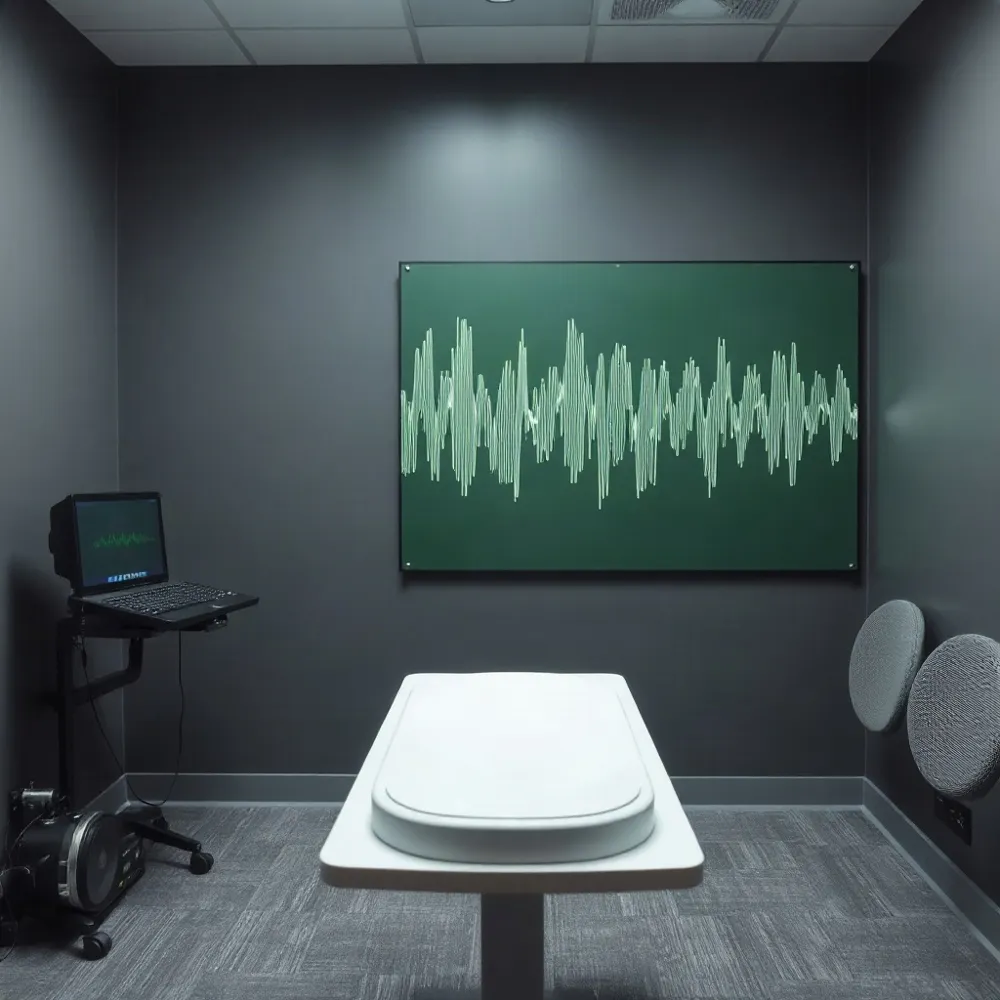
 Establishing a successful workers' compensation claim for hearing loss requires moving beyond subjective complaints to provide objective proof of injury. Because occupational auditory impairment often develops gradually, NorCal Medical Consulting emphasizes the use of professional audiometric testing to create a quantitative baseline of hearing impairment. This testing is necessary to differentiate work-related damage from non-occupational factors such as age or lifestyle.
The diagnostic role of audiologists and ENT specialists is central to this verification process. These clinicians provide the necessary medical link between documented noise exposure and specific auditory deficits. Our team at norcalmedgroup.com facilitates this by coordinating comprehensive evaluations that align medical findings with legal definitions, similar to the standards outlined in Hearing Disabilities in the Workplace and the Americans with Disabilities Act. This clinical data serves as the foundation for both insurance adjustments and any requirement for reasonable workplace accommodations.
Documenting safety equipment usage remains a strategic necessity to defend against insurer challenges that attribute loss to employee negligence. Detailed records regarding consistent hearing protection use, combined with noise exposure logs and decibel measurements, provide factual corroboration of the work environment. In contrast to generic assessments, our Detailed Workplace Injury Assessments incorporate these variables to build a resilient claim narrative. This evidence successfully bridges the gap between complex technical metrics and the legal requirements needed to substantiate a compensable workplace injury.
- Professional audiometric testing to define the injury baseline.
- Clinical documentation from an ENT specialist establishing causation.
- Employment records cross-referenced with duration and intensity of noise exposure.
- Logs of safety protection usage to mitigate potential defense strategies.
ADA Protections and Workplace Accommodations
Under Title I of the Americans with Disabilities Act (ADA), private employers with 15 or more employees and government agencies are prohibited from discriminating against qualified individuals with hearing loss. The EEOC defines hearing disability broadly, covering those whose hearing is substantially limited, including individuals who use mitigating measures such as hearing aids or cochlear implants. Employers are legally mandated to provide reasonable accommodations to ensure these individuals can perform essential job functions and enjoy equal employment opportunities.
Navigating the Interactive Process
When an employee discloses a hearing impairment, employers must engage in an interactive process to identify effective accommodations. Medical evidence often bridges the gap here, as documented auditory limitations provide the necessary foundation for determining job-related needs. For those managing complex claims, norcalmedgroup.com offers collaborative support to ensure that medical evaluations accurately reflect an individual's functional requirements. This partnership helps organizations navigate legal compliance by grounding accommodation requests in objective, evidence-based data.
The ADA strictly limits the ability of employers to conduct disability-related medical inquiries or examinations at the pre-offer, post-offer, and employment stages. While these protections ensure that applicants are evaluated based on their qualifications, maintaining precise documentation remains critical. Through Detailed Workplace Injury Assessments, specialists help clarify the relationship between auditory status and workplace duties. By focusing on evidence-based expertise, employers can fulfill their obligation to provide reasonable accommodations while avoiding potential discrimination concerns. Ultimately, this structured approach enables individuals with hearing loss to thrive in their roles while maintaining full compliance with federal standards.
The Role of Experts in Bridging Technology and Law
Expert witnesses play a critical role in personal injury and medical litigation by providing specialized, evidence-based insights that help courts navigate complex technical or medical issues. By distilling intricate clinical data, such as the findings from Hearing Loss Evaluation assessments, into professional, actionable evidence, they bridge the gap between niche healthcare expertise and the needs of a legal or jury-based environment. Their participation ensures that cases are supported by objective, high-level analysis, which is essential for the accuracy and integrity of insurance and legal claims.
These practitioners act as impartial authorities, reinforcing the factual foundation of a case through their documented expertise. NorCal Medical Consulting provides Expert Witness Services that help rebut defense claims by offering detailed, evidence-based counter-opinions when insurers challenge the severity or causation of an injury. Unlike some generalist evaluators, specialized experts rely on recognized scientific methodologies, which is essential under Federal Rules of Evidence Rule 702, ensuring that testimony stands up to judicial scrutiny.
Beyond medical causation, vocational and economic experts are often necessary to calculate long-term damages, including diminished earning potential and the necessity for specific Workplace Injury Assessments. Because professional organizations like the American Academy of Orthopaedic Surgeons now enforce strict standards of professionalism, experts must maintain transparency. This rigorous peer review ensures that evidence remains credible and aligned with industry standards, preventing the confusion that often arises from unqualified testimony.
Standards for Professional Medical Record Creation
Professional medical record documentation must adhere to the Five Cs: clarity, conciseness, completeness, correctness, and confidentiality. These standards ensure diagnostic accuracy and transform clinical notes into reliable evidence for legal or insurance proceedings. Practitioners at norcalmedgroup.com employ these protocols to ensure every evaluation meets rigorous standards for defensibility.
Maintaining clinical accuracy for defensible legal records
Effective documentation requires the use of standardized medical terminology, proper grammar, and universally accepted abbreviations. By avoiding colloquialisms or irrelevant subjective descriptions, clinicians build a streamlined narrative that remains intelligible to external reviewers. While some firms rely on generic reporting methods, norcalmedgroup.com prioritizes evidence-based findings to support complex workplace injury claims effectively.
Implementing real-time entries and standard terminology
Documentation should occur in real-time to avoid the cognitive errors and data omissions associated with delayed reporting. Every clinical entry must include an accurate date, precise time, and professional signature to establish a verified chain of custody. Adherence to HIPAA standards remains vital, ensuring that patient privacy is protected while legal requirements for disclosure are met. These granular practices act as a safeguard against claim disputes, mirroring the technical precision required for hearing loss evaluations in industrial settings.
Maximizing Outcomes Through Comprehensive Documentation Excellence
Medical records act as the primary evidence in injury claims, functioning as the vital link between a workplace incident and verified compensation. When documentation is incomplete or inconsistent, insurance providers are more likely to contest claims or minimize payouts. By utilizing Detailed Workplace Injury Assessments, claimants can ensure that diagnostic results and treatment progress remain objective and defensible against common insurance denial tactics.
Evidence-based preparation serves as the most effective strategy for both injured workers and healthcare providers. Professional documentation should create a clear, chronological narrative of the injury, directly connecting specific job functions to the resulting impairment. When claims involve technical challenges like occupational hearing loss, entities such as NorCal Medical Consulting provide the specialized assessments required to substantiate complex auditory claims under EEOC guidance for hearing disabilities.
The future of successful litigation relies on the meaningful integration of expert clinical oversight. As Trusting Expert Witness Services demonstrate, independent and evidence-based testimony from medical experts is increasingly essential to bridge the gap between complex health data and the legal standards for recovery. Through Comprehensive Case Reviews & Consultations, providers help attorneys and adjusters navigate the complexities of long-term disability, ensuring that every claim rests on a foundation of verifiable medical precision rather than speculative reporting.