What Audiology Experts Contribute
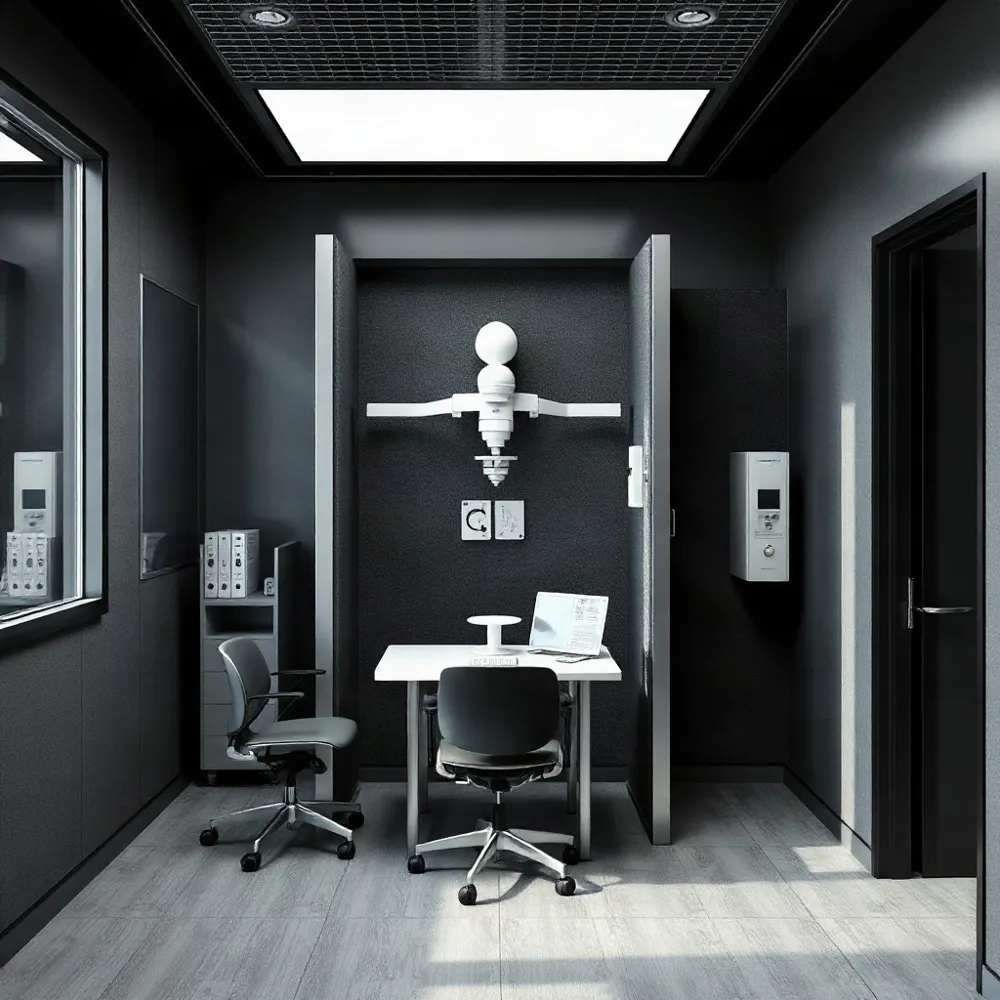
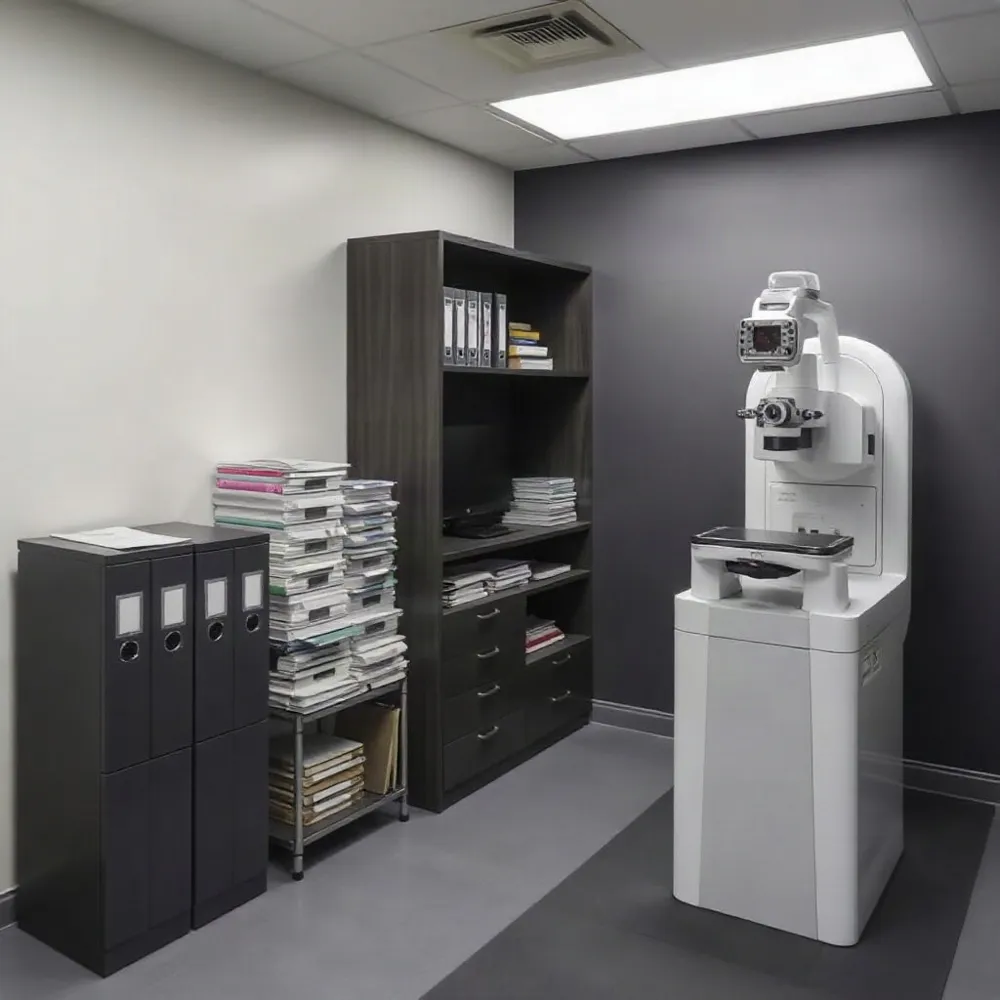
Audiology expert-witness services help parties assess hearing-test evidence, the nature and extent of hearing loss, and whether workplace noise may have caused or contributed to the condition. The expert interprets medical findings in the context of the worker’s history and reported exposures.
For adjusters, attorneys, and injured workers, NorCal Medical Consulting provides independent medical evaluations, chart-based reviews, written reports, and testimony in occupational hearing-loss matters. Its work includes claims under the Longshore and Harbor Workers’ Compensation Act and the Defense Base Act, which extends the LHWCA to qualifying overseas employment.
A review may examine audiograms, medical records, noise exposure, and other potential explanations for a worker’s hearing findings. NorCal Medical Consulting also offers auditory evaluations using Auditory Steady-State Response testing across 500 Hz to 4,000 Hz, including 3,000 Hz, which is relevant to the Department of Labor’s Sixth Edition rating schedule.
The medical opinion can clarify what the evidence supports and identify gaps or conflicting findings. It does not determine legal coverage, benefit entitlement, or the outcome of a claim. Those questions remain for the parties and the appropriate decision-maker under the governing law.
Building a Reliable Audiology Review
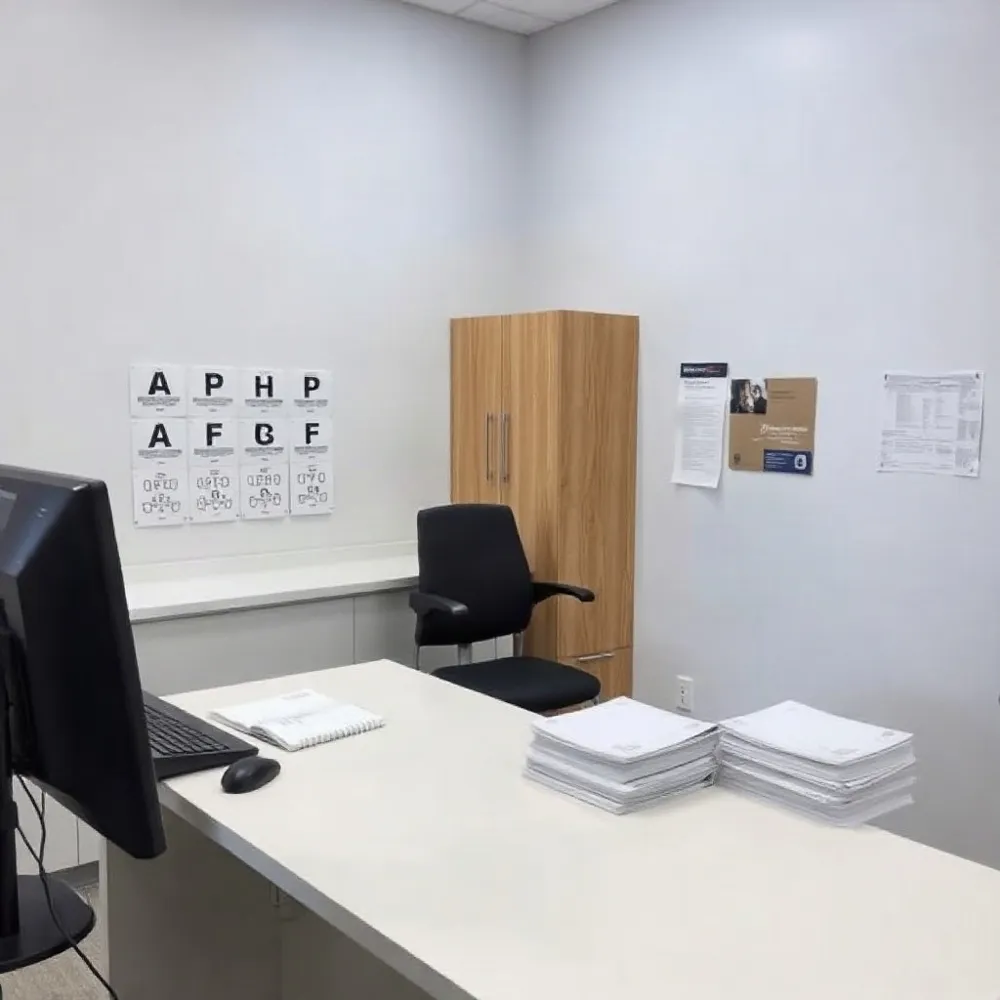 A reliable audiology review tests whether the available evidence supports a clear account of hearing status and possible causes. NorCal Medical Consulting conducts chart-based reviews and independent evaluations, including Auditory Steady-State Response testing from 500 Hz to 4,000 Hz when appropriate.
An expert may compare audiograms and speech-recognition results with tympanometry, otoacoustic emissions, and auditory brainstem response findings. Reviewing what each test measures, how it was performed, and how it was interpreted can help explain differences between results. For a broader description of how these measures fit into a claim review, see audiological testing for hearing-loss claims.
Build the history and record set
The history should cover occupational and nonoccupational noise, exposure dates and duration, hearing protection, prior ear conditions, medications, symptom timing, and earlier hearing tests. Baseline and follow-up audiograms can show change over time, while medical reports, referrals, treatment records, and hearing-aid records add clinical context.
Workplace records matter too. Noise measurements, safety documentation, hearing-conservation records, and information about equipment can help place test findings in the worker’s actual exposure history. For federal claims, our team aligns documentation with OWCP standards from the outset.
Incomplete or conflicting findings call for careful review, not an automatic conclusion about workplace causation. The evaluator may examine calibration and testing conditions, consider repeat testing, and assess other explanations such as aging, infection, earwax, or disease. The U.S. Department of Labor’s LHWCA hearing-loss benchbook provides federal adjudication context for hearing-loss issues.
A reasoned report explains how case-specific findings relate to the methods used, identifies limitations and alternative causes, and states conclusions in accessible language. Written analysis or testimony can help clarify disputed medical opinions, while leaving the ultimate decision to the adjudicator.
Noise Exposure and Hearing Outcomes
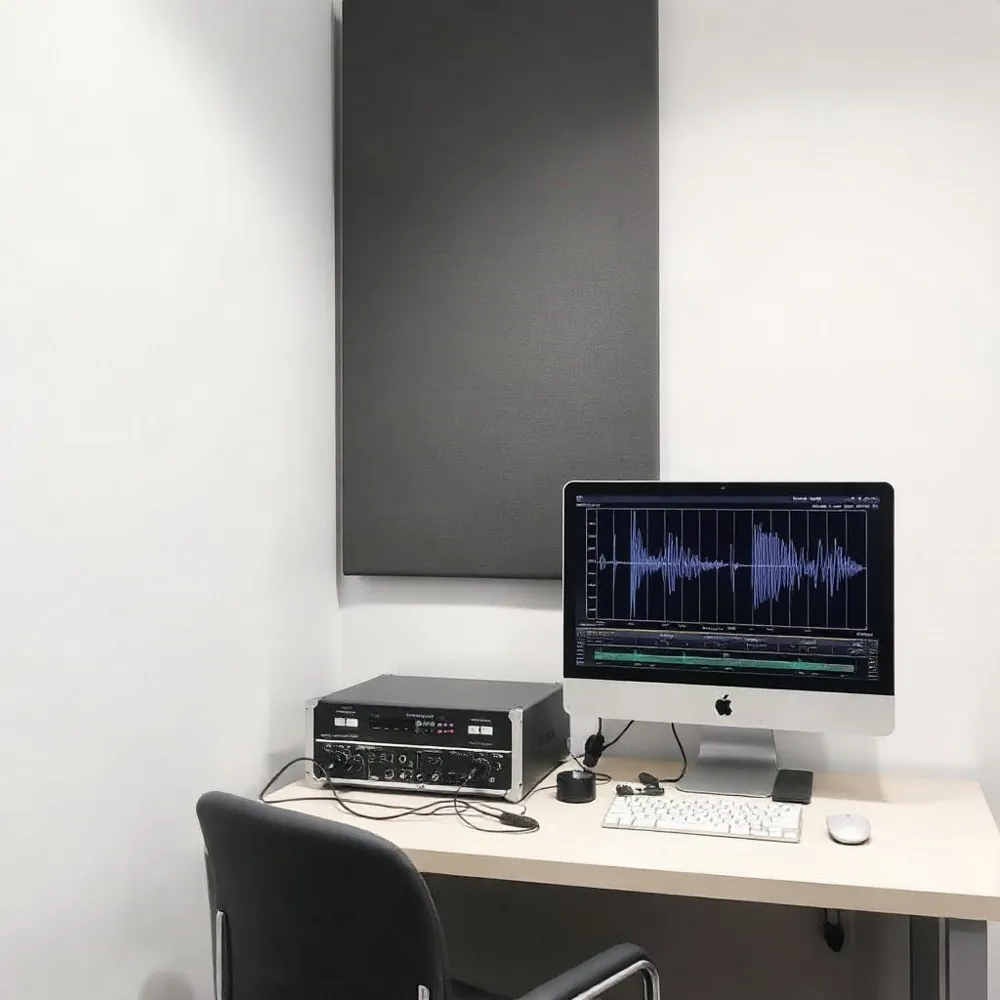 Noise-related hearing risk depends on sound intensity, exposure duration, and how often exposure occurs. A brief impulse such as an explosion or gunshot can injure hearing, while repeated exposure to engines, tools, aircraft, or heavy machinery may cause gradual loss.
Under OSHA’s 29 CFR 1910.95, an eight-hour time-weighted average of 85 dBA triggers hearing-conservation requirements, while the permissible exposure limit is 90 dBA over eight hours. These workplace limits do not guarantee that lower exposure is harmless to every person. A claim review should consider sound levels, duration, frequency of exposure, and the type and use of hearing protection.
What noise exposure can cause hearing loss?
The four Ps offer a general teaching aid: painless, progressive, permanent, and preventable. Damage may develop without pain, repeated hazardous exposure can worsen it, and established noise-related inner-ear damage is generally not reversible. Preventive controls and effective hearing protection can reduce risk, but the mnemonic does not replace case-specific exposure and audiometric evidence.
What are the four Ps of occupational noise-induced hearing loss?
Not all hearing loss has the same cause or course. Conductive loss, which may result from earwax or some middle-ear conditions, can sometimes improve with treatment. Noise-related sensorineural loss generally reflects damage to inner-ear structures and is usually permanent. Hearing aids and other assistive devices can improve access to sound, but they do not restore damaged hair cells.
Can hearing loss be corrected?
Sudden hearing loss that develops over hours or days requires urgent medical evaluation. Tinnitus and difficulty understanding speech in background noise may also be relevant symptoms, but their significance in a particular claim depends on medical documentation and the governing rules. NorCal Medical Consulting conducts occupational hearing-loss evaluations using ASSR testing from 500 Hz to 4,000 Hz, including the 3,000 Hz frequency identified in its practice description as required under the Department of Labor’s Sixth Edition schedule. Its case reviews consider test findings alongside exposure and medical records.
For background on how exposure intensity and duration relate to workplace hearing outcomes, see noise-induced hearing loss in occupational settings.
Federal Claim Frameworks and Deadlines
 The Longshore and Harbor Workers’ Compensation Act (LHWCA) and Defense Base Act (DBA) apply only when statutory and employment requirements are met. The DBA extends LHWCA provisions, with exceptions, to qualifying overseas employment, and the U.S. Department of Labor’s Office of Workers’ Compensation Programs administers DBA claims. The Department’s DBA FAQ is an informational aid, not a complete or authoritative statement of agency policy.
The DBA can cover qualifying work for private employers on U.S. military bases or other lands used for U.S. military purposes abroad, certain U.S. government public-work contracts, certain overseas contracts funded under the Foreign Assistance Act, and specified welfare or similar services for the Armed Forces. A job title alone does not establish coverage; the contract and employment circumstances matter.
What is the LHWCA statute of limitations for a claim involving occupational hearing loss?
A claim generally must be filed within one year after injury or death. For an occupational disease that does not immediately result in disability or death, the filing period generally runs from when the employee knew, or should have known, of the relationship among the disease, disability, and employment. Notice requirements also apply, and the facts can affect when each period begins. The LHWCA Benchbook’s hearing-loss topic offers additional legal reference material, but claims should be reviewed promptly under the applicable law.
What does the Defense Base Act cover?
The DBA extends compensation and medical benefits to eligible civilian employees injured in covered overseas employment, and death benefits to eligible survivors. Coverage depends on the worker’s employment and the contract, not simply the location of work or the worker’s title. A medical-legal review can assess hearing evidence and medical causation, but it cannot decide legal coverage or determine a filing deadline.
NorCal Medical Consulting provides independent evaluations and chart-based reviews for LHWCA and DBA hearing-loss claims, with documentation aligned to OWCP standards. For a case-specific deadline or coverage determination, consult the applicable statute, regulations, and case law with qualified legal counsel.
Impairment, Disability, and Claim Value
Hearing impairment, legal disability, and compensation are related, but they are not interchangeable. An audiogram documents hearing thresholds and may contribute to an impairment calculation; the governing system and its rating rules determine how those findings are used. The Department of Labor’s LHWCA hearing-loss benchbook provides legal context, but case-specific rules and evidence still matter.
NorCal Medical Consulting conducts auditory-loss evaluations using Auditory Steady-State Response (ASSR) testing from 500 Hz to 4,000 Hz, including 3,000 Hz, identified in the practice description as required under the Department of Labor’s Sixth Edition Schedule for Rating Permanent Impairments. ASSR results can inform an evaluation, but no single test establishes causation or entitlement. Learn about NorCal Medical Consulting’s hearing-loss evaluations.
Is hearing loss considered a disability?
Hearing loss can qualify as a disability under the Americans with Disabilities Act (ADA) if it substantially limits hearing or another major life activity. The ADA also covers people with a record of such an impairment or who are regarded as having one. Assessment is individualized, and no single hearing-test threshold decides the question.
Hearing aids and cochlear implants are not treated as mitigating measures when deciding whether an impairment substantially limits a major life activity. ADA status is separate from workers’ compensation eligibility and impairment ratings.
How is the value of a hearing loss claim determined?
Claim value depends on the applicable compensation system and evidence of impairment, work-relatedness, and any resulting wage loss. Reliable test results, occupational and medical history, wage evidence, and the type and duration of benefits allowed under the governing rules all matter. No average payout can predict an individual claim without review of its medical, employment, and legal record.
Retention, Fees, and Testimony
Retain an audiology expert by first sharing the relevant medical and occupational records for preliminary review, then defining the questions the expert should address and the services requested. A written agreement should set out the scope, schedule, and expectations before work proceeds. This sequence helps our team frame a review around the claim’s actual medical issues.
Negotiate expert witness fees; they are not set by a universal rate. The amount may reflect the expert’s qualifications, record volume, examination or testing, report preparation, deposition or trial time, and travel. Request a written fee schedule covering each service, cancellation charges, billing increments, retainer requirements, and payment deadlines.
In federal civil litigation, Federal Rule of Civil Procedure 26(b)(4)(E) generally requires a party seeking discovery to pay a court-ordered reasonable fee for the expert’s time responding to discovery, subject to stated exceptions. Confirm the rules for the specific forum, since federal administrative and state proceedings may follow different procedures.
Testimony gives the expert a chance to explain the methods used, what the results show, and where the evidence has limits. In occupational hearing-loss cases, our physicians can clarify how audiometric findings and the work history support, or do not support, a medical conclusion. No expert can promise admissibility or a particular outcome; the applicable evidentiary standard and forum govern.
A Clear Record Supports Better Review
Preserve audiograms, reports, noise-exposure records, and notes about when symptoms began. Identify missing baseline or follow-up tests, and arrange a timely medical evaluation if the record does not explain the worker’s hearing status or possible causes.
NorCal Medical Consulting provides independent evaluations, chart-based reviews, written opinions, and testimony in federal occupational hearing-loss matters. Our team can organize technical findings for adjusters, attorneys, injured workers, and decision-makers, while the applicable law and claim facts determine coverage, deadlines, and benefits.
For Defense Base Act claims, the U.S. Department of Labor’s DBA FAQ describes how the Act extends the LHWCA and sets out general claim procedures. The DOL’s LHWCA hearing-loss Benchbook provides a reference on hearing-loss issues; case-specific legal questions still require review of current law and the individual record.