Understanding the Importance of a Structured Response to Workplace Injuries
Significance of Immediate Action
When a workplace injury occurs, swift and structured response is critical. Immediate safety checks and first aid not only protect the injured employee but also prevent further harm. Rapid medical evaluation ensures accurate diagnosis and effective treatment, which can greatly influence recovery outcomes.
Impact of Proper Management on Recovery and Claims
Proper injury management involves thorough documentation including incident details, witness statements, and photographic evidence. This documentation is vital for regulatory compliance and smooth processing of workers’ compensation claims. Early reporting to supervisors and insurance providers establishes an official record and supports legal rights. Structured communication and follow-up, including accommodations for modified duties, facilitate an effective return-to-work process and help employees recover physically and emotionally.
Overview of Stepwise Guidance
Key steps include immediate injury assessment, notification to relevant parties, filing workers’ compensation paperwork, and ongoing medical care coordination. In-depth investigation of injury causes helps update safety protocols and prevent recurrence. Employers implementing return-to-work programs benefit by reducing downtime, improving morale, and maintaining productivity while supporting injured workers through recovery stages. Maintaining open communication among all stakeholders throughout this process strengthens a culture of safety and accountability.
Immediate Response and Safety Measures After an Injury
What immediate actions should be taken following a workplace injury?
The first priority after a workplace injury is to conduct an immediate safety checks of the area to prevent further harm. Ensuring that the environment is secure protects both the injured employee and responders before assistance is given.
Following area safety confirmation, prompt administration of first aid for workplace injuries is essential to stabilize the injured worker. Medical evaluation after workplace injury should occur quickly to assess injury severity and provide appropriate treatment. Early medical attention can prevent complications and contribute to smoother recovery.
Notifying supervisors of injury plays a critical role in managing incidents efficiently. Supervisors and internal safety or human resources personnel must be informed without delay. This step initiates proper documenting employee injury incidents, a requirement for workers’ compensation claims and regulatory compliance.
Together, these steps—area safety verification, emergency treatment for injured workers, and reporting workplace injury—form the foundation of effective workplace injury response, safeguarding employee health and facilitating claims processing.
Comprehensive Documentation and Reporting for Claims and Compliance

How should workplace injuries be documented and reported?
Effective management of workplace injuries begins with thorough and precise documentation. This includes capturing detailed incident descriptions, collecting witness statements and injury photos, and taking photographs or videos of the accident scene and contributing conditions. These steps ensure a robust evidentiary foundation that supports insurance claims and informs preventive measures.
Injuries must be promptly reported to supervisors, human resources, and workers' compensation insurers typically within 24 to 72 hours. This timeliness aids in establishing an official record of the event, which is critical for legal compliance and claim validity. For more details on notifying supervisors of injury and reporting workplace injury and filing incident reports and documenting workplace incidents, refer to established guidelines.
Beyond internal reporting, regulatory requirements—such as those from OSHA—demand that certain serious injuries be reported immediately or within specific timeframes. Employers must submit accurate incident reports and investigate workplace incidents including workers’ compensation forms and OSHA hearing loss recording criteria when applicable, to maintain compliance and facilitate claims processing.
Equally important is the maintenance of comprehensive medical records. Employers and employees should keep detailed documentation of all treatments, diagnoses, prescribed medications, and medical expenses. Such records reinforce the link between the injury and workplace exposure and support ongoing claim evaluations, appeals, and legal proceedings if necessary. See more on medical evaluation after injury and organizing medical records and workers' compensation communication and managing injury recovery.
Ultimately, a systematic reporting and documentation process not only safeguards employee rights and benefits but also strengthens workplace safety culture through root cause analysis and workplace injury management steps and updating workplace safety protocols.
Medical Treatment, Recovery Support, and Return-to-Work Planning
What medical and support steps facilitate effective recovery after a workplace injury?
Prompt and comprehensive Prompt Injury Evaluation and Post-Accident Protocols is essential immediately following any workplace injury, even if the injury appears minor. This initial care ensures Immediate Medical Care for Injuries, accurate diagnosis, prevents further complications, and lays the foundation for appropriate treatment.
Following healthcare provider recommendations closely, including attending all medical appointments and adhering to prescribed therapies, supports optimal recovery. Recording injury details and treatments is important for managing workers' compensation claims effectively.
Supporting employees throughout their recovery entails maintaining open communication among the injured worker, employer, insurance providers, and healthcare professionals. This coordination fosters a collaborative environment that encourages healing and timely updates regarding the employee’s condition. See Communication During Recovery and Open Communication on Safety and Improvements.
To facilitate a smooth and safe reintegration into the workplace, developing individualized return-to-work programs is crucial. These plans should be medically guided and tailored to accommodate the employee’s current physical capabilities, often incorporating Modified duties for injured employees or adjusted schedules to gradually restore full productivity.
Recognizing and managing the emotional and psychological impacts of workplace injuries—such as stress or anxiety related to recovery and job security—is a vital aspect of holistic care. Employers can offer resources and support services to assist employees in coping during this transitional period.
By integrating prompt medical care, continuous communication, personalized work accommodations, and emotional support, organizations can effectively promote recovery and successful return-to-work outcomes for injured employees.
Investigating Causes and Enhancing Workplace Safety Post-Injury
How should workplaces investigate injuries and improve safety to prevent future incidents?
Workplace injury investigations must prioritize identifying root causes rather than assigning blame. A collaborative approach involving both management and employees ensures a comprehensive analysis of all factors contributing to the incident. Effective investigations delve into systemic issues like procedural failures, inadequate training, or outdated equipment that might have played a role (Incident Investigation Overview, Investigating Workplace Incidents).
Once root causes are identified, safety protocols should be updated to address those weaknesses. This may include revising procedures, upgrading equipment, or enhancing employee training programs to fill knowledge gaps. Incorporating these findings into safety policies strengthens overall workplace safety and reduces the likelihood of repeat incidents (OSHA Incident Investigation Resources, Updating workplace safety protocols).
Regular safety audits and proactive risk assessments are essential components of a robust injury prevention strategy. These routine checks help identify emerging hazards before they cause harm. By continuously monitoring workplace conditions, employers can adapt safety measures responsively (Regular Safety Audits and Risk Assessments, Steps to reduce workplace injuries).
Moreover, fostering a strong safety culture through ongoing communication and leadership commitment is vital. Encouraging open dialogue about hazards, incident findings, and improvements empowers employees to take ownership of safety practices. This culture of accountability, paired with well-enforced protocols, significantly lowers workplace injury risks (Open Communication on Safety and Improvements, Employee Safety Procedures).
Continuous improvement based on incident learnings ensures workplace safety evolves alongside operational changes. Ultimately, systematic investigation combined with persistent safety enhancement drives effective prevention of future injuries (Corrective Actions After Incident Investigation, Workplace Injury Investigation and Root Cause Analysis).
Navigating Legal and Compensation Frameworks Post-Injury
What legal and compensation steps should injured workers and employers be aware of?
Workers’ compensation is a no-fault insurance system that provides injured employees with benefits to cover medical expenses, wage replacement, and rehabilitation costs following workplace injuries. Prompt filing of workers’ compensation claims is critical and typically required within strict deadlines to ensure timely processing and financial support during recovery.
What are the legal rights and protections for injured employees?
Employees have the right to file workers’ compensation claims and receive appropriate medical treatment while protected from employer retaliation. Laws protect injured workers from adverse actions, and maintaining thorough documentation — such as medical records, incident reports, and witness statements — is essential to substantiate claims and uphold these rights.
Are there special considerations for occupational hearing loss claims?
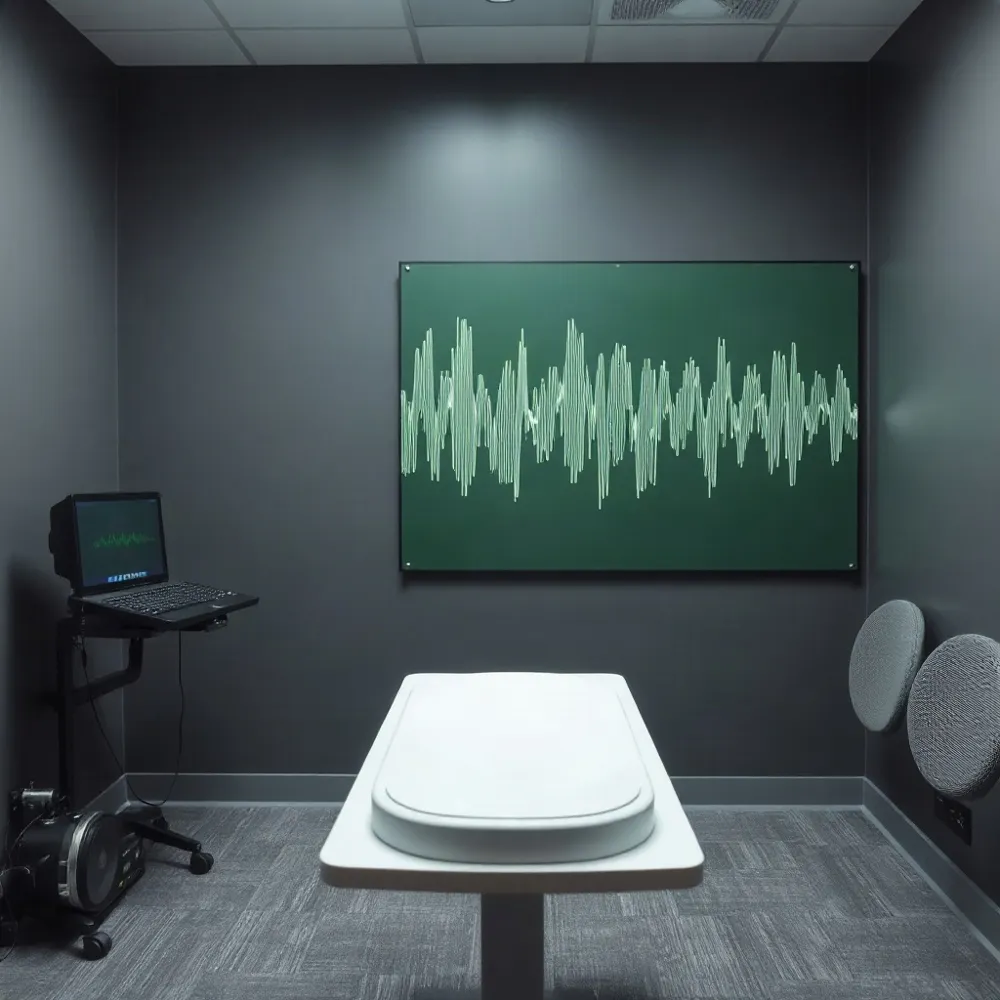
Hearing loss due to workplace noise exposure requires careful medical evaluation after workplace injury and documentation to establish work-relatedness. Audiometric testing occupational hearing loss and noise exposure records support claims, which often involve complex evidence. Workers’ compensation benefits may include medical care, rehabilitation, and disability payments specific to hearing loss. For detailed legal and compensation guidance on hearing loss claims, see workers' compensation for occupational hearing loss.
When should injured workers seek legal guidance?
Legal assistance is advisable when claims involve disputes, denials, complexities in evidence, or employer misconduct. Attorneys specializing in workers’ compensation can aid in gathering evidence, navigating processes, appealing decisions, and negotiating settlements to protect workers' rights and secure fair compensation.
What timelines and documentation are necessary for claims?
Injured workers must notify their employers and file claims within state-specific statutory deadlines — commonly within days to weeks after injury. Detailed documentation including incident reports, medical evaluations, treatment records, and communication logs are vital to validate claims and comply with regulatory requirements.
| Aspect | Description | Importance |
|---|---|---|
| Workers’ Compensation Claims | Timely filing with accurate details | Ensures benefits and legal compliance |
| Legal Protections | Right to treatment and protection against retaliation | Safeguards employee rights |
| Hearing Loss Claims | Requires audiometric tests and exposure proof | Supports complex claim validation |
| Legal Guidance | Needed for disputes or claim complexities | Maximizes chances of favorable outcomes |
| Documentation & Timelines | Incident reports, medical records, prompt notice | Critical for claim approval and defense |
Building a Safer and More Responsive Workplace Environment
Stepwise Injury Management in the Workplace
Effective injury management begins with immediate safety evaluation and emergency response to protect the injured employee and others nearby. Prompt medical triage—whether through onsite clinics, nurse lines, or urgent care facilities—ensures accurate assessment and reduces complications. Thorough documentation of the incident, including witness accounts and photographic evidence, supports workers' compensation claims and regulatory compliance.
Benefits of Structured Protocols
Implementing clear, stepwise protocols—such as timely incident reporting to supervisors and insurance providers, filing workers’ compensation paperwork, and coordinating medical follow-ups—facilitates a streamlined recovery process. Tailored return-to-work plans, including modified duties aligned with medical restrictions, minimize downtime and foster employee morale. Root cause analyses of injuries enable continuous safety improvements and prevent recurrence.
Commitment to Ongoing Safety
A culture that prioritizes safety through regular risk assessments, employee training, and open communication strengthens workplace accountability. Consistent investigation of incidents helps identify systemic hazards, leading to updated safety policies and equipment upgrades. Sustained commitment to these practices not only reduces injury rates but also enhances overall productivity and employee well-being.