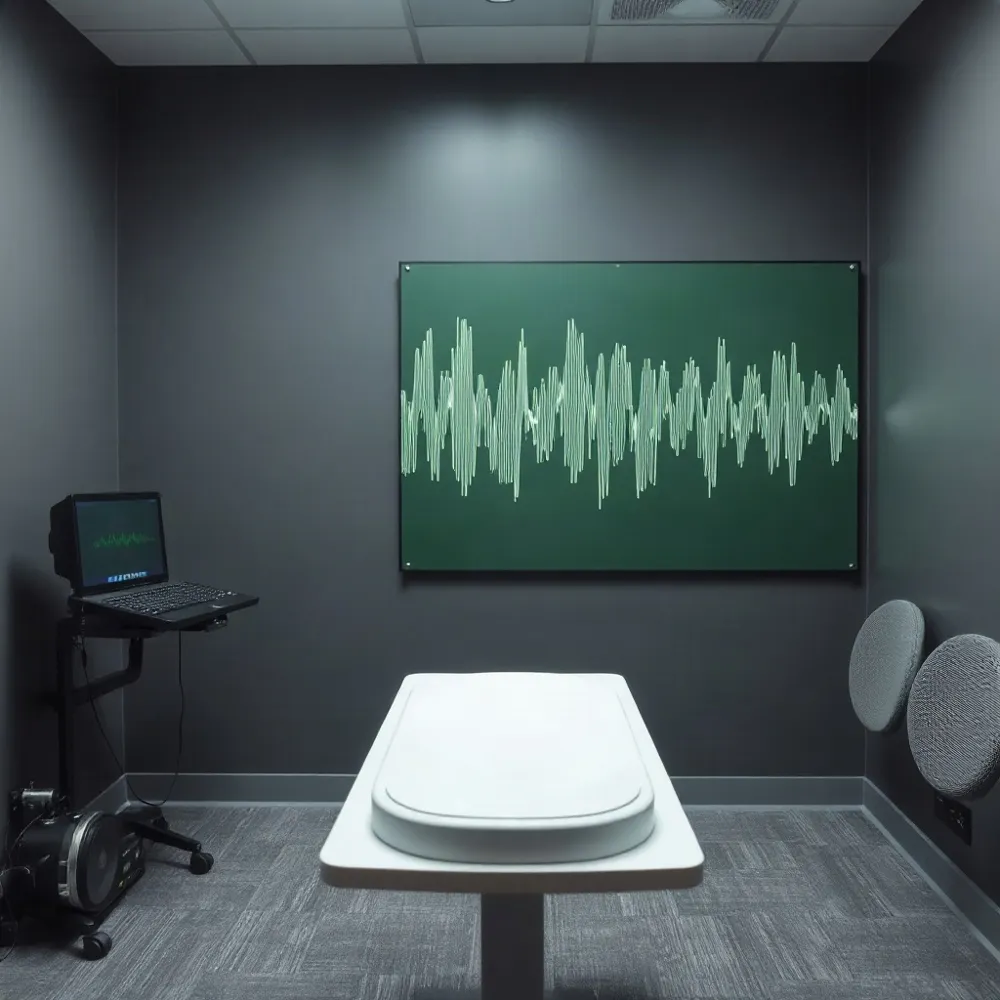
Setting the Stage for Auditory Health in the Workplace
Hearing impairment remains a significant public health issue affecting millions globally, with profound implications in employment settings. This article explores the prevalence, causes, risk factors, and impacts of hearing loss related to workplace exposure. It further examines industry-specific data, evaluation methods, legal frameworks, demographic disparities, prevention strategies, and the economic and societal consequences. By delving into the multifaceted challenges and advancements surrounding auditory loss evaluation and workplace claims, this narrative aims to inform stakeholders about critical considerations and best practices in managing occupational hearing health.
Global Prevalence and Incidence of Hearing Impairment
What is the prevalence and incidence of hearing impairment and auditory loss?
Hearing loss is a widespread health issue affecting a significant portion of the global population. As of 2019, approximately 1.57 billion people worldwide experienced some degree of hearing impairment. Among them, around 430 million individuals had moderate or higher severity hearing loss, which renders intervention more urgent. This includes roughly 34 million children who are affected by hearing problems.
The distribution of hearing loss is heavily skewed towards older adults; over a quarter (more than 25%) of individuals over age 60 live with disabling hearing difficulties, which impair communication and social participation. The burden is also uneven geographically, with the majority of those affected residing in low- and middle-income countries, where access to healthcare and hearing services may be limited.
From 1990 to 2019, the number of people with moderate-to-complete hearing loss increased dramatically by approximately 79.1%, from 225.3 million to over 403 million cases. This surge is mainly attributable to global population growth and ageing demographics.
Looking into the future, the situation is projected to worsen considerably. By 2050, the total number of individuals with hearing loss is expected to reach approximately 2.45 billion—an increase of about 56.1% since 2019. This rise emphasizes the urgent need for preventive strategies, early detection, and accessible hearing healthcare services.
Hearing impairment has been recognized as one of the top contributors to years lived with disability worldwide, ranking third among all causes. It significantly impacts quality of life, communication, and the economy, making it a crucial public health concern that demands coordinated global efforts.
| Region | Estimated Cases (millions) | Percentage of Global Patients | Notable Characteristics |
|---|---|---|---|
| Western Pacific | 127+ | Highest regional burden | Largest population with moderate-to-severe hearing loss |
| Africa | Included in overall statistics | Growing but underreported | Limited access to hearing care resources |
| Europe and North America | Significant but stabilized | Older adult populations | Higher access but rising prevalence among elderly |
This data underscores the escalating challenge of hearing health worldwide, reinforced by the demographic shifts and socioeconomic disparities that shape access to necessary care.
Common Causes and Types of Work-Related Auditory Disabilities
What are the common causes and types of work-related auditory disabilities?
Work-related auditory disabilities often stem from prolonged exposure to loud sounds in occupational environments. The leading cause is noise-induced hearing loss (NIHL), which results from continuous exposure to noise levels exceeding 85 decibels—common in industries like manufacturing, construction, mining, agriculture, and transportation.
NIHL causes irreversible damage to the cochlea within the inner ear, particularly affecting the hair cells responsible for translating sound vibrations into signals for the brain. This damage leads to sensorineural hearing loss, which is the most prevalent form of occupational deafness.
Aside from noise, other occupational causes include exposure to ototoxic chemicals such as solvents, heavy metals, and certain medicines that can damage hearing structures or affect auditory processing.
Traumatic injuries from explosions, blasts, or sudden impacts can also induce hearing loss or tinnitus. Infections acquired or aggravated in the workplace, such as ear infections, can contribute to temporary or permanent hearing impairment.
Types of exploitations and their symptoms
| Type | Description | Common Symptoms | Associated Conditions |
|---|---|---|---|
| Sensorineural | Damage to inner ear or auditory nerve | Difficulty understanding speech, tinnitus | Often permanent, worsened by age |
| Conductive | Obstruction or damage in outer/middle ear | Muffled hearing, ear fullness | Often treatable if caught early |
| Mixed | Combination of sensorineural and conductive | Symptoms of both types | Complex treatment needed |
Understanding these causes and types underscores the importance of preventive measures. Regular hearing screenings, use of hearing protection, and careful management of ototoxic substances are vital. Since there are no cures for sensorineural hearing loss once established, prevention remains the most effective strategy against work-related auditory disabilities.
Risk Factors for Hearing Impairment in the Workplace
What are the risk factors associated with hearing impairment in employment settings?
Occupational hearing loss is a significant concern worldwide, with various factors contributing to increased risk among workers. One primary risk factor is exposure to loud noise environments. OSHA and NIOSH set standards indicating that noise levels at or above 85 decibels (dBA) over an 8-hour work shift are hazardous. Industries such as manufacturing, construction, mining, and transportation often have noise levels exceeding these thresholds, leading to irreversible damage if proper precautions are not taken.
In addition to noise, chemical ototoxicity plays a role in hearing impairment. Substances like toluene, lead, and certain solvents used in manufacturing can damage the auditory system, especially when combined with noise exposure. Workers handling such chemicals without adequate protection face increased risks.
Physical trauma, such as exposure to blast injuries or sudden loud impacts, can also cause hearing damage. Events like explosions or accidental loud noises can produce immediate and profound hearing loss if appropriate safety measures, like ear protection, are not employed.
Individual susceptibility varies based on factors like age, genetic predisposition, and overall health. Older workers often have higher baseline risks, and some individuals may have a genetic tendency to noise-induced damage or slower recovery.
Workplace environmental factors significantly influence risk levels. High background noise, poor maintenance of equipment, and absence of hearing conservation programs contribute to higher incidence rates. Lack of awareness and inadequate use of hearing protection further exacerbate the problem.
Preventing occupational hearing loss involves controlling these risks through engineering controls like sound dampening, administrative policies such as limiting exposure durations, providing suitable hearing protection devices, and conducting regular health surveillance.
For more detailed information, search with the query: "Occupational risk factors for hearing impairment".
Scientific Insights into Occupational Hearing Damage
What does scientific research indicate about occupational hearing damage?
Research across multiple studies consistently shows that damage to the auditory system in occupational settings is primarily caused by injuries to cochlear hair cells and neural pathways, resulting from prolonged exposure to high noise levels. These harmful levels are generally recognized as exceeding 85 decibels, as per OSHA and NIOSH standards.
Occupational noise exposure is often compounded by chemical hazards, such as ototoxic substances, which can enhance the damaging effects on hearing mechanisms. This combination increases the likelihood and severity of hearing impairment.
The most crucial and challenging aspect of occupational noise-induced hearing damage is its irreversibility. Unlike many conditions, once cochlear hair cells are damaged or destroyed, they do not regenerate, making prevention paramount.
Epidemiological data reveal that noise-induced hearing loss (NIHL) is one of the most common occupational illnesses worldwide, affecting millions of workers in sectors such as manufacturing, construction, and transportation. Progress in understanding the biological mechanisms has highlighted how prolonged exposure causes a 'notch' in audiograms, typically around 4 kHz, reflecting early damage.
Current prevention relies heavily on controlling noise exposure through engineering solutions like sound dampening, administrative controls such as shift rotations, and personal protective equipment like earplugs and earmuffs.
Research directions are increasingly focused on discovering genetic factors that influence susceptibility, with studies exploring how individual differences affect vulnerability. Additionally, scientists are investigating potential otoprotective agents — drugs or supplements that might shield the inner ear from damage during noise exposure.
Despite advancements, no effective treatment exists to reverse NIHL once it occurs, emphasizing the importance of ongoing research into protective strategies and early detection methods.
Below is a summary table illustrating the mechanisms, prevention strategies, and research directions:
| Aspect | Details | Additional Notes |
|---|---|---|
| Mechanisms of damage | Cochlear hair cell death, neural pathway injury | Usually caused by sustained noise >85 dBA |
| Irreversibility | Damage is permanent | No hair cell regeneration |
| Combined exposures | Noise + chemical ototoxins | Amplifies hearing damage |
| Prevention methods | Engineering controls, PPE, administrative policies | Focus on early intervention |
| Research focus | Genetic susceptibility, otoprotective agents | Aims to reduce or prevent damage |
Understanding these mechanisms and interventions is crucial for managing occupational hearing health. Ongoing research continues to shed light on how best to protect workers and develop novel strategies against this prevalent occupational hazard.
Industry-Specific Statistics on Occupational Hearing Loss

What are the industry-specific statistics on occupational hearing loss?
Certain industries are notably more vulnerable to occupational hearing loss due to high noise levels. Manufacturing, construction, and mining are the sectors with the highest risks. In 2019, approximately 75.9% of all work-related hearing loss cases in the United States occurred within manufacturing industries.
Within the private sector, there were about 14,500 cases of hearing loss reported in 2019, translating to a rate of roughly 1.4 cases per 10,000 workers. This high number highlights the significant occupational hazard present in many manufacturing environments.
Focusing on subsectors within manufacturing reveals that sectors such as transportation equipment, food processing, and metal fabrication contribute notably to case volume. Workers in these segments are frequently exposed to noise levels exceeding safe limits.
Research shows that noise-exposed workers are over six times more likely to develop hearing loss compared to those not exposed to high noise levels. This stark difference underscores the importance of implementing effective hearing conservation programs.
Overall, these industry-specific statistics demand targeted interventions, including better noise control measures, the use of personal protective equipment, and routine hearing assessments. Such tailored strategies are essential to reduce the prevalence of occupational hearing loss across the most affected sectors.
Assessment and Diagnostic Criteria in Occupational Hearing Health
What methods and criteria are used to assess hearing impairment in occupational health?
Assessment of hearing impairment in the workplace relies on several standardized audiometric evaluations. The core method is pure-tone audiometry, which measures an individual's hearing thresholds across various frequencies, typically from 250 Hz to 8,000 Hz. This test helps identify the softest sounds a person can hear at each frequency.
Supporting tests include speech recognition assessments and otoacoustic emissions, which evaluate cochlear function and auditory nerve integrity. Before audiometric testing, otoscopy examines the ear canal and eardrum for obstructions or infections, while tympanometry assesses middle ear function, ensuring that the results are not affected by non-occupational issues.
A common feature in occupational noise-induced hearing loss is the presence of an audiometric notch, especially around 4 kHz. This notch appears as a dip in hearing sensitivity at this frequency and is considered a hallmark indicator of noise damage.
Baseline audiograms are established when an employee enters a noisy work environment. These act as reference points for future comparisons. Periodic testing, typically annually, monitors any shifts in hearing thresholds. Significant threshold shifts, especially if they meet or exceed regulatory criteria—such as a 10 dB increase at any frequency or a 15 dB shift averaged across 2,000, 3,000, and 4,000 Hz—trigger intervention under hearing conservation programs.
Regulatory standards provided by OSHA and NIOSH set exposure limits and require employers to implement hearing conservation measures, including regular audiometric assessments. These evaluations are essential for early detection, prevention, and management of occupational hearing impairment.
Impact of Hearing Impairment on Employment Outcomes
How does hearing impairment impact employment outcomes such as income, employment status, sick leave, and disability claims?
Hearing impairment significantly affects various employment outcomes, including earnings, job stability, and healthcare costs. Individuals with hearing loss are more likely to experience higher unemployment and underemployment rates. This is partly due to communication challenges that hinder effective workplace interactions and limit career advancement.
Studies show that untreated hearing loss can decrease annual income by as much as $30,000. Many workers with hearing difficulties must take more sick days, and they are often more prone to filing disability claims due to their impairments. The financial burden extends beyond the individual, costing society billions annually in unrealized taxes and productivity loss.
Moreover, disparities are evident among different populations. Racial minorities, such as Black and Hispanic groups, face greater socioeconomic disadvantages related to hearing loss. These disparities are compounded by limited access to affordable hearing healthcare and workplace accommodations.
The importance of early detection, effective communication aids, and workplace support cannot be overstated. These measures not only improve individual employment prospects but also reduce broader economic costs. Ultimately, addressing hearing loss in the workforce fosters greater inclusion, productivity, and economic stability for affected individuals and society as a whole.
Trends and Rates of Occupational Hearing Loss Over Time
What are the trends and rates of occupational hearing loss over time?
Occupational hearing loss has shown nuanced patterns over recent decades. Although some industries have experienced slight declines in new cases, the overall prevalence remains high, especially in manufacturing, construction, and mining sectors.
Between 2000 and 2019, data indicate fluctuations in incident rates, with some years showing modest increases. Meanwhile, the global burden, measured through Years Lived with Disability (YLDs), has steadily risen, underscoring the ongoing impact of noise exposure.
Industry-specific fluctuations are prominent. Manufacturing industries continue to report the highest exposure rates, reaching around 37%, with occupational noise-induced hearing loss (ONIHL) being the most prevalent occupational disease worldwide.
Despite technological advances and increased awareness, approximately 28 million Americans of working age experience some degree of hearing difficulty, with 30 million workers being exposed to noise levels that can cause irreversible damage.
Worsening audiograms, particularly the common 'notch' at 4 kHz frequency, highlight continuous exposure risks. Furthermore, studies reveal that the percentage of workers with self-reported hearing loss increases with age and exposure duration, confirming the chronic and cumulative nature of occupational noise harm.
Ongoing surveillance is crucial. There is an urgent need for persistent monitoring of noise exposure levels, implementation of protective measures, and education to prevent further cases. Understanding these trends helps shape policies aimed at reducing the incidence and safeguarding worker hearing health.
Legal Protections, Claims Procedures, and Compensation for Work-Related Auditory Loss
What legal protections, claim procedures, and compensation options exist for work-related auditory loss?
Workers suffering from hearing loss due to occupational exposure are safeguarded by workers' compensation laws across the United States. These laws obligate employers to cover essential expenses related to hearing impairment, including medical evaluations, hearing aids, and treatment costs, as well as providing wage replacement and permanent disability benefits where applicable.
To initiate a claim, employees must promptly report their injury or exposure incident to their employer, ideally as soon as symptoms arise. It is crucial to obtain comprehensive medical assessments, such as audiometric tests and detailed occupational history, to establish the link between noise exposure at work and the hearing loss.
Filing a claim involves submitting proper documentation to the insurance carrier or workers' compensation agency within the deadlines specified by state law. This process includes filling out claim forms accurately, providing evidence of occupational noise exposure, and attaching medical reports.
Once filed, claims are reviewed, and workers receive a decision regarding eligibility and the extent of benefits. If a claim is denied, workers have the right to appeal through administrative or judicial processes. Legal assistance from specialists in workers’ compensation law can significantly improve the chances of a successful claim and ensure fair compensation.
The range of benefits typically covers medical expenses, prescribed hearing devices, and income replacement for period of disability. However, it generally does not include pain and suffering or punitive damages, focusing instead on restoring health and income. Employers are also required to implement noise control measures and provide hearing conservation programs to prevent workplace hearing loss and remain compliant with occupational safety regulations.
For further details on eligibility criteria and claim processes, searching
Demographic Disparities in Auditory Loss and Workplace Claims
What are the demographic disparities associated with auditory loss and related workplace claims?
Older adults and men tend to show higher rates of hearing loss and workplace hearing loss claims. This trend largely reflects their greater exposure to noise in occupational settings over the years. Men have historically worked more in noisy industries such as manufacturing, construction, and transportation, which are linked to higher risks of hearing impairment.
However, racial and ethnic disparities also exist. Data suggest that Black populations tend to experience a slower rate of hearing decline compared to White populations. Yet, they face significant barriers to accessing hearing healthcare and evaluations, leading to disparities in diagnosis and treatment.
Women, traditionally considered at lower risk for hearing loss, are increasingly affected. Biological differences, along with their growing participation in noisy jobs and recreational activities, contribute to this trend. As women enter and remain longer in the workforce, especially in industries with high noise exposure, their risk of hearing impairment is rising.
Socioeconomic status further influences these disparities. Individuals with lower income levels often have limited access to hearing protection devices, screening programs, and healthcare services. These barriers increase their vulnerability to both occupational and environmental hearing loss.
Overall, these demographic disparities underscore the importance of targeted intervention efforts. Implementing equitable hearing conservation programs and increasing awareness among vulnerable groups can help reduce these gaps. Attending to the needs of aging populations, racial minorities, and women in noisy occupations will improve prevention, early detection, and management of hearing loss.
| Group | Prevalence/Claims | Notable Factors | Barriers to Care |
|---|---|---|---|
| Older Adults | Higher incidence | Age-related degeneration, cumulative noise exposure | Limited screening access, social isolation |
| Men | Greater rates of claims | Occupational exposure in noisy industries | Lack of protective gear, awareness |
| Racial/Ethnic Groups | Slower decline but disparities | Disparities in healthcare access, cultural factors | Language barriers, socioeconomic status |
| Women | Increasing impact | Biological susceptibility, workplace participation shifts | Underdiagnosis, healthcare disparities |
| Low Socioeconomic Status | Increased risk | Limited protective resources, healthcare access | Cost, awareness, insurance coverage |
Addressing these disparities is crucial for creating inclusive hearing health strategies that serve all demographic groups effectively.
Prevention Strategies, Standards, and Guidelines for Workplace Hearing Loss Management
What prevention strategies, standards, and guidelines exist for managing hearing loss in the workplace?
Preventive measures primarily target reducing noise exposure by controlling the source and managing workplace environments. Engineering controls involve installing noise-reducing equipment, sound dampening materials, and machine maintenance to lower sound levels.
Administrative controls focus on rotating workers to minimize exposure time and scheduling noisy tasks during shifts. Both strategies aim to keep noise levels below hazardous thresholds.
The Occupational Safety and Health Administration (OSHA) and the National Institute for Occupational Safety and Health (NIOSH) have established standards to protect workers. When noise exceeds 85 decibels (dBA) averaged over an 8-hour shift, regulations require the implementation of comprehensive hearing conservation programs.
Hearing conservation programs include baseline audiometry to assess initial hearing status and regular periodic testing to monitor changes. Employee training increases awareness about noise risks and proper use of hearing protection devices. Providing suitable hearing protection, like earplugs or earmuffs, is considered a last line of defense after engineering and administrative controls are in place.
These guidelines emphasize continuous noise monitoring, program evaluation, and adherence to exposure limits to prevent occupational hearing loss. The hierarchy of controls prioritizes eliminating noise at its source, then engineering solutions, administrative adjustments, and finally personal protective equipment.
Effective application of these strategies has proven vital in decreasing the incidence of workplace hearing impairment and safeguarding employee health over time.
Current Policies, Regulations, and Best Practices for Auditory Health and Claims Management
What current policies, regulations, and best practices guide auditory health and claims management in workplaces?
Occupational safety regulations significantly shape how industries manage noise exposure and protect workers' hearing. The Occupational Safety and Health Administration (OSHA) sets clear standards requiring hearing conservation programs in workplaces where noise levels reach or exceed 85 dBA as an 8-hour time-weighted average (TWA).
These programs involve regular noise monitoring, annual audiometric testing for employees, provision of suitable hearing protection devices, and training on hearing conservation and proper device use. When noise exceeds 90 dBA, employers are legally obliged to implement engineering controls—such as noise dampening modifications—and administrative controls, like rotating shifts, to reduce personal noise exposure.
Best practices extend beyond compliance. Employing hierarchical noise control measures—from eliminating source noise to isolating noisy equipment—helps reduce risk more effectively. Employers also promote awareness through ongoing education campaigns and adopt innovative initiatives like 'Buy Quiet,' which encourages purchasing low-noise equipment and machinery.
These combined policies and practices aim to prevent noise-induced hearing loss, decrease related claims, and foster a proactive safety culture. Regular policy review and integrating new scientific evidence remain vital to maintaining effective auditory health management in the workplace.
For more on occupational hearing health standards and claims procedures, searching "Auditory health policies and regulations in workplace" provides detailed guidance on current regulations and best practices.
Economic and Societal Impact of Hearing Impairment in Employment Contexts
What is the economic and societal impact of hearing impairment in employment contexts?
Hearing impairment significantly influences both economic stability and societal well-being. Individuals with untreated hearing loss often face lower educational attainment and higher unemployment or underemployment rates. This translates into substantial income disparities, with untreated hearing loss reducing annual earnings by up to $30,000.
On a societal level, the economic costs are extensive. Healthcare expenses related to hearing impairment, compensation claims, and lost tax revenue due to reduced earning capacity reach billions each year. For example, U.S. data reveal over $835 million paid in workers' compensation alone during 1978-1987 for occupational hearing problems.
Productivity in workplaces also suffers from hearing issues. Workers with hearing loss tend to have decreased performance, higher absenteeism, and require more sick days, which strains employer resources. These combined effects contribute to broader economic challenges, including higher healthcare costs and decreased economic output.
Beyond economic implications, hearing impairment impacts social and emotional well-being. Isolation, reduced community participation, and diminished quality of life are common among affected individuals. Addressing these challenges through better preventive measures, increased access to hearing aids, cochlear implants, and workplace accommodations can substantially lessen the economic burden and improve societal health.
In summary, hearing impairment in employment settings leads to a cycle of economic disadvantages for individuals and societal costs nationally. Improving awareness, prevention, and support for those with hearing loss remains essential to reducing these broad impacts.
Workplace Challenges Faced by Employees with Hearing Loss
Communication Difficulties
Employees with hearing loss often encounter significant hurdles in effective communication. They may struggle to follow conversations, especially in group settings or noisy environments. This can lead to misunderstandings and frustration, affecting their performance and interactions with colleagues.
Environmental Noise Interference
High background noise levels, common in manufacturing, construction, and other industrial sectors, exacerbate communication issues for workers with hearing impairment. Noise exposure not only hampers auditory comprehension but also increases fatigue, making it hard to focus throughout the workday.
Employer Attitudes and Support
Many workplaces lack awareness or understanding of hearing loss, which can result in insufficient support and accommodations. Negative attitudes or misconceptions may lead to stigma or reluctance to provide necessary assistive technologies, impacting job opportunities and career advancement for affected employees.
Increased Listening Effort and Stress
Individuals with hearing difficulties often need to exert extra effort to listen and interpret sounds, which can lead to heightened mental fatigue. Over time, this increased effort contributes to stress, reducing overall well-being and productivity.
Effects on Job Satisfaction and Retention
The combined impact of communication barriers, environmental challenges, and limited support can decrease job satisfaction. This may result in higher turnover rates among employees with hearing loss, limiting their career growth and stability.
| Challenge | Impact | Suggested Support Strategies |
|---|---|---|
| Communication difficulties | Misunderstandings, frustration | Use of sign language interpreters, captioning, and training |
| Noise interference | Fatigue, difficulty concentrating | Engineering controls, personal protective equipment (ear protection) |
| Employer attitudes | Stigma, lack of accommodations | Awareness campaigns, inclusive policies |
| Listening effort and stress | Mental fatigue, reduced well-being | Periodic breaks, stress management support |
| Job satisfaction and retention | Early retirement, job change | Flexible work arrangements, support groups |
Role of Hearing Aids and Cochlear Implants in Occupational Hearing Loss Management
Benefits of amplification devices
Hearing aids and cochlear implants play a vital role in helping individuals with hearing loss manage their condition. Hearing aids are effective in reducing the risk of income loss, especially for those with mild to moderate hearing loss, with management success rates reaching up to 100% for mild cases. Cochlear implants, designed for profound hearing loss, offer significant improvements in hearing ability, although outcomes can vary depending on factors like age of onset and pre-existing auditory experience.
Variability in outcomes
While these devices provide substantial benefits, their success is not uniform across all users. The effectiveness of cochlear implants, for instance, depends greatly on how early implantation occurs and prior auditory stimulation. Some users experience near-normal hearing function, while others may have more limited gains, highlighting the importance of personalized assessment and intervention.
Technological accessibility
Accessibility to hearing aids and cochlear implants remains a challenge, particularly in rural or underserved areas. The Veterans Affairs (VA), for example, offers these technologies to eligible veterans, but disparities in access still exist due to geographical and economic barriers. Ongoing research aims to improve device affordability and availability, ensuring more individuals benefit from these advances.
Impact on income and employment
Proper use of amplification devices can significantly influence employment stability and income levels. Untreated hearing loss can lead to reduced work performance, higher stress, and increased sick days, adversely affecting earnings. Conversely, hearing devices enable better communication and job performance, helping reduce unemployment and underemployment associated with hearing difficulties.
Veteran-specific interventions
Veterans with hearing loss are a primary focus for specialized interventions. The VA provides comprehensive hearing services, including hearing aids and cochlear implants, supported by extensive research. Initiatives like the National Center for Rehabilitative Auditory Research (NCRAR) work to develop tailored treatments for military-related hearing injuries, addressing the distinct needs of this population.
| Device Type | Benefits | Variability Factors | Accessibility Challenges | Special Programs |
|---|---|---|---|---|
| Hearing Aids | Reduce income loss, improve communication | Severity and age of onset | Rural access, affordability | VA hearing aid programs |
| Cochlear Implants | Aid in profound hearing loss, social integration | Age at implantation, prior hearing | Limited availability in remote areas | VA implant programs for veterans |
| Impact on Employment | Improved work performance, job retention | Consistent device use, training | Cost and maintenance barriers | Specialized VA support and funding |
Hearing Loss Evaluation and Claims Process: Best Practices
How important is timely reporting and documentation?
Promptly reporting hearing loss symptoms and maintaining detailed records are crucial. The sooner an injury is reported, the easier it is to establish a clear link between workplace exposure and the hearing damage. Proper documentation includes occupational histories, incident reports, and medical records, which serve as vital evidence during claims assessments.
What should be included in audiometric and medical assessments?
Audiometric tests are essential for objectively measuring hearing thresholds and identifying damage such as noise-induced 'notches' at 4 kHz. Medical evaluations by audiologists and ENT specialists help determine the severity and cause of hearing loss. These assessments support the claim by illustrating the functional impact and confirming occupational causation.
How to file a claim and ensure proper follow-up?
Workers should notify their employer immediately and complete all claim forms accurately with detailed descriptions of the incident and symptoms. Following up regularly on claim status helps prevent delays. In states like California and Washington, timely submissions within specific deadlines are critical to preserving rights to benefits.
What are the steps in appeals and settlements?
If a claim is denied, workers can appeal by providing additional evidence or correcting procedural errors, often with legal or advocacy assistance. Settlement negotiations may result in lump-sum payments or ongoing medical support, tailored based on the severity of the loss and ongoing needs.
Why is legal assistance vital?
Consulting professionals specialized in workers’ compensation significantly improves the likelihood of a favorable outcome. They help navigate complex legal requirements, gather compelling evidence, and advocate for fair compensation, especially in cases of severe or disputed hearing injuries.
| Step | Action | Additional Details |
|---|---|---|
| 1 | Report the injury | Notify employer promptly; document incident and symptoms |
| 2 | Medical evaluation | Conduct audiogram and clinical assessments |
| 3 | File claim | Fill out forms accurately; adhere to deadlines |
| 4 | Follow-up | Track claim progress and respond to information requests |
| 5 | Appeal if denied | Review denial reasons; submit supplementary evidence |
| 6 | Settle | Negotiate benefits based on injury severity |
| 7 | Seek legal help | Obtain expert advice to support claims and appeals |
Utilizing best practices like prompt reporting, accurate assessment, diligent follow-up, and expert legal assistance significantly enhances the chances of a successful hearing loss claim and fair compensation.
Veteran Populations and Hearing Impairment Statistics and Services
What is the prevalence of hearing loss and tinnitus among veterans?
Hearing impairment is a major concern within the veteran community. Over 1.3 million Veterans receive disability compensation specifically for hearing loss, making it one of the most common service-connected disabilities. In addition, more than 2.3 million Veterans are compensated for tinnitus, a ringing or buzzing in the ear often linked with hearing damage.
Research points to a rising trend, with the prevalence of tinnitus among active duty service members tripling between 2001 and 2015. This increase correlates with combat exposure, blast injuries, and noise from military equipment during service.
How are service-connected disability compensations managed?
Veterans with hearing conditions can qualify for long-term disability benefits by documenting the severity and impact of their hearing impairment through audiometric tests, speech recognition assessments, and evaluations from healthcare providers. The Department of Veterans Affairs (VA) provides comprehensive coverage, including audiology consultations, hearing aids, cochlear implants, and other rehabilitative services.
In cases of severe hearing loss, benefits include medical treatment, compensation for lost earnings, and vocational rehabilitation if applicable. The VA employs a multidisciplinary approach to ensure that Veterans access all appropriate services to manage their auditory disabilities.
What audiology and rehabilitation services does the VA offer?
The VA operates over 490 centers across the country staffed with more than 2,200 audiologists and audiology technicians. These facilities provide hearing assessments, fitting of hearing aids, cochlear implantation, tinnitus management, and ongoing monitoring.
Research has demonstrated the effectiveness of hearing aids and cochlear implants, although access issues remain for rural Veterans. Programs like Progressive Tinnitus Management (PTM) exemplify multidisciplinary strategies to help Veterans cope with tinnitus, reducing distress and improving quality of life.
How does research on blast injuries and noise exposure inform care?
The VA conducts ongoing research into the impacts of blast injuries and noise exposure, which are significant contributors to hearing loss among Veterans. These studies explore the biological mechanisms linking blast trauma to sensorineural hearing loss and tinnitus.
Recent investigations aim to improve understanding of how military-specific exposures exacerbate hearing conditions and to develop advanced interventions accordingly. Addressing these issues not only aids in treatment but also enhances prevention strategies.
What multidisciplinary approaches are used for treatment?
To address the complex needs of Veterans with hearing issues, the VA employs multidisciplinary treatment plans. These combine audiology, psychological support for mental health conditions such as PTSD, and counseling for adjustment to hearing devices.
Additionally, research supports the use of comprehensive rehabilitation strategies, which may include assistive listening devices, sign language interpreters, and tailored communication programs, aimed at improving social integration and mental health outcomes.
| Aspect | Services & Interventions | Focus | Opportunity for Further Support |
|---|---|---|---|
| Service Connection | Disability claims, audiology assessments | Verifying conditions | Streamlining documentation, raising awareness |
| Audiology Services | Hearing aids, cochlear implants, tinnitus management | Restoring communication | Improving access, especially in rural areas |
| Research | Noise exposure, blast injury studies | Prevention & innovative therapies | Enhancing protective measures and treatments |
| Multidisciplinary Care | Counseling, technology, behavioral therapy | Holistic veteran support | Integrating mental health with auditory care |
Understanding and supporting Veterans’ hearing health requires continuous effort in research, service provision, and policy. Ensuring effective management and access to care can significantly improve their quality of life and social participation.
Psychosocial and Mental Health Effects of Hearing Loss in Workers
How does hearing loss lead to psychological distress and social withdrawal?
Many workers with hearing impairment experience significant psychological challenges. Feelings of embarrassment and frustration are common, often stemming from communication difficulties at work and social settings. Over time, these feelings can lead individuals to withdraw socially to avoid uncomfortable situations, which further impacts mental well-being.
What are the experiences of embarrassment and frustration among affected workers?
Workers facing hearing difficulties frequently report feelings of embarrassment, especially in noisy environments or during conversations. Frustration may also arise from the inability to hear clearly or keep up with colleagues. This emotional strain can diminish confidence and create barriers to active participation in work and social interactions.
Is hearing loss associated with depression and anxiety?
Studies indicate a clear link between hearing impairment and mental health issues such as depression and anxiety. The ongoing struggle to communicate effectively, coupled with social isolation, often exacerbates these conditions. These emotional challenges are not directly proportional to the degree of hearing loss, highlighting the complex interplay between hearing impairment and mental health.
How does hearing loss affect work performance and relationships with colleagues?
Hearing loss can significantly impair work performance due to difficulties in understanding instructions and engaging in discussions. This may lead to decreased productivity and increased stress. Additionally, it can strain interpersonal relations, as miscommunications or perceived disengagement by colleagues may occur. Recognizing and addressing these psychosocial effects is crucial for supporting affected workers.
| Aspect | Impact | Additional Details |
|---|---|---|
| Psychological distress | Increased stress, embarrassment | Due to communication breakdowns and social isolation |
| Social withdrawal | Reduced social interactions | Avoidance of social gatherings and work-related conversations |
| Mental health disorders | Higher risk of depression and anxiety | Due to ongoing communication struggles and isolation |
| Work and social relations | Strain in relationships at work and socially | Caused by miscommunications and perceived disengagement |
Understanding these mental health impacts underscores the importance of proper support and accommodations for workers with hearing loss. By providing assistive devices and fostering inclusive workplaces, we can help mitigate these adverse effects and promote better mental well-being for affected employees.
Demographic Trends in Hearing Loss and Tinnitus Among Working Adults
How prevalent is hearing loss and tinnitus among different age groups?
Hearing loss and tinnitus are common issues that tend to increase with age. Data shows that over 25% of individuals aged 60 and above experience disabling hearing loss, which is defined as a loss greater than 35 decibels. Younger adults are also affected, with estimates indicating that 7.4 to 10.2 million people work in environments where noise levels could pose a risk for developing hearing impairment. Overall, about 15% of adults in the United States report some hearing difficulties, and tinnitus affects approximately 11.2% (roughly 27 million people), often co-occurring with hearing loss.
Are there racial or ethnic disparities in hearing loss and tinnitus?
Research highlights disparities in the prevalence and healthcare access related to hearing health across different racial and ethnic groups. While non-Hispanic White older adults have higher odds of experiencing hearing loss, Non-Hispanic Black individuals less frequently receive hearing healthcare services despite similar or higher prevalence rates. These disparities underscore the need for targeted outreach and equitable access to hearing care, especially given that minority populations may face additional barriers, including socioeconomic factors, which hinder early diagnosis and treatment.
How does occupational noise exposure influence these conditions?
Workplace noise exposure is a significant factor contributing to hearing loss, particularly in industries like manufacturing, construction, mining, and transportation. Studies estimate that about 24% of hearing loss cases in the U.S. are attributable to occupational hazards. Workers exposed to noise levels above 85 dBA—considered hazardous—are at increased risk. Data collected from national surveys indicate that approximately 30 million workers are exposed to potentially damaging noise, with many not utilizing adequate hearing protection. This exposure leads to a higher prevalence of hearing impairment, especially within noisy industries, and contributes to the approximately 20,000 workplace hearing loss cases annually.
Are there gender-specific differences in hearing loss and tinnitus?
Research suggests that women with hearing loss face a higher risk of receiving disability pensions compared to men, which may reflect underlying differences in occupational exposure, health-seeking behavior, or reporting. Additionally, younger women with disabling hearing loss are more likely to apply for long-term disability benefits, pointing to potential gender disparities in how hearing impairments impact employment and social outcomes.
What barriers exist in accessing healthcare for hearing loss?
Access to healthcare remains a challenge for many, especially for minority populations and those in low-income settings. Despite legal protections like the ADA, underutilization of workplace accommodations persists due to a lack of awareness and societal attitudes. Many individuals, particularly in minority groups, do not receive timely diagnosis or treatment, which exacerbates the social and economic impacts of hearing loss. Addressing these barriers through public health initiatives, education, and policy reforms is crucial to improving outcomes for affected populations.
| Aspect | Findings | Additional Notes |
|---|---|---|
| Age Groups | Prevalence rises sharply after age 50 | Over 25% over 60 years affected |
| Racial Disparities | Higher hearing loss rates in Whites; less healthcare access for Blacks | Disparities in treatment and diagnostics |
| Occupational Exposure | Up to 24% of hearing loss linked to work; 30 million exposed | Most cases found in manufacturing and construction |
| Gender Differences | Women more likely to receive disability pensions | Reflects complex social and occupational factors |
| Healthcare Access | Significant barriers for minorities; underuse of accommodations | Need for targeted outreach and education |
Understanding these demographic patterns helps in designing targeted interventions, improving healthcare access, and reducing disparities in hearing health for working adults.
Disability Benefits and Hearing Loss: Criteria and Challenges

Who Is Eligible for Long-Term Disability Claims Due to Hearing Loss?
Individuals with hearing impairments that significantly impair their ability to communicate and perform work are often eligible for long-term disability (LTD) benefits. Severe conditions, such as profound sensorineural hearing loss, tinnitus, or auditory processing disorders, qualify when these impairments hinder occupational functioning. Documentation from audiologists and ENT specialists confirming the severity and functional impact of the hearing loss is essential. Veterans, military personnel, and civilian workers injured on the job may also access LTD benefits if their hearing loss is linked to occupational exposures.
What Medical Evidence Is Required?
Proving the extent of hearing loss involves comprehensive audiometric testing, including audiograms, speech recognition assessments, and detailed reports from licensed audiologists and specialists. These tests demonstrate thresholds worse than 20 dB and the specific audiogram patterns, like the typical "notch" at 4 kHz indicative of noise-induced hearing loss. Reports should describe the functional ramifications, such as difficulty understanding speech or safety concerns. Medical documentation must be recent and thorough to establish a clear connection between the impairment and the work or injury.
How Should Documentation of Workplace Impact Be Presented?
To support a claim, workers need detailed accounts of how hearing loss affects daily job functions and safety. This includes occupational assessments, job descriptions, and statements from employers or coworkers about observed limitations. Comparative data illustrating the effects of assistive devices, such as hearing aids or cochlear implants, on work performance can bolster the claim. Documenting attempts at workplace accommodations and their outcomes helps demonstrate ongoing challenges. Such comprehensive evidence is crucial in cases where employers dispute the severity or cause of hearing loss.
What Are Common Challenges in Hearing Loss Claims?
Many claimants face skepticism regarding the severity of their impairment and the necessity of accommodations. Insurers or employers might question the authenticity or underestimate the functional limitations. Additional hurdles include delays in obtaining proper audiological evaluations, incomplete documentation, or misunderstanding about what constitutes a qualifying disability. Furthermore, claims may be denied if noise exposure or injury causes are not well established with clear workplace links or if timely reporting was not observed.
How Do Gender and Age Influence Risk Levels?
Research indicates that women with hearing loss may have a higher risk of receiving disability pensions than men, possibly reflecting differences in employment types or health-seeking behavior. Older adults, especially those over 60, are more likely to experience disabling hearing loss, which correlates with cumulative noise exposure and aging. Young workers with early-onset or severe hearing loss face a disproportionate risk of work disability and benefits denial if their impairments are misunderstood or inadequately documented.
| Aspect | Typical Evidence/Consideration | Additional Notes |
|---|---|---|
| Severity of hearing loss | Audiometric tests, speech recognition scores | Thresholds over 35 dB qualify as disabling according to WHO standards |
| Cause of hearing loss | Occupational records, injury reports, audiological history | Link to noise exposure strengthens claims |
| Functional impact | Workplace assessments, personal accounts, vocational reports | Demonstrates real-world limitations |
| Challenges faced | Documentation gaps, evidence disputes | Require thorough medical and workplace document collection |
| Risk factors | Age, gender, exposure history | Older age, female gender may influence claim outcomes |
While filing for disability benefits related to hearing loss can be complex, accurate medical evidence, proper documentation of occupational impact, and awareness of common obstacles are essential for a successful claim. Consulting with legal or vocational experts familiar with hearing-related disability claims can improve prospects for fair benefits recognition.
Workplace Exposure Statistics and Hearing Conservation Program Participation
How many workers are at risk of hearing loss due to noise exposure?
Approximately 30 million workers in the U.S. are exposed to noise levels high enough to cause irreversible hearing damage, according to the National Institute for Occupational Safety and Health (NIOSH). Every year, over 20,000 workplace-related hearing loss cases are reported, many resulting in permanent impairment.
What are the exposure rates by industry and age?
The manufacturing sector exhibits the highest noise exposure rate, at around 37%. Workers in construction, mining, agriculture, utility, and transportation industries also face significant risks. Data indicates that self-reported hearing loss increases with age and is particularly prevalent among those working in noisy industries, regardless of age. Notably, an estimated 7.4 to 10.2 million workers operate in environments where noise exceeds 85 dBA, a hazardous level set by OSHA and NIOSH.
How effective are hearing conservation programs?
Hearing conservation programs (HCPs) are designed to control noise exposure and prevent hearing loss. They include engineering controls, administrative measures, and personal protective equipment. Studies show these programs can significantly reduce the risk, especially when they promote consistent use of hearing protection devices and worker education. Yet, data suggests moderate participation rates and sometimes uneven implementation across industries.
What barriers prevent workers from participating in hearing conservation efforts?
Barriers include lack of awareness about noise hazards, discomfort associated with protective devices, and limited access to training. Societal attitudes and workplace culture can also diminish participation. Improving education regarding the importance of HCPs and making protective equipment more user-friendly may help increase engagement.
| Aspect | Details | Additional Notes |
|---|---|---|
| Number at risk | 30 million U.S. workers | Based on NIOSH estimates |
| High-risk industries | Manufacturing, construction, mining | 37% exposure rate in manufacturing |
| Age considerations | Increased hearing loss with age | Risk persists across age groups |
| Program participation | Underutilized | Start early, enhance awareness |
| Barriers | Awareness, comfort, access | Address through targeted education |
Understanding these statistics underscores the importance of workplace noise management and the need for robust hearing protection programs to safeguard employee hearing health.
Towards a Future of Improved Occupational Hearing Health
The statistical landscape of hearing impairment and auditory loss in the workplace underscores a persistent and growing challenge with significant human, economic, and societal costs. Integrating robust prevention strategies, standardized assessment protocols, legal protections, and equitable healthcare access is essential to mitigate occupational hearing loss. Furthermore, addressing demographic disparities and enhancing support for affected workers, including veterans, can improve employment outcomes and quality of life. Continued research and policy advancement will be critical in developing innovative solutions and sustaining progress toward safer auditory environments at work. Stakeholders from policymakers to employers must prioritize auditory health to safeguard the workforce now and for generations to come.
References
- Impact of Hearing Loss on Daily Life and the Workplace
- Hearing Loss in the Workplace
- Self-Reported Hearing Loss Among Workers Potentially ...
- An overview of occupational noise-induced hearing loss ...
- Hearing loss and tinnitus: association with employment ...
- Hearing loss prevalence and years lived with disability ...
- Hearing loss, sick leave, and disability pension