Understanding the Complexity of Workplace Auditory Impairment Claims
Workplace auditory impairment is a pervasive yet frequently underestimated occupational injury, particularly within sectors such as construction, manufacturing, and aviation. Unlike sudden trauma, occupational noise-induced hearing loss often develops gradually over years, complicating the ability of claimants to establish a direct causal link between their environment and their hearing decline.
Success in workers' compensation claims hinges on objective, medically validated documentation. Regulatory bodies demand rigorous data, including standardized audiometric testing and historical exposure logs, to differentiate workplace injury from presbycusis or other non-occupational pathologies. Employers frequently contest these claims by citing age-related factors or pre-existing conditions, which necessitates the intervention of qualified specialists to provide an unbiased expert assessment.
NorCal Medical Consulting bridges the gap between raw clinical diagnostics and the strict evidentiary requirements of legal and insurance entities. By utilizing professional medical analysis and comprehensive test batteries, firms can effectively validate the severity of an impairment. This expertise is critical for ensuring that legitimate claims are supported by scientifically sound reports that withstand the scrutiny of complex litigation.
Clinical Definitions and Manifestations of Noise Induced Hearing Loss
 Noise-induced hearing loss (NIHL) is a sensorineural condition occurring when exposure to loud sound damages the delicate sensory hair cells in the inner ear. Because these hair cells cannot regenerate once destroyed, the resulting impairment is often permanent Noise-Induced Hearing Loss (NIHL): Symptoms & Treatment. NIHL manifests through two primary clinical presentations: acoustic trauma, which causes immediate hearing loss following a single exposure to a high-intensity sound, and chronic NIHL, which develops gradually due to sustained exposure to loud environments.
Patients frequently report symptoms such as muffled or distorted speech, difficulty hearing high-pitched sounds, a sensation of fullness or pressure in the ears, and tinnitus. Professionals at norcalmedgroup.com emphasize that while tinnitus is a common indicator, it is often categorized as a secondary symptom that requires careful evaluation to determine its impact on daily activities. Distinguishing these signs from other pathologies is critical, as conditions like Hearing Loss in Adults can arise from sensorineural, conductive, or mixed etiologies.
Expert medical assessments are vital for differentiating between occupationally acquired damage and non-work-related decline, such as age-related presbycusis. Unlike generic evaluations that may overlook subtle sensory damage, norcalmedgroup.com utilizes specialized diagnostic protocols to document the exact degree of auditory impairment. This evidence-based approach is necessary to satisfy the strict requirements of insurance providers and legal entities when claimants seek to validate the link between specific workplace exposure and their hearing loss.
Standardized Categorization of Auditory Loss Degrees
 Clinically recognized classifications for hearing loss rely on the decibel hearing level (dB HL) metric to quantify auditory impairment. This measurement standardizes how practitioners interpret pure-tone thresholds, which are obtained through formal audiometric testing in a sound-controlled environment. Such data serves as the foundational objective evidence required for NorCal Medical Consulting to support accurate liability determination in workers' compensation and legal claims.
What are the clinically recognized classifications for levels of hearing loss?
Hearing severity is categorized by degree, allowing clinicians to evaluate the extent of auditory function relative to standardized benchmarks. While professional consensus regarding the exact threshold for normal hearing sometimes fluctuates between 15 and 25 dB HL, ASHA guidelines generally define the range of impairment from normal to profound levels. Precise diagnostic categorization is essential for legal documentation, as it allows for the differentiation between noise-induced pathology and age-related decline.
| Severity Classification | dB HL Range | Clinical Implication |
|---|---|---|
| Normal | -10 to 15 | Optimal hearing function |
| Slight | 16 to 25 | Minor impact on soft sounds |
| Mild | 26 to 40 | Speech recognition difficulty |
| Moderate | 41 to 55 | Frequent difficulty with speech |
| Moderately Severe | 56 to 70 | Significant speech impairment |
| Severe | 71 to 90 | Only loud sounds detected |
| Profound | 91+ | Total reliance on visuals |
Expert assessments conducted by firms like NorCal Medical Consulting ensure these clinical categories are applied correctly to substantiate injury claims. By integrating these standardized dB HL metrics with a patient's historical exposure analysis, our consultants provide the scientific rigor needed to navigate contested insurance or litigation environments effectively.
Diagnostic Protocols and Audiogram Interpretation for NIHL
 Medical experts evaluate noise-induced hearing loss (NIHL) by scrutinizing the configuration of the audiogram for specific diagnostic patterns. A hallmark indicator is a characteristic notch in hearing sensitivity, where the impairment is significantly more pronounced in the 3000 Hz to 6000 Hz frequency range, often peaking at 4000 Hz. These findings are typically bilateral and sensorineural. Unlike other forms of auditory decline, high-frequency losses associated with NIHL rarely exceed 75 dB, while lower-frequency thresholds generally remain below 40 dB. Clinicians correlate these frequency-dependent patterns with a detailed work history to confirm occupational causation.
Distinguishing NIHL from conditions like presbycusis, which is age-related decline, or damage from ototoxic medications requires rigorous analysis. While presbycusis typically manifests as a progressive, high-frequency slope starting at lower frequencies, NIHL shows that distinct, localized notch. Experts utilize comprehensive audiologic assessments to ensure results are not clouded by comorbidities. When analyzing cases for NorCal Medical Consulting, these protocols ensure that the medical rationale for impairment is sound and defensible in legal or insurance proceedings.
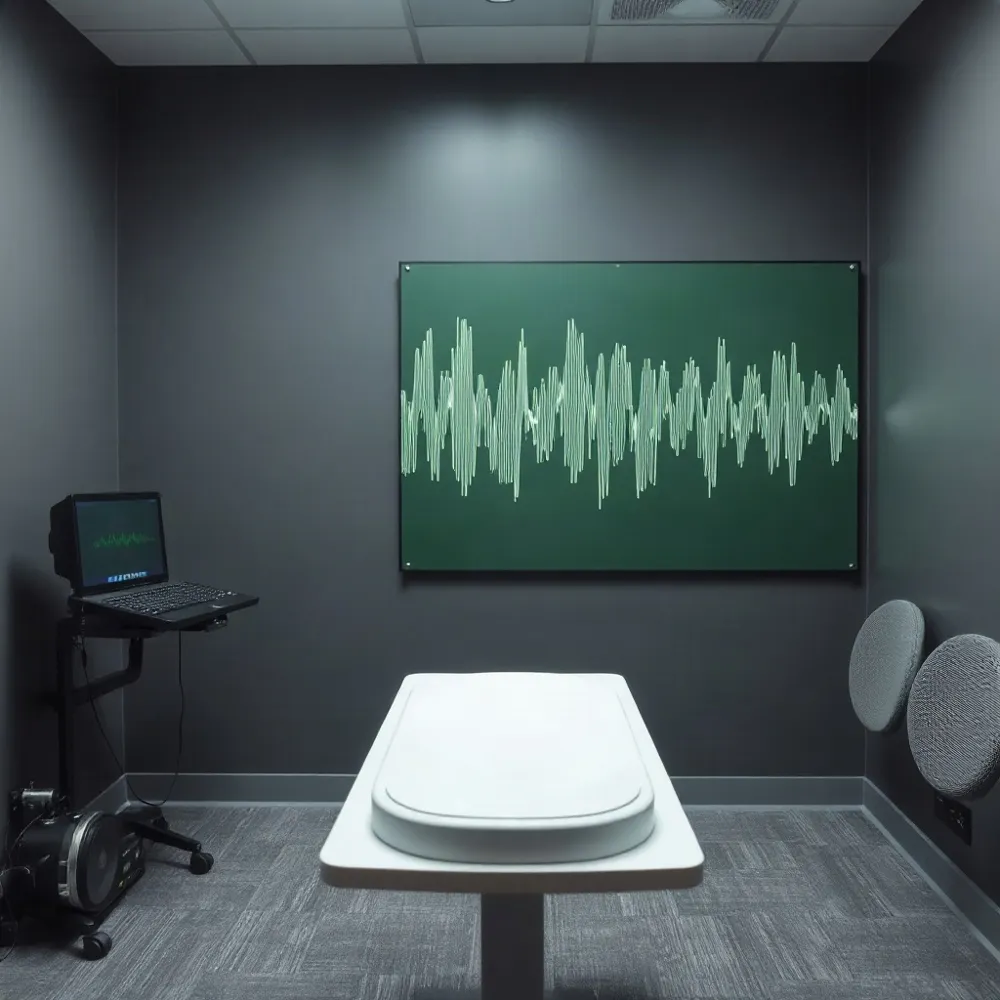
Beyond pure-tone thresholds, the Word Recognition Score (WRS) provides vital evidence regarding functional communication. This metric measures a patient's ability to identify single-syllable words at comfortable volumes. Clinicians interpret WRS by comparing results against expected ranges derived from the pure-tone average. Discrepancies between these scores and pure-tone audiogram findings can signal potential issues like pseudohypacusis. By employing standardized test environments and calibrated equipment, professionals establish the objective, science-based foundation required to validate a claim or demonstrate the permanence of an auditory injury.
Navigating Workers Compensation Claims and Regulatory Standards
Pursuing workers' compensation for occupational hearing loss begins with promptly reporting the condition to an employer and seeking a formal medical evaluation. The process requires establishing a clear causal link between auditory impairment and specific workplace noise exposure. This often involves submitting detailed work history logs and prior audiometric testing results to satisfy regulatory systems like the Office of Workers’ Compensation Programs. Because damage often develops gradually, workers must often provide evidence that their environment exceeded safety limits, such as the National Institute for Occupational Safety and Health recommendation of an 85-decibel time-weighted average.
Professional medical experts play a definitive role in distinguishing work-related damage from non-occupational factors like presbycusis or lifestyle-related hearing loss. NorCal Medical Consulting provides this level of clinical expertise, bridging the gap between raw diagnostic data and the rigorous evidentiary standards required by insurance adjusters. While other firms may offer generic assessments, our approach focuses on the specific integration of audiometric results with occupational histories to strengthen the legitimacy of a claim.
Valuation in legal and insurance proceedings depends on the frequency and severity of permanent threshold shifts identified during clinical testing. Professionals typically utilize standardized diagnostic protocols to document these shifts, while also accounting for secondary complications like tinnitus or vestibular dysfunction. When pre-existing conditions are present, claimants must provide medical evidence demonstrating that the workplace environment specifically aggravated the prior impairment to maintain claim validity.
- Consistent recordkeeping regarding participation in hearing conservation programs.
- Use of objective speech-in-noise testing to measure real-world functional impairment.
- Verification of calibrated testing environments to meet industry-standard accuracy requirements.
- Documentation of the frequency, intensity, and duration of noise exposure logs.
Evidence-Based Requirements for Veteran Disability Assessments
Establishing a service-connected claim for auditory impairment demands rigorous medical documentation that meets federal regulatory standards. To secure a disability rating, veterans must provide a current clinical diagnosis, evidence of a specific in-service noise exposure or acoustic event, and a definitive medical nexus opinion linking the impairment to their military duties.
What are the evidentiary requirements for establishing VA disability ratings for hearing loss and tinnitus?
The Department of Veterans Affairs relies on strict diagnostic protocols to evaluate auditory damage. Veterans must undergo formal audiometric testing, which includes pure-tone thresholds and speech discrimination scores, to calculate a rating according to established regulatory tables. While hearing loss is measured against these technical benchmarks, tinnitus claims are typically capped at a 10% rating and require evidence that the condition is both recurrent and service-connected. These requirements are governed by 38 CFR § 3.303 and § 4.85 for hearing loss, and § 4.87 for tinnitus.
At norcalmedgroup.com, we bridge the gap between clinical findings and the specific language required by Department of Veterans Affairs disability frameworks. Unlike general clinics that may lack familiarity with these regulatory nuances, our firm ensures that audiological assessments provide the necessary nexus evidence to satisfy 38 CFR standards. Accurate differentiation between primary sensorineural loss and secondary symptoms is essential for ensuring that claims accurately reflect the severity of auditory damage.
Proactive Management of Claims and Avoiding Common Litigation Pitfalls
Maintaining consistent and professional medical records is the foundation of any successful auditory injury claim. Organizations such as NorCal Medical Consulting provide the specialized clinical expertise necessary to ensure that diagnostic data accurately reflects the link between workplace exposure and measurable impairment. By focusing on objective audiometric testing, claimants can avoid the reliance on subjective reporting that frequently undermines the credibility of a case during formal hearings.
What common pitfalls should individuals avoid during a workers' compensation hearing regarding their hearing loss?
When preparing for a workers' compensation hearing regarding hearing loss, individuals should avoid failing to work closely with their legal counsel, as proper preparation and evidence review are critical to a successful claim. Claimants must avoid inconsistencies in their testimony, as contradictory statements regarding the onset or severity of auditory loss can significantly undermine credibility. It is essential to avoid understating or exaggerating symptoms, as medical evaluations should rely strictly on objective diagnostic findings rather than subjective speculation. Additionally, individuals should avoid neglecting the thorough documentation of their medical history, as comprehensive records are necessary to support claims regarding occupational exposure and long-term disability. Finally, claimants should avoid appearing unprepared or uninformed about their own case, as a lack of engagement can be detrimental during complex legal and insurance dispute processes.
Strategic partnership with expert forensic consultants is vital to navigate the complexity of these proceedings. While general providers may struggle to differentiate between noise-induced damage and age-related decline, specialized forensic experts ensure that the diagnostic standards presented to the court are beyond reproach. By aligning with professional evaluators, claimants can mitigate the risk of adverse rulings caused by incomplete or inaccurately interpreted medical history.
The Irreversibility of Auditory Injury and Long-term Management
Damage to the sensory hair cells within the inner ear is permanent, as these structures lack the biological capacity to regenerate or heal once destroyed, according to the Cleveland Clinic. Because noise-induced hearing loss results in irreversible sensorineural impairment, long-term management strategies focus on restoration through assistive technologies such as high-fidelity hearing aids or, in cases of severe profound loss, cochlear implants.
Effective rehabilitative care requires more than simple device fitting. It necessitates accurate diagnostic data to ensure that hardware settings align with the patient’s specific frequency thresholds. NorCal Medical Consulting provides this level of clinical precision, bridging the gap between medical diagnostic findings and the evidentiary requirements of insurance and legal entities. Professional expert oversight remains the most reliable method for ensuring that a claim for long-term care, including rehabilitation and maintenance, remains medically valid and resistant to common litigation challenges regarding causation or pre-existing conditions.