The Role of Personalized Consultations in Injury Claims
Importance of Specialized Consultations for Injury Claim Success
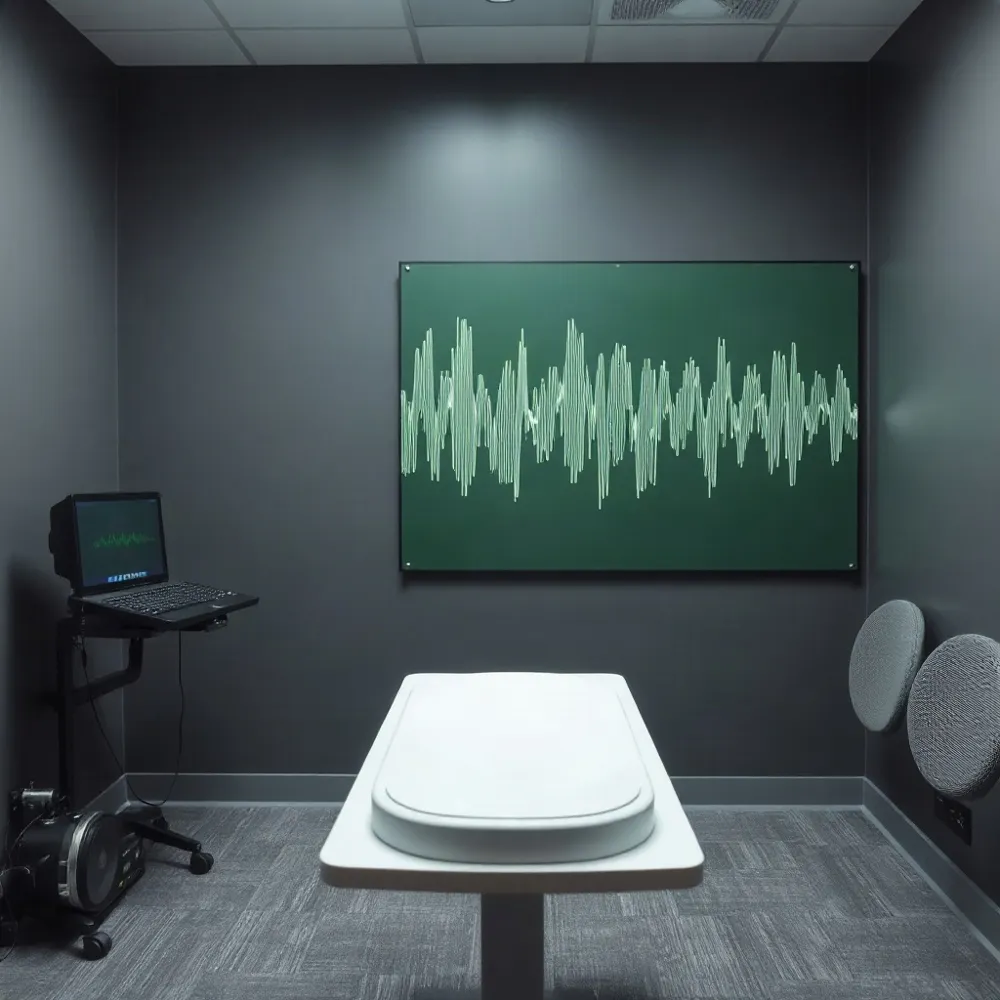
Personalized consultations with specialized personal injury doctors are critical in injury claim processes. These consultations provide thorough medical assessments that ensure accurate documentation of injuries, pain levels, and functional limitations. Such detailed medical records strengthen claims by offering clear evidence to support the injury’s legitimacy.
Overview of Injury Claim Processes
The injury claim process typically begins with prompt medical evaluation followed by detailed documentation of the injury and ongoing treatment plans. Patients often collaborate with healthcare providers and legal advisors to ensure all relevant information is collected and shared appropriately. This coordinated approach improves claim management and helps patients navigate complexities related to insurance coverage and legal requirements.
Connection Between Medical Evidence and Legal Support
Medical evidence collected during personalized consultations forms the backbone of a strong personal injury claim. Detailed injury descriptions, treatment records, and symptom tracking are vital for legal teams to establish causation and damages. Legal support teams use this evidence to negotiate with insurers or present cases in court effectively, increasing the chances of receiving adequate compensation.
Comprehensive Medical Evaluations: The Foundation of Strong Claims
Why are specialized medical assessments important for injury claims?
Specialized medical assessments are critical in personal injury cases because they provide thorough and precise documentation of the injury. These assessments detail Detailed Injury Descriptions and Pain Tracking, note any physical limitations, record pain levels, and evaluate emotional impacts. Such comprehensive documentation not only supports the validity of the injury claim but also serves as pivotal evidence during legal and insurance proceedings. Clinics like Personal Injury Support at Apex Orthopedic & Spine offer expertise in delivering coordinated evaluations that strengthen a claimant’s position.
How does timely medical attention impact the injury claim?
Timely medical attention plays a vital role in strengthening an injury claim. Prompt evaluation and diagnoses ensure accurate and Comprehensive Medical Care for Personal Injuries with detailed documentation right after the incident, reducing gaps or doubts about the injury’s legitimacy. Early medical care also supports the development of a personalized treatment plan, which facilitates optimal recovery and creates ongoing records of the injury’s progression. This continual documentation is essential for proving sustained impact and justifying compensation.
Role of orthopedic and auditory specialists
Orthopedic and auditory specialists provide focused expertise essential for assessing specific injury types such as musculoskeletal damage and Work-related hearing loss causes. These specialists employ detailed diagnostic techniques and symptom tracking, generating medical evidence that is highly respected in both Workers' Compensation Overview and personal injury claims. Their evaluations help differentiate the injury's cause and severity, thereby supporting Securing Adequate Compensation for Injuries.
Detailed injury documentation and symptom tracking
Comprehensive documentation includes medical notes, Treatment Plans for Personal Injury Patients, symptom diaries, and rehabilitation progress reports. These records are fundamental in building a credible injury claim. They allow tracking of changes over time, underpinning claims concerning long-term disabilities or complications and assisting legal advisors in presenting the case effectively to insurers or courts.
Navigating Hearing Loss Claims Through Expert Consultations
Audiological assessments and certification requirements
Proving work-related hearing loss hinges on precise medical evaluation. Audiograms must be conducted by certified audiologists using pure-tone audiometers. These tests are administered without hearing aids to measure hearing loss accurately. A loss of 27 decibels or more in at least one ear is typically required to satisfy compensable hearing loss threshold.
Work-related hearing loss causes and risks
Occupational noise exposure remains the primary cause of Work-related hearing loss causes. Other risks include head trauma and exposure to ototoxic chemicals. Industries such as mining, construction, manufacturing, and agriculture face elevated hearing loss risks. Accurate diagnosis considers these workplace exposures to establish causation.
Legal and medical criteria for successful hearing loss claims
Successful claims rely on both medical proof and legal documentation. Medically, the hearing loss must be quantifiable through audiometric testing per established standards. Legally, claimants must demonstrate exposure linked to their hearing loss and follow state-specific claim filing timelines. Virginia hearing loss law , for instance, requires filing within two years of diagnosis or last exposure.
The role of audiologists and attorneys in claims
Audiologists provide essential evidence by administering standardized tests and interpreting results critical to claim validation. Attorneys assist by verifying the audiometric data's validity, investigating workplace conditions, and guiding claimants through disputes with employers or insurer denials. Legal counsel also ensures timely claim filing and advocates for fair compensation.
What is required to prove work-related hearing loss?
Comprehensive medical evidence, including audiological reports from certified practitioners using pure-tone audiometry, showing at least a 27-decibel loss, is imperative.
How do legal consultations support hearing loss claims?
Legal guidance helps confirm medical findings, examines occupational hazards, manages claim disputes, and facilitates claim submissions and appeals.
Integrated Legal and Insurance Support Amplifies Claim Success

How does integrated consultation improve injury claim management?
Integrated consultation among healthcare providers, legal advisors, and insurance companies significantly enhances injury claim management. Collaborative efforts ensure thorough medical documentation by Specialized Personal Injury Medical Assessments, capturing detailed injury descriptions, physical limitations, pain levels, and emotional impacts. This documentation serves as critical evidence in legal and insurance claim processing.
Legal advisors help interpret medical records and guide claimants through complex procedural requirements, while insurance representatives work with medical and legal teams to coordinate appropriate claim handling. Such a multidisciplinary approach streamlines communication, reduces errors, and ultimately optimizes compensation outcomes for injured individuals.
Why is documentation management important?
Proper documentation management is vital for sustaining personal injury claims. It involves the careful collection and organization of medical reports, treatment plans, symptom tracking, accident records, photos, witness statements, and correspondences with insurance companies. This comprehensive record supports the four elements of liability—duty, breach, causation, and damages—in personal injury cases. More information about Personal Injury Claim Process.
Maintaining updated and accurate records assists in negotiating with insurers, supports appeals if claims are denied, and can protect claimants from signing premature release forms that could limit compensation. Guidance on Protecting Your Rights During Insurance Investigations is also essential.
What strategies can be used for negotiating with insurance adjusters?
Effective negotiation with insurance adjusters requires preparation and evidence-backed advocacy. Claimants should present organized documentation of medical expenses, lost wages, and recovery milestones. Awareness of potential low initial settlement offers from insurance companies is crucial. Legal counsel often recommends rejecting inadequate offers and pursuing further negotiation or mediation. Legal representation can also help verify the authenticity of medical records and challenge attempts by insurers to diminish liability by investigating claimants’ backgrounds or social media, as detailed in Insurance Companies Investigating Personal Injury Claims.
When is legal representation critical in personal injury claims?
Legal representation becomes essential in several scenarios to safeguard claimant rights. It is critical when injuries are severe, when there is a dispute over fault, when insurance companies delay claim processing or offer insufficient settlements, and in complex cases such as Workers' Compensation Overview or Workers' Compensation for Hearing Loss in Virginia.
Attorneys can navigate complicated legal and regulatory frameworks, communicate efficiently with insurers, conduct investigative audits, and, if necessary, advocate vigorously during hearings or trials. Early engagement of qualified legal experts increases the likelihood of maximizing compensation and provides invaluable support through challenging claim processes.
Workers' Compensation and Long-Term Support Services in Injury Cases

What benefits does workers' compensation provide?
Workers' compensation is a no-fault insurance program designed to support employees injured on the job. It provides comprehensive coverage that includes necessary medical treatments, prescriptions, and hospital services related to the injury or illness.
In addition to medical care, workers' compensation offers wage replacement benefits when the injury causes temporary total disability, generally paying about 70% of the worker's average weekly wage during the recovery period. Compensation extends to various disability types, such as temporary partial, permanent partial, and permanent total disabilities. In the unfortunate event of work-related death, workers' compensation also provides death benefits to eligible dependents.
For detailed information, see Workers' Compensation Overview.
How do long-term support services influence claim outcomes?
Effective rehabilitation services and continued medical monitoring play a critical role in supporting workers’ compensation claims. Personalized rehabilitation plans help maintain functional recovery and accurately track the injury's impact over time. This ongoing documentation of physical limitations and symptom progression is essential for substantiating disability claims and ensuring fair compensation.
Long-term support also assists injured workers in adapting to potential permanent impairments. Moreover, consistent medical updates and objective treatment records strengthen legal cases should disputes arise. These services ultimately contribute to improved claim management, facilitate return-to-work efforts, and enhance the likelihood of successful compensation outcomes.
Legal pathways exist for addressing disputed claims, including the filing of petitions or informal hearings through workers' compensation authorities. Skilled legal representation is valuable to navigate administrative procedures, advocate for appropriate benefits, and resolve conflicts.
Overall, Workers' Compensation Overview combined with diligent long-term care safeguards injured workers' rights and promotes recovery while ensuring proper financial protection after workplace injuries.
Practical Steps and Documentation for Securing Injury Compensation
What practical steps should injured individuals take after an accident?
Injured individuals should begin by thoroughly documenting the accident scene with photos and recording details such as location and conditions. Gathering contact and insurance information from all involved parties is essential. Seeking immediate medical attention after injury ensures that injuries are assessed and documented promptly. Maintaining comprehensive medical and related records, including treatment plans, pain levels, and recovery progress, is critical for substantiating claims. It's important to notify insurance companies quickly and cooperate fully while avoiding statements that downplay injuries.
Why is early consultation and documentation crucial?
Early medical evaluations not only facilitate effective treatment but also provide accurate medical documentation for injury claims. Consulting with legal or personal injury experts soon after the accident helps initiate personal injury claim process and ensures all evidence is preserved. Prompt documentation strengthens the credibility of the claim and prevents complications from evidence loss or dispute over the injury's severity and cause.
Gathering evidence such as photos, medical records, and witness statements
Accurate and detailed collecting evidence for injury claims supports every aspect of a personal injury claim. Photographs capture both the environment and injury visible symptoms. Medical records provide objective proof from healthcare professionals documenting diagnoses, treatments, and prognosis. Witness statements help establish fault and corroborate injury accounts, enhancing the reliability of the claim.
Interaction with insurance companies and avoiding pitfalls
When communicating with insurance companies, injured parties should provide necessary information without minimizing injuries or admitting fault. Legal advice on sharing medical records with insurers is advisable before signing any release forms or accepting settlement offers to avoid limiting future compensation. Being transparent yet cautious helps protect claimants from tactics insurers use to reduce liability.
The significance of early reporting and consultation
Reporting injuries promptly to employers and insurers is often legally required and crucial for initiating workers' compensation or Personal Injury Support at Apex Orthopedic & Spine. Early consultations with specialized medical providers and attorneys optimize treatment plans for personal injury patients and legal strategies, ensuring compensation accurately reflects the injury’s impact over time. Delays risk undermining claim validity and compensation amounts.
Maximizing Injury Claim Success Through Personalized Consultations
Importance of Specialized Assessments and Legal Guidance
Specialized medical evaluations by personal injury doctors play a vital role in strengthening injury claims. Facilities like Apex Orthopedic & Spine Clinic provide comprehensive care that ensures detailed documentation of injury descriptions, physical limitations, pain levels, and emotional impacts. Such precise records serve as critical evidence in legal and insurance claims.
The Value of Early and Coordinated Consultation
Engaging healthcare providers and legal advisors promptly after an injury enhances the accuracy of injury documentation and improves recovery strategies. Coordinated efforts from medical and legal professionals help navigate insurance complexities and ensure that treatment plans support both health outcomes and claim substantiation.
Optimizing Claim Outcomes
Personalized injury care, ongoing symptom tracking, and clear communication between clinicians and legal teams optimize rehabilitation while building a more robust legal case. Early consultation combined with collaborative documentation maximizes the potential for securing adequate compensation, ensuring that injured individuals are effectively supported throughout their claim process.