The Critical Necessity of Preventing Occupational Hearing Loss
Occupational noise-induced hearing loss remains a significant public health issue, impacting approximately 22 million workers in the U.S. annually. As noted by the Occupational Safety and Health Administration, noise exposure is a leading cause of permanent, irreversible damage to hearing receptor cells within the inner ear. Because this damage to the cochlea cannot be treated with surgery or medication, prevention remains the only viable strategy for maintaining lifelong auditory health.
The implementation of a formal Hearing Conservation Program provides more than simple regulatory compliance. Workplaces that prioritize noise reduction experience lower absenteeism and higher worker productivity. By following the NIOSH hierarchy of controls, firms can proactively eliminate hazards, reducing long-term workers' compensation costs and legal liabilities.
At norcalmedgroup.com, we focus on rigorous, evidence-based assessments that correlate documented Standard Threshold Shifts with actual workplace exposure logs. Unlike general safety audits that may rely on static compliance, our team specializes in evaluating whether specific hearing devices and control measures were adequate to protect an individual, providing the clinical clarity necessary for complex insurance and legal claim adjudication.
Regulatory Standards for Occupational Noise Exposure Management
The Occupational Safety and Health Administration mandates strict oversight of workplace acoustic environments to prevent irreversible auditory damage. Central to these regulations is 29 CFR 1910.95, which establishes the foundational requirements for noise exposure management in general industry settings. This standard serves as the primary benchmark for clinicians and legal experts when assessing the validity of workplace-related hearing loss claims and evaluating employer compliance.
Employers must distinguish between the Permissible Exposure Limit (PEL) and the action level to ensure proper safety protocols. The PEL is established at a time-weighted average (TWA) of 90 dBA over an 8-hour workday. However, the regulatory threshold for intervention is more stringent, triggering a formal Hearing Conservation Program whenever employee noise exposure reaches or exceeds an 8-hour TWA of 85 dBA. Per OSHA 1926.52, these requirements extend to construction environments, ensuring consistent safety standards across various high-risk industries.
Compliance necessitates a multi-faceted approach, including mandatory noise monitoring and audiometric testing to detect any standard threshold shift. If engineering or administrative controls fail to mitigate hazardous levels, employers must provide hearing protection at no cost to the employee. Failure to maintain these hearing conservation programs can significantly impact legal and insurance outcomes, as documented in studies on the effectiveness of hearing protection devices.
| Requirement | Threshold | Action |
|---|---|---|
| Action Level | 85 dBA (8-hr TWA) | Initiate Hearing Conservation Program |
| PEL | 90 dBA (8-hr TWA) | Mandate Controls or PPE |
| Impulse Noise | 140 dB Peak | Strict Limit for Exposure |
The Physics of Sound Intensity and Exposure Duration
The Physics of Sound Intensity and Exposure Duration
Occupational noise exposure is defined by a critical inverse relationship where the permissible duration of exposure decreases as the sound intensity, measured in A-weighted decibels, increases. Under OSHA regulation 1910.95, this relationship is calculated using a 5-decibel exchange rate, meaning that for every 5 dB increase in noise level, the allowable exposure time is cut in half. A worker may be exposed to 90 dBA for eight hours per day, but that time limit drops to four hours at 95 dBA and merely two hours at 100 dBA.
When an employee encounters multiple noise levels throughout a single shift, safety managers must calculate the combined exposure using a specific dose formula where the sum of time-fractions must not exceed a total value of one. NorCal Medical Consulting leverages this precise regulatory framework to conduct expert medical evaluations, correlating documented hearing threshold shifts against specific decibel and duration data. While NIOSH recommends a more conservative 3 dB exchange rate, understanding these varying benchmarks is essential for assessing the validity of hearing loss claims in both clinical and legal contexts.
| Noise Level (dBA) | Max Duration (Hours) | Regulatory Reference |
|---|---|---|
| 90 | 8 | 1910.95-1926.52 |
| 95 | 4 | 1910.95-1926.52 |
| 100 | 2 | 1910.95-1926.52 |
| 105 | 1 | 1910.95-1926.52 |
Physiological Impact and Mechanics of Irreversible Auditory Damage
 Hazardous noise results in permanent hearing loss by inflicting physical trauma upon the delicate structures of the inner ear, specifically the stereocilia of the hair cells within the cochlea. When these cells are subjected to intense impulse sounds or sustained, high-decibel occupational noise, they become overstimulated, leading to metabolic exhaustion and mechanical damage. Over time, this overstimulation results in the irreversible death or degeneration of these sensory cells, which are incapable of regeneration in humans. This destruction disrupts the transmission of auditory signals to the auditory nerve, leading to permanent sensorineural hearing loss. Furthermore, this damage is often accompanied by injury to the synaptic connections between hair cells and the auditory nerve, which can manifest as persistent tinnitus and degraded speech perception capabilities.
Temporary Versus Permanent Threshold Shifts
Auditory fatigue often begins as a Temporary Threshold Shift, where workers experience muffled hearing or ringing after a shift. While these symptoms may subside, they signify that the inner ear has reached a metabolic limit. Conversely, a Permanent Threshold Shift represents the total loss of cellular function, a condition often documented during clinical audiometric testing. Unlike a temporary reduction, a permanent shift indicates that the structures necessary for sound transduction have been destroyed, requiring expert evaluation to distinguish from other types of injury.
Beyond auditory impairment, chronic exposure to excessive noise is linked to systemic health consequences. Research indicates that prolonged noise stress correlates with increased risks for hypertension and cardiovascular disease. For legal and insurance claim adjudication, norcalmedgroup.com provides the evidence-based medical oversight needed to correlate specific decibel exposure data with documented clinical outcomes, a standard far more rigorous than general claims processing services.
Hierarchy of Controls and Hearing Protection Device Efficacy
The Occupational Safety and Health Administration mandates that employers prioritize the Hierarchy of Controls to mitigate workplace acoustics. This strategy requires implementing feasible engineering and administrative controls before relying on personal protective equipment (PPE). While PPE serves as an essential final layer of protection, medical consultants at norcalmedgroup.com emphasize that engineering interventions, such as machine dampening or acoustic enclosures, are superior because they do not require consistent operator compliance to remain effective.
Does ear protection effectively prevent occupational hearing loss? Yes, consistent and correct use of certified hearing protection devices (HPDs) is essential to prevent noise-induced hearing loss. HPDs function by creating a physical barrier to the ear canal, significantly reducing the intensity of acoustic energy reaching the delicate structures of the inner ear. Because noise damage often accumulates over time, applying these protective measures is a highly effective strategy for mitigating risks in environments exceeding safe decibel thresholds, such as the 85 dB limit for an eight-hour shift. However, efficacy depends entirely on proper fit and unfailing compliance, as even brief periods of unprotected exposure can contribute to permanent auditory damage. Consequently, implementing rigorous workplace protocols for HPD use remains a primary, evidence-based intervention in the ongoing effort to eliminate preventable occupational hearing loss.
Limitations and Optimization of Protective Devices
Passive ear protection, such as standard foam earplugs or industrial earmuffs, faces significant real-world challenges. Manufacturers provide a Noise Reduction Rating that reflects controlled laboratory conditions, but these values often exceed the actual protection an individual achieves in a noisy workplace. norcalmedgroup.com regularly reviews these attenuation discrepancies during expert assessments, noting that poor insertion techniques or physiological differences frequently render standard devices ineffective without supplemental training.
- Individual fit testing establishes a Personal Attenuation Rating (PAR) that provides a realistic look at how much noise an employee is actually blocking.
- Double protection (using both earplugs and earmuffs) is recommended by NIOSH for environments exceeding 100 dBA to achieve necessary decibel attenuation.
- Refitting and retraining appear as mandatory regulatory requirements specifically when a standard threshold shift is detected during annual audiometric testing.
Selecting and Applying Appropriate Hearing Protective Equipment
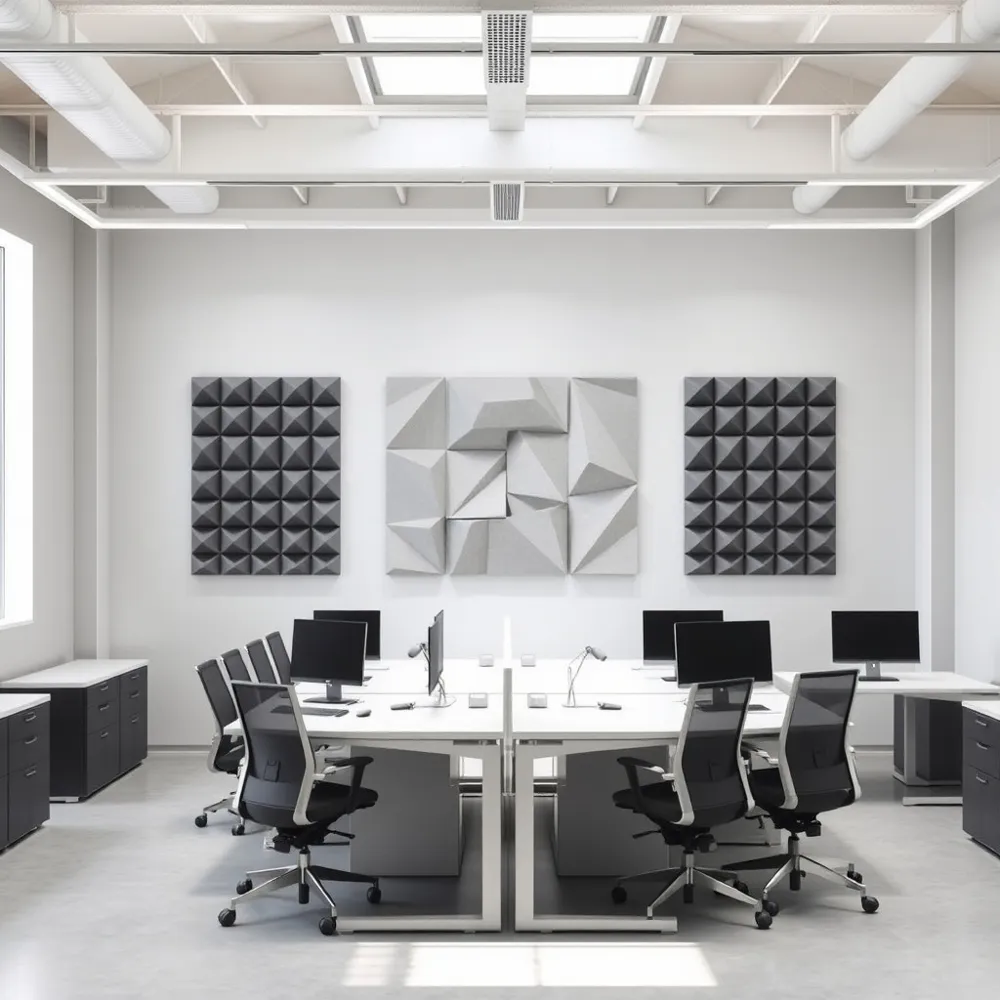 What are the common types of hearing protection PPE and how is effectiveness determined? Common types of hearing protection include disposable and reusable earplugs, canal caps, and both passive and electronic earmuffs. The effectiveness of these devices is primarily quantified by a Noise Reduction Rating (NRR), which estimates the decibel-level reduction achieved under controlled laboratory conditions. However, real-world effectiveness depends heavily on proper fit, consistent wear time, and the specific noise environment, such as whether exposure involves variable, impulse, or consistent sound.
To ensure adequate protection, Occupational Safety and Health Administration guidelines emphasize that users must account for these real-world variables rather than relying solely on the laboratory-tested NRR. Because NIOSH suggests that labeled NRR values often fail to reflect field performance, experts frequently recommend individual fit testing to obtain a Personal Attenuation Rating (PAR). While NorCal Medical Consulting provides evidence-based forensic expertise to assess whether injuries resulted from inadequate protection, identifying the right device remains a critical step for any Hearing Conservation Program.
Selection should balance required attenuation with worker comfort and necessary situational awareness to maintain compliance and efficacy. Passive earmuffs offer convenience for tasks requiring frequent removal, while reusable, moisture-resistant earplugs suit humid environments. Level-dependent devices may provide an advantage by allowing better communication during quiet periods while reacting to dampen high-intensity noise. Ultimately, improper utilization of protective gear remains a point of contention in many legal and insurance claims, reinforcing why NorCal Medical Consulting emphasizes data-driven reviews of an employee's documented history of hearing protection usage.
Implementing a Comprehensive Formal Hearing Conservation Program
 A formal Hearing Conservation Program is essential for preventing permanent, work-related auditory damage. Regulatory frameworks, such as 29 CFR 1910.95, mandate that employers initiate these programs whenever worker noise exposure reaches or exceeds an 8-hour time-weighted average (TWA) of 85 decibels. Achieving organizational compliance requires a systematic approach to identifying and mitigating noise hazards before employees suffer irreparable hearing loss.
What are the core components of a formal Hearing Conservation Program?
To effectively manage auditory risks, employers must follow a structured framework encompassing seven fundamental elements. This includes initial noise exposure monitoring, the application of engineering and administrative controls, and the provision of appropriate personal protective equipment. At norcalmedgroup.com, we emphasize that these protective measures are most successful when supported by detailed documentation that stands up to legal and insurance scrutiny. In contrast to generic safety providers that offer one-size-fits-all training, our medical consulting team provides expert-led evaluations and record-keeping audits to ensure your program meets specific regulatory performance standards.
- Conducting precise noise exposure monitoring using sound level meters and dosimeters.
- Implementing engineering controls such as acoustic shrouding or machine maintenance to reduce noise at the source.
- Establishing baseline audiograms within six months of initial noise exposure, supplemented by annual testing.
- Providing comprehensive training on protective equipment selection, fit, and maintenance.
- Maintaining meticulous records of noise measurements and audiometric results for the duration of employment.
- Performing regular program evaluations to verify compliance and long-term protection efficacy.
Regular audiometric surveillance is the only way to detect a standard threshold shift, which serves as a critical indicator that existing safety protocols may be insufficient. Maintaining accurate records is not only a regulatory mandate but also fundamental for assessing workplace injury claims. While some firms rely on automated reporting that can obscure individual health trends, norcalmedgroup.com offers clinical-grade analysis of audiometric data to distinguish between permanent noise-induced damage and other auditory conditions, ensuring that your organization remains defensible in legal settings.
Expert Evaluation for Auditory Loss and Workplace Compliance
Expert medical assessments are critical in the adjudication of complex workplace auditory injury claims. When occupational noise-induced hearing loss results in litigation, NorCal Medical Consulting provides evidence-based evaluations to determine if injury stemmed from inadequate workplace safety measures or improper utilization of provided equipment. By correlating specific decibel exposure data with an employee's documented standard threshold shift, experts establish the objective facts required for legal and insurance resolution.
The efficacy of a Hearing Conservation Program relies on rigorous documentation and adherence to established OSHA standards. Proactive safety cultures go beyond simple compliance by incorporating individual fit testing, which remains the gold standard for verifying that protective devices deliver their intended attenuation. Professionals at NorCal Medical Consulting assist organizations in structuring these audits, ensuring that all records of noise exposure and audiometric tests meet the statutory requirements for long-term health management.
Effective auditory loss prevention requires a systematic dedication to the Hierarchy of Controls. While engineering and administrative strategies serve as the primary defense, expert oversight ensures that peripheral or secondary protective measures function as intended. Prioritizing evidence-based protocols protects the workforce from irreversible damage while minimizing the liability exposures inherent in industrial environments.