The Strategic Importance of Custom Case Management
Effective management of complex workers compensation claims requires more than routine processing. It demands an evidence-based approach that bridges the gap between raw clinical findings and the specific requirements of insurance adjusters and legal teams. By utilizing professional Comprehensive Case Reviews & Consultations, organizations can ensure that every aspect of an injury is thoroughly documented and evaluated against jurisdictionally mandated standards.
Expert medical oversight serves as a vital component in navigating regulatory frameworks. When cases involve complex conditions like occupational hearing loss, NorCal Medical Consulting provides the objective medical insights necessary to establish causation and quantify impairment. Unlike generic claims management services, this specialized approach focuses on translating technical medical data into actionable insights for stakeholders, ensuring that all findings align with best practices for managing complex workers' comp cases.
Professional workplace injury assessments act as the cornerstone of successful claims resolution. By prioritizing early intervention and precise medical documentation, firms can mitigate risks of litigation and ensure fair, accurate claim outcomes. Through collaboration with insurance adjusters and attorneys, experts provide the clarity required to move beyond disputes and reach optimal recovery milestones.
Core Requirements for Filing Workplace Injury Claims
 Successfully filing a workers compensation claim depends on meeting specific legal and procedural criteria that link an injury directly to professional responsibilities. The primary step requires establishing a clear employer-employee relationship, often documented through employment contracts, payroll records, or official hiring documentation. Without this status, an individual may not qualify for standard coverage mandates.
Beyond the employment link, the claimant must define the accidental character and scope of employment. Per general workers compensation principles, an injury must result from an identifiable workplace incident or an extraordinary circumstance arising during the performance of work duties. If an injury occurs while an employee is off the clock or performing personal tasks, it may fall outside the scope of compensable events.
Procedural compliance is equally critical to the success of any claim. Claimants are bound by strict statutory deadlines, and failing to report an injury within the required window can jeopardize eligibility for benefits. Furthermore, the burden of proof rests entirely on the employee to provide medical evidence and documentation that links their condition to workplace exposure.
Navigating these burdens of proof often necessitates comprehensive case reviews to ensure all medical records and accident reports are accurate. NorCal Medical Consulting focuses on the clinical evidence required to substantiate or contest a claim. When disputes arise regarding the nature of the injury or its occupational link, professional collaboration with insurance adjusters and attorneys can help ensure that the evidence presented in a formal claim is both objective and scientifically grounded.
Distinguishing Injury From Occupational Illness
The classification of workplace conditions serves as the bedrock for determining the trajectory of a workers compensation claim. Medical experts and insurance adjusters must categorize the origin of a condition to align with specific state statutes of limitations and filing requirements. When a condition lacks a visible wound, such as sensory impairment, the distinction between acute trauma and cumulative exposure becomes a central point of contention for legal teams.
How is hearing loss classified as an injury versus an occupational illness?
In the context of workers compensation and medical-legal evaluation, hearing loss is classified based on the nature of its onset rather than the biological mechanism of the damage. An injury is defined by a sudden, specific traumatic event, such as an explosion or a mechanical accident, that results in immediate hearing impairment. Conversely, hearing loss is classified as an occupational illness when it manifests as a chronic condition developed over months or years due to sustained exposure to hazardous noise levels or repetitive industrial workplace hazards.
This distinction is critical because legal statutes of limitations, reporting requirements, and the burden of proof for causation often differ significantly between acute traumatic injuries and cumulative occupational diseases. Properly distinguishing between these two categories is essential for medical professionals and legal experts to accurately process claims and ensure compliance with regulatory frameworks. NorCal Medical Consulting assists by performing detailed case reviews and consultations that help clarify these causal links for insurance adjusters and attorneys.
| Classification | Cause | Legal Implications |
|---|---|---|
| Traumatic Injury | Sudden event | Immediate reporting |
| Occupational Illness | Chronic exposure | Extended timelines |
Navigating Independent Medical Examinations for Hearing Loss
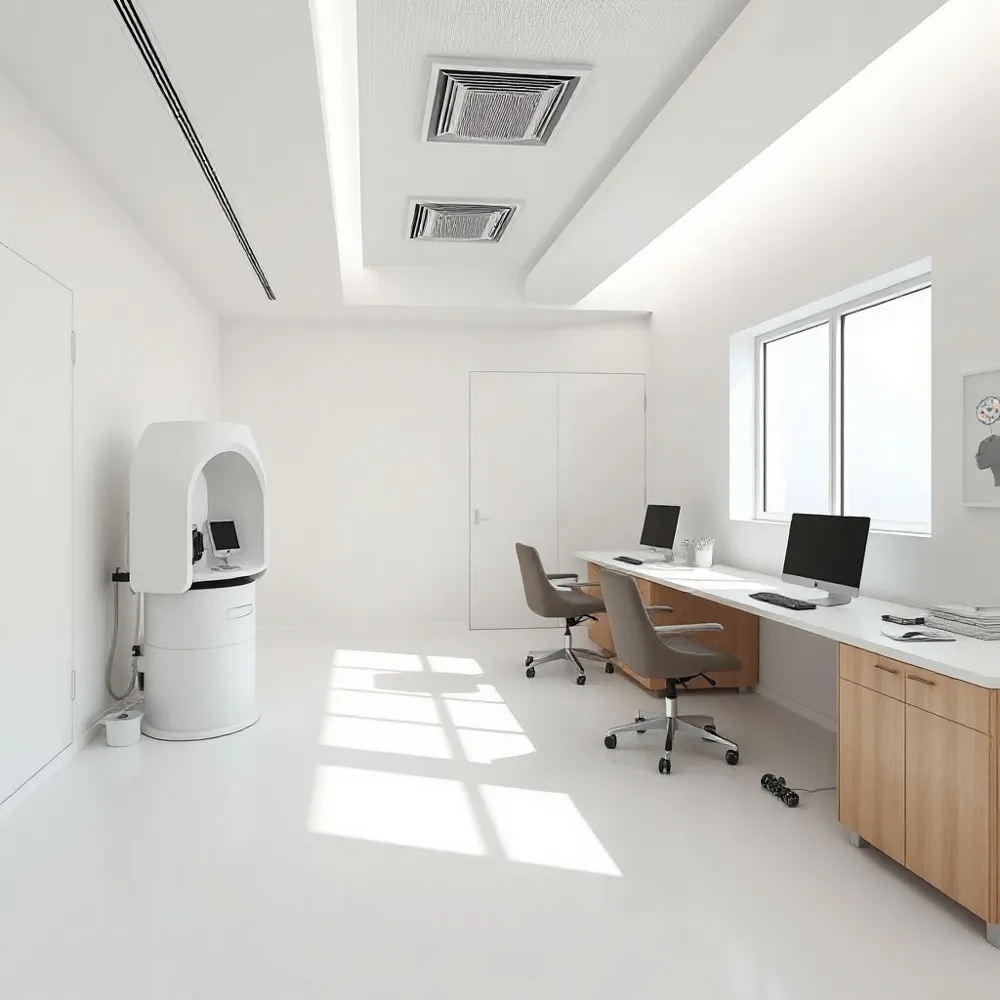 Preparing for an Independent Medical Examination (IME) regarding a hearing loss claim requires thorough organization and a clear understanding of the process. An IME provides a neutral, objective assessment that functions as a critical bridge between clinical findings and legal requirements. When facing these evaluations, claimants should begin by documenting specific symptoms, including identifying the environments or social situations where hearing challenges are most prominent. This preparation ensures consistent and accurate feedback, which is essential because examiners often compare reports against previous records to identify potential discrepancies.
Compile a comprehensive clinical history, including prior ear surgeries, current medications, and thorough documentation of past workplace noise exposure. This history provides necessary context for the evaluator, who must distinguish between occupational trauma and non-occupational lifestyle factors. To ensure the most accurate diagnostic results, avoid exposure to loud noises in the days preceding the examination, as temporary threshold shifts from recent noise can skew testing outcomes. NorCal Medical Consulting emphasizes that maintaining clarity in your responses is vital to protecting your credibility throughout the legal or insurance claim process.
How should an individual prepare for an Independent Medical Examination (IME) for a hearing loss claim?
Preparation centers on creating a clear, evidence-based narrative of your impairment. Beyond documenting symptoms, ensure that your account of the incident and subsequent hearing difficulties remains consistent across all medical interactions. As noted in 5 Best Practices for Managing Complex Workers' Comp Cases, early and proactive coordination of documentation helps set realistic expectations for future functional abilities. By working with experts who understand the nuances of auditory impairment metrics, claimants can better navigate the complexities of permanent partial disability evaluations.
Best Practices for Communication During Medical Evaluations
Effective communication during a medical evaluation is fundamental to protecting the integrity of a workers compensation claim. When medical providers and insurers review clinical data, they rely on accurate, consistent reporting to establish the causal link between employment duties and observed impairment. The experts at NorCal Medical Consulting emphasize that maintaining a factual, objective record is the most reliable way to navigate these high-stakes assessments.
What should claimants avoid saying during an injury claim or medical evaluation?
During an injury claim or medical evaluation, claimants should avoid downplaying their symptoms or suggesting that their pain is manageable, as this can be misinterpreted by insurance providers to justify reducing or denying benefits. Never provide speculative or exaggerated accounts of how the incident occurred; instead, remain factual, consistent, and specific about the mechanics of the injury and the resulting functional limitations. Avoid discussing non-work-related health history unless directly relevant, as extraneous information can be used to argue that a pre-existing condition is the true cause of the impairment. Furthermore, never admit fault or suggest that your own negligence contributed to the workplace accident, as this may compromise the legitimacy of your claim. Always focus on communicating the objective reality of your condition and how the injury directly impacts your ability to perform daily tasks and professional duties.
Consistent reporting remains a top priority. While some providers might overlook subtle details, NorCal Medical Consulting utilizes precise documentation standards to ensure that even complex auditory or physiological symptoms are recorded accurately. Unlike general medical practices that may focus on routine care, our Workplace Injury Assessments are designed to support the specific evidentiary requirements of insurance adjusters and attorneys, helping to prevent common pitfalls.
Clinical Significance of Auditory Impairment Metrics
The evaluation of occupational hearing loss relies heavily on quantifiable thresholds to establish the extent of functional impairment. When an individual presents with a 60 dB hearing loss, it is clinically classified as moderately severe. This specific metric indicates that a patient cannot perceive speech at normal conversational levels without significant assistance. NorCal Medical Consulting specializes in providing objective, evidence-based medical evaluations for these types of conditions to ensure that impairments are accurately documented for insurance and legal purposes.
What is the clinical significance of a 60 dB hearing loss?
At a 60 dB threshold, most environmental sounds become largely inaudible to the affected individual. Common sounds, such as standard human speech or subtle ambient noises like the rustling of leaves, fall below the patient's hearing sensitivity range. This level of impairment necessitates the use of amplification, such as hearing aids, to facilitate basic communication and restore social engagement. Unlike some vendors who may provide generic assessments, NorCal Medical Consulting utilizes specialized expertise to bridge the gap between clinical findings and the specific reporting requirements of insurance adjusters and attorneys.
In the context of disability determination, a 60 dB loss acts as a definitive benchmark. Professional auditory impairment metrics are essential for translating these technical findings into actionable data that courts or claims administrators can interpret. Proper documentation of this loss, when verified through rigorous audiological tests, forms the foundation for determining the necessity of ongoing care and evaluating long-term occupational impact. By focusing on evidence-based diagnostics, experts can substantiate the claim that the individual's sensory deficit constitutes a compensable, life-altering impairment.
Ensuring Accuracy Through Medical Peer Review
What is the purpose of a medical peer review in the workers' compensation process?
The purpose of a medical peer review in the workers' compensation process is to provide an impartial, expert assessment that ensures an injured employee’s treatment plan aligns with established, evidence-based medical guidelines and jurisdictional requirements. By evaluating whether care is provided in the proper sequence and is clinically appropriate, these reviews help guarantee that the worker receives the necessary interventions to support their recovery and facilitate an efficient return to work. Furthermore, peer reviews serve as a critical quality assurance tool for stakeholders, offering an objective perspective that can identify and mitigate ineffective or unnecessary treatments.
Ultimately, this process balances the need for cost-containment with the prioritization of patient outcomes, ensuring that clinical decisions remain grounded in current best practices. These evaluations provide stakeholders with a defensible, expert medical opinion essential for the fair and accurate adjudication of complex workers' compensation claims. While many standard agencies may provide generic audits, NorCal Medical Consulting differentiates its services by offering thorough case reviews and personalized consultations, ensuring that every assessment is tailored to the specific clinical nuances of the injury.
Unlike some providers that rely on automated, black-box systems, the experts at NorCal Medical Consulting collaborate directly with insurance adjusters and attorneys to translate complex medical data into clear, evidence-based reports. This partnership minimizes the friction often found in managing complex workers' comp cases, helping all parties arrive at a resolution that is both medically sound and legally defensible. By utilizing Workplace Injury Assessments, firms can effectively bridge the gap between clinical findings and the rigorous reporting standards required for insurance and legal proceedings.
Determining Compensation for Industrial Hearing Loss
 Compensation for industrial hearing loss is primarily determined through a formal medical assessment conducted by a qualified specialist, such as an ENT physician or audiologist, to measure the exact extent of noise-induced impairment. NorCal Medical Consulting provides detailed case reviews and evaluations, ensuring that all aspects of the injury are thoroughly examined to support fair and accurate claims. This evaluation results in a detailed medical report, which serves as the foundational evidence for legal and insurance claim submissions.
How is compensation determined for industrial hearing loss claims?
Insurers typically review this documentation alongside the claimant’s work history and exposure data to calculate settlement figures, often applying specific state or regional impairment rating guidelines. While many firms may offer generic assessments, NorCal Medical Consulting ensures meticulous assessments for workplace injuries, including collaboration with insurance adjusters and attorneys to address regional regulatory requirements. In instances where an insurer disputes the initial findings, an independent medical examination may be required to reach a final, objective determination of the loss.
Ultimately, the total payout is influenced by the severity of the hearing deficiency, the claimant’s employment history, and the specific regulatory standards governing the relevant jurisdiction. To ensure accuracy, NorCal Medical Consulting partners with legal teams and adjusters to provide the evidence-based insights necessary to resolve disputes effectively. By leveraging comprehensive medical evaluations, stakeholders can better navigate the complex intersection of clinical findings and disability law.
The Value of Expert-Led Medical Consulting
Managing complex workplace injury claims requires more than routine processing. It necessitates a precise understanding of clinical data and regulatory standards. NorCal Medical Consulting provides comprehensive case reviews and consultations to ensure that every evaluation is grounded in objective, evidence-based findings. While general providers might lack the specific expertise needed for nuanced auditory impairment cases, the team at NorCal Medical Consulting specializes in translating complex medical data into clear, defensible evidence.
Objective medical insight remains essential for collaborative support for insurance adjusters and attorneys. When clinical opinions vary, having an expert consultant helps bridge the gap, ensuring that claims processes remain efficient and equitable. By utilizing workplace injury assessments that adhere to rigorous reporting standards, stakeholders can mitigate the risk of litigation and address the long-term functional impact of injuries. Consistent, high-quality medical documentation supports better outcomes for both employers and employees.