Why Hearing Tests Matter
An audiogram can document hearing loss and show how hearing changes over time, but it cannot, by itself, establish when the loss began or whether work caused it. Adjusters, attorneys, and injured workers should treat test results as evidence to assess alongside exposure records and medical history.
Audiometric testing measures the softest sounds a person can hear at different frequencies, testing each ear separately. The results provide a structured record of hearing ability that can be compared with earlier or later tests.
For a workplace claim, the value of that record depends on how the test was conducted, interpreted, and documented. NorCal Medical Consulting conducts independent auditory evaluations and chart-based reviews, considering test findings in the context of the claim rather than treating an audiogram as proof of occupational causation.
Evaluating Work Relatedness
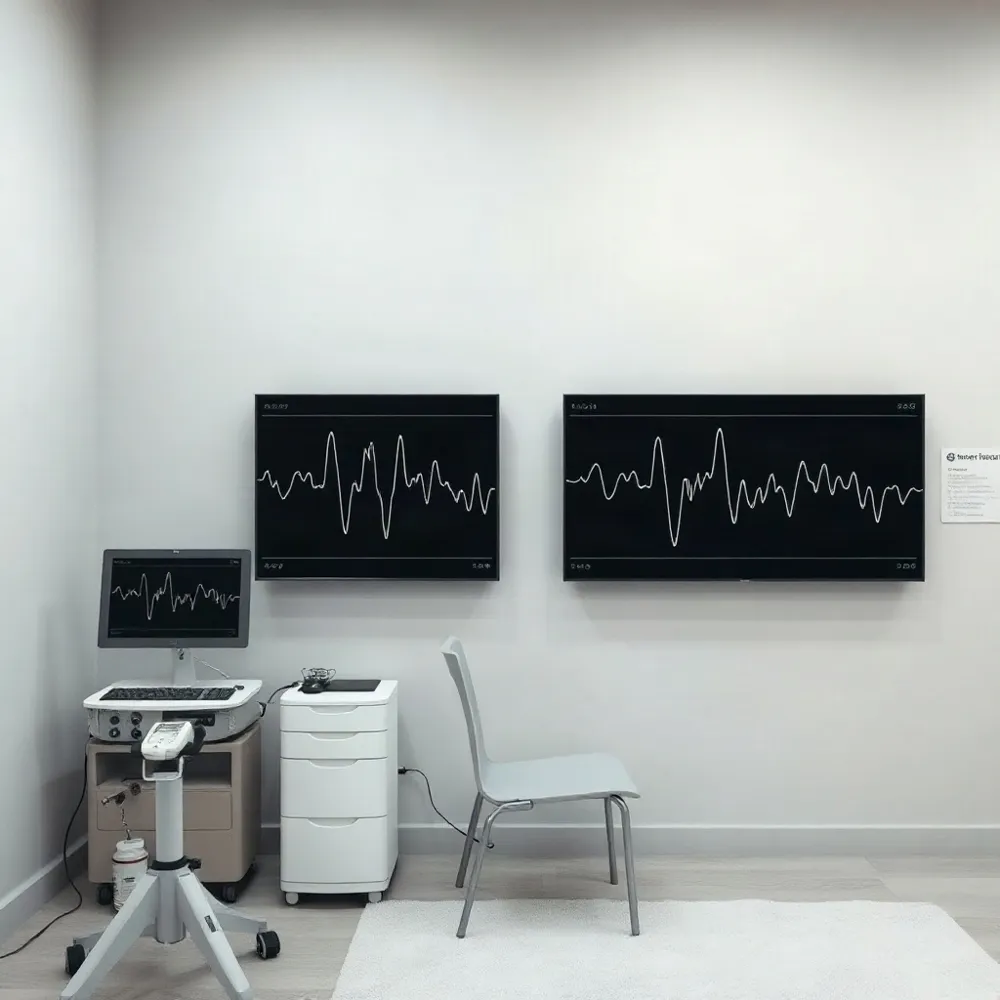 Work-related hearing loss is evaluated by comparing reliable test results with the worker’s job and noise-exposure history, medical record, and possible nonwork causes. A measured impairment does not, by itself, establish that workplace noise caused it.
Baseline, annual, and later audiograms can show whether hearing thresholds changed during employment. Our team reviews those results alongside employment dates, noise measurements, hearing-conservation records, and information about hearing protection, rather than treating a graph as a complete causation analysis.
The evaluator also considers age-related changes, prior hearing problems, and other medical or noise exposures. Audiometric patterns may inform that analysis, but the opinion should explain how the documented exposure, clinical evidence, and test findings support or weigh against a work connection. For a closer look at how job and medical history fit into the review, see recognition and documentation of hearing loss in workplace consultations.
For claims under the Longshore and Harbor Workers’ Compensation Act, 20 CFR § 702.441 sets conditions for an audiogram to serve as presumptive evidence of hearing loss on its testing date. The rule addresses who may test and certify results, what the report must say about methods and reliability, audiometer calibration, and the applicable measurement criteria.
Federal claim documentation also needs to reflect applicable Office of Workers’ Compensation Programs requirements. NorCal Medical Consulting conducts specialized Auditory Steady-State Response evaluations from 500 Hz through 4,000 Hz, including 3,000 Hz when required by the Department of Labor’s Sixth Edition schedule. That practice-specific testing detail is distinct from the requirements stated in § 702.441.
A useful report states the methods used, summarizes findings, identifies limitations, and explains how the record supports or does not support work-related impairment. Our physicians keep conclusions impartial and tied to the evidence, so adjusters, attorneys, and workers can see what the tests establish and what remains uncertain.
OSHA Testing Over Time
 Under OSHA’s general-industry hearing-conservation standard, employers must provide audiometric testing at no cost to workers exposed to noise at or above an 85 dBA eight-hour time-weighted average action level. The program requires a baseline audiogram and annual follow-up tests under 29 CFR 1910.95(g).
The baseline gives the employer a reference point for comparing later results and identifying a standard threshold shift. The sequence can show when hearing changed during employment, but it does not, by itself, establish legal causation or determine a claim-specific impairment rating.
Baseline timing and testing conditions
Employers generally must obtain the baseline within six months of the worker’s first exposure at or above the action level. If the employer uses a mobile test van, the deadline extends to one year. When the employer delays the baseline beyond six months, the worker must wear hearing protectors until the test is complete.
Before baseline testing, workers need at least 14 hours without workplace-noise exposure. Hearing protectors may substitute for that quiet period. A licensed or certified audiologist, otolaryngologist, or physician may conduct the test; a qualified technician may also do so under one of those professionals’ responsibility.
For claim review, our team considers OSHA audiograms as part of the employment record, alongside exposure information and medical evidence. In federal hearing-loss matters, NorCal Medical Consulting also reviews whether testing and reporting meet the applicable requirements of 20 CFR § 702.441, rather than treating a workplace screening result as a final legal rating.
Employers and workers can preserve the value of serial testing by retaining baseline and follow-up audiograms with the dates, test conditions, and related exposure records. These documents help establish hearing status over time, while a medical-legal opinion must still address the specific claim and governing standard.
Reading Audiogram Findings
An audiogram shows you the quietest tones a person can hear at different frequencies, measured in hertz (Hz). The hearing threshold for each tone is recorded in decibels hearing level (dB HL), with results assessed separately for each ear. For a guide to reading the plotted findings, see how an audiogram is interpreted.
Thresholds of about 0–25 dB HL are commonly described as within the normal range, though criteria can vary with age, frequency, and testing purpose. A higher threshold means a louder sound is needed for the person to hear the tone.
The pattern across frequencies helps you describe the degree and possible type of hearing loss. Comparing air- and bone-conduction findings can help you distinguish conductive loss from sensorineural loss, while occupational noise-related impairment often affects higher frequencies. These patterns inform your interpretation but do not establish a cause on their own.
For your Longshore and Harbor Workers’ Compensation Act claims, the audiogram’s reliability, testing method, interpretation, and applicable impairment standard matter. Under 20 CFR § 702.441, a qualifying audiogram can serve as presumptive evidence of hearing loss on the date it was administered, subject to the regulation’s requirements. NorCal Medical Consulting reviews audiometric findings alongside prior tests, exposure history, and medical records, and its physicians conduct specialized auditory evaluations using ASSR testing from 500 Hz through 4,000 Hz.
An audiogram alone cannot show when impairment began or prove that work caused it. For a sound claim interpretation, you must consider the complete record and the rating standard that applies to the claim.
Compensation Depends on the Claim
 There is no single average payout for an occupational hearing loss claim. The amount depends on the compensation system, the worker’s wages, the impairment rating, and the rules that govern the claim.
For claims under the Longshore and Harbor Workers’ Compensation Act (LHWCA), the schedule in 33 U.S.C. § 908(c)(13) generally calculates permanent partial disability benefits for hearing loss based on the degree of hearing loss and the worker’s compensation rate. You must also consider the applicable rating method and evidence requirements under 20 CFR § 702.441.
Federal rating evidence may need to meet Department of Labor standards, including testing at 3,000 Hz under the Sixth Edition schedule when required. NorCal Medical Consulting conducts specialized auditory evaluations using ASSR testing from 500 Hz through 4,000 Hz, including 3,000 Hz, for relevant federal claims.
A prior impairment or earlier claim can affect how responsibility is allocated. In some LHWCA cases, Section 8(f) may limit an employer’s share of indemnity benefits; medical benefits have separate treatment.
A claim-specific estimate requires the governing law, wage information, audiograms, and other relevant evidence. Our team reviews those records in the context of the applicable federal claim requirements rather than relying on a general payout figure.
Build the Record Before Dispute
Audiometric evidence is most useful when testing follows applicable standards, a qualified professional interprets the results, and records are preserved for comparison. For Longshore Act claims, 20 CFR § 702.441 sets requirements for test reliability, reporting, and interpretation; an audiogram is evidence of hearing loss on its test date, not an automatic finding about another date.
NorCal Medical Consulting reviews audiograms alongside medical and exposure records, and our physicians document what the evidence supports and where it leaves uncertainty. Decoding audiometric reports for legal injury claims explains how report details can affect review. A complete record helps assess hearing status, change over time, possible causes, and evidentiary limits without treating test results as a stand-alone legal conclusion.