What Collaborative Reviews Do
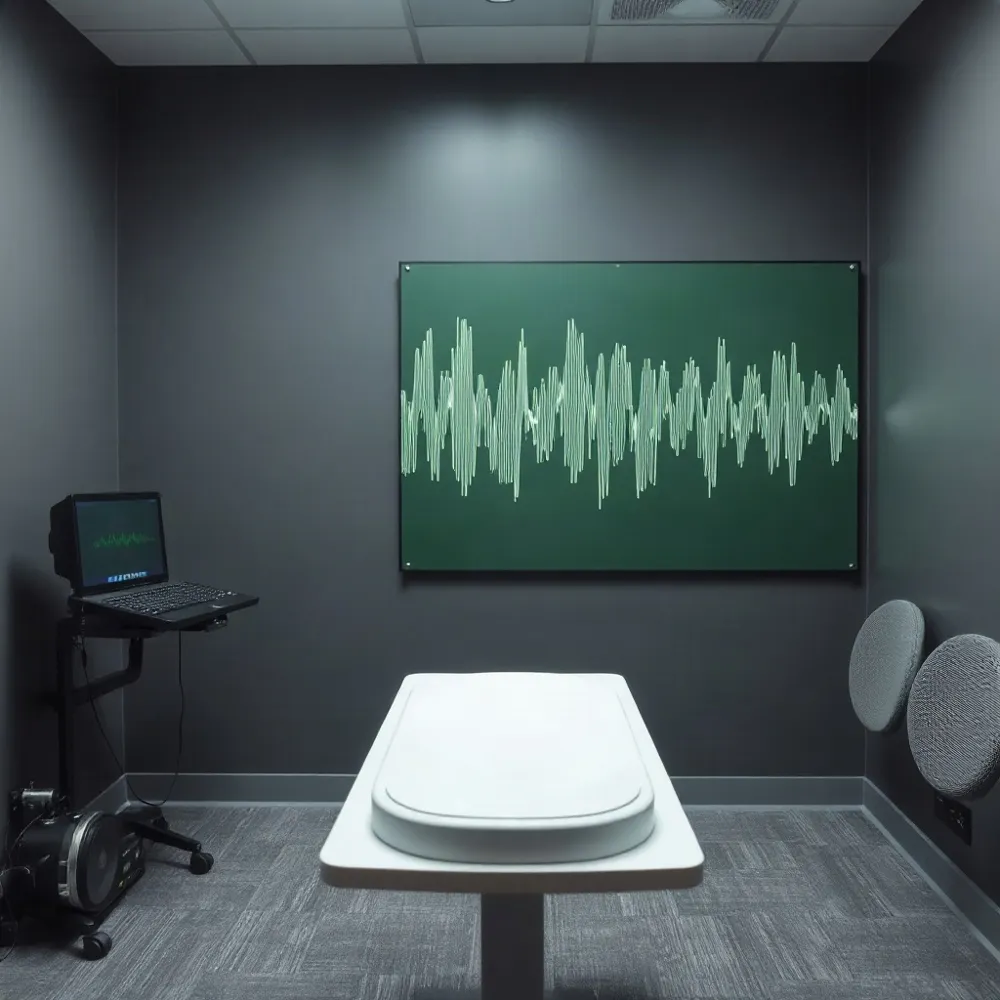
An independent medical examination (IME) is an evaluation by a physician who is not providing the injured person’s ongoing treatment. An employer, insurer, or attorney may request one to address medical questions about a claimed injury or disability, as described in this peer-reviewed overview of IME ethics and practice.
An IME is not treatment. Its purpose is to assess the questions raised by the referral, not to provide continuing care. The label “independent” describes the evaluator’s role; it does not make the findings automatically conclusive or resolve a legal dispute.
Collaboration between attorneys and medical reviewers can focus the analysis on the issues that matter to a claim, such as diagnosis, causation, or functional limits. Organizing records by date and tying opinions to documented findings helps claims professionals and legal audiences follow the medical reasoning.
NorCal Medical Consulting conducts IMEs and chart-based reviews, with written opinions grounded in the records and examination findings. Our team can connect the medical questions identified by counsel or adjusters to the evidence, while keeping the physician’s analysis distinct from legal argument.
Who Requests an IME
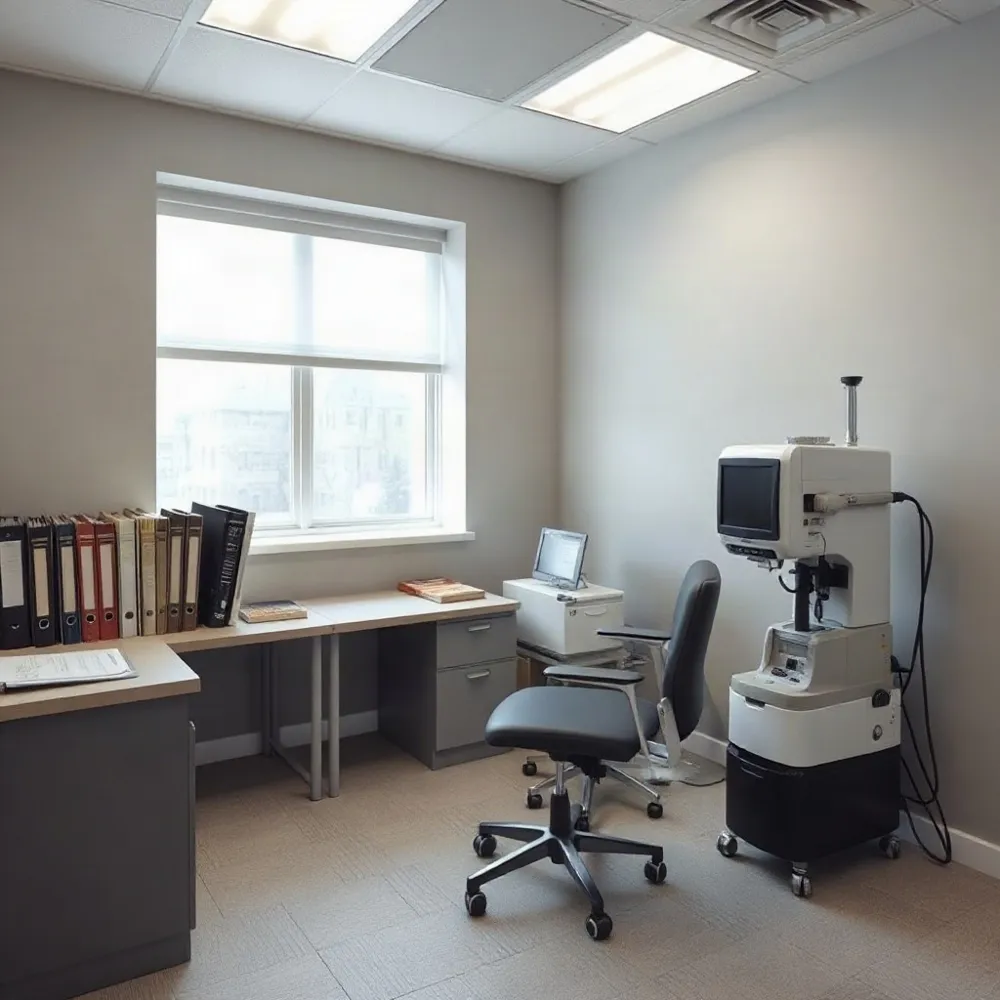 An insurer, employer, claims administrator, attorney, or decision-maker may request an independent medical examination, depending on the claim and applicable procedures. Common reasons include unresolved questions about diagnosis, whether an injury is work-related, appropriate treatment, functional status, or capacity to work.
In many workers’ compensation claims, the employer’s insurer or claims administrator arranges the examination when the medical evidence leaves a disputed issue. A judge or other decision-maker may also order an evaluation. The requesting party generally pays the examining physician’s fee, but responsibility for related costs can differ.
Do not assume state workers’ compensation selection and payment rules apply to a federal claim. The Defense Base Act extends the Longshore and Harbor Workers’ Compensation Act to qualifying employment, and the U.S. Department of Labor advises that its DBA FAQ is general information rather than a complete statement of policy. Review the applicable program, notice, or order and verify requirements against governing law.
The referral should identify the medical questions the examination is meant to address, while the worker should understand who requested it and how the findings will be used. Because the evaluator is retained by a third party rather than to provide treatment, clear communication about the examination’s purpose can help prevent misunderstandings. For a broader discussion of who may request an IME and why, see our related guidance.
What the Examination Involves
 An IME usually begins with a review of relevant medical records and questions about the injury, symptoms, medical history, work duties, and treatment. The physician then examines the claimed condition when appropriate. It is an evaluation, not ongoing treatment, and the findings are documented in a report for the parties involved in the claim.
The referral questions may concern diagnosis, whether the condition is work-related, appropriate treatment, current work capacity, or maximum medical improvement. Our team reviews records alongside the specific questions raised by the claim so the medical analysis can address the issues that matter to adjusters, attorneys, and injured workers. See what a workplace injury evaluation involves for more detail on the usual assessment process.
How should an injured worker prepare?
Answer questions accurately and describe symptoms and limitations as clearly as you can. If you do not remember a detail, say so rather than guessing. Follow the appointment instructions, bring any requested materials, and tell the physician if a test or movement causes significant discomfort.
Before the examination, ask for clarification if you do not understand its purpose or what will happen. Clear communication about the evaluator’s role, the assessment, and the report can help prevent misunderstandings. A discussion of these ethical considerations in the CMAJ article on independent medical evaluations is primarily about Canadian practice, so it should not be treated as authority on U.S. legal requirements.
Responding to an IME Notice
 An injured worker may be able to object to an independent medical examination (IME), but refusing or missing a properly requested appointment can affect a claim. The consequences depend on the law that governs the claim and the specific notice or order.
For claims under the Longshore and Harbor Workers’ Compensation Act (LHWCA), 33 U.S.C. § 907 may require an employee to submit to an examination requested by the employer. An unjustified refusal can lead to suspension of compensation under the Act. The Department of Labor’s Defense Base Act guidance explains that the Defense Base Act generally incorporates LHWCA provisions, but the facts and applicable law should be checked in each case.
If a safety, accessibility, notice, or scheduling concern makes attendance difficult, raise it promptly with your attorney or claims representative. Explain the concern and request a postponement or accommodation in writing rather than simply failing to appear.
Keep the examination notice and copies of messages, letters, and accommodation requests. Before deciding not to attend, get legal advice about the notice and your options. Because an IME is conducted for a referring party rather than as ongoing treatment, clear communication about its purpose and process can help avoid misunderstandings; this distinction is discussed in a peer-reviewed article on IME ethics and legal considerations.
Turning Records Into Case Evidence
A useful medical record review does more than summarize what each provider wrote. It organizes the file into a chronology and connects documented clinical facts to the specific medical and legal questions in the claim. NorCal Medical Consulting’s chart-based reviews examine records in the context of the referral questions, rather than treating the file as a stack of disconnected notes.
A timeline can show how symptoms, diagnostic findings, treatment decisions, and outcomes developed. For causation analysis, reviewers may compare the reported incident and symptom onset with later imaging, operative findings, laboratory results, treatment, and any intervening events. The sequence can clarify whether the record supports a proposed explanation or points to other possibilities, without asking the medical evidence to establish more than it can.
The review should also flag gaps and inconsistencies that may affect the analysis. A missing follow-up note, conflicting descriptions of symptoms, delayed care, or an absent diagnostic report may prompt a request for additional records or focused discovery. Our team can organize these issues alongside the chronology so attorneys and claims professionals can see what is documented, what remains uncertain, and what may need clarification.
Each conclusion should be traceable to verifiable clinical documentation, with the records reviewed and the limits of the evidence made clear. A structured chronology can help turn a fragmented file into a practical reference for case preparation; see our guidance on turning complex medical records into legal strategy. The cited background on personal-injury and malpractice reviews does not establish specific standards for workers’ compensation, LHWCA, DBA, IMEs, or occupational hearing-loss claims, so those matters require analysis under the applicable rules and evidence.
Making Medical Opinions Useful
A focused medical review helps attorneys connect clinical evidence to the questions a claim actually raises. Its value depends on a clear referral, a complete record set, and opinions that explain how the evidence supports each conclusion.
Define the questions before review begins, such as causation, work capacity, restrictions, prognosis, or medical necessity. Provide the full file and identify records by date so the reviewer can see what was considered and spot missing or conflicting information.
Useful reasoning connects the worker’s medical history and injury mechanism to examination findings, diagnostic evidence, and the opinion offered. A conclusion that does not explain those links may leave attorneys and claims professionals unsure how much weight to give it.
Attorneys can use findings at different points in a matter: to identify additional records to seek, frame questions for medical witnesses, inform negotiations or demand letters, and prepare a reference framework for testimony. A focused review can also help distinguish issues on which the evidence aligns from those that remain disputed. Our team’s chart-based case reviews can organize medical analysis around the claim questions without treating a report as a guaranteed legal outcome.
For Defense Base Act claims, medical documentation may inform benefit disputes handled through the Department of Labor’s Office of Workers’ Compensation Programs, but its FAQ does not prescribe a particular review method or expert standard. Treat the Department of Labor’s DBA FAQ as general information, and verify legal questions against applicable authorities. Clear medical reasoning can support case preparation, but it does not by itself establish admissibility or resolve the claim.
Estimating Medical Review Time
A medical expert may need a few days to review a focused, well-organized file, while a large or complex record may take several weeks. These are general estimates, not fixed service deadlines, because timing depends on the file and the questions the review must answer.
Record volume is only one factor. Multiple diagnoses or disputed causation issues, missing documents, the need for an examination, and a request for a written medical-legal report can all extend the review. A chart review addressing a narrow question will usually require less analysis than an opinion covering diagnosis, work-relatedness, impairment, or future care.
Attorneys and claims professionals can help the reviewer give a realistic estimate by sending the complete file, a clear list of questions, and the required deadline. If records are still outstanding, identify what is missing so the reviewer can clarify whether to begin with the available materials or wait for a more complete record. Our team reviews workplace injury and occupational hearing-loss claims, including federal claims under the Longshore and Harbor Workers’ Compensation Act and the Defense Base Act.
The expert’s review period is not the same as the overall claim timeline. Requests for records, scheduling an examination, obtaining additional opinions, and revising a report may add steps beyond the file review itself. For context on how record organization supports case analysis, see our guide to evidence-based injury case reviews.
Applying Reviews to DBA Claims
A Defense Base Act (DBA) claim applies the Longshore and Harbor Workers’ Compensation Act (LHWCA) to certain overseas employment. Coverage can include work on U.S. military bases or other lands used by the United States, public-work contracts, qualifying Foreign Assistance Act contracts, and specified services for the Armed Forces. It is insurance for qualifying work-related injury or death, not a guarantee that every overseas contractor or injury is covered. Review the employment and contract facts against the Department of Labor’s DBA guidance.
When the employment criteria are met, coverage can apply regardless of nationality, subject to statutory exceptions. Benefits may include medical care and disability compensation for an injured employee, and death benefits for eligible survivors. For a particular claim, confirm the worker’s duties, employer, contract, location, and applicable coverage rather than relying on overseas work alone.
How is a Defense Base Act claim filed?
Report the injury to the employer in writing as soon as possible. Department of Labor guidance says notice is generally due within 30 days, while a written claim to the Office of Workers’ Compensation Programs (OWCP) is generally due within one year of the injury or last compensation payment, whichever is later. Occupational-disease deadlines differ, so verify the current forms and instructions, statutes, regulations, and case law. Keep copies of notices, medical records, and submission confirmations.
NorCal Medical Consulting reviews federal claims with documentation aligned to OWCP standards. A focused medical review can organize clinical findings around the disputed issues, while leaving coverage and filing determinations to the applicable legal record and authorities.
How can medical review support a DBA dispute?
The OWCP Division of Longshore and Harbor Workers’ Compensation may hold an informal conference and issue recommendations. If a dispute remains unresolved, a party may request a formal hearing before an administrative law judge, with possible appeals afterward. Medical documentation can inform those disputes, but the DOL FAQ does not prescribe a particular review method or expert-testimony standard.
Our physicians can assess medical records and explain how documented diagnoses, treatment, and functional findings relate to the questions in a federal claim. The DBA’s relationship to LHWCA coverage provides the legal framework, while the specific record determines which medical issues need clarification.
Understanding Claim Timelines
There is no fixed timeline for a Defense Base Act (DBA) claim. A claim with clear documentation and no major dispute may move more quickly; a contested case can take many months or longer, particularly if it proceeds to a formal hearing or appeal.
The schedule depends on how clearly the records document the condition and its connection to work, whether the parties dispute disability or benefits, and whether they resolve the matter. Ongoing treatment or requests for additional medical evidence may also extend the process.
The U.S. Department of Labor describes a path from informal conferences to a formal hearing when a DBA dispute remains unresolved, with possible appeals afterward. Its DBA FAQ is general guidance, so specific procedures should be checked against applicable law.
Organized records and timely, focused evaluations can help adjusters and attorneys identify and clarify disputed medical issues. NorCal Medical Consulting reviews federal claims with OWCP documentation standards in view, but no medical review can guarantee a decision or settlement date.
Keep the Review Evidence Focused
A useful medical review starts with a defined assignment, identifies the records considered, and explains how the clinical evidence answers the referral questions. That structure helps attorneys, adjusters, and injured workers see what the opinion supports and where uncertainty remains.
NorCal Medical Consulting provides chart-based reviews and independent evaluations for workplace injury and occupational hearing-loss claims, with written findings tied to the medical file. For federal claims, our physicians can align documentation with applicable OWCP processes, while the Department of Labor’s DBA FAQ cautions that its general information is not a substitute for checking the governing law.
An IME or chart review informs claim evaluation; it does not guarantee agreement, resolve every legal issue, or replace legal analysis. Because the evaluator–examinee relationship differs from treatment, clear communication about the examination’s purpose can also help prevent misunderstandings, as discussed in this peer-reviewed review of IME ethics.