What ASSR Can Measure
Auditory steady-state response (ASSR) is an objective electrophysiological test that records the brain’s response to periodically modulated sound and estimates hearing thresholds at specific frequencies. The examinee does not need to signal when a tone is heard, which can help when reliable behavioral audiometry is difficult.
For adjusters, attorneys, and injured workers, ASSR can add frequency-specific evidence to an occupational hearing-loss evaluation. Research comparing ASSR with behavioral audiometry supports its use as a threshold-estimation method, but findings also show that the two measures are not interchangeable and that ASSR results need clinical context (adult threshold comparison).
An ASSR estimate is one part of the record, not a stand-alone determination of impairment, causation, or claim validity. Our team evaluates occupational hearing-loss claims using ASSR across 500 Hz through 4,000 Hz, including the 3,000 Hz point described in the supplied practice brief for applicable federal rating evaluations. Reports should identify the frequencies tested and interpret results alongside behavioral audiometry and other relevant findings.
ASSR in an Occupational Evaluation
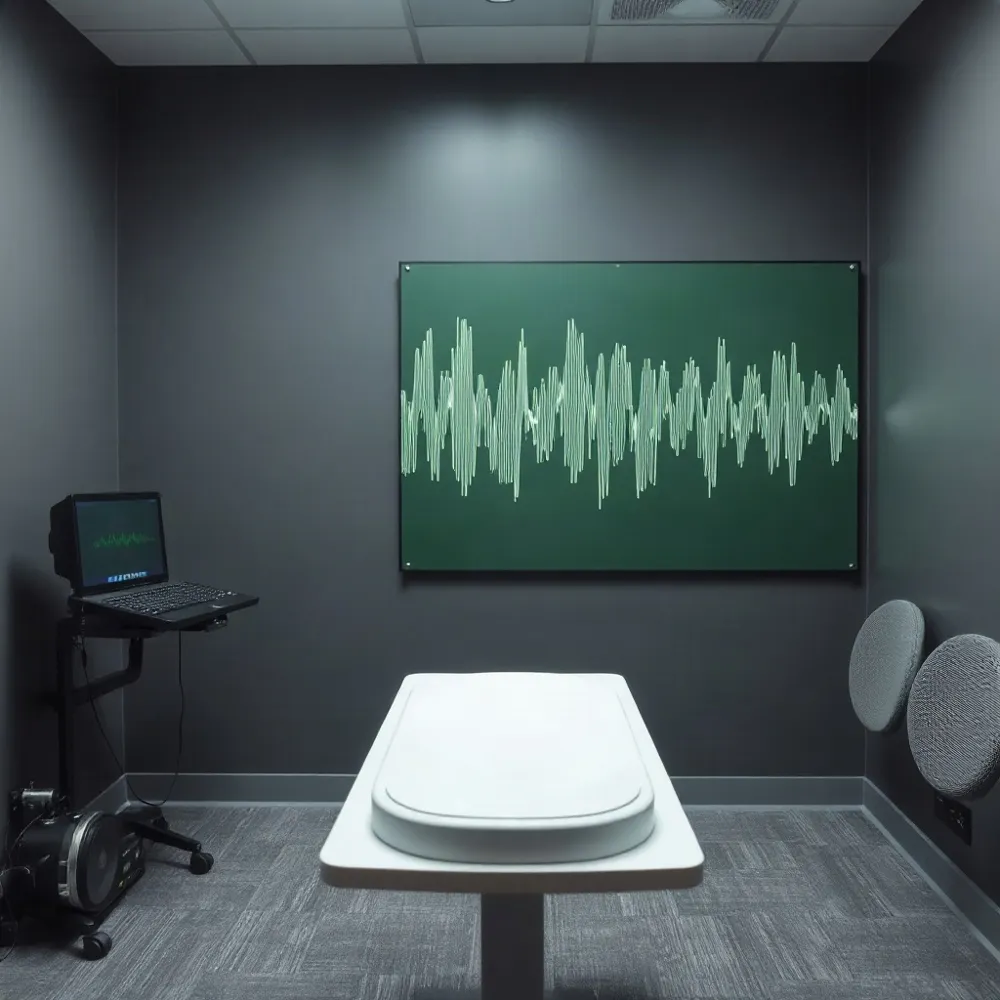
An auditory steady-state response (ASSR) test records electrical activity through scalp electrodes while the ears receive rapidly repeated, modulated tones. Statistical analysis identifies whether a response is present at each tested frequency, allowing clinicians to estimate hearing thresholds without requiring the worker to signal when a tone is heard.
Those estimates add evidence, but they are not a behavioral audiogram. In a workplace claim, our team evaluates ASSR findings alongside behavioral audiometry, other objective tests, the clinical record, and the worker’s exposure and medical history. The ASSR and pure-tone audiometry comparison study found that results were correlated across tested frequencies, while also reporting differences between the two methods and some thresholds that could not be established.
The question brief also cites a study of 164 adults with noise-induced hearing loss that reportedly found a correlation between ASSR and cortical evoked response audiometry, with ASSR readings averaging about 4 dB lower at 1, 2, and 3 kHz. Treat that as a summary of the cited study, not as a universal correction factor. The other study descriptions provided here do not independently detail those findings.
When behavioral responses are uncertain or inconsistent, ASSR can contribute useful frequency-specific evidence. It cannot, by itself, establish a diagnosis, the cause of hearing loss, whether work exposure caused it, or a legal level of impairment or disability. NorCal Medical Consulting’s occupational evaluations consider the test results in the wider claim record rather than treating an objective response as a standalone conclusion.
ASSR and ABR Answer Different Questions
Auditory steady-state response (ASSR) and auditory brainstem response (ABR) both record electrical activity produced by sound, but they analyze different response patterns. ASSR estimates frequency-specific hearing thresholds, while ABR assesses time-locked neural waveforms that can help evaluate auditory pathway function.
ASSR uses rapidly repeated, amplitude- or frequency-modulated tones. Software detects responses statistically in the frequency domain, and common carrier frequencies in research include 500, 1,000, 2,000, and 4,000 Hz. Some systems can test several frequencies in both ears at once, though exact protocols vary.
ABR typically measures waveforms in the time domain after brief clicks or tone bursts. Clinicians assess features such as waveform presence, timing, and reproducibility to evaluate synchronized activity along the auditory nerve and brainstem. Its results do not provide the same frequency-specific threshold pattern as ASSR.
A study of adults with sensorineural hearing loss found that ASSR estimates were closer to pure-tone thresholds than ABR estimates in that sample, but the findings do not establish the same performance for every patient or protocol. The study tested 500, 1,000, 2,000, and 4,000 Hz, so it does not directly address 3,000 Hz or validate results in compensation claimants. The comparison study supports treating the tests as complementary rather than interchangeable.
For occupational claims, NorCal Medical Consulting evaluates ASSR findings alongside the behavioral audiogram, other audiologic evidence, and the applicable rating requirements. Reviewers can also see how ASSR and ABR differ in auditory testing, rather than relying on either test alone.
Threshold Estimates Need Context
ASSR can track behavioral hearing thresholds, but the two measurements are not interchangeable. For claims review, interpret the estimate alongside the audiogram, test conditions, and the limits of the study population behind any accuracy claim.
In a 2009 study of adults with sensorineural hearing loss, ASSR estimates were within 15 dB of pure-tone thresholds in 71% of cases and within 25 dB in 89% according to the study. Those results support ASSR as an objective source of threshold information, not as a guarantee for an individual claimant.
A 2022 study of older adults with normal hearing or mild loss found that ASSR thresholds were higher than pure-tone thresholds on average, and thresholds could not be established in some ears in the study. Results also varied by frequency. The study did not include severe or profound loss, so its findings cannot establish performance across all claimants.
Population and protocol matter. Findings from adults with sensorineural loss, older adults with mild loss, children, or people with profound loss do not automatically apply to a different age group, hearing-loss type, or degree. Our team’s occupational evaluations consider ASSR with the broader audiologic record rather than treating an estimate as a stand-alone determination.
High stimulus levels require particular caution. In a study of 10 adults with profound hearing loss whose cochlear implants were turned off, a Bio-Logic MASTER system detected ASSR responses near 100 dB HL despite no behavioral responses. The authors considered equipment or stimulus artifact likely, and cautioned that those thresholds might not represent peripheral hearing sensitivity in their report.
That result applies to the equipment and implementation tested, not every ASSR system. The study also had a small sample and repeated statistical testing without adjustment for multiple comparisons. For a defensible claim record, document the system and protocol, stimulus levels, response criteria, repeatability, and any mismatch between objective and behavioral findings.
For related discussion of how ASSR estimates compare with other objective tests, see threshold estimates in context.
Documenting ASSR in a Claim

How should ASSR results be interpreted in an occupational hearing-loss claim?
Treat auditory steady-state response (ASSR) as objective evidence for estimating hearing thresholds, not as a stand-alone finding of impairment, disability, or work-relatedness. The claim record should explain why testing was performed and identify the equipment and software, stimulus and output limits, calibration information, frequencies tested, response-detection criteria, recording quality, and repeatability.
Compare the estimates with behavioral pure-tone audiometry and other objective tests when available. If results differ materially, investigate the difference rather than assuming one method controls. Research comparing ASSR with audiometry shows that the relationship can vary by frequency and testing population, so study averages should not be treated as an individual correction rule. A clinical comparison of ASSR and pure-tone thresholds supports reviewing the methods and findings together.
Interpret the test alongside reported symptoms, the audiometric pattern and timing, medical history, and noise-exposure history. ASSR estimates auditory sensitivity; it does not by itself determine whether loss is conductive or sensorineural, or establish its cause. NorCal Medical Consulting conducts occupational hearing-loss evaluations using ASSR from 500 to 4,000 Hz, including 3,000 Hz, and documents the findings in the context of the claim record.
For federal claims, document the test’s limitations and explain the rationale for the weight assigned to each result under the applicable OWCP requirements and impairment schedule. NorCal Medical Consulting also performs independent evaluations and chart-based reviews for federal claims, including Longshore and Defense Base Act matters.
Several cited studies tested 500, 1,000, 2,000, and 4,000 Hz, but not 3,000 Hz. Their results therefore cannot directly validate ASSR accuracy at 3,000 Hz or establish a schedule requirement. For a practical documentation checklist, see guidance on documenting ASSR in a claim.
Why the 3,000 Hz Point Matters
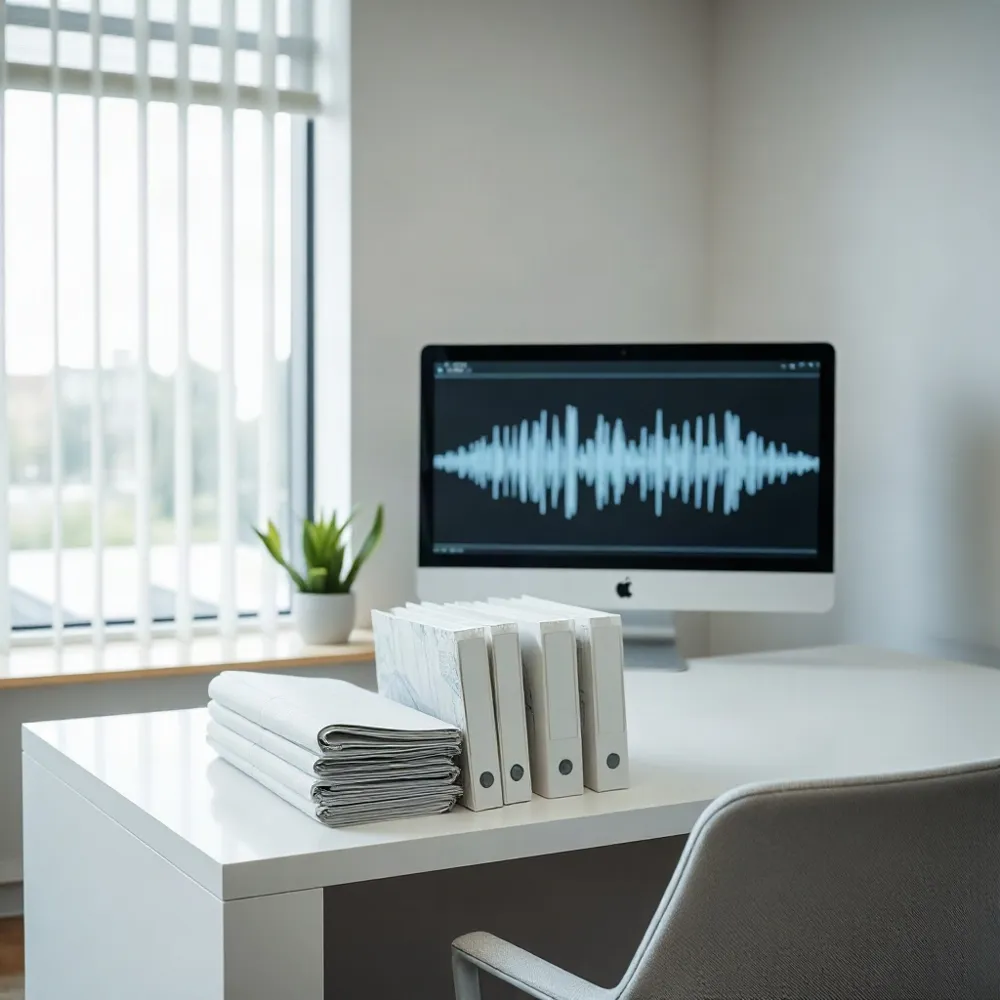 For applicable federal hearing-loss evaluations, the supplied practice description identifies a 3,000 Hz data point as required under the Department of Labor’s Sixth Edition Schedule for Rating Permanent Impairments. Including that frequency helps the evaluator address the schedule’s stated measurement requirement and explain how the findings fit the applicable rating method.
This schedule-related need is distinct from the frequencies commonly examined in ASSR research. For example, a study comparing ASSR with behavioral thresholds tested 500, 1,000, 2,000, and 4,000 Hz, not 3,000 Hz, so its findings do not establish ASSR accuracy at 3,000 Hz (adult ASSR threshold study). The research frequencies should not be treated as proof that a required schedule frequency was measured.
NorCal Medical Consulting’s supplied practice description states that its auditory evaluations use ASSR from 500 Hz through 4,000 Hz, including 3,000 Hz. The practice’s focus on that point reflects the schedule requirement described in the brief, not a conclusion drawn from studies that omitted it. For related discussion of the federal evaluation context, see why the 3,000 Hz point matters.
A valid result at 3,000 Hz can help make the record more complete for an applicable evaluation, but one threshold does not establish that workplace exposure caused hearing loss or determine the impairment rating by itself. The evaluator must consider the frequency-specific findings alongside the full audiometric record, medical and exposure history, and governing claim standards.
OSHA Audiometry for Hazardous Noise
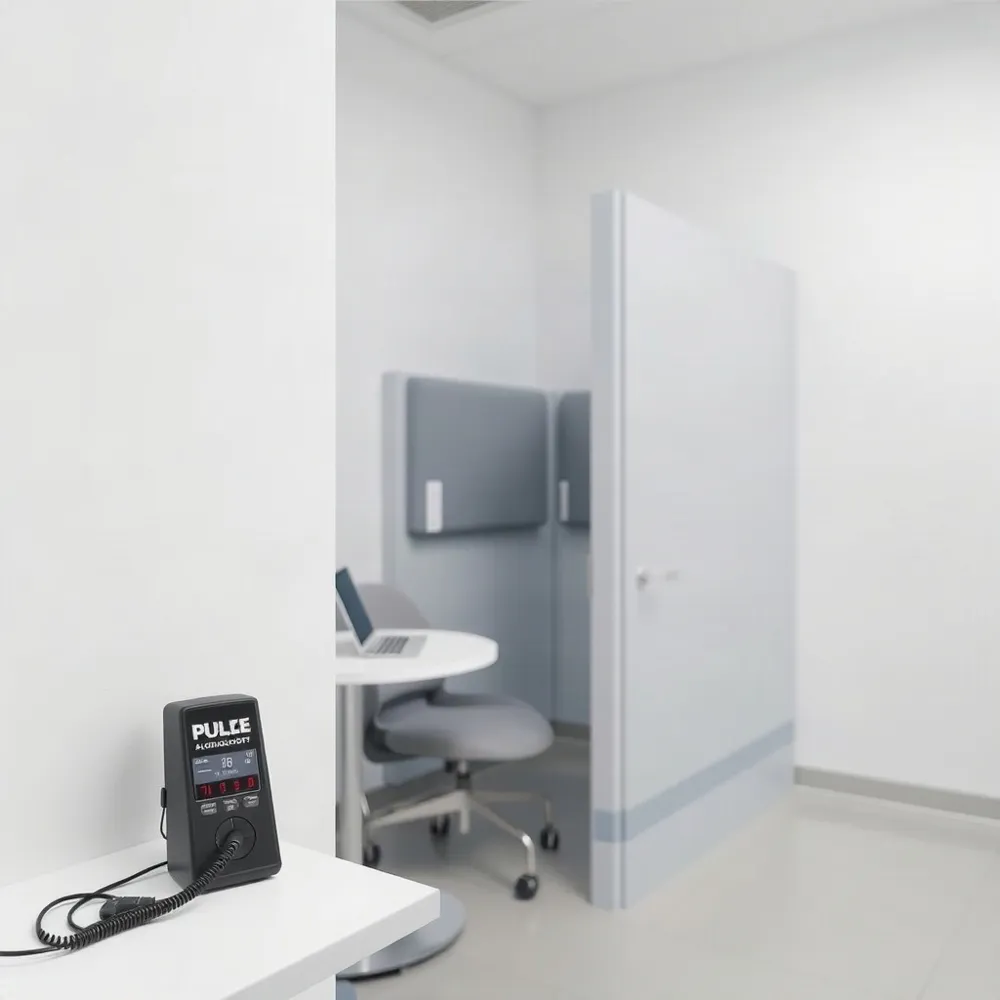 OSHA requires employers to provide audiometric testing as part of a hearing-conservation program when employees are exposed to noise at or above an 8-hour time-weighted average of 85 dBA. Under 29 C.F.R. § 1910.95, the program generally includes a baseline audiogram within six months of an employee’s first qualifying exposure and annual audiograms after that.
If testing is done in a mobile test van, the employer may extend the baseline deadline to one year after the employee’s first exposure. During the first six months, the employee must use hearing protection until the baseline audiogram is obtained.
The employer compares each annual audiogram with the baseline to determine whether a standard threshold shift has occurred. When one is identified, the employer must notify the employee in writing within 21 days, review the audiogram, and take required follow-up steps, which may include refitting hearing protection, retraining, or referral for clinical evaluation.
OSHA requires the testing to be provided at no cost to employees. The standard also sets requirements for test conditions and qualified personnel, and requires employers to retain audiogram records. For a related discussion of workplace exposure requirements, see our article on OSHA audiometry for hazardous noise.
OSHA hearing-conservation audiometry and auditory steady-state response (ASSR) testing in a medical-legal evaluation address hearing, but they serve different purposes. OSHA’s standard does not require ASSR. In occupational claims, NorCal Medical Consulting uses ASSR within independent hearing-loss evaluations alongside the broader medical and audiologic record, rather than treating workplace screening as a legal impairment assessment.
Use ASSR as Part of the Record
For claims professionals, ASSR can add objective, frequency-specific threshold estimates when behavioral testing is difficult, but it does not decide the claim. Interpret each result in light of the equipment, protocol, response quality, and consistency with the broader audiologic record. A study of older adults found that ASSR thresholds sometimes could not be established and could differ from pure-tone results, underscoring the need to explain discrepancies rather than treating estimates as interchangeable (2022 ASSR comparison study).
Document the frequencies tested, methods and criteria for detecting responses, repeatability, and any absent or questionable findings. Include the 3,000 Hz point when the applicable rating schedule requires it, and identify limitations in the test or supporting evidence. NorCal Medical Consulting evaluates occupational hearing-loss claims with ASSR from 500 Hz to 4,000 Hz, including 3,000 Hz, and frames findings within the complete medical-legal record.
ASSR alone does not establish occupational causation, impairment, exaggeration, or disability. Those opinions require reasoned consideration of the test alongside exposure history, other audiologic findings, and the governing claim standards.