The High Cost of Ignoring Auditory Injury in Manufacturing
The Prevalence and Impact of Occupational Hearing Loss
Occupational hearing loss is not a niche issue; it is a pervasive, high-risk hazard in manufacturing. An estimated 22 million U.S. workers are exposed to dangerous noise each year, and the CDC reports that 46% of manufacturing workers have been exposed to hazardous noise. This is not a minor problem. Studies confirm that long-term exposure to noise levels as low as 85 dB(A) can cause irreversible damage. In manufacturing environments where stamping presses, grinders, and assembly lines routinely produce 95 to 115 dBA, the risk of permanent hearing impairment is exceptionally high. This damage is cumulative and irreversible, directly impacting a worker's ability to communicate and perform job duties.
Why It Matters for Safety, Productivity, and Claims
The effects of auditory injury extend far beyond the ability to hear. Workers with hearing loss face significantly elevated safety risks, including difficulty hearing alarms, equipment warnings, and verbal instructions in noisy environments. This leads to a higher probability of accidents. Productivity also suffers, as communication breakdowns reduce efficiency and increase error rates. From a claim perspective, hearing loss is often gradual, making it harder to prove causation. However, it is a compensable injury under workers' compensation. A successful claim hinges on early, thorough documentation. Delaying a report or failing to secure a baseline audiogram can severely undermine a case, allowing insurers to attribute the loss to aging or non-work factors instead of the manufacturing job.
The Critical Role of Early Assessment
Early recognition and prompt action are not just best practices; they are the foundation of a defensible claim. The first step after noticing symptoms like tinnitus or difficulty hearing conversation is to report the issue to a supervisor immediately and obtain a comprehensive medical evaluation by a qualified audiologist. This initial medical report, including audiometric testing, establishes a clear link between the worker's job duties and the hearing loss. It also provides a baseline against which future deterioration can be measured. For expert witness purposes, a detailed timeline of symptom onset, noise exposure logs, and consistent audiometric test results are the most powerful forms of evidence. Proactive assessment demonstrates due diligence and significantly strengthens the worker's position, whether in a workers' compensation claim or a personal injury lawsuit. Without it, the high cost of ignoring auditory injury is borne not just by the worker’s health, but by the viability of their legal case. | Risk Factor | Impact on Manufacturing Worker | Key Documentation for Claim | |---|---|---| | Prolonged exposure (e.g., >10 years) | Cumulative, permanent hearing loss | Detailed work history with job titles, dates, and noise description | | High noise levels (e.g., >90 dBA) | Direct damage to inner ear hair cells | Workplace noise monitoring reports (dosimetry, sound-level meters) | | Lack of hearing conservation program | Increased probability of hearing injury | Training records, PPE issuance logs, OSHA compliance records | | Smoking combined with noise exposure | Synergistic effect, increasing loss risk | Medical history documenting smoking and hearing test results |
Understanding Auditory Assessments in the Manufacturing Workplace
What is an auditory assessment?
An auditory assessment, or hearing evaluation, is a series of tests performed by a qualified audiologist to measure a person’s hearing ability across different pitches and volumes. It determines the type, degree, and likely cause of hearing loss, which is essential for guiding medical treatment, workplace accommodations, or compensation claims.
What are the components of a comprehensive hearing evaluation?
A complete evaluation for occupational injury begins with pure‑tone audiometry, which tests hearing at frequencies from 250 to 8000 Hz. Speech audiometry, including speech‑recognition thresholds and word recognition scores, measures how well the worker understands spoken language. Middle‑ear function is assessed through tympanometry, which evaluates eardrum mobility and ear canal pressure. For cases involving head trauma or sudden hearing loss, otoacoustic emissions (OAEs) and auditory brainstem response (ABR) testing may be added. These objective tests can detect sub‑clinical damage to inner‑ear hair cells even when standard audiograms appear normal.
What are the testing environment and equipment requirements?
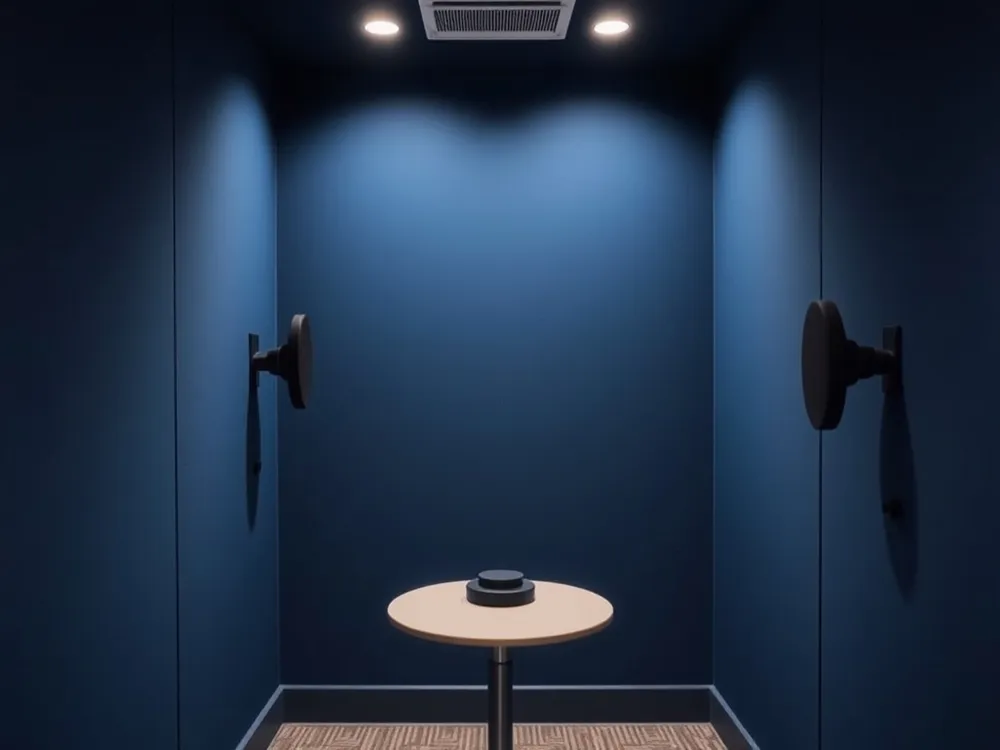
All audiometric testing must be conducted in a sound‑treated booth that meets ANSI S3.1 ambient‑noise standards. Equipment must be calibrated daily and annually according to OSHA and ANSI specifications to ensure reliable, defensible results. Qualified test personnel include audiologists, otolaryngologists, physicians, or certified occupational hearing conservationists (CAOHC).
Why is this clinically relevant for occupational injury?
For manufacturing workers exposed to hazardous noise levels (often 85‑115 dBA), regular auditory assessments establish baseline hearing and track changes over time. Early detection of a standard threshold shift (STS) – defined as a 10 dB average change at 2000, 3000, and 4000 Hz – provides objective medical evidence linking hearing loss to workplace exposure, which is critical for successful workers’ compensation or disability claims. Audiometric patterns, such as a classic 4 kHz notch, can differentiate noise‑induced loss from age‑related hearing decline, strengthening the causal link for legal and insurance purposes. Serial testing demonstrating progressive loss further supports claim severity and eligibility for benefits, including hearing aids, vocational rehabilitation, and permanent disability compensation. | Assessment Component | Purpose | Relevance to Occupational Claim | |---|---|---| | Pure‑tone audiometry | Measures hearing thresholds at 250‑8000 Hz | Quantifies degree and type of loss (sensorineural vs. conductive) for impairment rating | | Speech audiometry | Assesses speech‑recognition threshold and word recognition | Documents functional impact on communication; required for SSA and VA claims | | Tympanometry | Evaluates middle‑ear function | Rules out conductive causes; ensures accurate sensorineural loss assessment | | Otoacoustic emissions (OAEs) | Detects outer hair cell damage | Reveals sub‑clinical cochlear injury even with normal audiograms | | Auditory brainstem response (ABR) | Objective neural response testing | Confirms loss when behavioral testing is unreliable; detects malingering | | Standard threshold shift (STS) analysis | Compares annual to baseline audiogram | Triggers OSHA recording and medical intervention; provides proof of workplace causation |
OSHA Standards Governing Noise Exposure and Hearing Conservation
What Are the OSHA Guidelines for Hearing Loss?
OSHA establishes two critical exposure thresholds. At an 8-hour time-weighted average (TWA) of 85 dB(A) , employers must implement a Hearing Conservation Program (HCP) . An 8-hour TWA of 90 dB(A) triggers a requirement for engineering or administrative controls. The permissible exposure limit allows higher levels for shorter durations, for example 95 dB(A) for 4 hours. Impulsive noise must never exceed 140 dB peak sound pressure level.
How Do the Requirements for Hearing Conservation Programs Function?
An HCP is a comprehensive preventive system. It mandates baseline and annual audiometric testing to detect a Standard Threshold Shift (STS) — a 10 dB or greater average change at 2000, 3000, and 4000 Hz. It also requires provision of hearing protection devices (HPDs), employee training , and noise monitoring. All components are designed to identify hearing loss early and prevent further damage.
What Are Engineering and Administrative Controls?
For exposures at or above the 90 dB(A) TWA, employers must prioritize engineering or administrative controls over personal protective equipment. Engineering controls include using quieter machinery, installing barriers, or isolating noise sources. Administrative controls involve rotating employees to limit exposure time. These measures reduce the hazard at its source and are a primary indicator of an employer’s compliance diligence.
What Record-Keeping and Training Obligations Exist?
Employers must maintain noise exposure measurement records for at least two years and keep audiometric test records for the duration of employment. Annual training for exposed employees must cover noise effects, proper use of HPDs, and the significance of STS detection. Missing records can lead to adverse legal inferences in claim disputes, making thorough documentation a cornerstone of a valid claim.
| Regulation Topic | Key Threshold/Requirement | Employer Obligation |
|---|---|---|
| Exposure Action Level | 85 dB(A) 8‑hr TWA | Implement Hearing Conservation Program |
| Permissible Exposure Limit | 90 dB(A) 8‑hr TWA | Implement engineering/administrative controls |
| Short‑Duration Exposure | 95 dB(A) for 4 hours | Follow Table G‑16 for allowed durations |
| Peak Noise Limit | 140 dB (impulsive/impact) | Ensure no exposure exceeds this level |
| Audiometric Testing | Baseline + annual (detect STS) | Provide testing, retest in 30 days, notify employee |
| Training | Annual, for all exposed workers | Cover noise effects, HPD use, STS meaning |
| Record Retention | Noise records: ≥2 years; audiograms: employment duration | Preserve and provide access upon employee request |
Building a Robust Evidence Package for Hearing Loss Claims
What evidence is needed for a hearing loss claim?
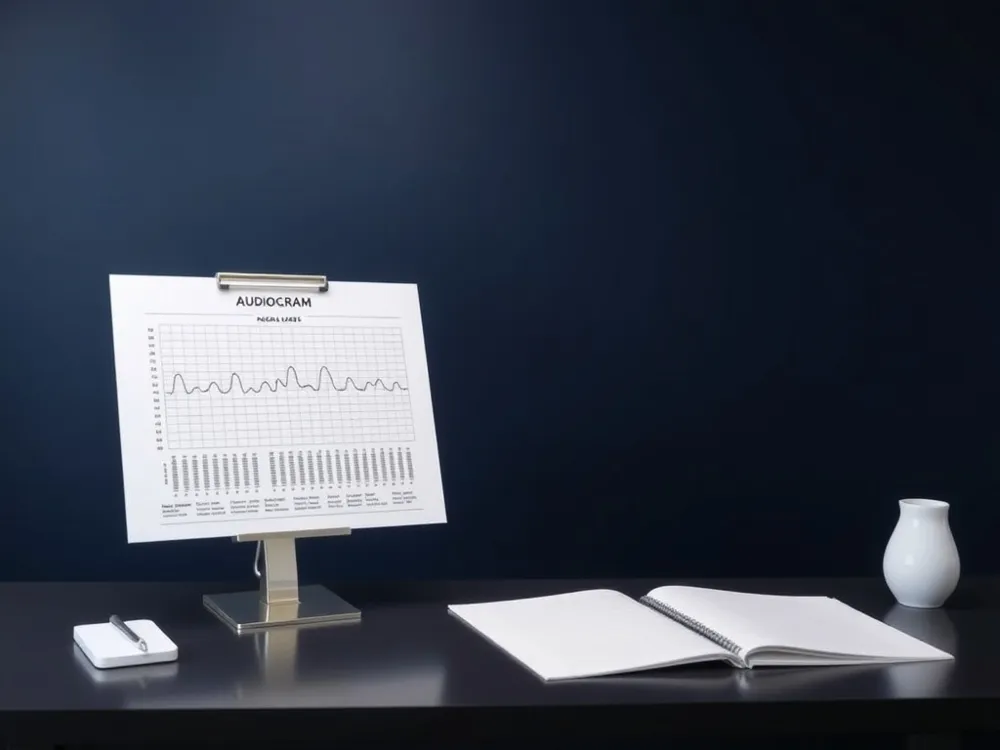
A successful claim hinges on a comprehensive package of medical and occupational evidence. A thorough audiologic evaluation by a licensed audiologist or ENT specialist is the cornerstone. This must include pure-tone audiograms, which chart your hearing thresholds across different frequencies, and speech-in-noise scores, which measure your ability to understand conversation in realistic, noisy environments.
Medical records must explicitly link the hearing loss to workplace noise exposure. This connection is strengthened by demonstrating your exposure levels were at or above regulatory thresholds, such as OSHA's permissible exposure limit of 90 dBA for an 8-hour day. A detailed work history outlining job duties in high-risk environments is also vital.
Pure-Tone Audiograms and Speech-in-Noise Scores
Pure-tone audiometry is the gold standard for documenting the degree and type of hearing loss. It produces an audiogram, a graph that shows the quietest sounds you can hear at various pitches. A characteristic
Securing Formal Proof of Hearing Loss
The foundation of any compelling hearing loss claim is undeniable medical documentation. You cannot rely on self-reported symptoms; objective evidence is required. This section details the essential steps and documents you need to secure formal proof of your hearing loss for a legal or insurance claim.
How Can I Obtain Proof of Hearing Loss? The Referral Pathway
Your journey to formal proof begins with a primary care physician. Discuss your symptoms – such as difficulty hearing conversations, tinnitus, or needing higher volume – and request a referral to an audiologist or an ear, nose, and throat (ENT) specialist. This referral is your entry point to a comprehensive audiological evaluation. The evaluation will be conducted in a sound-treated booth to ensure accuracy.
What Are the Key Components of an Audiology Report?
A comprehensive audiology report is a multi-part legal document, not just a single score. It must include several core components to be considered complete by insurers and courts. The report should detail your medical history, including occupational noise exposure, and document the results of pure-tone audiometry, which produces your audiogram. It must also include speech audiometry results and tympanometry, which assesses middle ear function. A vital part of the report is the clinical assessment, where the audiologist states the probable occupational cause and degree of hearing loss.
How Do I Obtain and Authenticate My Audiograms?
The audiogram itself is the most crucial piece of evidence. You have a legal right to a copy of your audiogram from the testing facility. Authentication is key; the audiogram must clearly show the clinic's name and address, the date of testing, the technician's signature and credentials, and the calibration date of the audiometer. Ensure the audiogram displays the standard thresholds at 500, 1000, 2000, 3000, 4000, and 6000 Hz, which is required by OSHA for documenting a Standard Threshold Shift.
How Can I Leverage Clinic Records for Legal Filings?
Clinic records are your primary evidence. Request all records, including the doctor's notes, test results, and the formal written report. When filing a workers' compensation claim (such as Form CA-2) or a disability claim, you must attach these records to establish the degree and cause of your hearing loss. The medical report provides the necessary nexus linking your hearing loss directly to your job. These records are often used to counter arguments from insurance carriers that your hearing loss is due to age or non-work factors, as they provide objective benchmarks for comparison.
| Audit Component | Purpose for Claim | Key Details to Verify |
|---|---|---|
| Pure-Tone Audiometry | Documents degree and pattern of loss | Date, frequencies tested (250-8000 Hz), technician credentials |
| Speech Audiometry | Validates pure-tone results; shows functional impact | Speech reception threshold (SRT) and word recognition score |
| Medical Report | Establishes medical causation and prognosis | Diagnosis, opinion on causation, treatment recommendations |
Safe Listening Practices: The 60‑60 Rule
What is the 60‑60 rule for safe listening?
The 60‑60 rule is a guideline for safer listening with personal audio devices, recommending that you set the volume to no more than 60 percent of the device’s maximum and limit listening to 60 minutes per day. Following this rule helps reduce the risk of noise-induced hearing loss, which is a growing concern due to prolonged exposure to loud sounds. Using noise-canceling headphones can further protect your ears by minimizing background noise, ensuring compliance.
Volume and time thresholds
These parameters cap acoustic output and enforce structured breaks. They prevent cochlear fatigue and stop unsafe volume compensation in acoustically challenging settings.
Application to personal devices and workplace training
Manufacturers should implement built-in limiters, while employers must integrate these metrics into hearing conservation protocols. Training ensures workers avoid compounding recreational exposure with industrial hazards.
Preventive impact on long‑term hearing health
Strict adherence preserves auditory function and curbs cumulative damage. Prioritizing routine breaks protects communication abilities and lowers long-term medical expenses.
| Practice | Threshold | Purpose | |----------|-----------|---------|<br>| Volume Level | 60% Max | Prevents cochlear strain | | Duration | 60 mins | Enables auditory recovery | | Device Type | Noise-canceling | Lowers background interference | | Training Focus | Workplace/Personal | Maintains compliance |
Choosing Effective Hearing Protectors: The 5 C’s
What are the 5 C’s of hearing protection?
The five C’s of hearing protection provide a practical framework for selecting devices that workers will consistently and correctly use in manufacturing environments. Effective hearing protection reduces the risk of noise‑induced hearing loss, strengthening an employer’s claim defense.
- Comfort: Protectors must be comfortable for extended wear; discomfort leads to workers removing them, negating protection. Custom‑molded earplugs or well‑padded earmuffs often improve compliance.
- Compatibility: Devices must work with other personal protective equipment (PPE) such as hard hats, welding helmets, and face shields. Low‑profile earmuffs or earplugs are often better suited for multi‑PPE tasks.
- Convenience: Easy‑to‑don and easy‑to‑doff devices encourage consistent use. Pre‑formed earplugs or banded earplugs are more convenient than roll‑down foam plugs for frequent entry/exit.
- Communication: Protectors should attenuate hazardous noise while allowing workers to hear speech, safety alarms, and equipment sounds. Flat‑response or electronic level‑dependent protectors can improve communication and safety.
- Cost: Affordable options increase the feasibility of providing multiple protector types. Cost must be balanced against the risk of hearing‑loss claims, which can far exceed the price of quality PPE.
Practical selection tips for manufacturing settings
Employers should conduct a hearing protector fit test to verify individual attenuation. Offering a selection of protector types (foam plugs, pre‑molded plugs, earmuffs) allows workers to choose the most comfortable and compatible option for their specific task and PPE combination.
Link to reduced claim risk
A robust hearing conservation program (HCP) with properly selected and fitted hearing protectors demonstrates due diligence. Documented fit testing, training, and enforcement of consistent protector use can limit employer liability and reduce the value of claims by showing that reasonable precautions were taken.
Standard Threshold Shift (STS): Calculation and Claim Significance
Standard Threshold Shift (STS): Calculation and Claim Significance
A Standard Threshold Shift (STS) represents a significant change in auditory function, defined by OSHA as an average increase of 10 dB or more at frequencies of 2000, 3000, and 4000 Hz in one or both ears relative to the established baseline audiogram. This calculation isolates the high-frequency range most susceptible to permanent noise-induced damage. Calculation requires averaging thresholds at 2000, 3000, and 4000 Hz for the current test against the baseline average. If a recorded loss exists, comparisons shift to a revised baseline reflecting previous impairments, ensuring accurate tracking of progressive deterioration.
OSHA permits age-adjustment of the current audiogram when determining STS, using regulatory tables to account for presbycusis. This adjustment subtracts expected age-related changes, helping distinguish noise-induced loss from natural aging. A recording is only required when the STS coincides with a total hearing level of 25 dB or more averaged at 2000, 3000, and 4000 Hz. This prioritizes substantively significant auditory loss for documentation. This helps differentiate occupational injury from non-work factors. Detailed STS records also verify compliance with hearing conservation programs. For claims, detecting an STS triggers mandatory employee notification and prompts formal filing. Retesting within 30 days may confirm or reverse the shift, directly impacting the evidentiary weight of the claim. Accurate STS calculation supports apportionment efforts, as baseline metrics allow insurers to isolate current liability.
Occupational Noise‑Induced Hearing Loss: Prevention and Monitoring
What is occupational noise‑induced hearing loss and how is it monitored?
Occupational noise‑induced hearing loss (NIHL) is permanent damage to the inner ear caused by prolonged exposure to workplace noise at or above 85 dBA. The inner ear’s delicate hair cells, which are essential for hearing, are destroyed by this noise and do not regenerate. This damage is almost entirely preventable with proper hearing protection and engineering controls, such as using quieter machinery or isolating noise sources.
Risk Factors Unique to Manufacturing
Manufacturing environments present specific high risks for NIHL. Common sources include stamping presses, grinders, conveyors, and pneumatic tools. Impulsive noise from events like metal stamping is particularly damaging. Additionally, exposure to ototoxic chemicals, such as organic solvents or heavy metals, can worsen noise-related damage. A study of auto‑part factory workers found that a 10-pack-year smoking history also significantly increased the risk.
The Role of Baseline and Annual Audiometric Testing
Employers monitor hearing health through baseline and annual audiometric testing. A baseline audiogram is obtained within six months of employment to establish a reference point. Annual tests detect a Standard Threshold Shift (STS), defined as an average change of 10 dB or more at 2000, 3000, and 4000 Hz. This early detection triggers required interventions like providing hearing protection devices and counseling.
Hearing Conservation Programs and Claim Timing
A hearing conservation program (HCP) is mandated when employees are exposed to an 8-hour time-weighted average (TWA) of 85 dBA. HCPs include noise monitoring, audiometric testing, training, and record-keeping. Eligible claims for workers’ compensation rely on documenting this exposure and hearing loss progression. Prompt reporting of symptoms, such as tinnitus or difficulty understanding speech, is critical as strict deadlines for filing a claim can affect eligibility.
| Risk Factor / Monitoring Component | Manufacturing Relevance | Specific Example / Impact |
|---|---|---|
| Noise Source | Common in all manufacturing areas | Stamping presses exceed 95 dBA; impulsive noise from metal work is especially hazardous. |
| Ototoxic Chemicals | Can worsen hearing damage | Organic solvents and heavy metals are often present in paint booths or cleaning stations. |
| Standard Threshold Shift (STS) | Detects early hearing changes | An STS triggers employee notification and mandatory hearing protection. |
| Audiogram Frequency Range | Key for monitoring loss | Testing includes 2000‑4000 Hz to identify the classic “noise notch.” |
| Hearing Conservation Program (HCP) | Required lawfully at 85 dBA TWA | Includes noise surveys, training, and record retention for claim defense. |
Early Detection of Hearing Loss: The 1‑3‑6 Rule
What is the 1‑3‑6 rule for early detection of hearing loss in children?
The 1‑3‑6 rule provides a critical timeline for newborn hearing screening and intervention. It recommends that every infant be screened for hearing loss by 1 month of age. If the initial screening is not passed, a definitive diagnosis must be obtained by 3 months. For those diagnosed with permanent hearing loss, early intervention services should begin by 6 months. This guideline is endorsed by the National Institute on Deafness and Other Communication Disorders (NIDCD) and other leading health organizations to ensure timely support.
Why is early identification crucial for lifelong hearing health?
Adhering to the 1‑3‑6 timeline is essential because the first years of life are a critical period for language acquisition and brain development. Without early intervention, children with hearing loss can experience significant delays in speech, language, and social-emotional skills, which can have a lasting impact on academic and professional success. Early detection allows for the prompt fitting of hearing aids or cochlear implants, access to family-centered support, and enrollment in specialized early childhood education programs, which dramatically improve developmental outcomes and set a foundation for lifelong communication.
How does this rule relate to workers and occupational health outreach?
For manufacturing employees who are parents or caregivers, understanding the 1‑3‑6 rule is a practical tool for safeguarding their children's hearing health. Occupational health programs can leverage this framework in outreach efforts by including information about newborn hearing screening in wellness materials or during health fairs. By connecting workplace hearing conservation efforts with family health education, employers can foster a culture of proactive hearing care that extends beyond the job site, reinforcing the message that hearing loss is preventable, detectable, and treatable at every stage of life.
Putting It All Together: A Roadmap to Successful Auditory‑Loss Claims
A Roadmap for Success
A successful occupational hearing-loss claim is built on a foundation of thorough documentation, strict regulatory compliance, and strategic evidence collection. The process begins with a comprehensive medical evaluation, including baseline and annual audiograms, speech-recognition testing, and, when indicated, objective measures like otoacoustic emissions (OAEs) or auditory brainstem response (ABR). This clinical data must be paired with meticulous workplace records: noise monitoring reports, decibel measurements, exposure logs, and training documentation that demonstrate the link between job duties and hearing damage.
OSHA Compliance and Evidence Collection
Employers are required to implement a Hearing Conservation Program (HCP) when noise exposure reaches an 8-hour time-weighted average (TWA) of 85 dB(A). OSHA’s recording criteria for a Standard Threshold Shift (STS)—a 10 dB or greater average change at 2000, 3000, and 4000 Hz—provides a clear benchmark for when hearing loss must be documented. To strengthen a claim, claimants should gather all relevant medical files, workplace noise data, and a detailed employment history that accounts for exposure duration, intensity, and any periods of non-compliance with hearing protection policies.
Protective-Equipment Strategy
Consistent use of employer-provided hearing protection devices (HPDs) is a critical factor. While workers should always use properly fitted earplugs or earmuffs, insurers may attempt to argue that non-use weakens a claim. Conversely, maintaining a log of HPD use, fit training, and the employer’s provision of multiple protection options reinforces the worker’s diligence and can shift liability toward the employer for any exposure gaps.
A Call to Engage Expert Consultants
Navigating the complexities of workers’ compensation, OSHA regulations, and legal timelines requires specialized knowledge. For workers, engaging a qualified workers’ compensation attorney and an audiologist experienced in medico-legal evaluations ensures that all evidence is correctly assembled and presented. For employers, partnering with an industrial hygienist or acoustic consultant can help reconstruct historical noise levels, analyze audiometric trends, and prepare a robust defense against disputed claims. By combining careful documentation with expert guidance, all parties can achieve fair, evidence-based outcomes. Proactive assessment and early expert consultation are the most effective strategies for protecting both worker health and employer liability.