Why Prompt Action Matters After a Workplace Injury
Importance of Immediate Response
Taking swift action immediately after a workplace injury is critical for both health and legal reasons. Prompt medical evaluation helps prevent complications and ensures appropriate care is documented. Emergency treatment should be sought immediately in life-threatening situations, while non-emergencies require timely attention from authorized healthcare providers.
Preserving Workers' Rights and Claims
Quickly reporting an injury to a supervisor and providing written notice—including details like date, time, and a description—protects employees’ rights. Timely notification supports the worker's compensation claim by ensuring the incident is officially recorded and prevents insurance companies from denying or disputing the nature of the injury. Detailed documentation, including medical records and witness statements, strengthens claim legitimacy.
Legal Deadlines for Reporting Injuries
Reporting deadlines vary by state but are strictly enforced. For example, workers in California must report injuries within 30 days, while Pennsylvania allows up to 120 days. Failure to meet these deadlines can result in claim denial or loss of benefits. Employers also have reporting obligations to authorities, such as OSHA’s requirements for fatality and severe injury notifications within 8 to 24 hours.
Adhering to prompt response protocols ensures better health outcomes, safeguards workers' legal entitlements, and maintains compliance with workplace injury laws.
Immediate Medical Attention: The Critical First Step
What steps should be taken immediately after any injury to manage it effectively?
After experiencing an injury, prompt care is essential to minimize damage and support healing. Initially, resting the injured area, applying ice, compressing gently, and elevating the affected part help reduce swelling and bleeding. For cuts or open wounds, carefully clean the area with water and cover with a sterile bandage. Deep or dirty wounds require medical evaluation for possible stitches to prevent infection. Watch for infection signs such as redness, swelling, warmth, pus, or fever, and seek immediate care if observed. Use of ointments or medications should only be under medical guidance. Severe bleeding or injuries to sensitive areas necessitate urgent emergency care.
What should be done immediately after an injury occurs in the workplace?
Following a work-related injury, ensure Seek immediate medical attention after a workplace injury for life-threatening or serious injuries by calling emergency services or visiting the nearest emergency room (treat workplace injuries). For non-emergencies, first aid can be administered, followed by prompt evaluation by a healthcare provider specializing in occupational medicine. Immediate medical documentation of the injury is critical to support health outcomes and claims processes. Report the work injury to your employer within 30 days in California as soon as possible, ideally within 30 days, to protect workers’ compensation rights. Employers must provide claim forms promptly, and injured workers should complete and submit them without delay (Employee Work-Related Incident Reporting). Consulting a workers' compensation lawyer may be sought to navigate claims effectively and address any potential delays or disputes.
Documenting injuries through medical treatment
Medical records serve as crucial documentation of the injury and treatment plans. Injured workers should Informing employer about injury healthcare providers that the injury occurred at work to ensure correct classification and eligibility for workers’ compensation (Workplace Injury). Following doctor's orders after injury and attending follow-up appointments directly affect recovery prospects and claim validity.
| Key Actions After Injury | Purpose | Notes |
|---|---|---|
| Rest, Ice, Compression, Elevation | Reduce swelling and control bleeding | Immediate on-site care |
| First Aid or Emergency Response | Address wound or life-threatening conditions | Employ trained personnel or call 911 |
| Medical Evaluation and Documentation | Confirm injury details and plan treatment | Critical for workers’ compensation claims |
| Injury Reporting to Employer | Preserve legal rights and trigger claims process | Report ideally within 30 days |
| Follow medical advice | Promote recovery and validate claims | Attend all appointments and comply with restrictions |
Reporting Workplace Injuries: Legal Requirements and Best Practices

What are the procedures for reporting a workplace injury or accident?
After a workplace injury, the employee should immediately notify their supervisor or designated safety officer. This initial notification can be verbal but must be followed by a written report detailing the incident, including the date, time, location, and nature of the injury or illness. Documentation should also include photographs of the scene and injury, as well as statements from witnesses, to support any workers' compensation claim. For detailed guidance, see Employee Work-Related Incident Reporting.
Employers are obligated to record the injury in their workplace injury log and, depending on the severity, to report the incident to OSHA or similar regulatory bodies. Investigations should be conducted to identify root causes and implement corrective measures to prevent recurrence. Refer to OSHA Injury Tracking Application for recording and reporting requirements.
Employer notification deadlines
Reporting deadlines vary by jurisdiction but must be adhered to strictly. For example, in California, injuries must be reported to the employer within 30 days to retain eligibility for workers' compensation benefits. OSHA requires employers to report fatalities within 8 hours and severe injuries such as amputations or hospitalizations within 24 hours. Refer to Work injury reporting deadlines and OSHA injury and illness reporting requirements.
Workers' compensation claims filing
Once an injury is reported, the employee should file a workers' compensation claim promptly by completing the necessary forms, such as the DWC1 form in California or equivalent documentation elsewhere. Employers must also submit their reports to insurance carriers and workers' compensation boards within specified time frames to avoid penalties. For more details, visit How to report a workplace injury and Injured at work in California.
Documentation including photos and witness statements
Maintaining detailed records is crucial for claim support and legal compliance. This includes collecting medical reports, incident photographs, and written witness statements. Proper documentation aids in preventing disputes regarding the nature and cause of the injury. Useful information can be found at Documenting workplace injury incidents and Workplace Injury Reporting Procedures.
Communication with insurance and legal counsel
Employees and employers should exercise caution when communicating with insurance adjusters, avoiding recorded statements or signing documents without legal advice. Consulting a workers' compensation lawyer is recommended, especially if claims are denied or disputed. Legal counsel can ensure accurate documentation, help navigate complex claim processes, and protect employee rights throughout recovery and claim resolution. For guidance, see Consulting a workers' compensation lawyer and Navigating workers' compensation claims.
OSHA Recordkeeping and Reporting: Ensuring Compliance
What are the OSHA recordable requirements for workplace injuries?
OSHA requires that workplace injuries and illnesses be recorded if they result in death, days away from work, restricted work or job transfer, medical treatment beyond first aid, or loss of consciousness. Additionally, any injury or illness diagnosed by a healthcare professional as significant—even if it doesn't meet other criteria—must be recorded. Examples include fractures, punctured eardrums, and chronic diseases linked to work. Work-related hearing loss and other occupational illnesses also fall under these requirements.
Mandatory log entries and annual summaries
Employers with more than 10 employees must maintain OSHA 300 Logs to document all recordable injuries and illnesses. These records must be kept at the worksite for at least five years. Employers are also required to post an annual summary of the recorded injuries and illnesses from the previous calendar year publicly from February through April to keep employees informed.
Situations requiring fatality or severe injury reports
Work-related fatalities must be reported to OSHA within 8 hours. Severe injuries such as amputations, loss of eye(s), or hospitalizations must be reported within 24 hours. Failure to report these incidents promptly can result in penalties and impede safety investigations. See more on Severe injury reporting requirements.
Role of OSHA Injury Tracking Application
Certain employers are mandated to electronically submit injury and illness data through OSHA's Injury Tracking Application (ITA). This facilitates nationwide data collection, enabling OSHA to monitor workplace safety trends and compliance.
Employer responsibilities and legal implications
Employers must ensure accuracy and timeliness in injury recordkeeping. Thorough investigations, proper documentation, and adherence to reporting deadlines are essential. OSHA logs are legally binding records often reviewed during inspections and can impact workers' compensation claims and legal liability. Maintaining compliance safeguards employee rights and helps improve workplace safety protocols. For more details on OSHA injury and illness recordkeeping and employer reporting obligations, see relevant OSHA and legal resources.
Managing Hearing Loss and Noise Exposure in the Workplace
What are the OSHA requirements regarding hearing loss protections?
OSHA mandates that employers protect workers exposed to noise levels averaging 85 decibels A-weighted (dBA) or above over an 8-hour shift. In such environments, employers must implement a comprehensive Hearing Conservation Program. This program includes noise monitoring, notifying employees of exposure risks, providing hearing protectors at no cost, conducting baseline audiometric testing within six months of initial exposure, and scheduling annual hearing tests to detect potential hearing loss.
Employers are responsible for controlling noise exposure to remain below the permissible exposure limit of 90 dBA averaged over 8 hours, with exposure duration halved for every 5 dBA increase above the limit. Ongoing recordkeeping of noise measurements and audiometric test results is required to demonstrate compliance and to monitor employee hearing health.
What is a Standard Threshold Shift (STS) in hearing loss?
A Standard Threshold Shift (STS) is defined by OSHA as a change in hearing threshold of 10 decibels (dB) or more at the frequencies of 2000, 3000, and 4000 Hz in either ear compared to a baseline audiogram. To be OSHA recordable, the total hearing level in the affected ear(s) must reach or exceed 25 dB.
Determining an STS requires comparison between current and baseline audiograms, with age adjustments applied when evaluating threshold shifts but not for the 25 dB hearing level. If an initial STS is detected, a retest must be conducted within 30 days. A confirmed STS requires recording on the OSHA 300 Log within seven days, while an unconfirmed STS does not need to be recorded. More details on these OSHA 300 Log recording requirements can be found from OSHA.
What are the audiometric testing and recordkeeping procedures?
Audiometric testing involves establishing a baseline audiogram shortly after exposure begins and annual re-tests to detect threshold shifts. Employers must maintain accurate and confidential records of these tests. If an STS is confirmed, it must be documented on the OSHA 300 Log, specifically in the hearing loss column. The audiometric equipment must be calibrated regularly, and all testing should conform to OSHA standards to ensure reliable results. For more about recording occupational hearing loss cases and hearing loss documentation see specialized hearing loss guidance resources.
What are employer responsibilities for noise exposure control?
Employers must regularly assess workplace noise levels to identify and mitigate hazardous exposure. Controls can include engineering solutions, administrative measures like rotating workers, and ensuring use of hearing protective devices. Employers must provide training on noise hazards and protective measures. Hearing protection devices must be provided free of charge and maintained properly. For comprehensive information about employer safety requirements and workplace safety for all employees visit the Department of Labor’s resources.
What is the role of audiologists in work-related hearing loss assessments?
Audiologists play a crucial role in diagnosing and assessing occupational hearing loss. They perform audiometric tests, differentiate between noise-induced hearing loss and other causes, and evaluate the work-relatedness of hearing deficits. Audiologists provide necessary documentation for OSHA recordkeeping and assist employers and employees in understanding hearing loss results. Their expertise ensures accurate detection of threshold shifts and compliance with legal requirements. For detailed information on audiologist’s role in work-related hearing loss and assessment standards, refer to audiology professional publications.
| Topic | Description | Importance |
|---|---|---|
| OSHA Hearing Protections | Hearing Conservation Program, noise monitoring | Ensures worker hearing safety |
| Standard Threshold Shift (STS) | 10 dB change at key frequencies, 25 dB level | Basis for recordable hearing loss |
| Audiometric Testing & Recordkeeping | Baseline and annual tests, OSHA logs | Accuracy and legal compliance |
| Employer Noise Exposure Control | Noise measurement, protective equipment | Reduces risk of hearing damage |
| Audiologist's Role | Testing, diagnosis, documentation | Expert evaluation and regulatory support |
Workers’ Rights and Employer Duties Following a Work Injury
What rights do workers have under OSHA regarding unsafe working conditions?
Workers are entitled to a Safe and Healthy Workplace under federal OSHA regulations. They have the right to Report work-related injuries or illnesses and can refuse tasks they genuinely believe pose an imminent danger of death or serious injury. If a hazard exists, workers should first notify their employer to remove the risk; refusal to work is protected only when the employer fails to act and the danger is imminent.
Protection against retaliation
Employers are prohibited from retaliating against employees who report hazards or refuse to perform unsafe work. Workers who experience retaliation can file complaints with OSHA or other relevant agencies to protect their rights.
Employer legal mandates for safety measures and PPE
Employers must identify and eliminate hazards, provide necessary safety equipment such as Personal Protective Equipment (PPE), and ensure training in a language employees understand. These requirements support injury prevention and compliance with OSHA standards.
Employee access to injury records and OSHA resources
Employees have the right to access workplace injury and illness records, review medical logs, and request OSHA inspections if safety concerns arise. Employers must maintain records of serious injuries and post annual summaries to keep workers informed. For detailed regulations, see OSHA Injury Tracking Application and OSHA injury and illness recordkeeping.
Role of legal counsel in workers’ compensation claims
Navigating workers' compensation claims can be complex. Consultation with specialized attorneys helps injured employees ensure all claims are properly documented and pursued, particularly if claims are denied or disputed. Many attorneys operate on a Workers' compensation lawyer contingency fees, making legal support accessible without upfront cost.
Investigating and Preventing Future Injuries: Employer and Worker Responsibilities
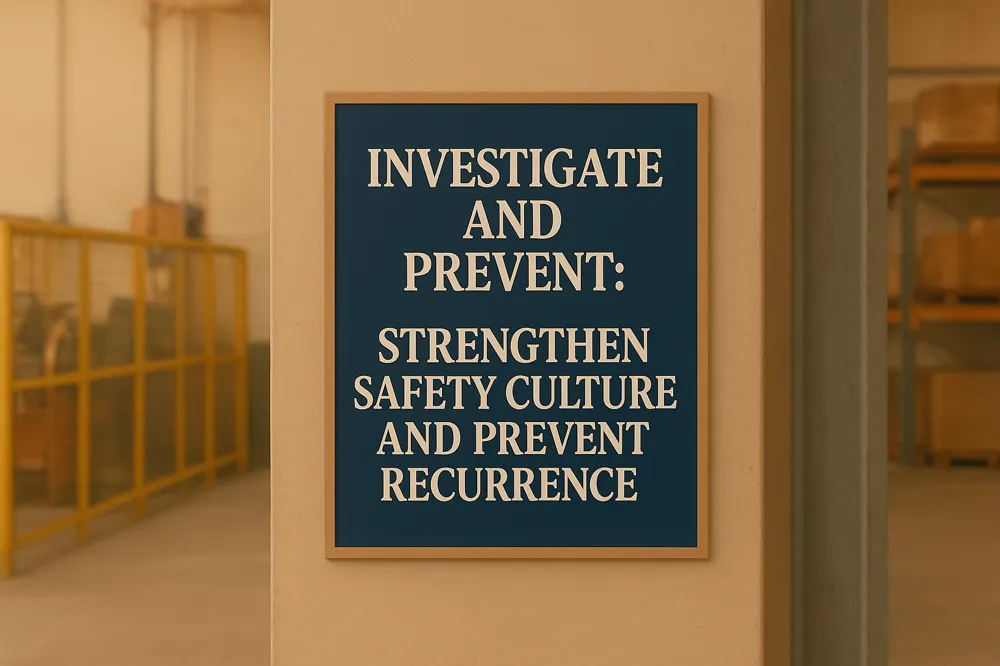
Conducting Thorough Injury Investigations
When a workplace or vehicle accident occurs, employers must promptly investigate to identify causes and prevent recurrence. This involves securing the scene, assessing the incident timeline, and analyzing contributing factors such as equipment failure or environmental hazards. Thorough investigations help ensure legal compliance and improve future safety. For detailed guidance, see Steps to take after a workplace injury.
Collecting Witness Statements and Documenting Scenes
Gathering witness statements is vital to obtaining accurate accounts of the incident. Employers should interview all witnesses while memories are fresh. Documenting the scene with photographs, measurements, and videos provides objective evidence that supports claims and informs corrective strategies. Learn more at Employee Work-Related Incident Reporting.
Implementing Corrective Actions and Safety Improvements
Following investigation, employers are responsible for promptly addressing hazards. This may include equipment repairs, modifying work processes, or enhancing training programs. Corrective actions reduce the risk of repeat injuries and help maintain regulatory compliance. For additional information, visit Key Steps to Take During First 48 Hours After a Workplace Injury.
Developing Return-to-Work Plans with Accommodations
Personalized return-to-work plans should be created for injured workers, considering medical restrictions and job requirements. Accommodations might include modified duties or adjusted schedules, facilitating safe recovery and minimizing productivity disruption. More about this can be found in 5 Simple Steps to Employee Injury Care.
Encouraging a Culture of Safety and Open Communication
Fostering an environment where employees feel comfortable reporting hazards or injuries encourages early intervention. Transparent communication about safety measures and incident outcomes supports continuous improvement and workforce engagement. See Workplace Injury Reporting Procedures for more insights.
What are the key steps to follow when involved in a workplace or vehicle accident?
The first priority is ensuring your safety and that of others. Seek immediate medical attention after a workplace injury. Collect and record information such as contact details and witness accounts. Document the scene thoroughly with photos or videos. Report the incident promptly to management or authorities as required. Notify your insurance provider and maintain detailed records of all communications and medical or legal actions. For comprehensive steps, refer to Critical steps after a work injury.
Summary: Ensuring Safety, Compliance, and Support After Injury
Recap of Essential Immediate Actions
Immediately after a workplace injury, reporting the incident to a supervisor and seeking prompt medical attention are crucial. Written notification detailing the injury helps protect workers’ rights and ensures accurate claims processing.
Importance of Timely Medical Care and Reporting
Early medical evaluation prevents complications and documents the injury for workers' compensation claims. Reporting deadlines vary by state but generally fall between 24 hours and 30 days, emphasizing the need for swift action.
Compliance with OSHA and Workers' Compensation Rules
Employers must record serious injuries and report fatalities and severe cases promptly, adhering to OSHA guidelines. Proper documentation and filing of claims within prescribed timelines facilitate compliance and legal protection.
Empowering Workers Through Knowledge of Rights and Resources
Workers should understand their rights to medical care, safety training, and legal assistance. Access to qualified legal counsel ensures guidance through complex claims processes and safeguards against retaliation or claim denial.