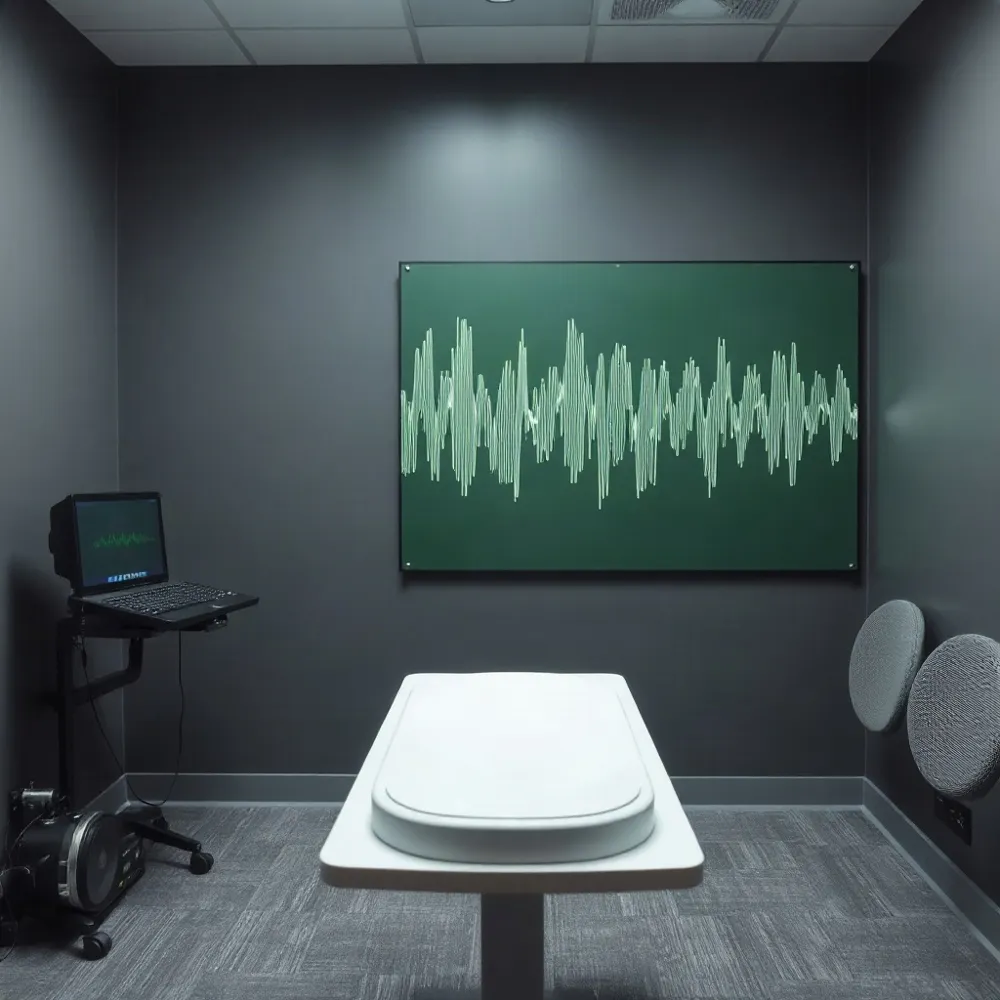
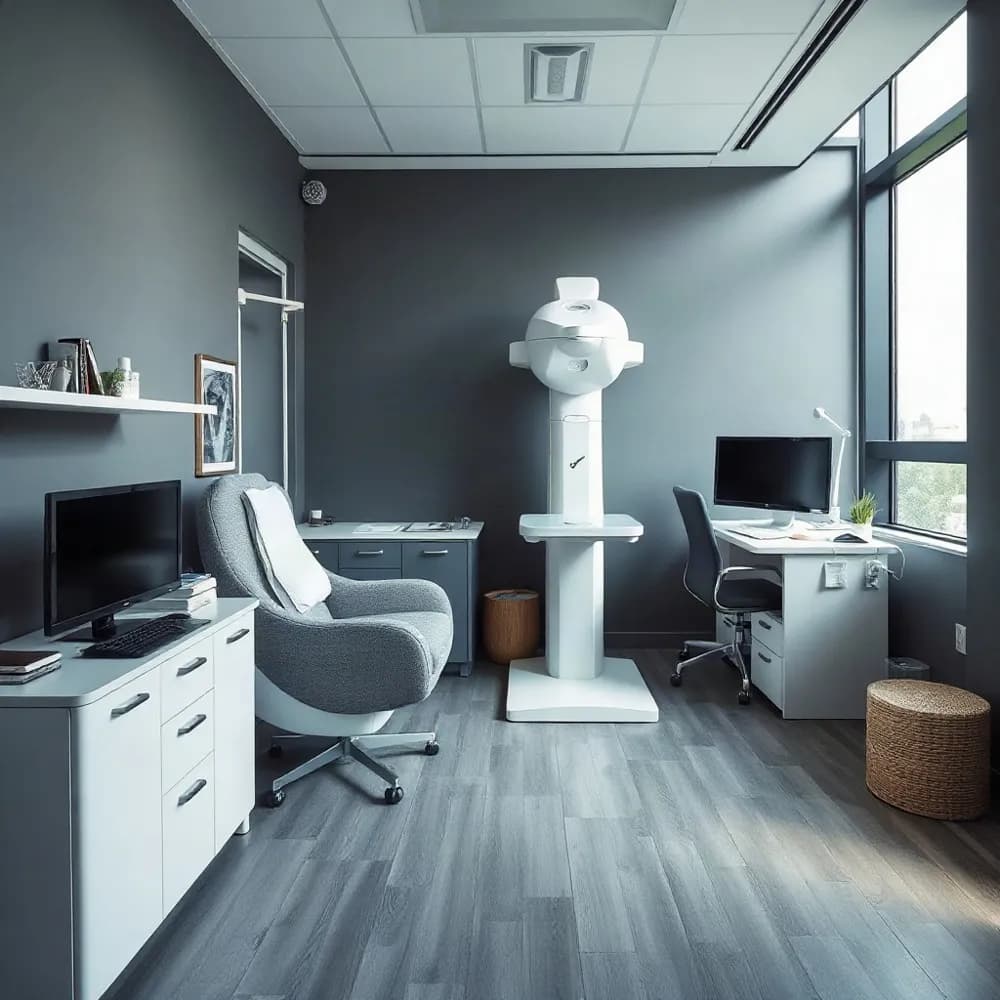
Introduction to ASSR Testing: Revolutionizing Hearing Assessments
Basic principles of ASSR
Auditory Steady-State Response (ASSR) testing is an electrophysiological method that objectively measures hearing thresholds by recording brain responses to rapid auditory stimuli. This involves placing electrodes on the scalp and delivering continuously modulated tones through earphones, typically ranging from 500 Hz to 4000 Hz. The neural responses originate from multiple levels of the auditory pathway, including the auditory cortex, midbrain, and brainstem, depending on stimulus frequency.
Comparison with traditional hearing tests
Unlike traditional behavioral hearing tests, which require active participation and subjective responses, ASSR can simultaneously assess multiple frequencies in both ears. This results in reduced test durations and more comprehensive auditory profiling, particularly beneficial for infants, young children, or individuals unable to cooperate. Compared to Auditory Brainstem Response (ABR), ASSR evaluates a wider range of hearing intensities, including severe to profound losses, providing detailed audiograms suitable for clinical decision-making such as hearing aid fitting or cochlear implant candidacy.
Objective nature of ASSR testing
ASSR employs advanced spectral domain analysis to detect responses at stimulus repetition rates and their harmonics, minimizing subjective interpretation. Automated algorithms enhance detection sensitivity and consistency, reducing examiner bias. The results are displayed as objective audiograms with threshold estimates generally within 10–15 dB of behavioral audiometry. This objective testing modality improves reliability in patient populations with limited behavioral response capabilities, facilitating early diagnosis and intervention for hearing loss.
Fundamentals of Auditory Steady-State Response (ASSR) Testing
What is ASSR?
The Auditory Steady-State Response (ASSR) test is an objective electrophysiological hearing threshold measurement that measures brain responses to auditory stimuli. It is primarily used to estimate hearing thresholds without relying on behavioral responses, making it especially useful for populations unable to cooperate with traditional audiometry, such as infants and individuals with disabilities.
How ASSR Measures Hearing Thresholds Independently
ASSR assessments use continuous or steady-state tones usually delivered through earphones while recording neural activity with scalp electrodes. Unlike behavioral tests, ASSR detects the brain's automatic response to sound modulation, allowing threshold estimation across multiple frequencies simultaneously. This frequency-specific testing reduces examination time and provides statistically valid, objective data. See Simultaneous multi-frequency ASSR testing and Audiogram-like results from ASSR for more details.
Neural Origin of ASSR Responses
The ASSR originates from multiple neural generators along the auditory pathway. Depending on the stimulus frequency, responses arise from the auditory cortex, midbrain structures like the inferior colliculus, and thalamic regions. This wide range of neural contributors ensures comprehensive evaluation of auditory function. For an in-depth explanation, refer to Neural generators of ASSR and Auditory steady-state response (ASSR) measurement.
Stimulus Types and Frequencies Used
Typical ASSR stimuli consist of continuous tones modulated in amplitude, frequency, or both. Stimuli usually target frequencies within 75 to 110 Hz modulation rates. Testing commonly evaluates multiple frequencies between 500 Hz and 4000 Hz simultaneously in both ears, providing extensive hearing profiling in a short time. See ASSR stimulus characteristics and Auditory Steady-State Responses (ASSR) for further information.
Technological Innovations Enhancing ASSR Accuracy and Efficiency
Use of CE-Chirp stimuli to improve response amplitude
Recent advancements in Auditory Steady-State Responses (ASSR) testing have incorporated narrow band CE-Chirp stimuli in ASSR testing, which compensate for cochlear traveling wave delays. This compensation allows a larger population of hair cells to be stimulated synchronously, resulting in increased response amplitudes. Studies show that CE-Chirp stimuli produce ASSR responses approximately twice as large as earlier stimuli, aiding in more sensitive and robust hearing threshold assessments.
Advanced detection algorithms such as multiharmonic (q-sample) and F MP
Modern Advancements in ASSR detection algorithms utilize sophisticated detection algorithms like multiharmonic (q-sample) techniques and the F MP statistical method. These algorithms assess both phase and amplitude information across multiple harmonics of the stimulus frequency, significantly enhancing response detection sensitivity and reliability. The F MP method's statistical rigor provides objective criteria for response identification, reducing evaluator bias and increasing test consistency.
Reduction in test duration compared with ABR
The integration of CE-Chirp stimuli and advanced detection algorithms has enabled considerable reductions in ASSR test times compared to traditional Auditory brainstem response (ABR) test testing. Typical ASSR protocols now complete a full audiometric evaluation in approximately 20 minutes, whereas ABR may require 30 minutes or more. This efficiency is particularly beneficial in pediatric testing where natural sleep duration limits assessment time.
Automated response detection and its objectivity
Automated response detection algorithms not only accelerate Auditory Steady-State Response (ASSR) testing duration under 20 minutes but also enhance its objectivity. By applying mathematical and statistical analyses instead of relying on visual waveform interpretation, these algorithms standardize threshold determination. This leads to improved reproducibility across different clinical settings and operators, supporting accurate and reliable hearing assessments critical for early intervention decisions.
Clinical Applications of ASSR in Pediatric Audiology
Suitability for infants and young children unable to cooperate
The Auditory Steady-State Response (ASSR) test is especially valuable in assessing hearing in infants and young children who cannot reliably perform traditional behavioral audiometry. ASSR is an objective electrophysiologic measurement that does not require active participation, making it ideal for patients unable or unwilling to cooperate due to age, developmental conditions, or cognitive impairments.
Simultaneous multifrequency testing advantages
One of the major clinical benefits of ASSR is its ability to assess multiple frequencies simultaneously in both ears. This multifrequency testing reduces examination time substantially compared to auditory brainstem response (ABR) testing, which typically assesses frequencies sequentially. This efficiency is critical when testing pediatric patients who may only tolerate limited testing duration, and it produces frequency-specific audiograms for precise threshold estimation.
Use in early diagnosis and hearing aid fitting
ASSR facilitates early detection of hearing loss in pediatric populations, enabling timely intervention. Early identification of hearing impairment supports the critical early fitting of hearing aids, which is vital for speech and language development. The test is capable of measuring residual hearing up to high intensities (approximately 120 dB HL), providing detailed information for candidates of cochlear implants or amplified devices.
Integration in test batteries with ABR and OAE
Although ASSR provides reliable audiometric data, it is recommended to be used as part of a comprehensive test battery alongside ABR and otoacoustic emissions (OAE) tests. Combining these assessments improves diagnostic accuracy, particularly since ASSR cannot reliably detect auditory neuropathy spectrum disorder. This integrated approach ensures a thorough evaluation of the auditory pathway and cochlear function, facilitating accurate diagnosis and management plans.
These clinical features underscore ASSR’s significant role in pediatric audiology for infants and young children, supporting objective, efficient, and early hearing assessment that informs timely intervention strategies.
Assessing Severe to Profound Hearing Loss Using ASSR

Ability to Assess Residual Hearing at High Intensities
The Auditory Steady-State Response (ASSR) test is uniquely capable of assessing hearing thresholds at high intensities, reaching up to 120 dB HL. This capacity is critical when evaluating individuals with severe to profound hearing loss, as it allows measurement of residual hearing that might be undetectable by other electrophysiological tests.
Comparison with ABR in Severe Hearing Loss
Compared to the Auditory brainstem response (ABR) test, ASSR offers superior performance in cases of severe hearing loss. While ABR thresholds may be absent or incomplete at high intensities, ASSR can reliably provide frequency-specific threshold information even in these challenging cases. This feature makes ASSR a more effective tool for comprehensive hearing evaluation in difficult-to-test populations.
Role in Cochlear Implant Candidacy Evaluations
ASSR plays a significant role in determining candidacy for Cochlear implants. By detecting residual hearing thresholds more accurately at high sound pressure levels, ASSR assists clinicians in assessing the degree of hearing loss and predicting potential benefit from cochlear implants. Moreover, the absence of ASSR responses correlates strongly with no usable hearing, offering valuable prognostic information in the evaluation process.
Reliability of Frequency-Specific Thresholds
ASSR provides reliable, frequency-specific threshold estimates across multiple key frequencies (500 Hz, 1000 Hz, 2000 Hz, and 4000 Hz). This multifrequency capability allows simultaneous testing and improved diagnostic precision. Although testing duration is somewhat longer than ABR, the detailed frequency information aids in tailored hearing rehabilitation strategies. This efficiency and precision have been highlighted in research on Frequency-specific thresholds by ASSR.
Overall, ASSR is an advanced and objective auditory evaluation method that enhances the assessment of severe to profound hearing loss, thereby supporting timely and accurate clinical decision-making for optimal patient outcomes.
ASSR Testing in Adults and Special Populations
Use in older adults who cannot perform behavioral audiometry
Auditory Steady-State Responses (ASSR) in Older Adults is an invaluable tool for assessing hearing thresholds in older adults who may be unable to participate reliably in behavioral audiometry. Studies have shown a significant correlation between ASSR and pure-tone audiometry thresholds in this group, supporting ASSR's use for objective hearing assessment when subjective responses are limited.
Challenges due to age-related neural processing changes
Age-related changes in neural processing, such as decreased phase-locking and altered neural envelope processing, affect Auditory Steady-State Responses (ASSR) in Older Adults particularly at high modulation frequencies commonly used in testing (above 80 Hz). This may reduce response strength and complicate interpretation, necessitating adjustments in modulation rate and stimulus parameters optimized for older adults.
Utility in individuals with developmental disabilities
Auditory Steady State Response (ASSR) test provides objective, frequency-specific hearing threshold estimates without the need for active cooperation, making it especially useful for individuals with developmental disabilities or other conditions impairing reliable behavioral responses. The test's non-invasive nature and short duration enhance its suitability for this population.
Differences between ASSR and other evoked potentials
Compared to Auditory brainstem response (ABR) test, ASSR allows simultaneous multifrequency testing and higher intensity stimulus delivery (up to 120 dB HL), facilitating better evaluation of severe-to-profound hearing loss. Unlike ABR, ASSR uses spectral domain analysis that incorporates phase and amplitude at multiple harmonics, providing more objective and statistically robust detection of auditory thresholds across frequencies. However, ASSR is less sensitive to diagnosing auditory neuropathy spectrum disorder, where ABR remains critical.
Overall, Auditory Steady-State Response testing extends the audiological assessment capabilities to populations where traditional methods are limited, enabling accurate and efficient hearing evaluation for diverse adult and special needs groups.
Interpretation Nuances and Limitations of ASSR Testing
Differences Between ASSR Thresholds and Pure-Tone Audiometry
ASSR thresholds typically differ from those obtained through pure-tone audiometry, often presenting slightly higher threshold values. These differences tend to range from 0 to 20 dB, especially notable in individuals with normal or mild hearing loss. The phenomenon known as recruitment may contribute to these discrepancies, causing threshold elevations particularly in patients with little to mild impairment. Consequently, while ASSR audiograms provide a reliable frequency-specific estimate, caution is required when interpreting results relative to behavioral audiometry standards.
Limitations in Diagnosing Auditory Neuropathy Spectrum Disorder (ANSD)
A significant limitation of ASSR testing is its inability to definitively diagnose auditory neuropathy spectrum disorder (ANSD). ANSD is characterized by abnormal or absent auditory brainstem responses (ABR) despite the presence of normal otoacoustic emissions. ASSR results may remain normal in these cases, thus failing to detect the disorder. Therefore, comprehensive diagnosis of ANSD necessitates combining ASSR with other assessments, including ABR and otoacoustic emissions, to accurately identify neural dysfunction.
Smaller ASSR Responses in Infants Under 1 Year
The amplitude of ASSR responses in infants younger than one year is generally smaller and more variable compared to older children and adults. This reduced response is attributed to ongoing auditory pathway maturation. Testing reliability improves when conducted in infants older than two weeks, but practitioners must recognize the increased variability and potentially reduced response strengths in very young patients.
Consideration of Correction Factors for Threshold Estimation
To reconcile ASSR results with behavioral thresholds, correction factors are commonly applied during interpretation. These adjustments help estimate behavioral hearing thresholds from electrophysiological data more accurately. While ASSR provides objective measurements, applying these correction factors is essential to improve clinical relevance and enhance decision-making in hearing loss diagnosis and management.
Biophysical Basis and Neural Mechanisms Underlying ASSR
Origin from auditory cortex, midbrain, and thalamus
Auditory Steady-State Response (ASSR) signals originate from multiple neural generators along the auditory pathway. Depending on the stimulus frequency, the responses are generated by neural activity in the auditory cortex, midbrain, and thalamic regions. High-frequency modulations primarily engage subcortical sources such as the brainstem and midbrain, while lower-frequency modulations involve cortical contributions, reflecting a complex interaction of multiple auditory centers.
Role of transient auditory evoked potentials
ASSR generation involves the summation of transient auditory evoked potentials (AEPs), like auditory brainstem responses (ABR) and middle latency responses (MLR). These transient components add linearly to form the steady-state response, representing the brain's continuous synchronization to rapid acoustic stimuli. The interplay and temporal integration of these potentials underpin the spectral features of ASSR.
Linear superposition and neuronal entrainment hypotheses
Two main theories explain ASSR origin: the linear superposition hypothesis posits that ASSR reflects the additive nature of successive transient AEPs evoked by stimulus sequences over time. Conversely, the neuronal entrainment hypothesis suggests that auditory neurons synchronize their firing patterns rhythmically to the periodicity of the stimuli, generating sustained oscillatory activity. Current evidence favors linear superposition as the predominant mechanism, especially in clinical contexts.
Recent research insights using deconvolution methods
Advanced deconvolution techniques, notably the multi-rate steady-state average deconvolution (MSAD) method, have been applied to dissect ASSR into its transient AEP components with high precision. MSAD uses variable stimulus sequences to reconstruct transient responses, greatly improving the accuracy of ASSR prediction and interpretation. These methods reveal that both the transient ABR and MLR contribute substantially, with MLR providing a significant portion. This enhanced understanding elucidates the neural basis of ASSR and supports its use for diagnosing auditory pathologies involving cortical and subcortical dysfunction.
Integration of Artificial Intelligence in ASSR Testing
Use of AI and machine learning to enhance response detection
Artificial intelligence (AI), particularly machine learning (ML), is revolutionizing auditory steady-state response (ASSR) testing by improving the accuracy and efficiency of response detection. Advanced algorithms can analyze complex signal patterns within ASSR data, enhancing the identification of true neural responses amidst noise. This leads to more precise estimates of hearing thresholds.
Automation and reduction of subjective bias
ML-driven automation reduces reliance on operator interpretation that traditionally characterizes auditory evoked potential tests. Algorithms like multiharmonic detection and _F_MP statistical methods streamline data analysis, minimize human error, and enhance consistency across different clinical settings. This objectivity is crucial in settings involving infants or uncooperative patients.
Potential for tele-audiology and portable ASSR testing
Integration of AI also enables development of portable ASSR devices with automated data processing, facilitating hearing assessments in remote or underserved areas. Tele-audiology applications become possible, where data can be acquired in decentralized locations and evaluated centrally, expanding access to quality hearing care.
Future prospects in computational audiology
The synergy between ASSR testing and AI-driven computational audiology points to personalized, rapid, and accurate hearing evaluations. Ongoing research aims to refine AI models for tailored threshold estimation, predictive analytics for hearing loss progression, and integration with other audiological tests, enhancing early intervention strategies and patient outcomes. See more on artificial intelligence for hearing loss and integration of AI in ASSR testing.
Operational Considerations: Conducting ASSR Testing
Electrode Placement and Impedance Requirements
ASSR electrode placement involves placing electrodes in a manner similar to Auditory Steady-State Response (ASSR) test and Auditory Steady-State Response (ASSR) overview. Typically, active electrodes are positioned at the vertex, with reference electrodes near the ears (ipsilateral mastoid or earlobe) and a ground electrode on the forehead. Optimal electrode impedance is critical for accurate recordings, usually requiring low and balanced impedance across electrodes to reduce noise artifacts and improve signal quality.
Testing During Natural Sleep, Sedation, or Anesthesia
The ASSR testing modality can be conducted while the patient is naturally sleeping, which is often preferred, especially in ASSR in young children and infants. ASSR testing under sleep or sedation or anesthesia may be used as alternatives when natural sleep is not possible. However, sedation safety must be carefully evaluated based on the patient's health status, and it may influence response amplitudes and threshold reliability.
Impact of Noise Levels and Patient State on Results
Factors affecting ASSR response amplitudes include environmental noise and patient factors such as age, state of wakefulness, and neural maturation, which significantly affect ASSR outcomes. The test is sensitive to ambient noise, necessitating a quiet environment. Furthermore, patients who are more alert or have matured neural pathways tend to produce more robust responses, whereas younger infants or restless patients may yield smaller or less reliable responses.
Duration and Procedural Overview
ASSR testing duration compared to ABR assessments typically span approximately 20 to 40 minutes depending on the testing method and patient's cooperation. The process involves delivering ASSR stimulus characteristics via insert earphones while recording electrophysiological responses through scalp electrodes. Modern Digital algorithms in ASSR detection enable simultaneous multifrequency testing and automated response detection, enhancing efficiency and reducing the total test time.
Advancements Facilitating Work-Related Hearing Loss Evaluations
How is ASSR hearing test used in occupational audiology and legal cases?
ASSR hearing test testing has become an essential tool in occupational audiology for objectively estimating hearing thresholds, especially when traditional behavioral audiometry is not feasible. It provides reliable frequency-specific results independent of patient cooperation, which is critical in legal and workers' compensation claims. Auditory Steady-State Response's ability to assess severe to profound hearing loss accurately aids in clarifying the extent of occupational auditory damage and supports medico-legal evaluations.
What role does role of ASSR in work-related hearing loss assessments play in distinguishing work-related from other types of hearing loss?
The use of role of ASSR in work-related hearing loss assessments enables clinicians and occupational health professionals to differentiate noise-induced hearing loss from other etiologies by delivering precise audiometric profiles. Along with a thorough review of noise exposure history and medical records, role of ASSR in work-related hearing loss assessments findings help establish whether hearing loss patterns align with occupational factors, such as characteristic notches at 4 kHz associated with noise exposure, or suggest alternative causes.
Why are expert evaluations and second opinions important in work-related hearing loss assessments?
Given the complexities in assigning causation for hearing loss, expert evaluations by audiologists and healthcare professionals specializing in occupational hearing are crucial. They interpret Auditory Steady-State Response results alongside audiometric history and exposure data to provide authoritative opinions. Second opinions further ensure unbiased assessments, improving accuracy in work-related hearing loss determinations, which are often pivotal in legal and compensation processes.
How does role of ASSR in work-related hearing loss assessments support compliance with regulatory requirements?
role of ASSR in work-related hearing loss assessments facilitates compliance with occupational health regulations that mandate hearing evaluations for employees exposed to hazardous noise levels. Its objective nature and validated threshold estimation contribute to accurate recordkeeping and reporting as required by standards set by organizations like OSHA. Additionally, role of ASSR in work-related hearing loss assessments testing complements periodic audiometric monitoring, helping employers fulfill hearing conservation program obligations effectively.
Comparative Analysis: ASSR vs. ABR and Other Hearing Tests
Advantages of multifrequency simultaneous testing over ABR
The Auditory Steady-State Response (ASSR) test offers significant advantages compared to the traditional Auditory brainstem response (ABR) test. ASSR allows for simultaneous testing of multiple frequencies—typically 500, 1000, 2000, and 4000 Hz—in both ears, which substantially reduces examination time. This multifrequency auditory testing improves efficiency, especially in pediatric populations or patients who have difficulty cooperating, by providing frequency-specific information quicker than ABR, which typically tests frequencies sequentially.
Differences in threshold sensitivity and specificity
ASSR thresholds tend to be higher than pure-tone audiometry thresholds by about 0 to 20 dB in normal or mild hearing loss cases, potentially due to auditory recruitment effects. However, ASSR provides reliable threshold estimations across a wide range of hearing loss severities, including severe to profound losses, and can assess residual hearing up to 120 dB HL—an advantage over ABR. Studies show high correlations between ASSR and ABR thresholds, with ASSR offering improved sensitivity at lower frequencies (e.g., 500 Hz) and higher sound intensities. ASSR also produces more consistent, statistically valid results with less reliance on subjective waveform interpretation (ASSR analysis methods).
Complementary roles in comprehensive audiologic assessment
While ASSR provides objective, frequency-specific threshold estimation, it is not a standalone diagnostic tool. It complements ABR and other objective tests like otoacoustic emissions (OAE) to form a comprehensive evaluation battery, particularly in infants and individuals unable to perform behavioral audiometry. ABR remains the preferred choice when diagnosing auditory neuropathy spectrum disorder (ANSD), as ASSR may not reliably detect this condition. Incorporating both tests enhances diagnostic accuracy and informs intervention strategies such as hearing aid fitting and cochlear implant candidacy (Cochlear implants).
When to choose ASSR over behavioral or ABR tests
ASSR is particularly valuable when behavioral audiometry is not feasible, such as in young infants (older than 2 weeks), children with developmental disabilities, or uncooperative patients. It is advantageous for early hearing threshold estimation to guide timely hearing aid fittings critical for speech development (ASSR hearing test overview). Compared to ABR, ASSR is preferred when detailed frequency-specific thresholds at high intensities are needed, especially in cases of severe to profound hearing loss or when ABR responses are absent but residual hearing assessment is necessary (Benefits of ASSR for profound hearing loss). However, if behavioral audiometry can be reliably performed, it remains the gold standard for hearing assessment (Types of Hearing Tests).
Future Directions and Emerging Trends in ASSR Testing

Development of Portable and Rapid ASSR Devices
Recent technological advancements have led to the creation of portable ASSR devices that enhance the accessibility and convenience of hearing assessments. These compact systems utilize improved signal processing and automated data analysis software, allowing for frequency-specific testing with greater speed and precision. The reduction in test duration—often under 20 minutes for a full audiogram—makes these devices especially valuable in busy clinical settings and for testing infants during natural sleep periods without sedation (Next Generation ASSR technology, Advanced ASSR detection algorithms).
Integration with Telemedicine and Remote Testing
The rise of telemedicine has opened new avenues for the remote application of ASSR testing. Portable ASSR equipment paired with wireless data transmission enables audiologists to conduct or supervise hearing assessments from a distance, broadening access for patients in underserved or rural areas. This integration supports early diagnosis and intervention, crucial for populations such as infants and those with disabilities who may otherwise face barriers to traditional clinic visits (ASSR integration with tele-audiology services.
Expanded Clinical Applications Beyond Audiology
Although Auditory Steady-State Response (ASSR) remains primarily an audiological tool, emerging research highlights its potential use in broader clinical contexts. For instance, ASSR abnormalities in psychiatric disorders have been documented in psychiatric and neurodevelopmental disorders, such as schizophrenia and autism, suggesting a role as a biomarker for auditory processing deficits and neurological conditions. This cross-disciplinary application enhances the relevance of ASSR in diagnostic and monitoring frameworks beyond standard hearing evaluations.
Potential Role in Hearing Aid Validation and Personalized Treatment
ASSR testing is gaining recognition for its utility in validating hearing aid function, particularly in patients unable to provide reliable behavioral responses. By comparing aided and unaided ASSR thresholds, clinicians can objectively assess hearing device effectiveness and optimize fitting parameters. The detailed frequency-specific information afforded by ASSR supports tailored interventions and may contribute to improved speech development and patient outcomes through personalized hearing solutions.
Conclusion: The Transformative Impact of ASSR on Hearing Loss Diagnostics
Advancements Boosting Accuracy and Efficiency
Recent technological improvements in Auditory Steady-State Response (ASSR) testing, such as the adoption of narrow band CE-Chirp stimuli and sophisticated multiharmonic detection algorithms, have significantly enhanced test sensitivity and reduced examination duration. These advancements have improved threshold estimations, bringing ASSR outcomes closer to traditional behavioral audiometry benchmarks, while also enabling simultaneous multifrequency assessments.
Critical Role in Early Detection and Special Populations
ASSR’s objective, non-invasive nature makes it indispensable for early hearing assessment—particularly in infants, young children, and individuals unable to cooperate with behavioral tests due to developmental or cognitive challenges. Early and accurate identification of hearing loss facilitated by ASSR supports timely intervention, including hearing aid fitting, which is crucial for optimal speech and language development.
Promise of Continued Innovation
Ongoing development efforts integrating artificial intelligence, portable ASSR devices, and advanced data processing anticipate further improvements in test accessibility, speed, and precision. These innovations are expected to expand ASSR’s clinical applications and enhance personalized hearing care.
Integral Component of Clinical and Occupational Evaluations
ASSR testing is increasingly vital for comprehensive audiological evaluations, complementing other objective measures such as Auditory Brainstem Response (ABR) and otoacoustic emissions. Its application extends to occupational health settings, aiding expert evaluations to establish work-related hearing loss and supporting legal and compensation processes through objective, frequency-specific threshold data.