Understanding the Importance of Workplace Injury Assessments
Overview of Workplace Injuries
Workplace injuries encompass a wide variety of incidents ranging from minor sprains or cuts to severe trauma and occupational illnesses caused by exposure to hazards. Prompt recognition and reporting of these injuries are critical to ensure timely care and to prevent further complications. Injuries can arise from hazards such as unsafe equipment, chemical exposure, ergonomic stressors, or inadequate safety training.
Significance of Proper Injury Assessment
A comprehensive injury assessment immediately following an incident is crucial. This includes accurate documentation with photographs, measurements, and witness statements. Proper evaluation enables determination of the injury's severity and guides appropriate medical care selection, whether first aid, urgent care, or hospitalization.
Thorough assessment supports compliance with Occupational Safety and Health Administration (OSHA) requirements and facilitates workers' compensation claims. It also plays a pivotal role in developing personalized return-to-work plans that balance recovery with workplace demands, reducing downtime and improving morale.
Legal and Health Implications for Employers and Employees
Legally, employers must provide a safe workplace free from known hazards and are obligated to respond appropriately when injuries occur. Failure to conduct proper injury assessments and reporting can lead to regulatory penalties, increased insurance costs, and potential lawsuits.
Employees are entitled to safety training, protective equipment, and medical care. They have rights to report unsafe conditions or injuries without fear of retaliation under federal law, reinforcing the need for strict adherence to injury assessment protocols.
In summary, workplace injury assessments are fundamental for maintaining health and safety, protecting worker rights, and ensuring legal compliance for employers.
NorCal Medical Consulting’s Expertise in Auditory Injury Evaluations
What services does NorCal Medical Consulting offer in the field of workplace auditory injury evaluations?
NorCal Medical Consulting provides comprehensive Workplace Injury Management to precisely assess hearing loss and auditory impairments caused by occupational hazards. Their medical team conducts detailed audiometric testing and clinical examinations to establish the extent and origin of auditory damage.
Comprehensive workplace auditory injury evaluations
The firm’s evaluations include diagnostic testing tailored to workplace exposures, ensuring accurate differentiation between Workplace Injury and non-occupational auditory conditions. Assessments also review patient history and exposure timelines, supporting thorough Injury Evaluation and Triage.
Consultations and expert testimony for claims support
NorCal Medical Consulting aids legal and insurance claims by furnishing detailed medical reports and providing expert witness testimony. Their expertise helps clarify the nature of auditory injuries in claims disputes, promoting fair resolutions and ensuring Employer Responsibilities in Injury Reporting.
Role in injury prevention and management strategies
Beyond evaluations, they consult with employers and insurers to develop injury prevention and management plans. This includes advising on injury prevention strategies, hearing conservation programs, and strategies to reduce auditory hazards, thereby aligning with OSHA Worker Rights and Protections and Workers' Compensation and the ADA.
NorCal Medical Consulting’s services are crucial for precise injury assessment, informed claim processing, and proactive auditory health management in occupational settings.
The Role of Expert Auditory Loss Assessments in Legal and Insurance Claims

How do expert assessments of auditory loss support legal and insurance claims?
Expert auditory loss assessments play a critical role in substantiating claims related to workplace injuries and occupational illnesses. These evaluations deliver objective, detailed medical evidence crucial for legal and insurance proceedings.
Audiometric testing methods such as pure-tone audiometry, speech recognition tests, and tympanometry precisely quantify the degree and nature of hearing loss. These diagnostics clarify the impact of auditory impairments on communication abilities, safety in work environments, and overall daily functioning.
Expert audiologists provide comprehensive reports that explain test findings and relate them to the claimant’s work-related exposure or injury. This documentation helps overcome skepticism from insurers about the authenticity or severity of hearing loss and the effectiveness of any assistive devices used.
In legal contexts, expert testimony codifies the medical information in accessible formats for courts or administrative bodies, reinforcing the credibility of the claim. Such expert evidence supports fair determinations regarding disability, compensation, and appropriate workplace accommodations.
In summary, expert auditory assessments ensure that injury claims are well-founded, accurately represent the individual's condition, and align with legal and insurance responsibilities for evidence-based decision making.
Common Types of Auditory Workplace Injuries Evaluated
What types of workplace injuries related to auditory loss are commonly evaluated by healthcare consultants?
Healthcare consultants primarily evaluate auditory workplace injuries including noise-induced hearing loss (NIHL), acoustic trauma, and general occupational hearing impairments.
NIHL is characterized by gradual sensorineural hearing damage due to prolonged exposure to high noise levels, often identified by a characteristic notch around 4 kHz in audiometric tests. Acoustic trauma typically results from sudden, intense sound exposure, such as explosions, leading to immediate hearing damage.
Consultants analyze audiometric data extensively, comparing baseline and current audiograms to detect significant threshold shifts—commonly a 10 dB or greater decline at frequencies critical for speech understanding. They also assess the worker's Hazard Identification history, protective equipment use, and any pre-existing medical conditions.
Differential diagnosis is crucial to distinguish occupationally related hearing loss from other causes such as infections, aging, or medical conditions. This comprehensive evaluation aligns with OSHA Worker Rights and Protections, ensuring workplace-related auditory injuries are accurately diagnosed, documented, and addressed to support health management and legal claims.
Qualifications and Expertise Needed for Auditory Injury Assessments
Audiology Training and Licensing
Healthcare consultants must have formal education in audiology or related health sciences, coupled with relevant licensing to practice audiology legally. This foundation ensures competency in administering and interpreting diagnostic hearing tests.
Experience with Forensic and Occupational Assessments
Professionals should possess substantial experience in forensic audiology, focusing on workplace-related auditory injuries. Familiarity with the medico-legal aspects of auditory loss supports credible and defensible evaluations.
Knowledge of Hearing Conservation and OSHA Worker Rights
Expertise in occupational noise exposure standards and hearing conservation programs is critical. Understanding OSHA worker rights related to workplace safety enhances the accuracy of risk assessments and exposure evaluations.
Ability to Interpret Audiometric Test Results Accurately
Proficiency in analyzing audiograms and other audiometric data is essential. Accurate interpretation aids in identifying hearing impairments attributable to occupational hazards, supporting valid claims.
These qualifications collectively ensure auditory injury evaluations meet rigorous scientific and legal standards, facilitating precise diagnosis and effective claim support in occupational injury cases.
Ensuring Accuracy and Compliance in Workplace Injury Assessments
How does NorCal Medical Consulting ensure accuracy and reliability in assessments related to workplace auditory injuries?
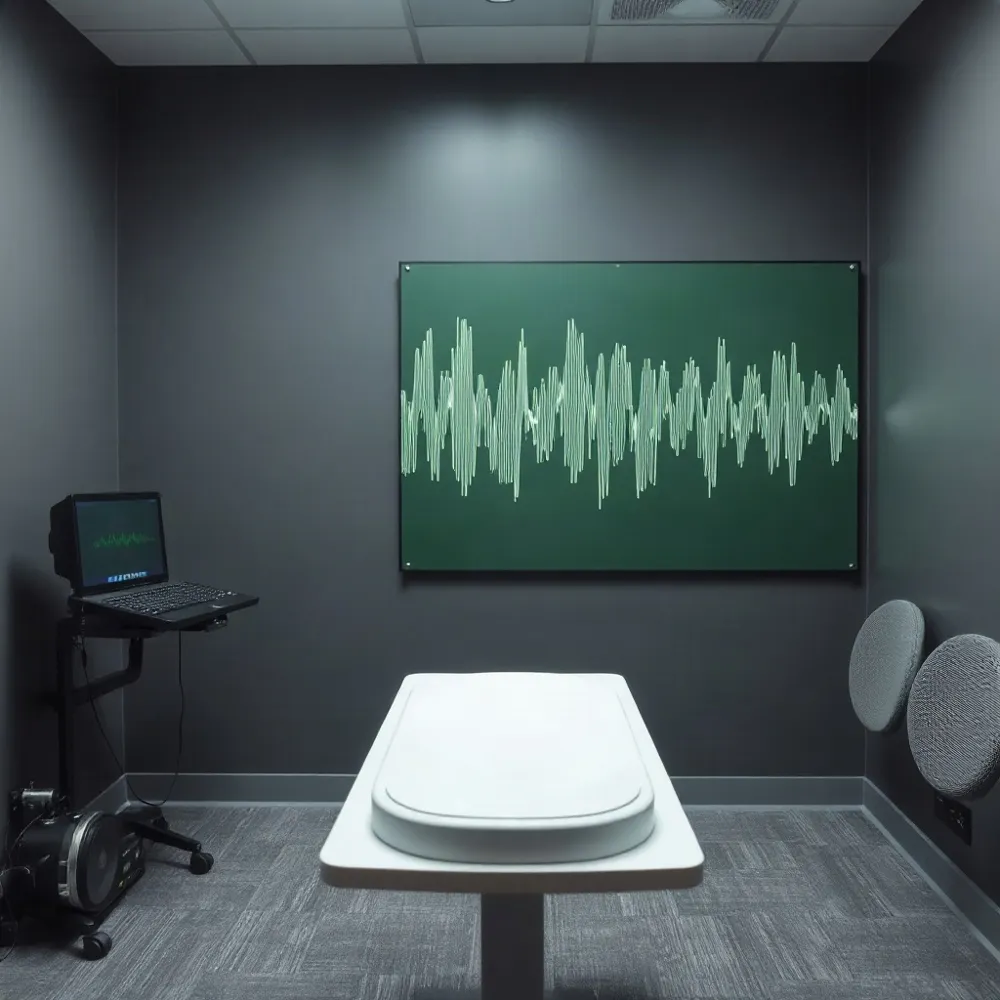
NorCal Medical Consulting prioritizes precision and legal compliance in evaluating workplace auditory injuries. The firm uses calibrated audiometric equipment within controlled testing environments to deliver reliable hearing assessments. This approach ensures that measurements of hearing thresholds are accurate and consistent with OSHA Worker Rights and Protections.
A thorough review process accompanies testing, including examination of employees' medical and exposure histories, prior audiograms, and noise exposure details. This comprehensive evaluation helps establish precise baselines and monitor hearing changes over time.
NorCal Medical Consulting strictly adheres to Workplace Injury Reporting such as timely documentation of standard threshold shifts and recommendations for protective measures. The company ensures meticulous documentation and record-keeping, maintaining detailed injury and exposure records that facilitate compliance and support employers' legal and safety programs.
By combining these rigorous procedures, NorCal Medical Consulting provides trustworthy assessments that support workplace safety initiatives and meet regulatory obligations.
Employers’ and Employees’ Roles in Workplace Injury Management and Prevention
What legal rights and protections do workers have under OSHA?
Workers in the US are entitled by federal law to a safe workplace rights free from known hazards. They have the right to receive training in a language you understand and to use appropriate personal protective equipment (PPE). Employees can refusing unsafe work without fear of retaliation, which includes protection against employer retaliation from firing, demotion, or transfer. Workers may filing safety complaints confidentially and requesting OSHA inspections. Employers are prohibited from retaliating against employees who reporting injuries to OSHA or unsafe conditions.
What responsibilities do employers have for workplace safety and injury reporting?
Employers must maintain safe working environments and comply with OSHA standards by Hazard Identification and eliminating known hazards. They are required to provide necessary safety equipment and training and must Employer Responsibilities in Injury Reporting and regulatory agencies. Incident documentation should be thorough, including photographs, witness reports, and measurements to support claims and improve safety measures. Employers should also maintain Injury and Illness Logs Maintenance and ensure confidentiality of medical records.
Why is prompt injury evaluation and thorough documentation important?
Immediate evaluation through Onsite Clinics and Nurse Lines ensures employees receive timely medical care, which can minimize complications and improve recovery. Accurate Incident Documentation of injury details is essential not only for regulatory compliance but also for effective management of workers' compensation claims. Well-documented incidents support proper investigation, helping identify Root Cause Analysis and preventing future occurrences.
How can return-to-work programs and safety culture development benefit the workplace?
Creating Personalized Return-to-Work Plans that consider medical advice and job demands reduces employee downtime while boosting morale. Open communication about hazards fosters a Safety Culture and Communication that encourages employee participation and trust. Regular Safety Audits and Training and transparent dialogue on ongoing improvements empower workers to report unsafe conditions and contribute to risk reduction.
What are key injury prevention strategies including hazard identification and ergonomic assessments?
Proactive Hazard Identification through Workplace Inspections, Incident Investigations, and Chemical Health Hazards assessments is vital. Employers should analyze safety data sheets, incident records, and Workers' Compensation Records to recognize risks. Ergonomic Risk Assessment identify physical risk factors like awkward postures and repetitive motions, allowing for cost-effective adjustments. Employee education on safety practices and preventive training further reduces injury rates and supports productivity.
| Aspect | Employer Role | Employee Role |
|---|---|---|
| Legal Compliance | Maintain OSHA Worker Rights and Protections and reporting | Exercise protection against employer retaliation |
| Hazard Identification | Conduct Hazard Assessment and assessments | Report identifying workplace hazards and unsafe conditions |
| Injury Response | Provide prompt medical care and documentation (Workplace Injury Management) | Report injuries immediately (Workplace Injury Reporting) |
| Return-to-Work Programs | Develop tailored plans matching recovery and duties (Return-to-Work Plans | Participate actively in rehab plans |
| Safety Culture | Promote open communication and training (Safety-First Workplace Culture | Engage in safety practices and reporting |
| Injury Prevention | Implement ergonomic and hazard controls (Ergonomic Risk Assessment) | Attend safety training and follow guidelines (OSHA Worker Rights) |
Key Takeaways for Effective Workplace Injury Assessments
Accurate Injury Evaluations are Crucial
Conducting precise assessments by qualified clinicians ensures correct diagnosis and appropriate treatment plans. These evaluations support compliance with OSHA regulations and help facilitate smooth workers' compensation claims.
OSHA Compliance and Employee Rights
Adhering to OSHA standards protects workers' rights to safety and proper reporting without fear of retaliation. Employers must provide training in understandable languages, appropriate safety equipment, and timely hazard communication.
Documentation and Communication
Thorough documentation of injuries, including incident details and medical records, strengthens legal compliance and claims management. Open communication fosters a safety culture where hazards are promptly reported and addressed.
Prevention Through Proactive Measures
Regular workplace inspections, hazard identification, safety training, and incident investigations reduce risks. Employers should implement corrective actions and promote ongoing safety education to prevent future injuries and enhance workplace well-being.