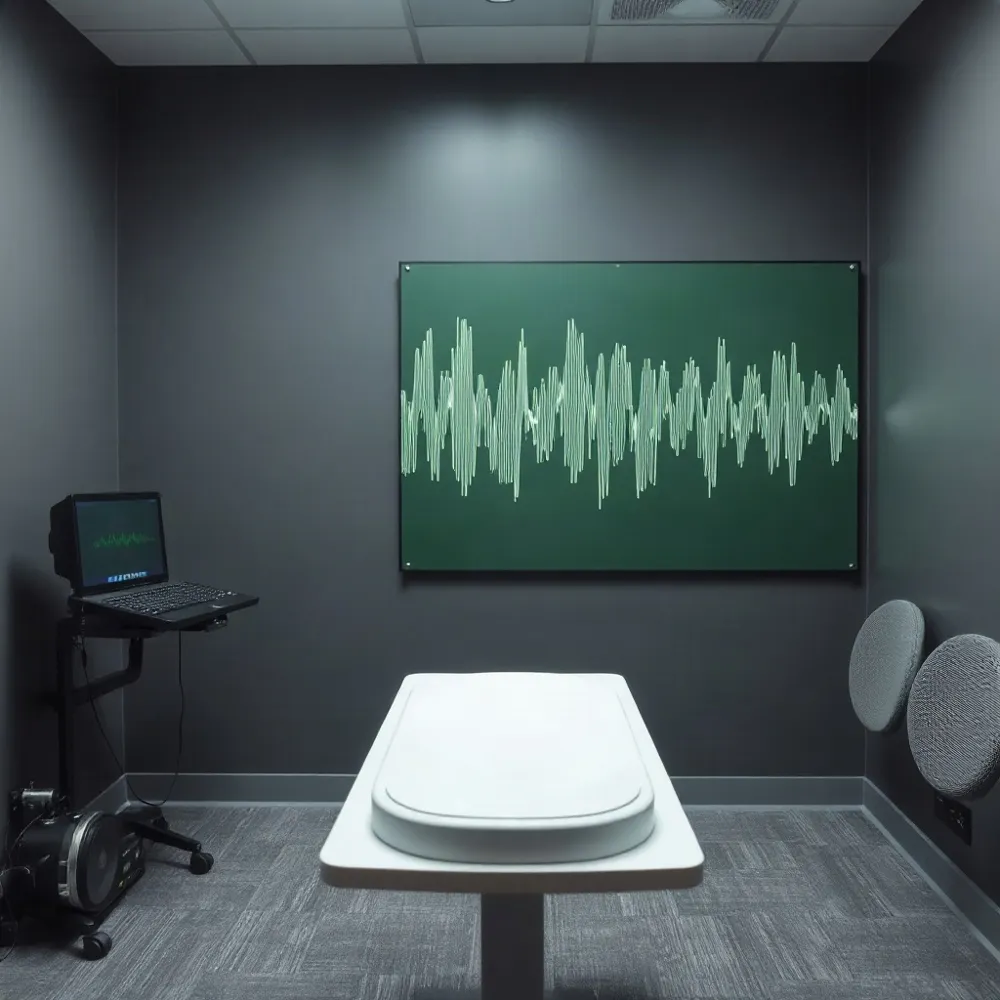
Introduction to Workplace Injury Assessment Techniques
Importance of Accurate Workplace Injury Diagnosis
Accurate diagnosis of workplace injuries is essential to ensure appropriate treatment, effective recovery, and valid compensation claims. In the US, millions of workplace injuries annually impact employees, with common sites including the back, shoulder, and knee. Precise identification of injury type and severity enables targeted interventions that minimize downtime and prevent chronic disability.
Role of Expert Assessments in Injury Management
Expert medical evaluations, particularly by occupational medicine specialists and orthopaedic surgeons, play a critical role in injury management. These evaluations include comprehensive history taking, physical exams, diagnostic imaging (X-rays, MRI, CT scans), and functional capacity assessments. Independent medical examinations and impairment ratings further support legal and insurance processes, ensuring that causation and work-relatedness are established with high medical certainty.
Overview of Common Workplace Injuries and Challenges
Common workplace injuries include sprains, strains, tears, fractures, repetitive strain injuries, and exposure-related conditions. Challenges in assessment arise from underreporting, psychosocial factors affecting recovery, and the complexity of injury causation, especially in motor vehicle collisions and ergonomic risks. Effective injury assessment integrates medical, occupational, and psychosocial aspects to guide treatment planning and support valid workers' compensation claims.
Specialized Focus on Auditory Loss in Occupational Settings
What types of workplace injuries does NorCal Medical Consulting specialize in assessing?
NorCal Medical Consulting focuses primarily on workplace injuries related to auditory loss caused by hazardous noise exposure. This includes long-term hearing damage, tinnitus, and physical trauma to the ear. They provide expert evaluations particularly relevant to industries with significant noise hazards such as construction, manufacturing, transportation, and warehousing.
The clinic’s audiological assessments employ diagnostic tools like pure-tone audiometry and speech discrimination tests. Comprehensive medical histories are gathered to establish causal links between workplace conditions and hearing impairments. Beyond auditory injuries, NorCal Medical Consulting also assesses other physical traumas and occupational health issues related to workplace hazards.
Their specialized expertise plays a critical role in supporting legal and insurance claims. By thoroughly documenting injury extent and causality, they ensure workers obtain appropriate compensation and protections.
Nature and causes of auditory loss in work environments
Auditory loss in occupational settings is often due to prolonged exposure to noise above safe decibel thresholds. Common causes include loud machinery, power tools, heavy equipment, and continuous background noise in industrial environments. Such exposure can lead to sensorineural hearing loss or tinnitus, which may develop gradually or after acute incidents.
Diagnostic tools used for auditory injury assessment
Assessment protocols include pure-tone audiometry to measure hearing thresholds, speech discrimination tests to evaluate clarity of hearing, and detailed patient history reviews. These help differentiate occupational hearing loss from other causes and provide objective data for medical and legal documentation consistent with physician injury assessment methods.
Industries most affected by auditory workplace injuries
Industries with high rates of auditory injury include construction, manufacturing plants, transportation sectors (especially trucking and warehousing), and any work environments with frequent loud machinery or tools. Workers in these sectors benefit from early evaluation and diagnosis and interventions to prevent progressive hearing damage and facilitate appropriate workers' compensation cases involvement.
Core Evaluation Methods in Diagnosing Workplace Injuries
Initial Patient History and Occupational History
A thorough initial patient history forms the cornerstone of Acutely Injured Worker Evaluation. It involves documenting the incident specifics, including the injury mechanism, symptom onset, and prior medical issues. A detailed Occupational History Assessment is essential, covering work tasks, physical demands, exposure to hazards, and psychosocial factors like job satisfaction and stress levels. This comprehensive approach helps correlate the injury with workplace conditions and informs treatment planning.
Physical Examination Techniques
Physical examinations assess the injury’s impact on range of motion, pain levels, neurological function, and structural integrity. Physicians evaluate for muscle strength, flexibility, neurological reflexes, and sensory deficits to determine injury severity. These hands-on assessments are supplemented by specialized tests tailored to the affected body regions such as the back, shoulder, or knee, as described in Physicians assess workplace injuries.
Diagnostic Imaging
Diagnostic imaging tools—including X-rays, magnetic resonance imaging (MRI), and computed tomography (CT) scans—are indispensable for visualizing internal injuries that are not apparent during physical exams. X-rays primarily detect bone fractures or dislocations, whereas MRIs and CT scans allow detailed visualization of soft tissues, nerve involvement, and subtle anatomical changes. Accurate imaging confirms diagnoses and guides both medical and legal evaluations.
Functional Capacity Evaluations (FCEs) and Impairment Ratings
Functional Capacity Evaluations (FCEs) measure an injured worker’s ability to perform work-related tasks by testing strength, stamina, flexibility, and balance under controlled conditions. These assessments inform decisions regarding work restrictions and return-to-work readiness. Impairment ratings quantify the degree of functional loss, often referenced in workers’ compensation claims, facilitating medically justified benefit determinations.
Importance of Psychosocial Assessments in Recovery
Psychosocial factors—including stress, family support, mental health, and workplace satisfaction—significantly influence recovery outcomes and the ability to return to work. Early assessment of these elements enables tailored interventions that address barriers to healing. Recognizing Psychosocial Factors in Recovery is vital for comprehensive care, and it helps reduce prolonged disability linked to factors such as opioid use or workplace dissatisfaction.
What is Auditory Loss and Why is it Significant in Workplace Injury Cases?
Auditory loss is the partial or complete reduction in hearing ability caused by prolonged exposure to loud noise, ototoxic chemicals, or trauma in occupational settings. It is significant because it can impair communication, job safety, and quality of life, often resulting in long-term disability. Accurate diagnosis and documentation are crucial for workers’ compensation claims, which may include costs for medical treatment, hearing aids, and wage replacement. Prevention through Workplace Safety Practices and early intervention is key to minimizing permanent hearing damage and facilitating fair compensation.
| Evaluation Aspect | Purpose | Contribution to Injury Assessment |
|---|---|---|
| Patient & Occupational History | Establish injury context and baseline | Links injury to workplace and guides treatment strategies |
| Physical Examination | Identify functional impairments | Assesses severity and guides diagnostic imaging decisions |
| Diagnostic Imaging | Visualize internal injury | Confirms diagnosis and supports legal claims |
| FCE & Impairment Ratings | Assess work capability | Determines work restrictions and compensation levels |
| Psychosocial Assessment | Evaluate mental and social factors | Improves recovery planning and reduces disability risk |
| Auditory Loss Assessment | Determine extent of hearing impairment | Ensures proper workplace hazard recognition and compensation |
Role of Expert Evaluations in Legal and Insurance Claims

How do expert evaluations help support legal and insurance claims for workplace injuries?
Expert medical evaluations are crucial in establishing the diagnosis, causation, and extent of workplace injuries for legal and insurance purposes. These evaluations provide detailed, scientifically grounded assessments based on Physicians assess workplace injuries, physical exams and patient interviews, review of medical history, Diagnostic imaging tools, and Functional Capacity Evaluations (FCEs).
Importance of independent medical examinations (IMEs)
Independent Medical Examinations (IMEs), often conducted by orthopaedic surgeons or occupational medicine specialists, serve as impartial assessments to verify injury causation and severity. IMEs provide objective opinions that support workers’ compensation claims and legal adjudications by determining whether an injury is work-related to a reasonable degree of medical certainty. These evaluations are critical in contested claims and help resolve disputes between injured workers, employers, and insurance providers.
Documentation and reporting standards
Comprehensive documentation including injury mechanisms, physical findings, and diagnostic results is essential. Medical reports must adhere to established standards, such as those outlined by the Impairment Ratings for Workers, and meet regulatory requirements for clarity and completeness. Proper documentation facilitates accurate claims processing, compliance with OSHA recordkeeping requirements, and supports legal proceedings.
How expert opinions support claims adjudication
Expert opinions help adjudicators assess the validity and extent of claims by providing evidence-based conclusions about disability, prognosis, and work restrictions. This medically-supported information helps justify benefit awards, guide treatment plans, and promote appropriate Return to Work Strategies.
Interaction with insurance and legal stakeholders
Effective communication between evaluators, employers, insurance carriers, and legal representatives ensures timely information exchange and decision-making. Expert evaluations contribute objective data that influence settlement negotiations, claim approvals, and litigation processes, ultimately improving fairness and transparency in workers’ compensation and injury claims.
| Aspect | Role | Outcome |
|---|---|---|
| Expert Medical Evaluations | Diagnostic clarity and injury causation | Supports claim validity |
| IMEs | Impartial injury assessment | Resolves disputes |
| Documentation | Detailed injury and treatment reporting | Ensures regulatory compliance |
| Expert Opinions | Medical evidence in claims adjudication | Guides benefit decisions |
| Stakeholder Communication | Facilitates information flow and transparency | Improves claim and legal outcomes |
Qualifications and Expertise of NorCal Medical Consulting Professionals

What qualifications and expertise do consultants at NorCal Medical Consulting have?
Consultants at NorCal Medical Consulting possess extensive and diverse qualifications in Occupational medicine, ensuring they deliver expert evaluations and advice on Common workplace injuries. Many hold advanced healthcare credentials, including specialized training in Occupational medicine, which equips them to understand the complexities of work-related injuries.
Their expertise includes a strong foundation in Safety Management, supported by comprehensive knowledge of Occupational disease surveillance methods essential for maintaining workplace compliance and safety standards. This regulatory insight allows the consultants to identify potential hazards and evaluate workplace environments systematically through methods such as Hazard Identification and Assessment.
NorCal professionals also bring significant experience in conducting detailed Workplace Safety Practices. They utilize information from various sources such as Safety data sheets, Inspection reports, and Incident investigations to identify and mitigate risks. Their investigative skills extend to analyzing injury causation analysis through thorough examinations of events, exposures, and biomechanical thresholds in injury.
By combining clinical knowledge with Hazard Identification and Assessment, NorCal Medical Consulting professionals provide accurate and reliable assessments. These Evaluation of the acutely injured worker are vital for supporting legal, insurance, and workers’ compensation claims, ensuring that injured employees receive appropriate care and compensation while promoting Successful Workplace Injury Management.
Comprehensive Services Offered by NorCal Medical Consulting
What services does NorCal Medical Consulting provide to clients involved in workplace injury claims?
NorCal Medical Consulting offers specialized medical and audiological assessments specifically designed for workplace injury claims. Their experienced healthcare professionals conduct thorough evaluations to accurately diagnose a range of conditions, including complex auditory loss, which is often critical in occupational injury cases.
The team prepares detailed and precise medical reports that form essential evidence in both legal and insurance proceedings. These reports include comprehensive documentation of injury mechanisms, clinical findings, and treatment recommendations.
Beyond assessments and documentation, NorCal Medical Consulting provides expert testimony services. Their experts support clients throughout legal disputes or workers’ compensation claims by offering objective, evidence-based opinions grounded in current medical standards.
Supporting injured workers through all claim stages, they facilitate communication between medical providers, employers, and insurers to ensure effective management of Physicians assess workplace injuries.
By focusing on detailed and accurate injury documentation, NorCal Medical Consulting helps safeguard clients’ interests while promoting timely and fair resolution of workplace injury claims.
Integrating Hazard Identification into Injury Assessment Processes
Why is workplace hazard identification critical in injury assessment?
workplace hazard identification is a foundational element for preventing injuries and ensuring employee safety. It involves continuously gathering and reviewing detailed information from internal sources like operation manuals, safety data sheets, inspection and injury records, and job hazard analyses. External resources such as OSHA guidelines, CDC data, and trade association recommendations complement these internal inputs to provide a comprehensive view of workplace risks.
How does ongoing hazard assessment contribute to injury prevention?
hazard assessment is not a one-time event but an ongoing process. Regular workplace inspections engage employees directly, helping to detect new or evolving hazards related to changes in equipment, workstations, or housekeeping practices. This dynamic approach enables early detection and intervention, reducing the likelihood of injuries.
What role do incident investigations play in uncovering root causes?
When injuries or near-misses occur, thorough incident investigations conducted by trained internal teams are essential. These investigations focus on identifying root causes beyond immediate conditions, such as systemic safety program deficiencies or unsafe practices. Understanding the underlying factors allows organizations to implement targeted improvements, effectively preventing recurrence.
How is safety data utilized in hazard identification?
safety data from inspection reports, injury and illness records, and medical documentation provide objective evidence to detect patterns and pinpoint high-risk conditions. Documentation tools like photos and videos during inspections enrich hazard assessments by offering visual records, enhancing communication with stakeholders and facilitating regulatory compliance.
Why is prioritizing hazards important in reducing injury risk?
Identified hazards must be prioritized based on severity, likelihood of occurrence, and worker exposure. This risk-based prioritization ensures that limited resources focus on controlling the most significant threats first. Interim protective measures may be implemented while permanent solutions are developed, illustrating a proactive management of workplace safety.
| Aspect | Details | Impact on Injury Assessment |
|---|---|---|
| Hazard Identification | Use of multiple data sources, employee involvement, regular inspections | Detects risks for early intervention |
| Incident Investigation | Focus on root cause, involve trained teams, documentation of findings | Identifies systemic issues to prevent future events |
| Safety Data Utilization | Analysis of injury records, inspection outcomes, photos/videos | Provides objective evidence to guide safety measures |
| Hazard Prioritization | Based on severity, likelihood, exposure; use interim and permanent controls | Ensures effective allocation of resources |
Challenges and Solutions in Workplace Injury Reporting and Management
Why is underreporting of workplace injuries a persistent issue?
Underreporting of workplace injuries significantly hampers safety improvements. Studies reveal that between 20% and 91% of workplace injuries and illnesses are unreported to employers or workers’ compensation programs. This gap obscures the true scope of workplace hazards and delays corrective actions. underreporting of workers' injuries
What barriers do workers face in reporting injuries?
Workers face multiple barriers that deter injury reporting, including:
- Fear of retaliation or job loss
- Complex or unclear reporting processes
- Lack of knowledge about reporting procedures
- Perception that injuries are minor or "part of the job"
- Distrust in employer response
- Sociodemographic factors such as age, ethnicity, and income
- Poor psychosocial work environments
Vulnerable worker groups, including low-wage and minority employees, often experience compounded difficulties. underreporting of workers' injuries
How important is prompt documentation in injury management?
Timely and thorough injury documentation is essential for effective injury management. Accurate records—including incident descriptions, witness statements, and photos—facilitate OSHA compliance and expedite claims processing. Prompt documentation supports medical evaluation, legal proceedings, and targeted prevention efforts. Successful Workplace Injury Management
What are the legal requirements regarding workplace injury recordkeeping?
OSHA mandates establishments with more than ten employees maintain records of serious work-related injuries and illnesses. This includes:
- Recording cases requiring more than first aid
- Reporting fatalities within 8 hours
- Reporting amputations, eye losses, or hospitalizations within 24 hours
- Maintaining records onsite for at least five years
- Posting annual summaries of injury data The required forms (OSHA Forms 300, 300A, and 301) standardize data collection and reporting. OSHA recordkeeping requirements
What strategies can improve injury reporting and safety culture?
Organizations can enhance reporting and safety culture by:
- Simplifying reporting processes and educating employees about their rights
- Encouraging open communication and trust between workers and management
- Conducting regular hazard assessments and safety audits involving employees
- Providing training to recognize and report hazards and near misses
- Implementing prompt and transparent incident investigations to address root causes
- Supporting psychosocial well-being to mitigate fear and stigma associated with reporting
These measures promote a safer work environment and ensure accurate injury data for prevention and management. Successful Workplace Injury Management, Workplace Safety Practices
| Challenge | Impact | Solution Approach |
|---|---|---|
| Underreporting of injuries | Limits hazard identification | Enhance reporting education underreporting of workers' injuries |
| Fear and stigma | Discourages reporting | Build trust and psychosocial support Psychosocial Factors in Recovery |
| Complex reporting procedures | Creates barriers to timely report | Simplify and clarify processes OSHA recordkeeping requirements |
| Inadequate documentation | Hinders compliance and claims | Ensure prompt thorough recordkeeping Successful Workplace Injury Management |
| Lack of safety culture | Increases injury risk | Engage workers, continuous training Workplace Safety Practices |
Conclusion: Advancing Workplace Injury Diagnosis for Better Outcomes
Summarizing Assessment Techniques
Workplace injury diagnosis relies on comprehensive evaluation methods, combining detailed patient history, physical examination, and advanced diagnostic imaging such as X-rays and MRIs. Functional Capacity Evaluations (FCEs) provide critical insight into an employee’s work-related capabilities, assessing strength, stamina, and flexibility. Incorporating psychosocial assessments ensures a holistic understanding, acknowledging factors like mental health and stress that influence recovery.
The Role of Expert Involvement
Injury documentation benefits significantly from expert medical involvement, particularly from occupational medicine specialists and orthopaedic surgeons. Their expertise aids in accurate causation analysis, supporting objective findings with biomechanical and epidemiological evidence. Independent Medical Examiners (IMEs) further reinforce legal and insurance processes by providing unbiased evaluations crucial for workers’ compensation claims.
Impact on Legal, Insurance, and Health Outcomes
Accurate, thorough injury assessments directly affect the timeliness and fairness of compensation, facilitating appropriate treatment and return-to-work planning. Comprehensive documentation supports compliance with regulatory agencies like OSHA and meets evidentiary standards in legal cases. Early and precise diagnosis also helps reduce unnecessary opioid use, shortening disability duration and managing costs.
Future Directions in Workplace Injury Evaluation
Moving forward, integrating multidisciplinary approaches and novel technologies will enhance diagnostic precision and personalized care. Emphasizing ongoing hazard identification and preventive strategies remains essential. Additionally, improving reporting systems and addressing barriers to injury disclosure will improve data accuracy, supporting safer workplaces and better health outcomes for workers.