Why Timing Matters in Hearing Loss Compensation
The Critical Role of Expert Witnesses in Hearing Loss Cases
Expert witnesses like audiologists and otolaryngologists are essential in hearing loss compensation cases. They translate complex medical data into clear, understandable evidence for judges and juries. Their testimony helps establish causation, link workplace noise to auditory injury, and quantify the degree of permanent impairment. Without credible expert testimony, claims involving occupational hearing loss often fail to meet the legal burden of proof.
How Early Involvement Shapes Strategy and Preserves Evidence
Involving an expert at the case intake stage provides a significant strategic advantage. The expert can review medical, occupational, and service records to identify gaps or inconsistencies before a claim is filed. Early engagement allows for timely audiometric testing and documentation of baseline hearing, which is critical for preserving evidence. It also helps attorneys develop a scientifically sound causation strategy and pre-emptively address common defense arguments, such as attributing loss to aging.
Overview of the Litigation Timeline from Intake to Trial
The process typically begins with a preliminary case review and a retainer agreement. The expert then conducts pre-trial fact-finding, reviewing all records and possibly re-examining the patient. A final report is prepared, summarizing findings and causation opinions. If the case proceeds to trial, the expert provides testimony that translates diagnostic data for the jury. Most trials last one to three days, with expert testimony lasting up to four hours. Early expert involvement ensures the entire timeline—from evidence collection to courtroom testimony—is supported by credible, defensible science.|||Stage | Key Activities | Expert Contribution | |------|----------------|---------------------| | Case Intake | Attorney reviews facts, engages expert for preliminary review | Identifies missing records and causation issues | | Pre-Trial | Fact-finding, record analysis, patient exam, report preparation | Provides causation opinions and drafts detailed reports | | Trial Preparation | Pre-trial interview, mock scenarios, report refinement | Simplifies complex data for lay audiences | | Trial | Direct testimony, cross-examination, visual aids | Links injury to exposure, explains functional impact |
Understanding OSHA’s Hearing Loss Regulations
What are the OSHA standards for hearing loss?
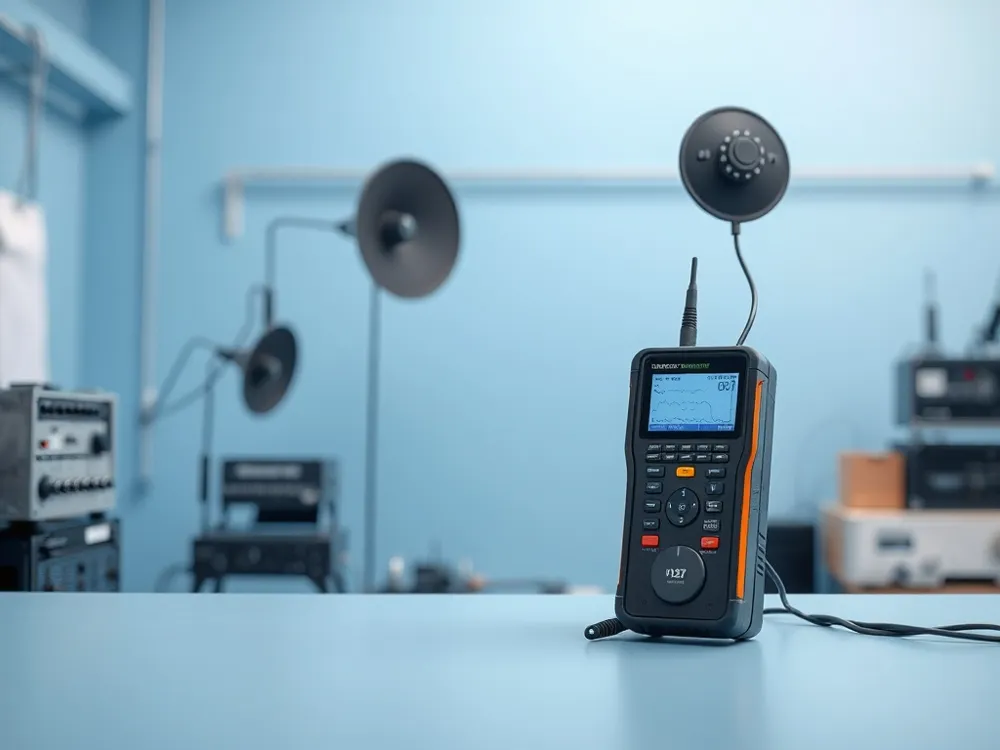
OSHA's primary standard for hearing loss is 29 CFR 1910.95, the Occupational Noise Exposure standard. This regulation requires employers to implement a hearing conservation program when employee noise exposure equals or exceeds an 8-hour time-weighted average (TWA) of 85 dBA, known as the action level. If exposures exceed 90 dBA as an 8-hour TWA, employers must use feasible administrative or engineering controls to reduce noise. If these controls are insufficient, personal protective equipment such as earplugs or earmuffs must be provided. Additionally, exposure to impulsive or impact noise must not exceed 140 dB peak sound pressure level.
OSHA noise level standards pdf
The official noise level standards are detailed in 29 CFR 1910.95 and its appendices. The permissible exposure limit (PEL) is 90 dBA for an 8-hour shift. OSHA uses a 5 dBA exchange rate, meaning for every 5 dBA increase above the PEL, the allowable exposure time is halved. Table G‑16 provides specific permissible durations, ranging from 90 dBA (8 hours) up to 115 dBA (15 minutes or less). The full standard, available as a PDF on OSHA’s website, includes appendices on monitoring procedures, audiometric testing, and hearing protector selection.
OSHA audiometric testing requirements
Employers must establish a baseline audiogram within six months of an employee's first exposure at or above the 85 dBA action level. Annual audiograms are then required. A standard threshold shift (STS) is defined as an average change of 10 dB or more at 2000, 3000, and 4000 Hz in either ear. If an STS is detected, the employee must be notified in writing within 21 days, retested within 30 days, and provided with follow‑up care. Testing must be conducted by a licensed audiologist, otolaryngologist, or certified technician under supervision. Audiometric records must be retained for the duration of employment plus 30 years.
29 CFR 1910.95 Occupational noise exposure
29 CFR 1910.95 sets the legal framework for protecting workers from occupational hearing loss. It requires a hearing conservation program when noise reaches an 8‑hour TWA of 85 dBA, including exposure monitoring, audiometric testing, hearing protection, employee training, and record‑keeping. When the PEL of 90 dBA is exceeded, feasible engineering or administrative controls are mandatory, with PPE as a backup. The standard also mandates that all continuous, intermittent, and impulsive sound levels from 80 dB to 130 dB be integrated into exposure assessments, and that peak levels do not exceed 140 dB.
Occupational noise exposure standard: key provisions
OSHA 1910.95 requires an initial noise monitoring survey and periodic reassessments when processes or equipment change. The standard defines a standard threshold shift as a key trigger for intervention, and mandates the use of age correction tables for comparing audiograms. Hearing protection must be provided and fitted to reduce exposure to at least 90 dBA, or 85 dBA for workers who have already experienced an STS. Training on noise hazards and hearing protection is required annually. Comprehensive record‑keeping of exposure data, audiograms, calibration logs, and training is critical for demonstrating compliance.
| Requirement | Details | Legal Impact for Claims |
|---|---|---|
| Action Level | 85 dBA 8‑hour TWA | Triggers hearing conservation program; failure to implement may show negligence |
| Permissible Exposure Limit | 90 dBA 8‑hour TWA | Exceeding limit requires engineering controls; non‑compliance supports causation |
| Standard Threshold Shift | ≥10 dB avg. at 2, 3, 4 kHz | Documented shift is objective evidence of work‑related hearing loss |
| PPE Requirement | Must reduce to ≤90 dBA | Insufficient protection can be cited as employer fault |
| Impulsive Noise Limit | 140 dB peak | Exceeding this limit can establish severe exposure in accident cases |
| Testing Personnel | Licensed audiologist or certified technician | Ensures validity of audiograms; improper testing can be challenged |
The Four C’s: Building a Credible Expert Witness
What are the four C's of expert witness?
The most effective audiology expert witnesses build their credibility on four core traits, often called the “Four C’s”: Clear Communication, Coachability, Confidence, and Candor. These fundamentals ensure testimony is not only admissible but persuasive and trustworthy for judges and juries.
Clear Communication
An expert must translate complex audiometric data—like pure-tone thresholds, otoacoustic emissions, and speech‑in‑noise results—into plain language that a lay jury can understand. Using visual aids, such as diagrams of the auditory system or charts showing noise‑induced hearing loss patterns, helps the court grasp the functional impact of the injury. Clear communication directly satisfies the Daubert standard by making technical methodology understandable.
Coachability
A coachable expert is open to guidance from the legal team. They understand the specific legal questions the case must answer—causation, degree of impairment, and impact on employability—and are willing to tailor their report and testimony to address those issues directly. This includes rehearsing direct and cross‑examination to ensure all key points are covered effectively.
Confidence
Confidence, rooted in deep clinical experience and thorough record review, allows the expert to withstand aggressive cross‑examination. An expert who can answer questions honestly, maintain composure, and cite peer‑reviewed literature demonstrates reliability. This trait is especially important when defending a causation opinion, such as linking a notch on an audiogram to workplace noise exposure.
Candor
Candor—honesty about the strengths and weaknesses of a case—is paramount. An expert who admits uncertainty or acknowledges alternative explanations (e.g., pre‑existing conditions, recreational noise) is seen as more impartial and credible. This honesty can preempt defense attempts to impeach the witness and ultimately strengthens the case.
Why these traits matter in court
Together, the Four C’s help an audiology expert meet the rigorous standards of Daubert and FRE 702, ensuring their testimony is both admissible and persuasive. Courts rely on expert witnesses because juries lack specialized knowledge; a credible, well‑prepared expert bridges that gap, making complex auditory science understandable and actionable for the fact‑finder. In summary, the Four C’s are not optional—they are essential for transforming clinical expertise into compelling legal evidence.
Who Sets Hearing Protection Requirements and Why It Matters
Who determines the hearing protection requirements for your workplace?
Hearing protection requirements are established by the Occupational Safety and Health Administration (OSHA) through its occupational noise exposure standard (29 CFR 1910.95). This federal regulation mandates that employers implement a hearing conservation program when employee noise exposure reaches an 8-hour time-weighted average of 85 decibels.
What is the employer's responsibility for monitoring and selecting hearing protection?
Employers must first conduct noise monitoring using sound level meters or dosimeters to determine exposure levels. If controls cannot reduce noise to permissible limits, the employer must select and provide appropriate hearing protection devices (HPDs). This selection is based on the noise reduction rating (NRR) needed to lower exposure to safe levels—typically below 90 dB TWA or 85 dB TWA if a standard threshold shift exists.
What factors influence hearing protection device selection?
| Factor | Consideration | Impact on Selection |
|---|---|---|
| Noise Level | Decibel measurements from monitoring | Determines required NRR |
| Work Environment | Type of noise (continuous, impact) | Guides HPD type (plugs vs. muffs) |
| Employee Fit | Ear canal size, comfort | Affects real-world attenuation |
| Task Requirements | Need for communication | May require special HPDs |
| OSHA Compliance | Documentation and training | Validates proper selection process |
The employer must also provide training on proper use and ensure HPDs are fitted correctly. Consistent use and adequate attenuation are critical; real-world protection often falls short of laboratory ratings.
Why does hearing protection selection matter in litigation?
In hearing loss compensation cases, expert witnesses examine whether the employer selected appropriate HPDs, ensured proper fit, and enforced consistent use. If the employer failed to conduct adequate noise monitoring or selected HPDs with insufficient NRR, this can establish negligence. The NHCA guidelines note that documented HPD use alone is not sufficient evidence to rule out work-relatedness—experts must assess whether protection was actually effective. This analysis directly impacts causation opinions and employer liability.
Audiologist vs. Doctor of Audiology: Credentials Explained
Yes, a distinction exists. An audiologist may practice with a master’s degree, whereas a Doctor of Audiology (AuD) completes a specialized four-year doctoral program. The AuD is not a medical degree, so these clinicians are not physicians, but they possess advanced training for hearing diagnostics.
State licensing mandates passing the Praxis exam and earning board certification from organizations like ASHA. Their scope covers audiometric testing, hearing aid fittings, and occupational conservation programs, excluding surgical interventions. This clinical focus establishes their authority in medical-legal reviews.
Credentials directly influence courtroom admissibility. Judges require certified specialists to interpret threshold data and explain noise-induced damage under Daubert standards. Their objective analysis transforms complex test results into clear evidence, making them essential for injury litigation.
| Credential | Clinical Focus | Courtroom Function |
|---|---|---|
| Master’s Degree | Diagnostic basics | Meets state licensing |
| Doctor of Audiology | Advanced training | Boosts juror credibility |
| Board Certification | Verification | Supports legal admissibility |
Navigating Interactions with Workers’ Comp Adjusters
What not to say to a Workman's Comp adjuster?
Never agree to give a recorded statement before consulting an attorney. Adjusters are trained to use these statements to find contradictions that can be used to minimize or deny your claim. Stick strictly to facts you know; avoid speculating about the cause of your injury, your medical history, or prior conditions.
Do not volunteer extra information or discuss unrelated topics like your family history or hobbies. Never exaggerate or downplay your symptoms, as even an innocent mistake can be weaponized against your claim. You should not offer opinions; simply state what happened and how you feel.
Common pitfalls in recorded statements
The most common pitfall is agreeing to a recorded call without legal guidance. During the call, speaking too much or trying to be helpful can lead to damaging statements. Another frequent error is guessing the answer to a question; a polite "I don't know" or "I don't recall" is far safer.
Sticking to facts only
Your role is to provide factual information about the injury event and your symptoms. Focus on the date, time, and location of the incident, and describe the noise source or accident. Do not interpret or diagnose your hearing loss; leave that to your audiologist and medical experts.
When to invoke attorney counsel
Invoke your right to counsel immediately if the adjuster asks for a recorded statement or pressures you to discuss your claim. Politely state, "I have been advised to discuss this with my attorney first." An attorney can manage all communications with the adjuster, ensuring your claim is protected.
Protecting your claim
Document all interactions with the adjuster, including dates, times, and what was said. Do not sign any medical authorizations without your attorney's approval. Follow your doctor's treatment plan strictly and keep all your medical appointments to show compliance.
| Pitfall | Action to Take | Reason |
|---|---|---|
| Giving recorded statement | Refuse until attorney reviews | Avoids contradictions and traps |
| Speculating on cause | Say you don't know | Prevents false admissions |
| Discussing past medical history | Decline to answer | Irrelevant to claim; can be used against you |
| Signing blanket medical releases | Let attorney review first | Prevents access to unrelated records |
| Missing medical appointments | Always attend | Demonstrates compliance and injury severity |
Compensation Benchmarks: Settlements and Averages

Workers' compensation hearing loss settlement: What are typical ranges?
Workers' compensation settlements for occupational hearing loss can vary dramatically, but typical payouts often fall between $45,000 and $1.5 million. A frequently cited average payout in the United States is approximately $65,868. These figures depend on a range of case-specific factors, making each settlement unique. In the U.K., compensation for total hearing loss in both ears can range from £50,000 to £70,000, while total loss in one ear may yield £17,500 to £29,000.
What factors influence the final award amount?
The final compensation amount is influenced by several key elements. The degree of hearing loss and its permanence are primary factors. The presence of related conditions like tinnitus can increase the award. The strength of evidence linking the hearing loss to workplace noise, including OSHA compliance records and audiometric data, is critical. The impact on employability and the need for ongoing medical care, such as hearing aids, are also significant considerations.
What is the role of expert testimony in securing fair awards?
Expert testimony is essential for translating complex audiometric data into a compelling case for compensation. Audiologists and otolaryngologists provide objective opinions on causation, linking the hearing loss to specific workplace exposures. They also quantify the degree of permanent impairment, which directly determines the benefit amount under state compensation schedules. An expert's credible report can significantly strengthen settlement negotiations and prevent low offers from insurers, ensuring the claimant receives a fair award covering both immediate and long-term needs.
| Jurisdiction | Severity of Hearing Loss | Typical Compensation Range | Key Influencing Factors |
|---|---|---|---|
| United States | Occupational, bilateral loss | $45,000 - $1.5 million (Avg. ~$65,868) | Severity of loss, proof of employer negligence, impact on job functions, need for hearing aids. |
| United Kingdom | Total loss in one ear | £17,500 - £29,000 | Age of claimant, presence of tinnitus, individual impact on quality of life and employment. |
| United Kingdom | Total loss in both ears | £50,000 - £70,000 | Complete hearing loss, significant impact on daily life and earning capacity. |
| United Kingdom | Partial / noise-induced loss | ~£6,000 (can be higher) | Degree of disability, specific work conditions, and ability to demonstrate direct occupational link. |
Practical Listening Guidelines: 60‑60 Rule and 1/3/6 Rule
What is the 60-60 rule in audiology?
The 60‑60 rule is a guideline for safe use of personal audio devices. It recommends keeping the volume at no more than 60 percent of the maximum and limiting listening time to 60 minutes per day. The Mayo Clinic endorses this rule, especially for children and teenagers, to prevent noise‑induced hearing loss from prolonged headphone use. Using noise‑canceling headphones helps users adhere to the rule by reducing the need to raise volume in noisy environments.
What is the 1/3/6 rule for hearing loss?
The 1‑3‑6 rule consists of benchmarks from the CDC’s Early Hearing Detection and Intervention (EHDI) program for infants. Screening should occur by 1 month of age, a diagnostic evaluation by 3 months for those who do not pass, and enrollment in early intervention by 6 months. Early detection and intervention dramatically improve language and social development outcomes.
Relevance to occupational claims
These guidelines are indirectly relevant to occupational hearing loss claims. The 60‑60 rule highlights the importance of controlling duration and intensity of noise exposure—a principle that applies to workplace environments. The 1‑3‑6 rule underscores the need for prompt audiologic assessment, a concept mirrored in the requirement for timely baseline and annual audiograms in occupational settings.
How experts apply these rules in litigation
Audiologists use the 60‑60 rule to explain safe listening practices to juries, especially in cases where non‑occupational noise exposure is a defense argument. The 1‑3‑6 rule serves as a benchmark for the necessity of early and repeat hearing evaluations, and experts can reference it to demonstrate the importance of baseline audiograms in tracking occupational hearing loss. Both rules help experts illustrate general principles of hearing conservation in a clear, accessible manner.
Standard Threshold Shift Notices and the Gold‑Standard Test
What an STS notification letter includes
An STS notification letter is a formal written notice that an employer must send to an employee within 21 days of identifying a work‑related Standard Threshold Shift (STS). An STS is defined by OSHA as an average loss of 10 dB or more in hearing thresholds at 2000, 3000, and 4000 Hz in either ear, compared to the employee’s baseline audiogram. The letter informs the employee of the permanent change, outlines possible causes such as noise exposure, stresses the importance of proper hearing protection use, and invites discussion on preserving remaining hearing. This documentation is critical evidence in compensation cases, as it establishes that an injury occurred and that the employer recognized a work‑related change in auditory status.
Legal significance of STS under OSHA
Under OSHA's occupational noise exposure standard (29 CFR 1910.95), an STS is a key indicator of potential occupational hearing loss. When an STS is confirmed, the employer must record it on the OSHA 300 Log if the total hearing loss averages 25 dB or more above audiometric zero at those same frequencies. This triggers further requirements — such as refitting hearing protection, providing additional training, and referring the employee for clinical evaluation — all of which an expert witness can use to demonstrate that the employer complied with or breached its legal duty to protect the worker’s hearing. Early STS detection also helps meet statutory filing deadlines by providing objective evidence of when the employee knew or should have known that the hearing loss was work‑related.
Pure‑tone audiometry as the gold standard
Pure‑tone audiometry (PTA) is the gold standard for quantifying hearing loss in both clinical and legal settings. It measures the faintest tones a person can hear across multiple frequencies (typically 250–8000 Hz), producing a quantitative audiogram that shows the pattern and severity of loss. PTA’s reliability, reproducibility, and standardization make it the foundation of occupational hearing conservation programs and a key evidentiary tool in litigation. Expert witnesses rely on PTA results to identify the characteristic “noise notch” (greatest loss at 3000–6000 Hz), distinguish noise‑induced hearing loss from age‑related presbycusis, and calculate the exact percentage of permanent impairment for compensation.
How experts use STS and PTA in case strategy
Expert witnesses integrate STS and PTA data to build a defensible, evidence‑based case strategy. The STS provides a clear, legally recognized trigger showing that hearing has declined from baseline, while PTA results quantify the degree and pattern of that decline. Experts use these metrics to: (1) compare pre‑ and post‑incident audiograms to establish causation, (2) calculate impairment ratings according to the AMA Guides, (3) counter defense arguments that attribute loss to aging or non‑occupational causes, and (4) document the timeline of injury to satisfy statutory deadlines. By highlighting the objective, repeatable nature of STS and PTA findings, experts strengthen the credibility of the claim and anticipate challenges under Daubert and FRE 702 standards. Early involvement of the expert ensures that these data are accurately collected, interpreted, and preserved before the insurer disputes the claim.
| Element | Definition | Legal / Strategic Role |
|---|---|---|
| STS (Standard Threshold Shift) | Average hearing loss of ≥10 dB at 2, 3, 4 kHz vs. baseline | Triggers employer notification, OSHA recording, and protective actions; establishes work‑related change. |
| PTA (Pure‑Tone Audiometry) | Threshold testing across 250–8000 Hz in each ear | Gold‑standard measure of hearing; produces audiogram used to diagnose NIHL pattern and calculate impairment. |
| STS Notification Letter | Written notice from employer to employee within 21 days of STS | Documents that injury was recognized; provides timeline evidence for claim filing. |
| OSHA 300 Log | Mandatory employer record of work‑related injuries/illnesses | Adds statutory weight to STS; failure to record may be cited as employer negligence. |
| Impairment Rating (AMA Guides) | % of permanent loss calculated from PTA thresholds | Directly determines compensation amount; expert calculates and justifies rating. |
Strategic Timing: When to Bring an Expert Witness Into Your Hearing Loss Claim
Strategic Timing: When to Bring an Expert Witness Into Your Hearing Loss Claim
Initiating expert involvement early preserves evidence and shapes litigation strategy. Attorneys conduct an initial case-review interview to screen medical and occupational records for inconsistencies. Screening helps identify missing data before formal retention. A retainer agreement subsequently defines scope, hourly billing, and a minimum four-hour advance payment.
Pre-trial fact-finding requires meticulous analysis of audiological findings and potential re-examinations. Re-examinations document testing conditions to strengthen credibility. Final reports generally necessitate two to four weeks after documentation receipt, though expedited options exist. Depositions follow report completion. Experts prepare for depositions through rebuttal reports and pre-trial interviews. This timeline ensures clear courtroom testimony.
Early retention provides decisive advantages and prevents evidence degradation.
| Phase | Action Item | Strategic Outcome |
|---|---|---|
| Intake | Record screening | Identifies gaps quickly |
| Retainer | Scope agreement | Aligns expectations |
| Prep | Report drafting | Establishes causation |
| Trial | Court testimony | Validates damages |
| Appeal | Rebuttal analysis | Counters opposing views |
Engaging an expert at intake strengthens causation opinions and ensures Daubert admissibility. Expert involvement allows attorneys to address common defense challenges, such as attributing loss to aging, before claims escalate. This proactive approach enhances settlement leverage by presenting credible evidence that increases value.
Securing a Strong Hearing Loss Claim Through Timely Expert Involvement
The Strategic Advantage of Early Expert Engagement
Early involvement of an audiology expert provides a decisive advantage in hearing loss compensation cases. The expert can guide evidence collection from the start, identifying missing medical records and establishing causation before the insurer disputes the claim. This proactive approach preserves critical documentation and sets a solid foundation for settlement negotiations or trial.
Meeting Daubert and OSHA Standards
A qualified expert employs validated testing methods—pure-tone audiometry, tympanometry, and otoacoustic emissions—that satisfy Daubert and FRE 702 admissibility standards. Their analysis also addresses OSHA requirements by calculating Standard Threshold Shifts (STS), evaluating employer compliance with hearing conservation programs, and documenting exposure levels. This dual framework ensures the testimony is both scientifically reliable and legally relevant.
Measurable Impact on Case Outcomes
Cases with expert testimony see a significant increase in plaintiff success rates. An audiologist’s precise impairment rating directly influences benefit calculations, while vocational and economic experts quantify lost earning capacity and future medical costs. This comprehensive evidence package raises settlement values and persuades opposing parties to offer fair compensation.
Take the Next Step
Claimants and attorneys should consult NorCal Medical Consulting to engage an audiologist expert early in the claims process. Their forensic expertise strengthens causation arguments, meets evidentiary standards, and maximizes compensation for hearing loss injuries.