Why Medical Documentation is Critical in Injury Claims
Importance of Accurate Medical Records
Accurate medical documentation is foundational in personal injury claims. It provides objective evidence of the injury's nature, severity, and causal connection to the incident. Records must be thorough, including treatment reports, diagnostic tests, prescriptions, and progress notes, to establish the injury timeline clearly.
Impact of Documentation on Injury Cases
Injury claims rely heavily on complete and consistent medical records. Gaps or inconsistencies in treatment can undermine the credibility of claims and allow insurers to argue that injuries are less severe or unrelated. Detailed documentation of initial treatment, follow-ups, and patient compliance strengthens injury cases.
Connection Between Medical Records and Legal Outcomes
Medical records are pivotal in legal assessments involving liability and damages. Courts and insurers use them to verify injury legitimacy and causation. Accurate, well-maintained records enable attorneys to build stronger cases, preventing disputes and facilitating fair compensation. Conversely, poor or incomplete documentation can result in denied claims or reduced settlements.
Common Documentation Gaps and Their Legal Implications
Types of Documentation Errors
Medical documentation errors are frequent contributors to legal challenges, occurring in various forms:
- Missing Documentation: Occurs in up to 70% of cases, such as omitted patient interactions or treatment details.
- Inaccurate Content: Includes errors in recorded facts or reliance on unchecked templates, accounting for 22% of documentation issues in malpractice.
- Poor Mechanics: Transcription errors in medical records and delayed entries affect 18% of cases, potentially altering patient records.
- Judgmental or Biased Language: Use of judgmental language in records can harm legal defenses.
- Alterations and Inconsistencies: Modifications or conflicting records between clinicians can be interpreted as fraudulent or negligent, related to legal issues with altering medical documentation.
How Gaps Affect Liability and Malpractice
Gaps in treatment or documentation increase liability risks significantly:
- Undermined Legal Defense: Incomplete or inaccurate records weaken physicians’ ability to defend malpractice claims, contributing to Medical documentation malpractice risk.
- Malpractice Risk: Over 75% of emergency physicians face lawsuits, with documentation deficiencies playing a role in up to 20%.
- Legal Consequences: Alterations in records often result in professional sanctions, license loss, or court penalties as explained under Legal issues with altering medical documentation.
Effect on Personal Injury Claims Credibility
In personal injury and workers’ compensation claims, documentation gaps are highly detrimental:
- Questioned Injury Severity: Delays or gaps can suggest injuries are less serious or unrelated to the incident as discussed in Gaps in medical treatment impact.
- Reduced Compensation Potential: Inconsistent records and treatment interruptions lower credibility and may lead to claim denial, a key concern in Medical treatment gaps.
- Insurance Scrutiny: Insurers closely analyze gaps to dispute causation or link injuries to alternative causes, covered in Insurance challenges with treatment gaps.
- Mitigation Strategies: Prompt treatment resumption, detailed symptom journals, and clear explanation of gaps improve case strength, per Maximizing compensation through documentation.
Maintaining thorough, consistent, and objective medical documentation in personal injury cases is essential to uphold legal protections and support personal injury claims effectively.
Medical Case Reviews: Process and Best Practices
What Is the Structured Approach to Reviewing Medical Cases?
Medical case reviews follow a systematic process designed to ensure thorough analysis and improvement. The process typically involves several key steps:
- Case Selection: Choosing relevant cases based on predefined criteria.
- Defining Objectives: Setting clear goals for what the review aims to achieve.
- Data Collection and Analysis: Gathering complete clinical information, including diagnosis, treatment, and patient outcomes.
- Performance Comparison: Measuring care against standards or expectations to identify discrepancies.
- Problem Identification: Prioritizing areas of concern such as gaps in medical treatment, errors, or documentation flaws.
- Action Plan Development: Creating strategies to address issues found in the review.
- Implementation and Evaluation: Applying improvements and assessing their effectiveness over time.
- Documentation: Recording findings and processes to support accountability and future audits.
This structured approach not only enhances clinical knowledge and patient safety but also reduces risks related to benefits of proper medical case reviews and improves overall outcomes.
How Do Multidisciplinary Teams and External Experts Contribute?
Effective medical case reviews benefit significantly from diverse perspectives. Multidisciplinary teams comprising clinicians from various specialties, peer groups, and sometimes external expert reviewers offer several advantages:
- Broader Expertise: Different clinical backgrounds help identify complex issues and offer comprehensive insights.
- Objectivity: External experts can provide unbiased assessments not influenced by internal dynamics.
- Regulatory Compliance: Expert involvement ensures reviews adhere to licensing and subspecialty requirements.
- Gap Filling: External reviewers can address expertise gaps within healthcare organizations.
Employing such teams fosters accountability, transparency, and enhanced communication among healthcare professionals (Medical case reviews overview).
Why Are Confidentiality and Informed Consent Important in Medical Reviews?
Maintaining patient privacy and obtaining informed consent documentation importance are fundamental ethical and legal requirements during medical case reviews. Practices include:
- Ensuring Confidentiality: Protecting patient identity and sensitive information throughout the review process.
- Informed Consent: Patients or their representatives are informed about the review purpose and provide permission.
- Constructive Feedback Environment: Reviews should promote a supportive atmosphere that avoids biased or risks of judgmental language in records.
- Follow-Up and Monitoring: Ongoing oversight to ensure confidentiality standards are maintained.
Adhering to these principles safeguards patient rights, supports trust in medical care, and upholds the integrity of the legal and clinical review process.
Addressing Gaps in Treatment: Challenges and Strategies
What Are Treatment Gaps?
Treatment gaps refer to significant periods when a patient does not receive any medical care related to their injury. Examples include missing scheduled appointments, delays in seeking initial treatment, or interruptions in following the prescribed treatment plan. Legitimate reasons for these gaps might include financial difficulties, transportation issues, illness unrelated to the injury, or temporary symptom improvement. For more details, see Medical documentation for treatment gaps.
How Do Insurance Companies View Treatment Gaps?
Insurance companies often scrutinize treatment gaps closely. They interpret these gaps as indicators that the injury may not be serious, could be self-inflicted, or caused by a new event. Such gaps can weaken claims by suggesting that injuries lack credibility or are unrelated to the incident. This skepticism impacts both economic damages, like lost wages and future medical costs, and non-economic damages, such as pain and suffering. Learn more about Insurance challenges with treatment gaps.
Strategies to Document and Justify Treatment Gaps
To protect injury claims, it is essential to document and explain treatment gaps thoroughly:
- Resume medical treatment promptly whenever possible.
- Obtain medical records that provide clear explanations for any gaps, such as notes about illness or emergencies.
- Maintain detailed symptom journals to capture ongoing health issues during gaps.
- Preserve all related communications and documents supporting the reasons for gaps.
- Avoid social media posts or statements that contradict injury claims.
- Consult experienced personal injury attorneys to ensure expert guidance in managing documentation and communicating gaps effectively.
These strategies help bridge gaps in care with sound evidence, minimizing potential challenges to injury claims by insurers or opposing legal parties. For comprehensive information, visit Gaps in medical treatment impact and Medical treatment gaps.
The Role of Expert Medical Consulting in Injury Documentation
What services does NorCal Medical Consulting provide in relation to workplace injuries and auditory loss?
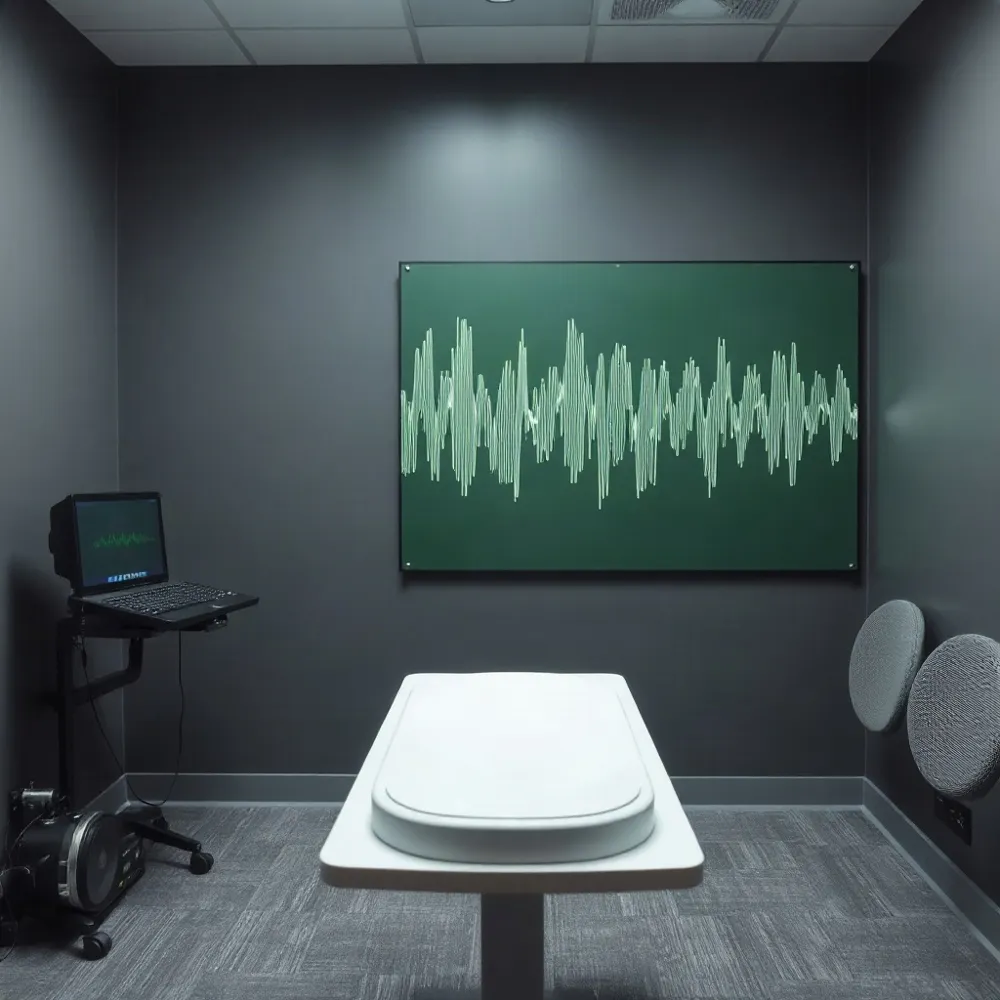
NorCal Medical Consulting specializes in expert assessments focusing on workplace injuries involving auditory loss. Their services include:
- Comprehensive audiometric testing methods to assess the extent of hearing damage.
- Evaluations determining the work-relatedness of auditory injuries.
- Detailed medical opinions and reports supporting both legal and insurance claims.
- Identification of noise hazards and recommendations for preventive measures to reduce further hearing loss.
How do expert assessments from NorCal Medical Consulting support legal and insurance claims?
NorCal's expert evaluations provide objective and thorough documentation that establishes the nature, severity, and cause of auditory workplace injuries. Their detailed medical records, diagnostic findings, and specialist opinions serve as critical evidence, aiding in:
- Justifying ongoing medical care and treatment.
- Supporting compensation claims with accurate, well-documented findings.
- Offering expert testimony that clarifies technical medical issues within legal proceedings.
- Resolving disputes by providing reliable, medically sound evidence that aligns with legal standards.
For more information on Accurate medical record reviews in legal cases and the Legal importance of comprehensive medical records, see the linked resources.
What qualifications and expertise do consultants at NorCal Medical Consulting possess?
Consultants at NorCal are highly trained audiologists who hold doctoral degrees and possess the Certificate of Clinical Competence in Audiology (CCC-A). They are licensed professionals who:
- Have extensive experience in evaluating workplace-related hearing loss.
- Collaborate closely with healthcare providers on treatment and evaluation plans.
- Are experts in managing conditions such as tinnitus, cochlear implants, hearing aids, and auditory processing disorders.
- Ensure assessments are both reliable and comprehensive, enhancing support for legal and insurance claims.
| Aspect | Description | Importance in Injury Cases |
|---|---|---|
| Services Provided | Audiometric testing, evaluations, reports | Establish extent and cause of auditory injuries |
| Support for Claims | Objective documentation, expert testimony | Strengthens compensation and legal claims |
| Consultant Qualifications | Doctoral degrees, CCC-A, licensed audiologists | Ensures reliability and compliance with standards |
Conducting Thorough Auditory Loss Evaluations: NorCal’s Approach
What is the typical process for an auditory loss evaluation performed by NorCal Medical Consulting?
NorCal Medical Consulting follows a meticulous, step-by-step process when evaluating auditory loss, focusing on both clinical accuracy and the legal relevance of findings. The process begins with a comprehensive review of the patient's medical history, which includes previous audiometric testing methods and detailed documentation of workplace noise exposure. This preliminary review ensures a thorough understanding of the patient’s hearing status and potential risk factors.
On the day of evaluation, the patient undergoes comprehensive audiometric assessments after a mandatory noise-free period of at least 16 hours. This precaution reduces any temporary threshold shifts, thereby enhancing the precision of hearing threshold measurements. The test battery typically includes pure-tone audiometry, speech recognition, and other relevant audiological assessments tailored to the patient's profile.
How does NorCal Medical Consulting incorporate workplace noise exposure data?
NorCal places strong emphasis on correlating audiometric findings with workplace noise exposure. The evaluation team carefully examines noise exposure reports, job descriptions, and company safety policies. These data help establish a causal link between the patient’s hearing loss and occupational noise, which is critical for legal documentation and workers’ compensation claims.
Moreover, expert interpretation of workplace noise levels alongside audiometric results strengthens the credibility of the diagnosis. This holistic approach not only supports medical conclusions but also reinforces legal arguments related to noise-induced hearing loss.
How is documentation supporting causality managed?
After completing the assessment, NorCal prepares a detailed, comprehensive report. This document includes complete test results, a medical opinion on the patient’s auditory condition, and an analysis of workplace noise exposure evidence. The report is written with attention to clarity and legal scrutiny, addressing the standards that courts and insurance evaluators expect.
Proper documentation ensures transparency and robustness in claims, which can prevent disputes due to inconsistencies or gaps. NorCal’s reports facilitate the establishment of causation, playing a pivotal role in personal injury cases and workers’ compensation proceedings involving occupational hearing loss. For more in-depth information on Medical documentation in personal injury claims and the Importance of detailed medical record reviews, exploring these resources can provide valuable insights. Additionally, understanding how Gaps in medical treatment impact and how to manage Medical documentation malpractice risk may further enhance the robustness of the claims process.
Improving Injury Litigation Outcomes through Detailed Documentation and Reviews
Role of Clinical Documentation Improvement Specialists
Clinical Documentation Improvement (CDI) specialists play a pivotal role in enhancing the quality and accuracy of medical records crucial for injury litigation. Acting as 'medical detectives in record assessment', they systematically analyze patient charts to confirm that documentation fully reflects the patient's clinical course, diagnoses, and treatments. By ensuring adherence to coding standards such as ICD-10-CM and compliance with healthcare regulations like HIPAA, CDI professionals help produce records that withstand legal scrutiny. Their expertise facilitates the identification of discrepancies or gaps, which might otherwise weaken legal claims or defenses.
Managing Large and Complex Medical Records
Personal injury cases often involve voluminous and complex medical documentation drawn from multiple providers and healthcare settings. This can include emergency room reports, diagnostic test results, treatment plans, progress notes, and rehabilitation records. Effective management requires meticulous organization, verification of completeness, and cross-referencing for consistency. CDI specialists and legal teams collaborate to distill this data into coherent, comprehensive summaries that highlight relevant factors such as pre-existing conditions, causation, and treatment compliance (Medical records review in legal injury cases, Medical documentation in personal injury claims).
Impact on Liability and Compensation in Personal Injury Cases
Accurate and complete medical records serve as critical evidence in establishing liability, causation, and the extent of damages in personal injury litigation. Thorough documentation strengthens claims by clearly connecting injuries to incidents, demonstrating severity, and detailing ongoing treatment effects. Conversely, gaps or inconsistencies in records can undermine credibility, provide grounds for insurer challenges, and reduce compensation awards (Gaps in medical treatment impact, Impact of treatment gaps on injury claims). Utilizing detailed Accurate medical record reviews in legal cases and improvement efforts mitigates these risks, ensuring stronger legal positions and more equitable compensation outcomes for claimants.
Maximizing Compensation by Closing Documentation Gaps
Prompt and Consistent Medical Treatment Enhance Claim Credibility
Immediate and ongoing medical care following an injury is vital for establishing the severity and causation of injuries. Prompt evaluation documents the injury’s connection to the event, while consistent treatment records support the case by demonstrating ongoing symptoms and recovery efforts.
Legal Risks Associated with Incomplete or Inconsistent Documentation
Gaps in medical treatment and documentation can severely undermine an injury claim. Insurance companies often interpret these gaps as evidence that injuries are less serious, unrelated, or potentially fabricated. Inconsistent records between providers or missing details such as follow-up instructions can erode credibility and weaken compensation prospects.
Expert Consultation Strengthens Injury Claims
Engaging experienced medical and legal professionals early can help identify and address documentation gaps. Medical record review specialists analyze records for completeness and accuracy, while attorneys assist in gathering and organizing all pertinent records. This collaboration ensures a thorough case preparation, mitigating potential challenges linked to treatment gaps and documentation deficiencies.
Effective management of medical documentation and proactive expert involvement are essential strategies to maximize compensation and defend against claim disputes related to medical record gaps.