Introduction to the Importance of Thorough Case Reviews in Injury Litigation
The Role of Detailed Case Reviews in Complex Injury Claims
Thorough case reviews are fundamental to personal injury litigation, especially in complex claims involving significant medical and legal intricacies. Meticulous evaluations enhance the accuracy of claims by identifying evidence gaps, verifying facts, and ensuring all relevant details are considered.
Components Involved in Thorough Case Evaluations
Effective case preparation integrates several critical elements:
- Comprehensive review of medical records, including past history, treatments, and billing information.
- Analysis of legal documents and applicable laws.
- Assessment of witness statements and expert medical opinions.
- Construction of detailed timelines to track causation and treatment progression.
Why Meticulous Preparation Enhances Compensation Outcomes
Well-prepared cases provide a clearer picture of injury causation and damages, facilitating fair compensation. Expert involvement and comprehensive documentation prevent defensive challenges and help establish the true extent of damages, including current and future medical needs. This diligence ultimately maximizes the likelihood of favorable legal and financial outcomes for claimants.
The Critical Role of Medical Evidence and Documentation in Injury Claims
Why Are Medical Records Essential in Personal Injury Claims?
Medical records serve as foundational evidence in proving both causation and damages in personal injury cases. They offer objective documentation of the injury’s nature, severity, and treatment history, linking the plaintiff’s condition directly to the incident. Without comprehensive Importance of medical evidence in personal injury cases, establishing liability becomes challenging, and the ability to secure fair compensation diminishes.
What Types of Medical Documentation Strengthen Injury Claims?
- Emergency room reports
- Diagnostic imaging (X-rays, MRIs)
- Treatment and progress notes
- Medical billing and cost statements
- Detailed medical timelines These documents collectively illustrate the timeline of injury, the extent of harm, and the future care needs, which are critical in calculating both economic and non-economic damages. The Importance of Medical Documentation provides further insights on how these records support injury litigation.
How Does Immediate Medical Attention Affect the Strength of a Case?
Seeking prompt medical care establishes an accurate injury timeline and helps demonstrate causation between the incident and the injuries. It also reduces gaps in treatment that opponents might exploit to question the injury’s legitimacy. Early documentation prevents memory loss and preserves vital evidence, thereby improving the case’s overall credibility as emphasized in Documenting Personal Injury Claims.
How Does Thorough Medical Documentation Support Damage Calculations and Liability?
Complete and well-organized medical records allow legal professionals to identify all relevant facts and gaps. This thorough documentation enables precise estimation of past and future medical expenses, rehabilitation needs, and lifestyle impacts. Medical-legal consultants and experts use these records to provide credible opinions, which serve as a basis for legal arguments regarding liability and compensation. For detailed guidance, see Thorough review of medical records.
What Role Do Healthcare Consulting Firms Play in Workplace Injury Assessments?
Healthcare consulting firms specializing in workplace injuries assess and document injuries such as auditory loss to aid legal and insurance claims. Their expert evaluations help determine injury severity, causation, and recommended treatment, ensuring accurate documentation. These firms also collaborate with occupational safety consultants to identify workplace hazards, implement safety protocols, and promote compliance with OSHA standards. Their work supports safer work environments and assists injured employees in obtaining proper compensation, highlighting the critical role of Medical experts in personal injury claims.
Understanding the Expert Assessment Process in Workplace Auditory Injury Cases
How does an expert assessment process work in the context of workplace auditory injury?
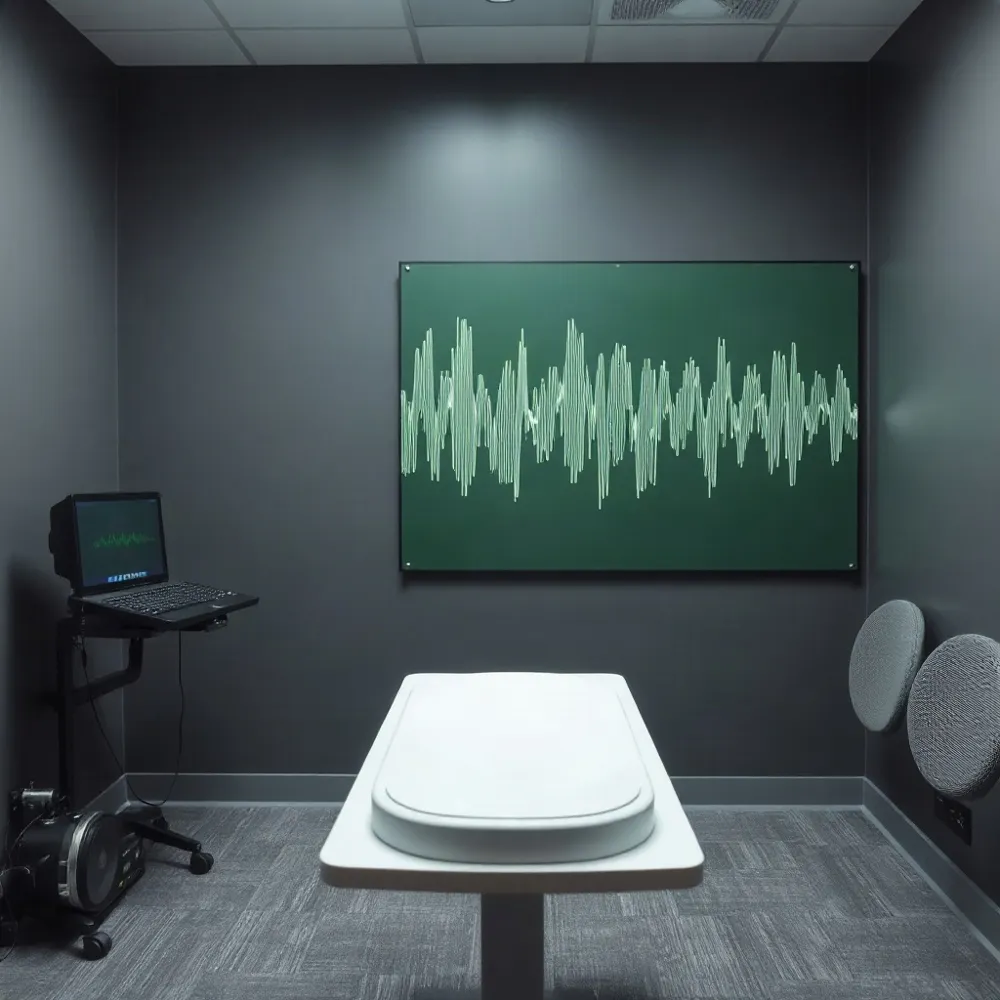
The expert assessment process for workplace auditory injuries begins with a detailed review of an employee's occupational and medical history. This includes examining past records for any pre-existing hearing conditions and gathering data on noise exposure levels in the work environment. Audiometric testing plays a central role in this evaluation; it measures hearing sensitivity across different sound frequencies to detect early and progressive hearing loss.
Experts analyze these test results alongside workplace noise exposure assessments to establish if noise levels exceeded regulatory limits, such as those set by OSHA. This step is crucial to determining whether the hearing impairment is attributable to occupational noise exposure. The assessment also reviews factors like the duration and intensity of noise exposure and any use or lack of protective equipment.
Such expert evaluations are vital in confirming the causation and extent of work-related auditory injury. They provide objective medical evidence that supports compliance audits and safety improvements in the workplace. Moreover, this rigorous analysis underpins fair compensation claims by accurately documenting injury severity and linking it to the work environment. For more on the role of Medical experts in personal injury claims, see.
In sum, the expert assessment process integrates comprehensive history-taking, advanced audiometric testing, and noise exposure analysis to produce a medically and legally sound evaluation. This process ensures that affected workers receive appropriate recognition and compensation for their occupational hearing loss while promoting safer workplace standards. For additional insights on evaluating compensation scenarios and the importance of medical evidence in personal injury cases, the linked resources provide valuable information.
Qualifications and Expertise of Medical Consultants in Auditory Loss Evaluations

What qualifications do experts in medical consulting firms have for performing auditory loss evaluations?
Experts conducting auditory loss evaluations typically hold advanced degrees and certifications in audiology or related healthcare fields. Most have earned a Doctorate in Audiology (AuD), which provides extensive clinical training in hearing and balance disorders essential for accurate injury assessments.
In addition to the doctorate, these specialists are often board certified—such as by the American Board of Audiology (ABA)—which signifies recognized expertise and adherence to professional standards. Many hold further specialty certifications in specific areas like Pediatric Audiology or Cochlear Implant assessment, demonstrating their capacity to handle complex cases involving diverse patient needs.
Experience is critical; these professionals usually have significant clinical and forensic experience, particularly with workplace-related auditory injuries. Such experience enhances their ability to interpret medical records, perform diagnostic testing, and provide reliable opinions in legal contexts. This aligns with the importance of a "Thorough review of medical records" and the "Role of medical experts in personal injury claims" to deliver assessed injury severity and causation.
Ongoing continuing education is mandatory to keep pace with advances in auditory assessment technology and medical knowledge. This commitment ensures that evaluations reflect current standards and best practices, increasing their credibility and utility in legal and insurance claim processes, which is critical in "Maximizing compensation through legal review".
In summary, the combination of advanced education, specialized certifications, relevant experience, and continuous learning equips medical consultants to deliver thorough and authoritative auditory loss evaluations essential in complex injury litigation, supported by the roles outlined by "Medical-legal consultants" to develop strong legal cases with medical evidence.
Leveraging Medical-Legal Consultants to Strengthen Complex Injury Cases
Role and Functions of Medical-Legal Consultants in Case Evaluations
Medical-legal consultants play a critical role in personal injury cases litigation by providing impartial evaluations of medical evidence. Their responsibilities include analyzing medical records, reviewing relevant medical literature, and conducting independent medical examinations. These actions ensure that medical information supporting legal claims is accurate, comprehensive, and credible.
How Impartial Medical Reviews and Independent Exams Influence Discovery and Evidence Disclosure
Independent medical reviews conducted by these consultants help uncover gaps or inconsistencies in existing records, promoting thorough evidence disclosure during discovery. Their unbiased opinions assist in clarifying causation, injury severity, and future medical needs, which are essential for fair damage assessments and successful claims.
Value Added by Combining Medical Expertise and Legal Insight
The unique blend of deep medical knowledge with an understanding of legal processes enables medical-legal consultants to guide attorneys effectively. This collaboration improves case strategy, enhances evidence presentation, and supports precise valuation of damages, including current and projected medical expenses.
Examples of Expert Firms and Key Professionals in the Field
Expert Medical Solutions exemplifies firms offering specialized medical-legal consulting services. Professionals like Dr. Scott Berger's experience, with extensive experience in both medicine and law, exemplify the valuable expertise consultants provide. Their involvement is often vital for law firms tackling complex injury cases requiring thorough medical evidence evaluation.
The Impact of Expert Medical Reviews on Damage Assessment and Compensation
How Do Expert Medical Evaluations Clarify Injury Severity, Causation, and Future Care Needs?
Expert medical evaluations serve as an impartial foundation for understanding the true extent and cause of injuries in personal injury cases. By thoroughly reviewing medical records in personal injury cases and performing independent medical examinations in injury claims, medical experts provide a detailed assessment of both the immediate and long-term effects of injuries. Their evaluations help establish causation by linking injuries directly to the incident, ensuring that all aspects of the injury are documented clearly. This includes anticipated future medical requirements, enabling accurate planning for ongoing care.
Why Is Comprehensive Damages Analysis, Including Medical Costs and Rehabilitation, Significant?
A comprehensive damages analysis encompasses current medical expenses, anticipated future treatment, rehabilitation, and related supportive care. Medical experts collaborate with legal teams to calculate these costs accurately, basing estimates on thorough medical histories and expert forecasts of patient needs. Including future care costs in damage assessments is crucial to ensure clients receive full and fair compensation that reflects both immediate and long-range impacts of their injuries.
How Does Expert Testimony Influence Case Valuation Accuracy?
Expert testimony lends credibility and depth to the presentation of medical evidence in court or settlement negotiations. Medical experts articulate complex medical information clearly, enabling attorneys, judges, and insurers to understand the severity and implications of injuries. Their authoritative opinions help prevent undervaluation of claims and counteract defense challenges about causation or injury extent, contributing to more precise case valuation. The role of medical experts in personal injury claims is critical for this reason.
What Is the Importance of Detailed Treatment Plans in Maximizing Client Compensation Outcomes?
Detailed treatment plans developed with input from medical experts outline necessary therapies, interventions, and potential adaptations for the injured party. These plans provide concrete documentation of future medical needs and associated costs, strengthening the justification for compensation. They also aid in demonstrating the long-term impact of injuries on daily living and occupational abilities, supporting claims for both economic and non-economic damages. Effective thorough damages analysis and maximizing client compensation in injury cases rely heavily on this approach.
| Topic Covered | Role | Impact on Personal Injury Claims |
|---|---|---|
| Expert Medical Evaluations | Assessment of injury severity and causation | Establishes legitimacy and comprehensive understanding |
| Comprehensive Damages Analysis | Includes future medical and rehabilitation costs | Ensures fair and full compensation |
| Expert Testimony | Communicates medical complexities clearly | Improves case valuation accuracy |
| Detailed Treatment Plans | Outlines future care needs | Maximizes compensation outcomes |
Integrating Thorough Case Reviews for Successful Injury Litigation Outcomes
Combining legal, medical, and expert assessments for robust case preparation
A comprehensive approach to injury litigation necessitates integrating Legal reviews in personal injury claims, detailed Thorough review of medical records, and expert evaluations. Legal teams meticulously verify facts and assess Evidence evaluation in legal claims to identify gaps and inaccuracies that could undermine a claim. Concurrently, Medical-legal consultants analyze treatment history and causation to substantiate injury claims, offering impartial evaluations crucial for precise case outcomes. This multidisciplinary collaboration ensures a holistic understanding and strong foundation for legal arguments.
How detailed documentation and timelines improve credibility
Accurate, timely Documenting Personal Injury Claims, including incidents, medical treatments, and financial records, is vital. Establishing a clear injury timeline through organized records helps link causation and damages effectively. Detailed medical histories—including diagnostics, treatments, and prognosis—support claims of injury severity and future care needs, preventing defense teams from exploiting inconsistencies or treatment gaps.
Role of experienced attorneys and consulting firms in navigating complex claims
Expert legal representation, like that offered by firms such as KRW Lawyers injury claims, guides clients through the complexities of claim preparation. Legal professionals secure necessary evidence, manage expert consultations, and navigate judicial procedures, increasing the likelihood of favorable compensation. Medical-legal consultants provide expert reports and assist discovery processes, enhancing case credibility with authoritative medical opinions.
Strategies to overcome challenges such as incomplete records or defense scrutiny
Recognizing common challenges—such as incomplete Medical records in personal injury cases and defense attempts to question causation—teams proactively gather comprehensive documentation early. Leveraging Medical experts in personal injury claims to clarify ambiguities, attorneys can effectively counteract defense scrutiny. Organizing records with clear medical timelines and involving specialists ensures claims remain robust against legal challenges.
What types of workplace injuries are commonly evaluated by medical consulting firms?
Medical consulting firms frequently address workplace injuries including auditory loss, musculoskeletal injuries, repetitive strain injuries, and other occupational health concerns. In healthcare sectors, common injuries involve slips, trips, falls, and strains affecting the lower back, fingers, knees, and shoulders. Experts assess these injuries' extent and causation to underpin legal and insurance claims, often recommending prevention strategies.
How do expert assessments of auditory loss support legal and insurance claims?
Expert evaluations of auditory loss involve audiometric testing and medical exams, objectively measuring hearing impairment. These assessments establish a direct link between occupational exposure and auditory damage, quantifying disability for compensation purposes. The resulting data fortify claim credibility, aiding legal and insurance professionals in determining fair outcomes. See also Occupational noise exposure regulations.