Understanding the Vital Role of Prompt Medical Care in Workplace Injury Management
Immediate Medical Attention After Workplace Injuries
Prompt medical care following a workplace injury is essential to prevent complications such as infections, permanent damage, or worsening conditions like internal bleeding and concussions. Early treatment ensures accurate diagnosis and effective pain management, which contribute to faster recovery and reduced long-term disability.
Benefits of Prompt Medical Evaluation
Seeking timely medical attention safeguards the injured worker's legal rights by creating crucial documentation that supports workers' compensation claims. Medical records serve as concrete evidence linking the injury to the workplace incident, preventing disputes from employers or insurers.
Moreover, early intervention facilitates proper rehabilitation and return-to-work planning, which minimizes downtime and promotes occupational health. It also helps identify the severity of injuries accurately, guiding appropriate treatment and reducing unnecessary healthcare costs.
Timely medical care supports safer workplaces by enabling thorough incident investigations and hazard identification, helping prevent future injuries. Overall, prompt medical attention is a cornerstone in managing workplace injuries effectively, ensuring improved health outcomes and robust legal protection for workers.
The Crucial First Steps Following a Workplace Accident
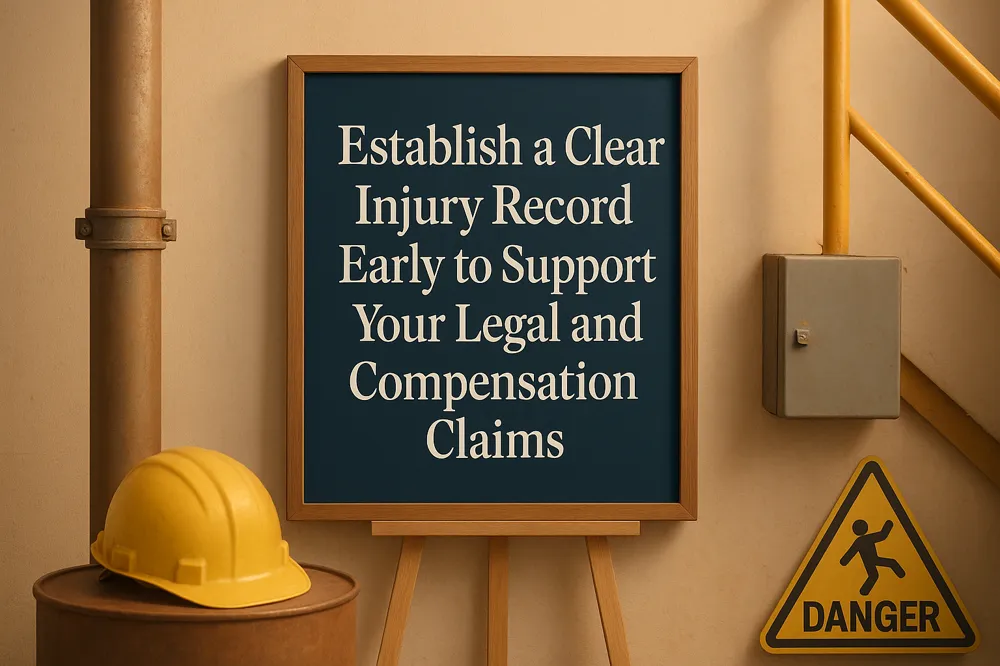
What steps should be taken immediately after a workplace accident?
When a workplace accident occurs, securing Importance of prompt treatment for workplace injuries is vital. This early intervention helps prevent injuries from worsening, including latent concerns like concussions or internal trauma that may not present immediate symptoms. Immediate care ensures accurate diagnosis, proper treatment, and safeguards long-term health.
Following medical evaluation, Prompt reporting of workplace injuries is essential. This step not only initiates a formal documentation process but also builds a timeline crucial for Filing a Workers' Compensation Claim. Employees should create a comprehensive record by capturing photographs, noting environmental conditions, and collecting witness statements to support their version of events.
Filing an incident report promptly and maintaining detailed Medical Records and Injury Claims—such as treatment notes, prescriptions, and healthcare bills strengthen the documentation needed to connect the injury directly to work activities. This evidence is indispensable in Protecting Legal Rights After Injury.
Understanding and meeting deadlines for Importance of injury timeline documentation and claims filing is also critical. Generally, workers must report injuries within 30 days and employers must file claims within seven days. Failure to comply can jeopardize benefit eligibility. Awareness of these requirements helps ensure timely access to medical coverage and wage replacement benefits.
By taking these initial steps—Seeking Medical Attention After a Personal Injury, Prompt reporting of workplace injuries, Medical Records and Injury Claims, and Protecting Legal Rights After Injury—employees lay the foundation for effective injury management and successful compensation claims.
Preventing Complications and Supporting Recovery Through Prompt Medical Attention
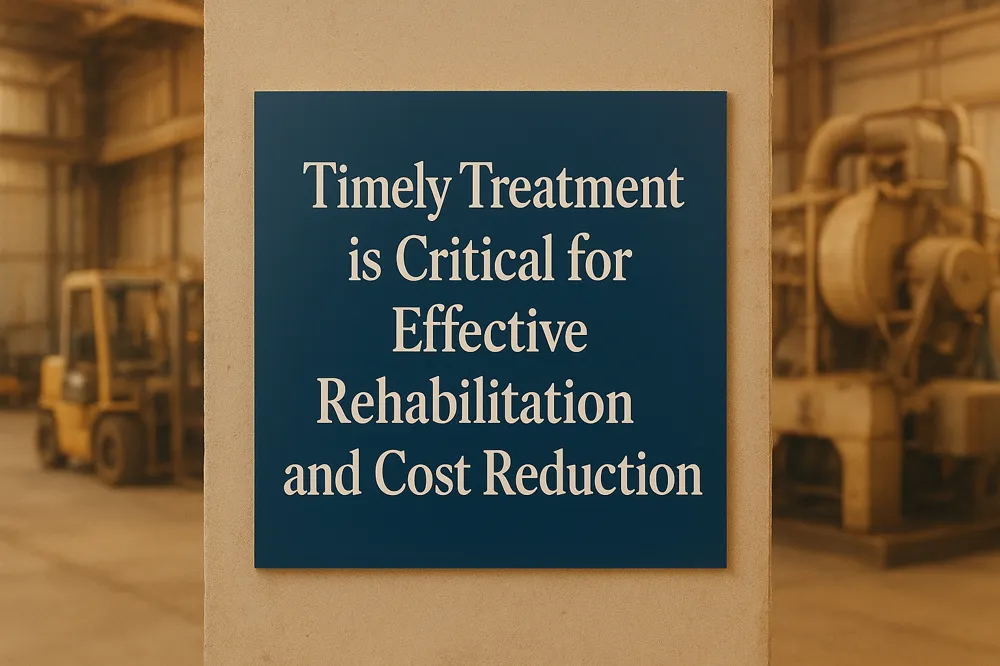
Why is it important to seek prompt medical attention after a workplace injury?
Seeking Medical Attention After a Personal Injury is critical for several reasons. It ensures immediate documentation of the injury, which is vital for establishing the connection between the incident and the injury—an essential factor in Filing a Workers' Compensation Claim. Early medical assessment can detect injuries that may not show immediate symptoms, such as internal bleeding or concussions, preventing deterioration. Prompt care also safeguards the injured worker’s legal rights and strengthens their claims by providing concrete, timely medical evidence.
Medical benefits of early treatment for workplace injuries
Early medical intervention prevents injuries from worsening by addressing complications like infection, internal damage, or permanent impairment. Immediate treatment allows healthcare professionals to provide accurate diagnosis, effective pain management, and initiate rehabilitation plans early, promoting faster and more complete recovery. Proper early care also facilitates safer, more efficient Safe Return to Work After Injury and minimizes long-term physical or emotional consequences.
Common injuries requiring urgent care
Certain injuries demand rapid medical attention to avoid serious complications:
- Deep cuts or lacerations
- Medical care for head injuries and broken bones
- Broken bones and fractures
- Back or neck injuries
Timely evaluation and treatment of these conditions help reduce risks of permanent damage, prolonged disability, and chronic pain.
Reducing long-term damage and facilitating rehabilitation
Prompt treatment supports early rehabilitation, which is instrumental in restoring full function and reducing recovery time. Medical records created during immediate post-injury care establish a clear injury timeline, crucial for Medical Records and Injury Claims. Early intervention also lowers healthcare costs by addressing injuries before they become more complex and costly to treat. Additionally, initiating Proper Treatment and Rehabilitation helps maintain worker productivity and morale while minimizing downtime.
| Aspect | Importance | Benefit |
|---|---|---|
| Early Documentation | Establish injury connection to employment | Strengthens legal and insurance claims |
| Immediate Treatment | Prevents complications and worsened injuries | Reduces severity and recovery time |
| Urgent Care for Injuries | Addresses high-risk injuries promptly | Minimizes permanent damage |
| Rehabilitation Support | Enables faster and safer worker recovery | Promotes timely return to work |
The Role of Accurate Documentation and Reporting in Medical and Legal Outcomes
Why is timely reporting of workplace injuries important?
Timely reporting of workplace injuries is critical to comply with workers' compensation laws that require incidents to be reported within specific timeframes. Prompt reporting not only helps employees receive early medical care but also significantly reduces claim costs—potentially by up to 51%—because early intervention can prevent minor injuries from worsening. It also facilitates quicker employee recovery and supports a faster return to work.
Moreover, reporting injuries immediately preserves crucial evidence, helping ensure accurate investigations and deterring fraudulent claims. When injuries are reported promptly, legal disputes are less likely, since delayed claims tend to involve attorneys more often. Ultimately, early notification protecting workers' compensation rights and benefits while minimizing employers' financial and legal risks.
What injuries and illnesses must be reported promptly to OSHA and employers?
Employers have clear obligations to report certain work-related injuries and illnesses to OSHA. Fatal work-related incidents must be reported within 8 hours, while severe injuries such as inpatient hospitalizations, amputations, or loss of an eye require reporting within 24 hours.
Additionally, injuries involving days away from work, restricted duties, or medical treatment beyond first aid need to be documented and recorded following OSHA 300 Log recording standards. Reports must include details such as the nature of the injury, location, and affected employees. These reports can be made through OSHA’s 24-hour hotline, online platforms, or local OSHA offices.
Accurate and prompt reporting ensures legal compliance, aids workplace safety improvements, and supports workers' compensation claims management.
How does proper documentation prevent disputes and support claims?
Detailed documentation of workplace injuries, including medical records and injury claims, witness statements, and photos, is essential for substantiating workers' compensation claims management. Medical records created immediately after an injury help establish a direct link between injury and job, which is crucial for benefits eligibility.
This documentation discourages disputes from employers or insurers regarding injury validity or claim scope by providing concrete evidence. Maintaining accurate records promotes transparency and can expedite claim processing, reducing the chances of prolonged legal conflicts.
In summary, thorough and timely injury documentation underpins the medical and legal processes that protect legal rights after injury and secure rightful compensation.
Occupational Hearing Loss: Monitoring, Reporting, and Legal Considerations
What is a baseline audiogram and how is it used to determine hearing loss?
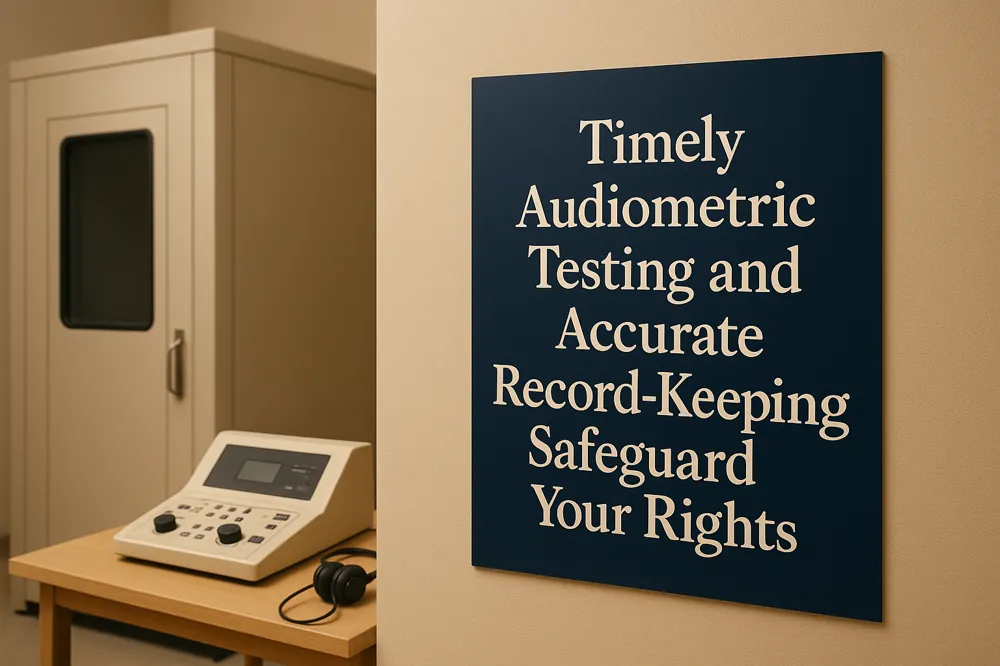
A baseline audiogram is an initial hearing test conducted when an employee starts a new job or before exposure to potentially hazardous noise levels. It establishes the worker's normal hearing status and serves as a reference point for future hearing assessments. Subsequent audiograms are compared to this baseline to detect any changes or deterioration in hearing ability.
What defines a standard threshold shift (STS) in hearing loss?
A Standard Threshold Shift (STS) is a measurable change in hearing thresholds, defined as a 10 decibel (dB) or more increase in hearing loss averaged at the frequencies of 2000, 3000, and 4000 Hz compared to the baseline audiogram. This shift signals a significant change often related to occupational noise exposure and requires follow-up evaluation.
What are OSHA's requirements for recording and reporting workplace hearing loss?
OSHA mandates that work-related hearing losses meeting the STS criteria must be recorded in the OSHA 300 Log if the hearing level is 25 dB or more above audiometric zero in the affected ears. Employers are responsible for maintaining injury records for at least five years and reporting severe cases accordingly. Retesting within 30 days helps confirm whether the STS is valid before finalizing the record.
How does audiometric testing monitor employee hearing in the workplace?
Regular audiometric testing is conducted to monitor employees' hearing, particularly for those exposed to noise levels of 85 dB or higher. Initial baseline tests are performed early in employment, followed by annual assessments. These tests detect any STS and allow employers to implement protective measures to prevent further hearing loss.
How can an individual prove that hearing loss is work-related?
To prove work-related hearing loss, medical documentation such as audiometric testing is essential. Supporting evidence includes workplace noise exposure records, job duty descriptions, safety policy adherence, and witness accounts. A clear link between noise exposure at work and hearing deterioration must be established, often requiring evaluation by occupational health professionals. See more about proving workplace hearing loss.
| Topic | Description | Importance |
|---|---|---|
| Baseline Audiogram | Initial hearing test for reference | Detects hearing changes over time |
| Standard Threshold Shift (STS) | Significant hearing loss change (10 dB avg.) | Triggers further evaluation and intervention |
| OSHA Reporting Requirements | Recording hearing loss in OSHA 300 Log | Ensures legal compliance and worker protection |
| Audiometric Testing | Regular hearing assessments for noise-exposed workers | Early detection and prevention of further loss |
| Proving Work-Related Hearing Loss | Combining medical and workplace evidence | Supports compensation claims and legal cases |
Integrating Medical Attention with Workplace Safety to Minimize Injury Impact
Relationship between medical attention and workplace safety improvements
Prompt medical attention following workplace injuries serves as a critical foundation for workplace safety enhancements. Immediate evaluation and treatment not only reduce the risk of complications but also generate accurate medical documentation that supports Workers' Compensation Claims Management and Protecting Legal Rights After Injury. This documentation enables employers and safety professionals to identify injury patterns, leading to informed strategies that improve hazard controls, reduce injury recurrence, and enhance overall Support for Occupational Health Best Practices.
Use of injury investigations to prevent future accidents
Thorough investigations of workplace injuries form a vital component of Successful Workplace Injury Management. These investigations include detailed accident scene analysis, interviewing witnesses, and reviewing safety practices or equipment status. Identifying root causes such as unsafe conditions or procedural failures allows employers to implement corrective measures. This proactive approach helps mitigate risks, prevents similar injuries, and fosters a safer work environment.
Importance of health management programs like onsite clinics and training
Integrating health management programs within workplaces—such as Onsite Occupational Health Clinics, nurse triage lines, and Safety Training Programs—supports Timely Medical Attention After an Injury. These programs facilitate immediate access to care, proper injury triage, and the development of personalized return-to-work plans, minimizing downtime and promoting recovery. Training initiatives also raise employee awareness about hazards and encourage reporting, contributing to a Fostering Safety Culture that prioritizes prevention and employee well-being.
What are the main components of a thorough injury assessment in a workplace context?
A comprehensive workplace injury assessment initiates with immediate and detailed medical evaluation, including physical examinations using inspection, palpation, percussion, and auscultation to determine injury severity. Prompt reporting of workplace injuries and accurate documentation are essential for treatment authorization and claims processing. The assessment extends to investigative measures such as interviews and site reconstruction that illuminate the injury's causes. Sustained communication between injured workers, employers, healthcare providers, and insurers supports optimized recovery and facilitates legal and compensation procedures. Supporting these processes, structured injury care programs coupled with relevant Thorough Incident Investigation ensure compliance and reduce the incidence of future workplace injuries.
Ensuring Health and Legal Protection Through Immediate Medical Attention
The Importance of Prompt Medical Care Following Workplace Injuries
Immediate medical attention after a workplace injury is vital for preventing complications such as infections, permanent damage, and long-term disability. Timely care ensures accurate diagnosis and proper treatment, facilitating faster recovery and safe return to work. Medical records created during initial treatment serve as essential documentation for workers' compensation claims, protecting workers' legal rights and expediting claim processing.
Employers benefit as well, since early intervention can reduce costs associated with prolonged absence and improve workplace safety by enabling root cause analysis of incidents. Both workers and employers should therefore prioritize swift medical evaluation and treatment to safeguard health, support legal protection, and promote a productive work environment.