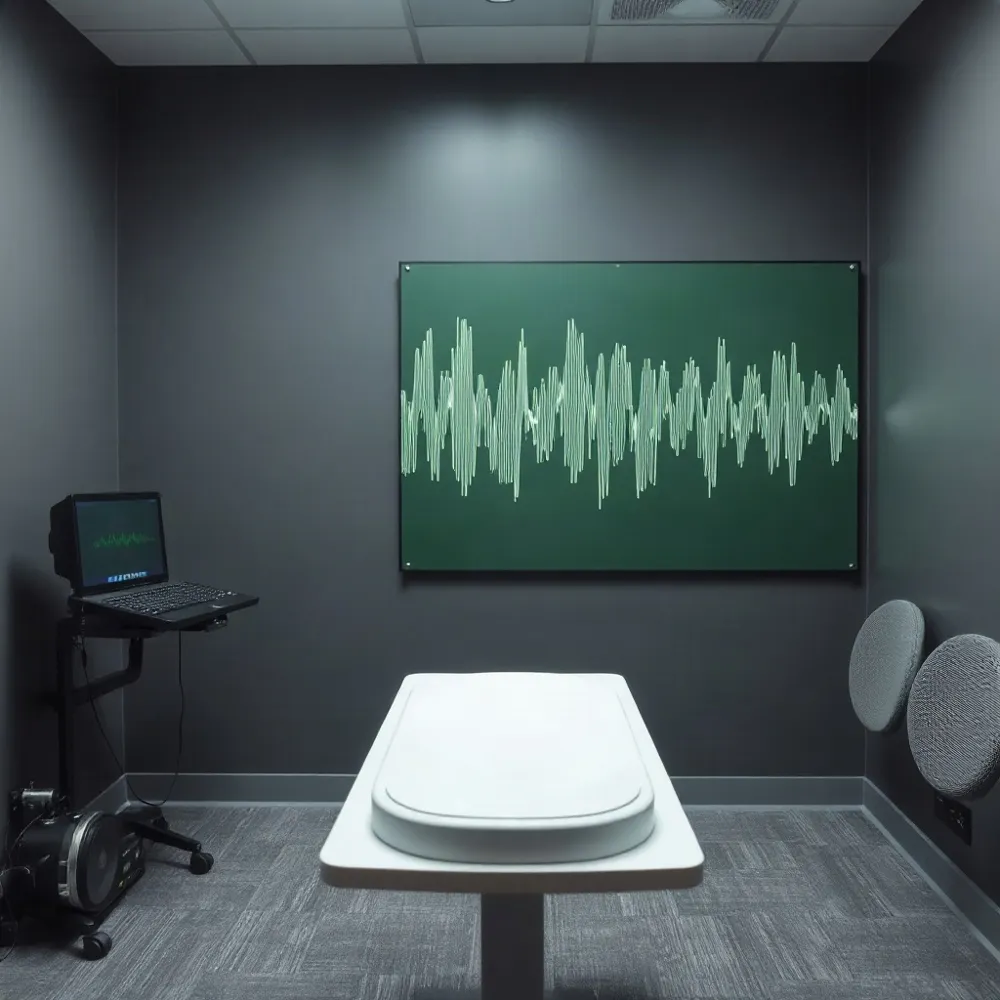
Understanding the Importance of Early Medical-Legal Review in Injury Claims
Overview of Early Case Review
Early case screening is a critical step in evaluating medical-legal claims related to injuries. Conducted by legal nurse consultants (LNCs) or licensed medical professionals, this review examines medical records to identify whether a deviation from the standard of care occurred. It also assesses the validity of causation and damages claimed by the injured party.
Role of Medical-Legal Consultation
Medical-legal expert review supports law firms in making informed decisions before committing resources to expert retainment or litigation. These consultants provide objective, unbiased analysis that highlights potential documentation gaps and legal red flags. Their expertise extends to summarizing medical records and aligning clinical findings with pertinent guidelines and protocols.
Impact on Legal Strategy and Claim Resolution
Engaging in early medical-legal consultation streamlines legal strategy development by preventing unnecessary expert fees and litigation surprises. Fast turnaround times, often within seven business days, enable attorneys to promptly assess case merit and liability. This proactive approach optimizes resource allocation and enhances the likelihood of favorable claim outcomes by supporting well-founded legal arguments from the outset.
The Critical Role of Early Reporting and Medical Documentation in Workplace Injuries
Why is reporting early signs of workplace injury important?
Reporting early signs of a workplace injury is crucial because it allows for prompt medical evaluation and treatment, which can significantly reduce the severity of the injury. Early notification ensures that any underlying health issues are identified before they worsen, preventing long-term complications. It also establishes accurate proper injury documentation vital for supporting workers' compensation and insurance claims. Early reporting encourages workplace safety by prompting reviews and corrective actions to prevent future incidents. Ultimately, it promotes the injured worker's health, manages costs, and fosters a safer environment.
Why is timely reporting important in workplace injury claims?
Timely reporting ensures detailed and accurate information is captured while memories are fresh, aiding investigations and fact-finding. It speeds up the claims process by allowing faster assessments of causation and injury extent. Early reporting also facilitates prompt medical evaluation and treatment, improving recovery outcomes and reducing complications. From a legal perspective, missing deadlines—commonly 30 days in states like California—to report injuries may jeopardize eligibility for benefits. Timely reporting of workplace injuries helps prevent claim denial and financial hardship for employees. Overall, it safeguards the integrity and efficiency of workers’ compensation claims.
Importance of timely injury reporting
- Establishing a clear injury record
- Preserves accurate incident details
- Protecting workers' compensation benefits
- Supports faster claims resolution
Legal deadlines and benefits implications
- Employees typically must notify employers within California 30-day injury reporting deadline
- Delays can lead to denied claims
- Early reporting facilitates documented evidence needed for benefits
Accuracy and completeness of medical records
- Incident reports, medical records supporting claims, witness statements, and photos are essential
- Detailed records substantiate injury severity and ongoing impact
- Proper documentation underpins effective claims and prevents disputes
Impact on workers’ compensation and insurance claims
- Early reporting speeds claim processing and benefit delivery
- Reduces disputes and litigation risk
- Supports objective medical and legal evaluations
- Improves chances for successful recovery and return to work
By prioritizing early injury reporting and thorough medical records review, employers and employees can better navigate the complexities of workplace injury claims, ensuring timely care, fair compensation, and optimal recovery outcomes.
Medical Legal Consultants and Early Case Assessment: Enhancing Legal Outcomes
What does a medical legal consultant do?
A medical legal consultant serves as a critical link between the legal and medical fields. They specialize in analyzing complex medical data and help attorneys navigate intricate health-related issues relevant to cases such as medical malpractice, personal injury, wrongful death, and mass torts. These consultants identify and vet board-certified medical experts who provide objective, evidence-based opinions essential to case success.
Beyond expert identification, medical legal consultants prepare detailed expert reports that clearly communicate medical findings to legal teams, judges, and juries. They may also coordinate expert testimony during litigation to ensure accurate and compelling medical evidence presentation. This role strengthens case strategy by facilitating clear understanding of medical nuances, ultimately enhancing legal outcomes.
What are the benefits of early case assessment in injury claims?
Early case assessment (ECA) is invaluable in injury claim management. It equips legal teams with a timely and comprehensive understanding of the medical facts, potential liabilities, and risks inherent to a case. Utilizing advanced tools, including AI technology in medical-legal case screening and data visualization, ECA uncovers critical connections and reveals unknown factors early in the process.
This proactive approach aids in precise risk evaluation and cost estimation, enabling informed strategic decisions such as whether to settle or proceed to litigation. ECA limits data review to relevant medical evidence, thereby reducing unnecessary expenses and focusing resources efficiently. The result is improved case management, reduced expert fees, and minimized surprises during depositions or trial preparation.
How do AI and expert review integrate in case evaluation?
AI technology in medical-legal case screening complements expert medical reviews by rapidly analyzing voluminous medical records to identify standard of care deviation, causation and damages analysis. When paired with unbiased clinical expertise from licensed medical professionals, this combination ensures thorough and accurate evaluation of medical-legal case screening. It enhances preventing wasted time with early screening, allowing law firms to make well-informed decisions swiftly.
How does early review reduce costs and avoid litigation surprises?
Early expert review and comprehensive medical-legal case screening services streamline legal processes by highlighting case strengths and weaknesses at the outset. This prevents wasted time with early screening on weak claims, helps avoid unnecessary expert engagement costs, and uncovers documentation gaps or identifying red flags in medical claims before critical phases such as depositions or trial.
Such early scrutiny minimizes unexpected challenges, lowers potential defense costs, and supports proactive legal strategies. Consequently, law firms can direct resources appropriately, negotiate settlements effectively, or prepare robust litigation approaches informed by expert insights.
Leveraging Audiological Expertise Early in Hearing Loss Claims
Audiology Expert Witnesses and Their Qualifications
Audiology expert witnesses play a crucial role in hearing loss litigation. Typically licensed audiologists, they possess specialized training to perform detailed hearing assessments and interpret results according to professional standards. Their expertise enables objective evaluation of hearing impairments relevant to workplace injuries or insurance claims, providing credible testimony that can influence case outcomes.
Importance of Early Audiological Assessments
Early audiological evaluation is vital. Prompt testing allows for early diagnosis of hearing loss, which is often painless, progressive, permanent, and preventable—the so-called "4 P's." Early intervention can improve quality of life, prevent further deterioration, and provide essential evidence for legal and insurance purposes. Delayed assessment risks incomplete documentation, diminished treatment options, and weaker claim substantiation. See more about Physical examination for hearing loss.
Common Hearing Tests and Evaluations
The primary test used to assess hearing loss is pure-tone audiometry, which measures the softest sounds a person can detect across various frequencies. Other important evaluations include speech discrimination tests, tympanometry, and otoacoustic emissions, which help differentiate types of hearing loss, such as conductive or sensorineural. These non-invasive tests are performed by audiologists to inform diagnosis, treatment planning, and legal case preparation.
Legal Relevance of Audiological Expert Testimony
Audiologists provide expert reports and testimony that clarify hearing loss severity, causation, and medical implications. Their opinions are indispensable in workers' compensation and other legal claims involving auditory damage, ensuring accurate representation of the injury’s impact. Early consultation with audiology experts strengthens case strategy, offers objective clinical insights, and supports just compensation by confirming the validity and extent of hearing-related injuries. Learn more about audiology expert testimony.
The Crucial Role of Detailed Medical Records and Progress Reports in Legal Cases
Why are medical records important in legal proceedings?
Medical records provide verified, objective evidence that substantiates claims and details a patient's diagnosis, treatment, and prognosis. These records establish a factual foundation for legal cases, particularly those involving personal injuries or workplace incidents such as hearing loss. Expert assessments and detailed documentation help build strong legal arguments. Additionally, AI technology in medical-legal case screening, increasingly used by legal professionals, improve the efficiency and accuracy of analyzing these records. This technological support enhances the credibility and completeness of evidence presented in court. See more on medical-legal case screening and audiology expert witnesses.
Can medical records be used as evidence in court?
Yes, medical records are essential evidence in court, documenting health history, diagnoses, and treatments objectively. Courts rely on these records to verify medical procedures, establish timelines, and confirm injury severity, thereby supporting legal and insurance claims. Their admissibility requires proper authentication and adherence to privacy regulations like HIPAA to protect patient confidentiality. For more details on medical records review and Timely reporting of workplace injuries, please refer to these resources.
How are medical records admissible in legal cases to protect both patients and medical professionals?
Medical records are typically admitted under the business records exception, meaning they must be created routinely and systematically during patient care. This rule ensures their reliability and provides legal protection for healthcare providers by verifying that records are accurate and contemporaneous. Patients benefit as these documents officially support their legal claims or defenses. Proper handling safeguards privacy while maintaining evidence integrity. See standard of care deviation and secure medical record handling for further information.
What is the importance of detailed progress reports in workers’ compensation claims?
Progress reports offer a continuous, documented account of an injury’s progression, treatment, and recovery, reinforcing the legitimacy of workers’ compensation claims. Timely, thorough reports demonstrate ongoing medical necessity and prevent disputes regarding injury causation or severity. In jurisdictions like California, detailed reports help comply with reporting deadlines, ensuring employees maintain eligibility for benefits. These records enable efficient claims processing and support injured workers in obtaining medical care and wage replacement. Learn more about Timely reporting of workplace injuries and utilization review in workers’ compensation.
The use of AI for efficient record analysis
Artificial intelligence enhances legal case reviews by swiftly analyzing and summarizing complex medical records. AI tools assist in identifying relevant information, integrating clinical guidelines, and highlighting causation and damages. This accelerates early screening during client intake, reduces expert fees, and enables attorneys to make informed litigation or settlement decisions promptly. AI-supported analysis preserves evidence accuracy and strengthens legal strategies in medical-legal cases.
| Aspect | Purpose | Benefit |
|---|---|---|
| Medical Records | Provide objective evidence | Supports legal and insurance claims |
| Progress Reports | Document injury progression | Strengthen workers' compensation claims |
| Legal Admissibility | Ensure evidence is authentic and protected | Balances patient privacy and evidence integrity |
| AI in Record Analysis | Efficiently analyze and summarize records | Saves time, reduces costs, enhances decision-making |
Effective Injury Case Management and Utilization Review: Supporting Recovery and Cost Control
Why is injury case management important in high-risk industries?
In high-risk industries, case management for claims improvement is essential to ensure injured employees receive timely, coordinated, and appropriate care. This focused management leads to faster recoveries and reduces the chances of complications or chronic disability. Specialists involved in case management bridge communication between healthcare providers, employers, and insurers, optimizing treatment plans and work accommodations.
Benefits of early case management intervention
Early intervention by case managers can boost return-to-work rates significantly, with evidence showing more than half of employees managed early returning within three months. Delays in intervention, conversely, may prolong recovery by up to 50% and escalate costs by over 30%. Early case management is particularly effective in complex cases involving multiple providers, severe injuries, or prior health concerns.
Utilization review ensuring appropriate medical care
Utilization review in workers’ compensation (UR) is an essential process ensuring the medical treatments provided align with evidence-based guidelines and are truly necessary. Conducted by licensed healthcare professionals, UR reduces unnecessary procedures and supports high-quality care. Its various forms (prospective, concurrent, retrospective) monitor treatment appropriateness throughout the recovery process, helping avoid excessive or unwarranted services.
Balancing cost control and quality treatment
The combination of case management and utilization review in workers’ compensation provides a balance between controlling medical costs and delivering quality care. Efficient case management reduces risks of prolonged disability and unnecessary spending, while utilization review promotes adherence to accepted clinical protocols. Both processes contribute to better health outcomes, faster recovery, and optimized expenditure in workers' compensation claims.
| Aspect | Role | Benefit |
|---|---|---|
| Injury Case Management | Coordinates care and monitors | Faster recovery, reduced costs |
| Early Intervention | Initiates treatment promptly | Increases return-to-work rates |
| Utilization Review | Validates medical necessity | Ensures appropriate, cost-effective care |
| Cost and Quality Balance | Controls expenses while maintaining standards | Optimizes health outcomes and spending |
Maximizing Legal and Medical Collaboration for Optimal Claim Outcomes
Early case review benefits
Early case screening, facilitated by expert legal nurse consultants, streamlines the evaluation of medical-legal claims. Reviewing medical records promptly helps identify deviations from the standard of care, establish causation, and assess damages. This early intervention prevents wasted resources, reduces expert fees, and mitigates surprises during trial phases.
Integrating medical expertise in claims
Collaboration with licensed medical professionals—including audiologists and occupational health experts—strengthens claims by providing objective analysis and evidence-based validation of injuries. Comprehensive assessments, such as utilization review and hearing evaluations, ensure both appropriate care and accurate documentation, crucial for successful legal outcomes.
Future outlook for legal-medical consultation
With advances in data analytics and expedited expert reviews, legal-medical partnerships will become increasingly dynamic and efficient. Timely, evidence-based input will continue to improve claims management, optimize treatment plans, and enhance return-to-work rates, ultimately benefiting all stakeholders involved in workplace injury claims.