Introduction to Workplace Injury Documentation
Importance of Timely and Accurate Documentation
Timely reporting of workplace injuries to employers is essential for creating an official record and protecting workers’ rights to benefits. Prompt documentation also supports compliance with regulatory agencies such as OSHA. Accurate records help verify the nature and extent of injuries and prevent claim denial due to delays or incomplete information.
Role in Legal and Insurance Claims
Workplace injury documentation forms the foundation of workers’ compensation claims and legal proceedings. Detailed medical records, photographic evidence, witness statements, and incident reports provide objective proof needed to establish injury legitimacy and causation. These documents aid in navigating insurance claims and potential litigation, helping injured workers secure rightful compensation.
Key Stakeholders Involved
Several parties play crucial roles in workplace injury documentation and claims management. These include the injured employee, employer, healthcare providers specializing in occupational medicine, claims adjusters, legal representatives, safety officers, and regulatory bodies. Collaboration among them ensures thorough recordkeeping, medical evaluation, and support for recovery and return-to-work planning.
Immediate Reporting and Medical Attention
What are the key steps immediately following a workplace injury regarding reporting and medical care?
The initial response to a workplace injury is pivotal for ensuring proper treatment and securing workers’ compensation benefits. Injured employees must report their injury to their employer or supervisor promptly, ideally within 24 hours, and no later than 30 days in California. This prompt reporting is critical to maintain eligibility for compensation and to create an official incident record.
Immediate medical evaluation is essential, especially for injuries requiring emergency medical attention for work injury. The injured worker should seek medical care as soon as possible and inform the healthcare provider that the injury occurred at work. This clarification ensures that medical documentation accurately reflects the work-related nature of the injury.
Specific forms facilitate this process. For traumatic injuries occurring within 48 hours, Form CA-16 authorization authorizes immediate medical treatment. For injuries reported after 48 hours or for occupational illnesses, Form CA-20 is utilized. Completing these forms timely and accurately helps streamline medical care and claim processing.
Delayed reporting or medical evaluation can jeopardize a worker's claim by weakening evidence of work-related causation and potentially leading to denial of benefits. Therefore, adhering to established protocols for reporting workplace injuries and seeking prompt immediate medical care is fundamental for effective injury management and compensation outcomes.
Comprehensive Evidence Collection and Incident Documentation
How should injuries and incidents be documented for legal, insurance, and OSHA compliance?
Accurate and thorough documentation is critical when managing workplace injuries to ensure legal compliance, support insurance claims, and adhere to OSHA recordkeeping requirements.
Detailed evidence collection should include:
- Photographs and Witness Information]
- Gathering Detailed Evidence]
- Precise written accounts describing how the incident occurred, including measurements and environmental factors
For regulatory adherence, employers must utilize official OSHA forms: the [OSHA 300 Log of Work-Related Injuries and Illnesses] to catalog the injuries, Form 301 Injury and Illness Incident Report] documenting each event’s specifics, and California’s [Form 5020 for Work-Related Injuries]. These records must be maintained onsite for at least five years and made available for inspection.
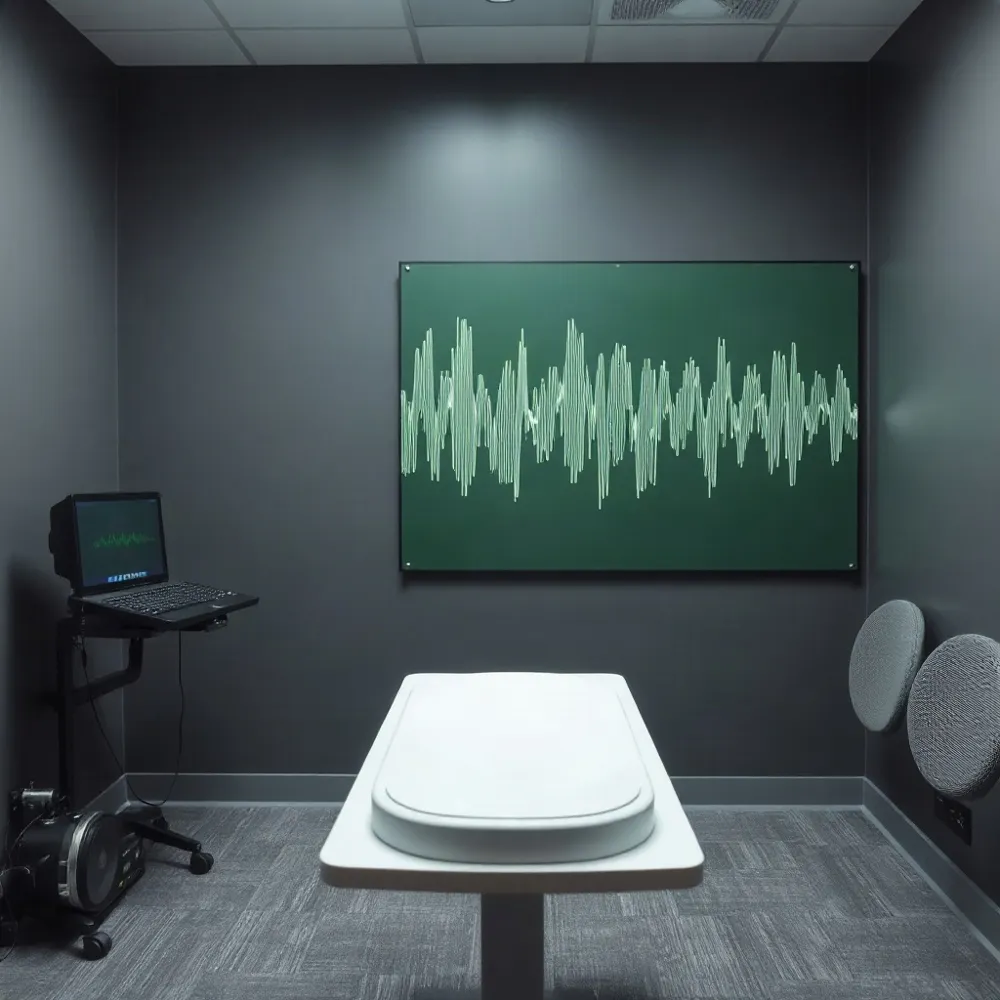
In cases of auditory injuries, special attention is directed towards identifying and recording [Work-related Standard Threshold Shift (STS) recording criteria]. STS is defined by OSHA as a 10 dB or greater hearing loss in the 2000, 3000, and 4000 Hz frequencies when compared to a baseline audiogram. Confirmation requires that a qualified healthcare professional assess the audiometric test data and determine if the hearing loss is work-related. Only confirmed cases are recorded in the OSHA logs.
Properly documented injury reports serve multiple purposes: they facilitate reporting a work injury], guide Documenting a Workplace Injury] legal and insurance proceedings, and provide valuable data to improve workplace safety practices and prevent future incidents.
Filing Claims and Legal Considerations

What are the steps involved in filing workers’ compensation claims and the importance of legal guidance?
Employees injured at work must file their workers’ compensation claims electronically via the Employees’ Compensation Operations and Management Portal (ECOMP). Registration on this platform is required before submitting claims, ensuring secure and standardized processing.
Two primary forms are used to report work-related conditions: Form CA-1 for traumatic injuries occurring within one work shift, and Form CA-2 for occupational diseases that develop over multiple shifts. Prompt submission of these forms is critical – claims should ideally be filed within 30 days to avoid jeopardizing eligibility for benefits such as Continuation of Pay (COP) and medical coverage.
Injured workers should report all workplace injuries or illnesses to their supervisors without delay, regardless of severity. This initial reporting triggers employer responsibilities to provide necessary medical care and facilitates accurate documentation essential for claims.
Navigating workers’ compensation laws and insurance procedures can be challenging. Legal representation plays a pivotal role in maximizing compensation outcomes by reviewing medical records, claims documentation, and communication with insurance companies. Attorneys provide crucial support in negotiating fair settlements, managing disputes, and assisting with appeals when claims are denied or under-compensated.
Deadlines and compliance requirements for submitting forms and medical evidence are stringent. Missing these can result in delayed benefits or claim denials. Therefore, timely claim filing combined with experienced legal guidance significantly improves the likelihood of securing rightful compensation and return-to-work assistance.
Organizing and Maintaining Medical and Related Documentation
Why is maintaining organized medical and related documents critical in workplace injury cases?
Maintaining thorough and well-organized medical records following a workplace injury is essential for establishing a clear and credible timeline of the injury and treatment. Comprehensive documentation includes treatment notes, diagnostic test results, billing statements, and records of communication with healthcare providers. This collection of evidence demonstrates the legitimacy of the injury and forms the foundation for reporting a work injury.
Accurate and timely sharing of these medical records with claims managers, insurance companies, and legal counsel is vital to support the injured worker's case. Healthcare providers experienced in occupational medicine ensure that treatments adhere to both medical and legal standards, which strengthens the claim's validity.
Utilizing Independent Medical Examinations (IMEs) conducted by board-certified specialists such as neurologists or occupational medicine physicians adds an impartial assessment critical in claims evaluations and legal proceedings. These evaluations provide expert insight into injury causation, severity, and appropriate treatments, thereby reinforcing the evidence needed for successful compensation outcomes.
Tracking medical treatments and expenses
Keeping detailed records of all medical treatments, including dates, providers, procedures, and costs, is critical. This financial documentation assists in accurately Calculating Damages and Benefits. Timely expense tracking helps manage and coordinate care efficiently, preventing delays in claim processing.
Communicating with healthcare providers experienced in occupational medicine
Engaging with medical professionals specializing in occupational health ensures that the evaluation and treatment of workplace injuries meet industry-specific standards. These providers are familiar with nuances in workplace injury diagnoses, appropriate therapies, and legal documentation requirements.
Utilizing Independent Medical Examinations (IME) and evaluations
IMEs provide objective, third-party evaluations by specialists with expertise in occupational and environmental medicine. These assessments help clarify the extent of injuries, potential disabilities, and the relationship between the injury and workplace conditions. IMEs support legal claims, resolve disputes, and guide rehabilitation and return-to-work planning.
| Aspect | Description | Importance |
|---|---|---|
| Medical Documentation | Treatment notes, test results, billing statements, communications | Establishes injury timeline and legitimacy (Documenting a Workplace Injury) |
| Expense Tracking | Recording medical costs, visits, and lost work days | Supports accurate compensation calculations (Calculating Damages and Benefits |
| Occupational Medicine Providers | Specialists versed in workplace injury treatment | Ensures legal and medical compliance (Occupational Health Services) |
| Independent Medical Examinations | Expert third-party evaluations | Provides impartial assessment for claims and litigation (Independent Medical Examinations Mill Valley) |
Return-to-Work Planning and Incident Investigation
How should return-to-work plans and incident investigations be managed in workplace injury cases?
Return-to-work plans should be personalized to align with the injured employee's medical condition and the specific demands of their job. These plans often include accommodations such as modified duties, reduced work hours, or other alterations to ease the transition while promoting recovery. Involving nurse case managers or occupational health professionals can enhance the effectiveness of these plans by ensuring that medical guidance is closely integrated into workplace reintegration.
Incident investigations must be conducted thoroughly to uncover underlying root causes of the injury, which may include equipment failure, unsafe work practices, or procedural lapses. Identifying these factors allows for targeted corrective actions that reduce the risk of recurrence.
Open and ongoing communication among management, employees, and healthcare providers is essential. It fosters a safety-first culture that encourages reporting of hazards and unsafe conditions, ultimately promoting workplace accountability and reducing injury incidence.
Collectively, this integrated approach not only supports employee recovery and morale but also strengthens organizational safety and compliance with regulatory standards.
Documenting Specific Injuries: Focus on Hearing Loss and Vision Impairments
What special considerations apply when documenting hearing loss and vision impairments caused by workplace injuries?
Work-related hearing loss requires precise documentation to meet regulatory standards. OSHA mandates recording cases involving a persistent Standard Threshold Shift (STS), identified as a 10 decibel or greater worsening in hearing at 2000, 3000, and 4000 Hz frequencies compared to a baseline audiogram. Additionally, the average hearing loss must be at least 25 dB or higher in the affected ear(s).
Confirming noise-induced hearing loss necessitates comprehensive medical evidence, including timely audiometric testing results — both baseline and subsequent exams. Workplace evidence such as noise exposure levels exceeding 85 decibels, job duty records, coworker observations, and records of hearing protection usage are critical. The professional determination of work-relatedness is made by licensed health care providers, assessing noise exposure history and ruling out non-occupational causes. For detailed guidance on this process, see Noise-Induced Hearing Loss in the Workplace and Determining when hearing loss is work related.
For vision and ear damage claims, immediate medical evaluation is essential to document injury specifics and related hazardous workplace conditions. Detailed symptom records, injury circumstances, and compliance with strict injury reporting deadlines reinforce the legitimacy of workers’ compensation claims. Medical evaluations conducted by specialists in occupational and environmental medicine play a pivotal role by analyzing clinical data and linking impairments to workplace exposures.
Overall, accurate evidence gathering and adherence to medical and legal protocols enhance the success of claims involving auditory and visual occupational injuries. For comprehensive advice on Documenting a Workplace Injury and Key Steps for Your Case, refer to the linked resources.
Conclusion: Ensuring Effective Workplace Injury Documentation
Critical Steps for Effective Documentation
Prompt reporting of workplace injuries to employers within legally stipulated timeframes is foundational. Immediate medical evaluation and accurate injury documentation, including photographic evidence and witness statements, are essential for validating claims. Organized retention of medical records, treatment bills, and related documentation strengthens compensation cases. Filing complete workers' compensation claims using appropriate forms and following up diligently supports claim success.
Importance of Medical and Legal Support
Engaging experienced healthcare professionals familiar with occupational medicine ensures precise injury evaluation and compliance with medical-legal standards. Additionally, consultation with workplace injury attorneys facilitates navigation through complex workers' compensation laws and insurer processes. Legal expertise can optimize benefit recovery and address claim disputes effectively.
Advocacy for Workplace Safety and Record-Keeping
Thorough incident investigations to identify hazards and root causes help prevent injury recurrence. Employers maintaining detailed OSHA-compliant records promote transparency and accountability. Cultivating a safety culture with proactive risk assessments and hazard communication fosters safer work environments and encourages timely injury reporting.
Together, these measures contribute to comprehensive workplace injury documentation and improved outcomes for injured employees.