The Imperative of a Safety-First Workplace Culture
Understanding the Importance of a Safety Culture
A strong safety culture is the foundation of a healthy workplace, where leadership commitment and employee engagement create an environment that prioritizes safety for all. This culture encourages open communication, reporting of hazards, and shared responsibility, involving every individual from management to frontline workers.
Benefits of Proactive Safety Programs
Proactive safety programs that focus on hazard identification and prevention before incidents occur are more effective than reactive approaches. These programs enhance compliance with legal and regulatory requirements, reduce workers' compensation claims, and foster worker engagement. They also improve overall operational efficiency, lowering costs associated with injuries and absenteeism.
Positive Impact on Injury Reduction and Productivity
Implementing these programs results in measurable reductions in workplace injuries and illnesses, as well as decreased fatalities. A robust safety culture not only safeguards employees but also contributes to higher productivity by reducing downtime and improving morale. Organizations with engaged employees can experience up to a 64% reduction in safety incidents, showcasing the critical link between culture, safety, and performance.
Understanding Workplace Injuries and the Role of Expert Assessments
What types of workplace injuries does NorCal Medical Consulting specialize in?
NorCal Medical Consulting provides expert assessments primarily for orthopedic, neurological, and spinal injuries sustained in the workplace. Their specialization includes auditory loss and various physical traumas resulting from occupational incidents. The firm employs board-certified physicians skilled in trauma care, nerve injury evaluation, and pain management.
Why is expert injury evaluation important?
Expert injury evaluations are crucial for accurately diagnosing complex workplace injuries, particularly when symptoms overlap or are difficult to assess. Specialist assessments help clarify the extent and nature of injuries like brain trauma, nerve damage, or joint reconstruction needs. These evaluations ensure injured workers receive appropriate treatment and rehabilitation.
How does NorCal Medical Consulting support legal and insurance claims?
NorCal Medical Consulting's team often provides medico-legal testimony and forensic evaluations essential for Workers compensation insurance coverage and personal injury claims. Their detailed, evidence-based reports assist insurers and legal professionals in understanding injury causation, severity, and prognosis. This expertise facilitates fair claim resolution and supports the adjudication process.
By specializing in comprehensive workplace injury assessments, NorCal Medical Consulting plays a vital role in injury management, legal support, and rehabilitation guidance for affected workers.
Auditory Loss in the Workplace: Causes, Evaluation, and Legal Support
What are the common causes of auditory loss in workplace settings?
Auditory loss in occupational environments is primarily caused by prolonged exposure to hazardous noise levels, generally at or above 85 decibels A-weighted (dBA). This exposure often occurs in industries such as manufacturing, construction, and heavy equipment operation. Sudden acoustic trauma from loud impacts or explosions can also cause immediate hearing damage. Additionally, exposure to ototoxic chemicals and solvents found in certain workplaces further increases risk.
The lack of adequate Personal Protective Equipment (PPE) such as earplugs or earmuffs, significantly raises the likelihood of permanent auditory damage. Therefore, implementing effective [Recommended Safety and Health Practices] like noise control measures and conducting regular hearing assessments are essential to prevent work-related hearing loss.
What processes are involved in conducting expert evaluations for auditory loss?
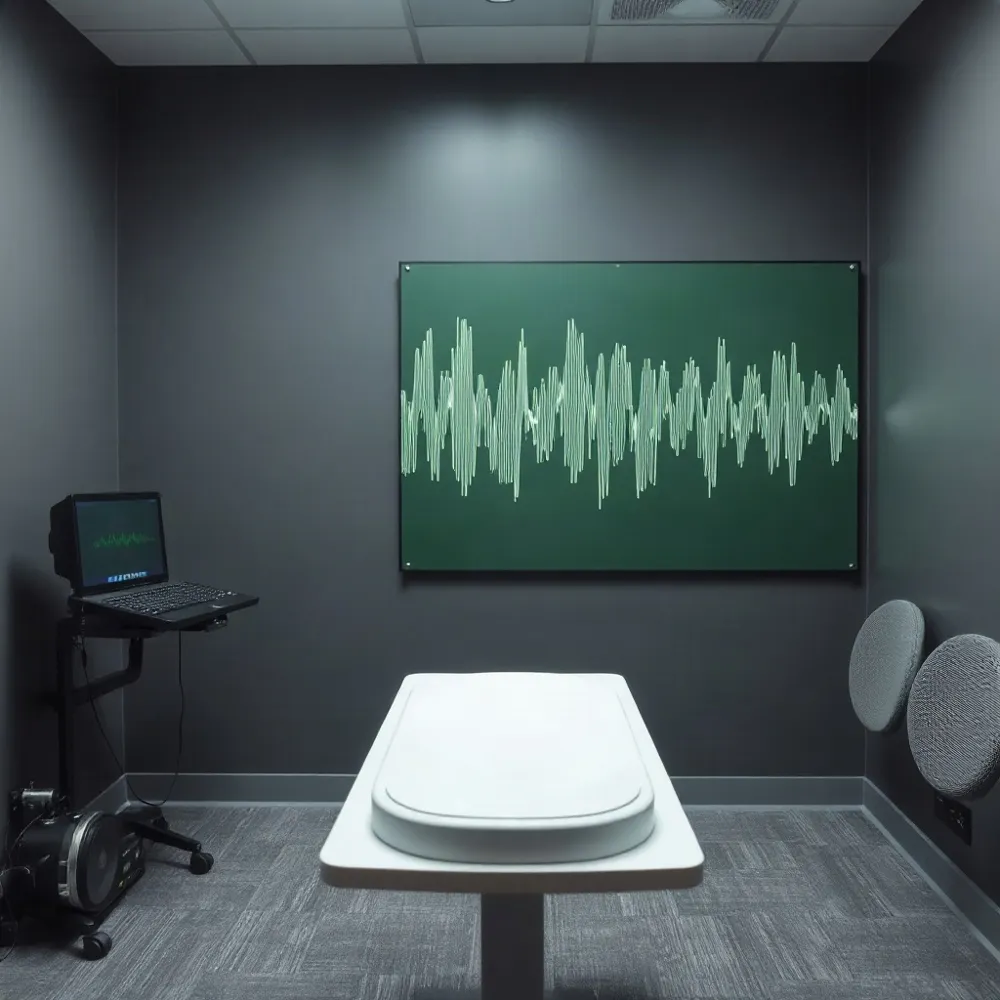
Expert auditory evaluations start with a detailed medical history and review of workplace noise exposure. Audiometric tests such as pure-tone audiometry measure hearing thresholds across frequencies to determine hearing loss severity.
Physical examination includes otoscopic inspection to identify any ear-related conditions. Additional tests like otoacoustic emissions and speech recognition evaluate cochlear and neural function. Proper calibration of testing equipment and control of ambient noise levels are critical for precise results.
These thorough assessments help identify not only the degree of hearing impairment but also its likely cause, which is vital for legal and medical considerations. This approach follows [Recommended practices for safety and health programs] that emphasize thorough evaluation and monitoring for occupational health.
How can expert assessments of auditory loss support legal and insurance claims?
Expert evaluations provide essential evidence linking workplace noise exposure to hearing loss. Typically performed by board-certified audiologists, they interpret test results and assess the impact of auditory impairment on an individual’s quality of life.
Such assessments support claims under workers’ compensation laws by documenting the relationship between occupational hazards and hearing damage. Expert witnesses can also testify in legal proceedings, strengthening the validity of claims through credible medical evidence.
Including workplace noise measurements and verification of [Safety and Health Program Benefits] further substantiates the connection, improving the likelihood of claim approval.
How does NorCal Medical Consulting ensure the accuracy and reliability of its assessments?
NorCal Medical Consulting employs experienced professionals following standardized protocols for auditory evaluations. The firm utilizes advanced technologies such as the Audimatch system integrated with Apple iPads and professional headphones, alongside smartphone-based audiometry applications like "Care4Ear," which have shown up to 97% correlation with conventional audiometry.
Regular device calibration and control of testing environments minimize errors. Automated and tele-audiology systems further enhance consistency and efficiency comparable to in-clinic testing.
This rigorous approach aligns with [Recommended Safety and Health Programs] to ensure that their assessments are precise, dependable, and well suited for supporting legal and insurance claims related to workplace auditory injuries.
Implementing Proactive Safety and Health Programs to Prevent Workplace Injuries
What distinguishes proactive safety programs from reactive approaches?
Proactive safety and health programs focus on identifying and mitigating hazards before injuries or illnesses occur. This contrasts with Reactive vs Proactive Safety Approaches that address only incidents after they happen. Proactive strategies prioritize continuous hazard recognition and prevention, reducing workplace injuries, illnesses, and fatalities more effectively.
What are the core elements of effective safety and health programs?
Effective programs commonly incorporate the following elements:
- Hazard identification and assessment
- Comprehensive training and education
- Employee involvement and engagement
- Management leadership and commitment
- Continuous performance monitoring and evaluation
- Clear communication and reporting channels
- Systematic improvement strategies
How do proactive programs benefit legal compliance, costs, and productivity?
Implementing Recommended practices for safety and health programs improves Legal and regulatory compliance in safety, potentially reducing legal liabilities and penalties. They also help decrease Reducing Workers' Compensation Costs and associated premiums, delivering significant Cost Reductions from Safety Programs. Furthermore, they enhance overall productivity by fostering safer, healthier work environments and minimizing downtime due to injuries.
Why is worker engagement and continuous improvement vital?
Engaging workers in Worker engagement in safety initiatives ensures broader hazard awareness and promotes a culture of shared responsibility. Continuous monitoring and evaluation enable timely identification of emerging risks and effectiveness of interventions, supporting ongoing program refinement and sustainability.
How can small and medium-sized businesses implement these programs?
The Occupational Safety and Health Administration (OSHA) recommends adaptable, Step-by-step safety program implementation tailored to business size and industry. Programs can start with simple goals such as hazard assessments and basic training, progressively expanding to formal policies, comprehensive employee involvement, and routine safety audits.
| Aspect | Description | Practical Notes |
|---|---|---|
| Proactive Hazard Control | Identify hazards before injuries occur | Includes regular workplace inspections |
| Core Program Elements | Leadership, employee involvement, training, evaluation | Adapt to business scale and industry |
| Legal and Cost Benefits | Compliance improves, reduces compensation costs | Lowers insurance premiums and liabilities |
| Worker Engagement | Enhances safety culture, encourages incident reporting | Use incentive programs and open dialogue |
| Small Business Guidance | Start simple, grow progressively, leverage OSHA Consultation for Small and Midsize Businesses | Utilize free OSHA consultations |
Fostering a Culture of Safety: Leadership, Communication, and Employee Engagement
Why is a culture of safety important in healthcare and other industries?
A culture of safety in healthcare is essential across healthcare and various industries because it directly influences the reduction of workplace injuries, illnesses, and adverse outcomes. In healthcare, it improves patient safety, minimizes errors like falls and medication mistakes, and enhances job satisfaction and retention. For other sectors, a robust workplace safety culture decreases injury rates, ensures regulatory compliance, and reduces financial costs such as workers' compensation premiums.
How does leadership commitment and resource allocation support a safety culture?
Strong leadership involvement is critical to building and sustaining a Creating and maintaining a culture of safety in healthcare. Visible leadership commitment includes allocating adequate resources for Recommended Safety and Health Programs, endorsing continuous Safety Training Programs, regularly reviewing policies, and fostering a safety-first mindset. Leaders help create an environment where safety is prioritized and supported at all organizational levels.
What role does employee involvement and blame-free reporting play?
Engaging employees actively in Worker Engagement in Safety Practices efforts empowers them to recognize hazards and participate in prevention strategies. Encouraging a Blame-free environment in workplace safety culture enhances transparency, allowing workers to report safety concerns, incidents, or near misses without fear of punishment. This open communication improves identification of systemic issues and promotes continuous Safety improvement and incident prevention.
How do communication strategies and teamwork enhance safety?
Effective Effective communication protocols in nursing foster collaboration across all staff levels, facilitating timely sharing of safety-related information. In healthcare, this involves clear handoffs during shift changes and multidisciplinary safety response teams. Strong teamwork supports collective problem-solving and ensures that safety practices are uniformly understood and applied.
What is the impact of safety culture on performance and psychosocial hazards?
A well-established Safety Culture in Malaysian Upstream Oil and Gas Sector positively affects employee safety performance by reducing psychosocial hazards such as stress, workplace violence, and bullying. These improvements boost psychological well-being, enabling employees to focus on safe practices. Research shows that psychosocial hazards mediate the relationship between safety culture and performance, highlighting culture's essential role in occupational health.
| Aspect | Focus | Benefit |
|---|---|---|
| Safety Importance | Injury/illness reduction, patient safety | Lower costs, improved outcomes |
| Leadership | Commitment, resource allocation | Sustains safety programs and compliance |
| Employee Involvement | Blame-free reporting, engagement | Early hazard identification, continuous improvement |
| Communication & Teamwork | Clear protocols, multidisciplinary teams | Enhanced safety decision-making |
| Safety Culture Impact | Reduces psychosocial hazards | Better safety performance, staff well-being |
Safety Training, Compliance, and Technology Integration for Sustained Injury Reduction
How do healthcare facilities ensure compliance with OSHA standards?
Healthcare facilities must adhere to OSHA standards for healthcare facilities that include injury and illness recordkeeping and confidential medical evaluations. Compliance involves systematic training on hazard communication, proper use of personal protective equipment (PPE), and safe patient handling protocols. Employers are responsible for providing, maintaining, and replacing PPE at no cost to minimize exposure to infectious agents.
What are essential elements of training on hazard communication and PPE use?
Training programs educate healthcare workers on recognizing workplace hazards, wearing PPE correctly, and following hazard communication standards. This includes education on bloodborne pathogens, ergonomics, workplace violence prevention, and safe handling of sharps. Regular refreshers and updates ensure staff remain competent in these critical safety procedures.
How is safe patient handling and ergonomics addressed in healthcare settings?
Safe patient handling emphasizes the use of technology and training to prevent musculoskeletal injuries from lifting and repositioning patients. Implementation of SPHM technology, combined with ergonomic principles, reduces staff injury risk. Regular training ensures adherence to safe lifting practices, integral to injury prevention.
What emerging technologies support workplace safety and compliance?
Innovations like AI-powered security cameras assist in real-time hazard detection by identifying obstructions, equipment malfunctions, and PPE violations. Tele-audiology enables remote hearing assessments, supporting occupational health. These technologies complement traditional safety programs by enhancing monitoring and prompt response capabilities.
How do risk assessments and near-miss reporting systems contribute to injury reduction?
Routine risk assessments identify hazards before incidents occur, facilitating proactive safety management. Near-miss reporting systems encourage reporting of hazards or unsafe practices without fear of blame, fostering a proactive safety culture. Analysis of incident data guides targeted interventions, continually improving workplace safety.
| Aspect | Implementation | Impact on Injury Reduction |
|---|---|---|
| OSHA Compliance | Recordkeeping, worker training | Legal adherence and worker protection |
| Hazard Communication Training | Bloodborne pathogen awareness | Reduced exposure to infectious hazards |
| Safe Patient Handling | SPHM technology, ergonomics | Fewer musculoskeletal injuries |
| Emerging Technologies | AI monitoring, tele-audiology | Enhanced hazard detection and health monitoring |
| Risk Assessments | Continuous hazard analysis | Prevention of incidents through proactive measures |
Sustaining Safety Culture to Protect Workers and Enhance Business Outcomes
Sustaining a Safety Culture Requires Long-Term Commitment
Creating and maintaining a robust safety culture is a continuous process that demands ongoing management commitment and employee engagement. Visible leadership involvement in safety training, resource allocation, and open communication fosters a workplace environment where safety is prioritized.
The Role of Continuous Training and Vigilance
Regular safety training, combined with monitoring of workplace practices, helps keep safety awareness high. Encouraging reporting of hazards and near misses promotes proactive hazard identification and correction. This vigilance reduces risks before incidents occur and supports a blame-free culture where errors are learning opportunities.
Benefits of a Strong Safety Culture
A sustained safety culture yields multiple benefits including fewer workplace injuries, enhanced job satisfaction, and reduced workers' compensation costs. It also improves productivity and lowers legal risks. By embedding safety deeply into organizational operations, businesses create safer, more efficient workplaces that protect employees and promote overall success.