Introduction to Spinal Injury Evaluation
Cervical and lumbar spinal injuries pose significant challenges in trauma care due to their complex anatomy and potential for severe neurological impairment. Proper evaluation of these injuries involves a systematic approach incorporating clinical assessment, diagnostic imaging, and multidisciplinary management aimed at preventing further damage and promoting recovery. This article explores the nuanced processes, best practices, and clinical guidelines essential for effective spinal injury evaluation, with a focus on both cervical and lumbar regions.
Initial Assessment and Prioritization in Spinal Injury Evaluation
What is the general process for evaluating cervical and lumbar spinal injuries?
Evaluating injuries to the cervical and lumbar spine starts with a systematic approach that prioritizes patient safety and accurate diagnosis. The initial step involves following the ABCDE trauma protocol—airway, breathing, circulation, disability, and exposure—to stabilize life-threatening conditions first. Once stabilized, clinicians focus on assessing the spine without causing further harm.
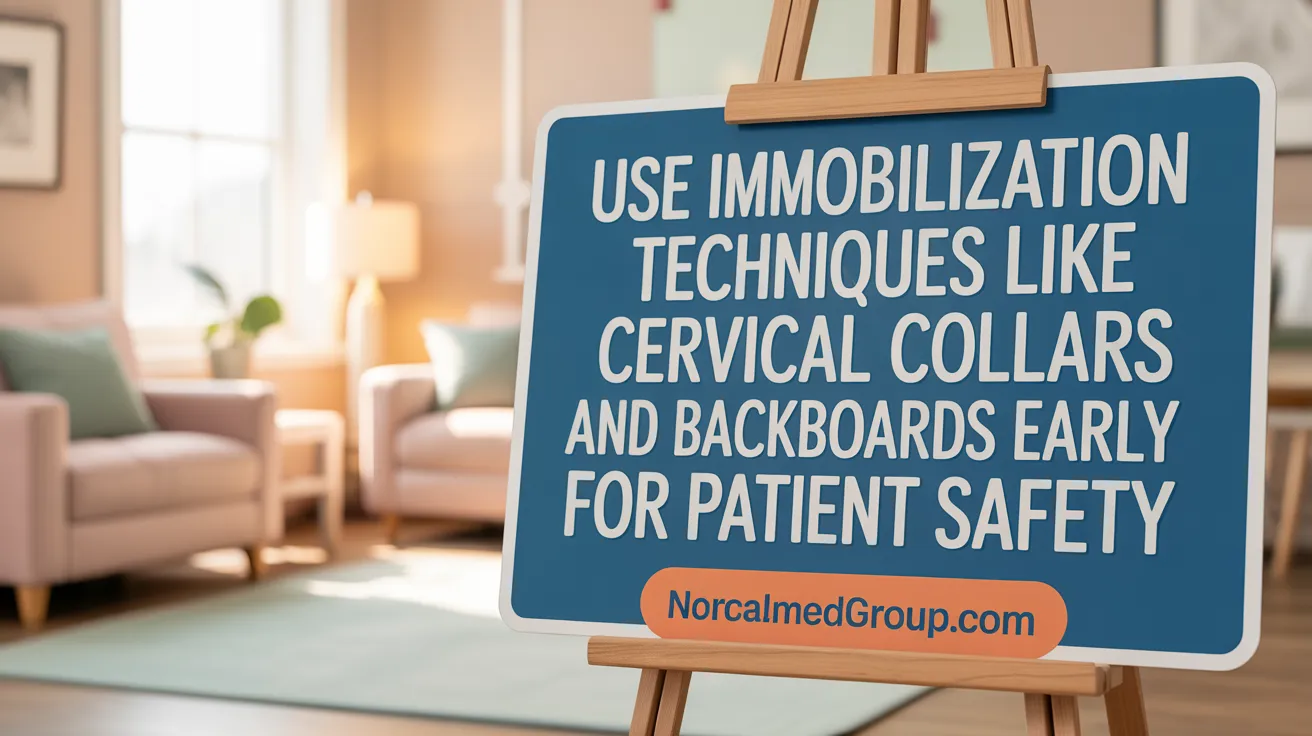
To protect the spinal cord during this critical assessment, it’s essential to avoid unnecessary movements that could worsen an existing injury. This often involves immobilizing the patient using a full in-line spinal immobilization technique, such as cervical collars and backboards, especially when there are risk factors or if the patient cannot be thoroughly examined immediately.
A comprehensive physical exam checks for signs of spinal injury, including pain, tenderness, neurological deficits like weakness or sensory loss, and any history suggestive of prior spinal problems or trauma mechanisms. Recognizing risk factors—such as high-impact injuries or altered mental status—guides clinicians on whether strict immobilization is necessary or if further imaging and assessment are warranted.
The process also involves utilizing clinical decision tools like the Canadian C-spine rule to determine the likelihood of cervical spine injury based on patient age, injury mechanism, neurological symptoms, and neck mobility. Imaging tests such as X-rays, CT scans, or MRIs are then performed urgently depending on the suspicion level, age, and clinical presentation.
Transport procedures are planned to ensure proper immobilization and safe transfer to specialized trauma centers, where definitive management, including surgical intervention if needed, can be carried out. All evaluations are accompanied by meticulous documentation and communication with the healthcare team, patients, and families.
How do we recognize risk factors for spinal injury and decide when to immobilize?
Recognizing risk factors for spinal injury is crucial for making decisions about immobilization. High-energy trauma mechanisms, such as motor vehicle crashes, falls from height, or sports impacts, significantly increase the suspicion of spinal injury.
Patients presenting with spinal pain, neurological deficits, priapism, or a history of previous spinal issues warrant full in-line stabilization as a precaution. The presence of midline spinal tenderness, deformities, or neurologic signs further necessitates immobilization.
The use of clinical tools like the Canadian C-spine rule helps identify patients at low risk who might safely forego immobilization and imaging. Conversely, when risk factors are present, or assessment cannot be performed fully—due to altered consciousness, intoxication, or distracting injuries—full spinal immobilization becomes essential to prevent neurological deterioration.
In summary, early identification of risk factors combined with a structured assessment protocol ensures that spinal injuries are promptly recognized and managed effectively, safeguarding patient outcomes.
Clinical Evaluation: Examination and Risk Assessment

What diagnostic procedures are commonly used to assess cervical and lumbar spine injuries?
Assessing spinal injuries begins with a thorough physical and neurological examination. Medical professionals check for localized spinal pain, motor weakness, sensory deficits, and reflex changes, as these can indicate underlying injury. They also look for signs of spinal cord compression or nerve root involvement.
To determine the need for imaging, clinicians rely on decision-making protocols like the Canadian C-spine Rule and NEXUS criteria. These tools evaluate risk factors such as age, mechanism of injury, presence of neurological deficits, neck pain, or signs of spinal instability. When risk factors are present or assessment is inconclusive, full in-line spinal immobilization is performed to prevent further injury.
In addition to physical assessments, clinicians watch for red flags—symptoms such as fever, unexplained weight loss, or neurological signs suggesting severe pathology like infection or malignancy. Myelopathic signs, including gait disturbances, bowel and bladder irregularities, hyperreflexia, and positive Babinski or Hoffmann signs, warrant urgent imaging.
Imaging modalities like X-rays, CT scans, and MRIs are used based on the injury context. X-rays often serve as initial screening tools, while CT provides detailed bone assessments, and MRI evaluates soft tissue and neural elements. This diagnostic combination ensures a comprehensive understanding of the injury, guiding appropriate management.
Imaging Modalities in Cervical and Lumbar Spine Injury Assessment

What medical and radiological approaches are used in the assessment of spinal injuries?
Effective evaluation of spinal injuries relies on a combination of physical examination and targeted imaging studies. The initial step in radiological assessment typically involves plain X-ray radiographs. These provide a quick overview of the vertebral alignment, fractures, and deformities, especially in the cervical spine through lateral views.
When more detailed visualization of bony structures is needed, computed tomography (CT) scans become the modality of choice. CT imaging offers high-resolution, cross-sectional images that can precisely delineate fractures, dislocations, and complex bone injuries. Given their detailed insights, CT scans are especially valuable in high-energy trauma cases or when initial X-rays are inconclusive.
Magnetic Resonance Imaging (MRI) stands out as the superior modality for soft tissue evaluation. It effectively visualizes ligaments, intervertebral discs, the spinal cord, and nerve roots. MRI is particularly indicated when neurological deficits are present, there is suspicion of spinal cord injury, or in cases of persistent pain despite normal radiographs.
The combined use of X-rays, CT scans, and MRI ensures a comprehensive approach, capturing the bony injury details and soft tissue status, which is crucial for accurate diagnosis and effective management.
| Imaging Modality | Primary Use | Advantages | Suitable Situations |
|---|---|---|---|
| Plain Radiographs | Bone fractures, alignment | Quick, accessible, cost-effective | Initial trauma assessment, screening |
| CT Scans | Detailed bony architecture | High resolution, precise fracture delineation | Complex fractures, inconclusive X-rays |
| MRI | Soft tissues, spinal cord | Excellent soft tissue contrast | Neurological symptoms, ligament injuries, cord compression |
Understanding when to utilize each modality based on injury mechanism, patient presentation, and initial findings is essential. This strategic approach optimizes diagnostic accuracy, aids in planning treatment—whether surgical or conservative—and ultimately improves patient outcomes.
Clinical Guidelines and Assessment Algorithms in Spinal Injury Evaluation
What clinical guidelines and assessment algorithms exist for the evaluation of spinal injuries?
Internationally accepted guidelines, such as those from the National Institute for Health and Care Excellence (NICE) and other reputable organizations, establish a structured approach for managing spinal injuries. These guidelines prioritize an initial assessment based on the ABCDE sequence — airway, breathing, circulation, disability, and exposure — with care taken to protect the spinal cord during assessment.
A core component of evaluation involves a thorough neurological examination to identify deficits that may indicate spinal cord damage. This includes checking motor and sensory functions, as well as specific signs like priapism or a history of previous spinal issues. When suspicion arises, imaging becomes essential for detailed assessment.
The Canadian C-spine Rule is a widely validated clinical algorithm specifically designed to determine whether radiographic imaging of the neck is necessary in alert patients after trauma. The rule considers factors such as age, mechanism of injury, presence of neurological symptoms, and neck movement. Patients falling outside the low-risk criteria can undergo targeted imaging to confirm or exclude cervical spine injuries.
For classification, the ASIA Impairment Scale is fundamental in spinal cord injury assessment. It provides a standardized method to grade the severity of neurological impairment, ranging from complete loss of function to normal. This classification guides treatment decisions and helps predict recovery outcomes.
In addition to initial assessment, protocols recommend specific steps for cervical collar clearance, imaging sequence, and decisions regarding immobilization. Plain X-rays are often the first-line imaging modality, while MRI offers detailed soft tissue and spinal cord information especially in neurological or infectious concerns. CT scans are preferred in trauma settings for rapid skeletal evaluation.
Overall, these guidelines and algorithms support a comprehensive, evidence-based approach to spinal injury evaluation, facilitating timely diagnosis, appropriate intervention, and optimal patient outcomes.
Management Principles and Treatment Strategies for Cervical and Lumbar Injuries
What are the key management considerations for patients with cervical and lumbar spine injuries?
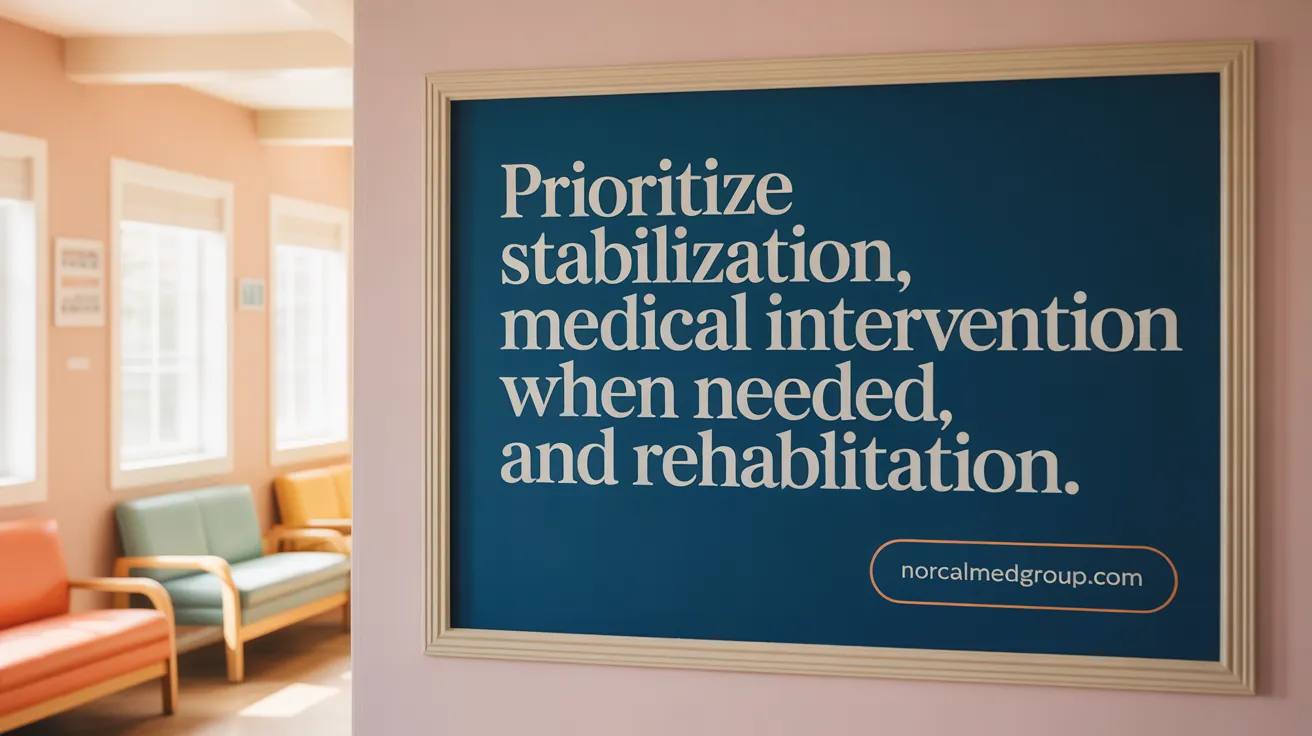
Effective management of cervical and lumbar spinal injuries hinges on preventing further damage and promoting recovery. Immediately upon assessment, immobilization and stabilization are vital to protect the spinal cord.
In stable injuries, conservative measures such as the use of rigid cervical collars or supportive braces can suffice. For unstable fractures or injuries with neurological impairment, surgical intervention to decompress neural structures and stabilize the spine is often necessary.
Handling complications like neurogenic shock, respiratory issues, and blood clots requires vigilant monitoring and targeted therapy. For instance, managing neurogenic shock involves maintaining adequate blood pressure and controlling secondary injuries.
Early mobilization coupled with a structured rehabilitation program significantly enhances outcomes, helping restore function and independence. Multidisciplinary teams including surgeons, physiotherapists, and occupational therapists are key to comprehensive care.
Summary
| Aspect | Approach | Additional Details |
|---|---|---|
| Immobilization | Rigid collars, braces | Prevent further injury during transport and early management |
| Surgical intervention | Decompression, stabilization | For unstable fractures and neurological deficits |
| Managing complications | Blood pressure, thromboembolism | Vigilant monitoring and prophylactic measures |
| Rehabilitation | Early mobilization | Focused on restoring mobility, strength, and function |
Understanding these principles ensures prompt, effective care that minimizes lifelong disabilities and optimizes recovery in spinal injury patients.
Surgical Interventions: Indications and Outcomes in Spinal Injury
When is surgery recommended for cervical and lumbar injuries?
Surgery is typically advised when spinal stability is compromised or neurological deficits worsen despite conservative efforts. For cervical injuries, procedures aim to decompress the spinal cord and stabilize fractured or dislocated vertebrae, especially when fractures threaten neural elements. Lumbar surgeries are often performed to remove herniated discs, treat spinal stenosis, or address degenerative disc disease.
Preoperative evaluations include thorough medical history, physical examination, and imaging such as MRI and CT scans to determine injury severity and surgical needs.
What are common surgical procedures and their objectives?
In cervical injuries, surgeries like anterior cervical discectomy and fusion (ACDF), posterior decompression, or corpectomy are performed to relieve pressure on the spinal cord and nerve roots, restore stability, and prevent further damage.
Lumbar surgeries frequently involve discectomy, laminectomy, or spinal fusion to alleviate pain, improve mobility, and stabilize the spine.
These procedures aim to decompress neural elements, realign the spinal column, and promote healing.
How are risks and benefits assessed before surgery?
Evaluating surgical risks involves considering patient age, overall health, extent of injury, and potential for recovery. Risks include infection, bleeding, nerve injury, and failed fusion, while benefits encompass pain relief, preserved or restored mobility, and prevented neurological decline.
Discussing these factors with patients helps in making informed decisions, balancing expected outcomes against possible complications.
What is the role of specialized surgeons and teams?
Performing spinal surgeries requires expertise from neurosurgeons or orthopedic spine surgeons with specialized training. A multidisciplinary team—including anesthesiologists, rehabilitation therapists, and neurologists—coordinates care pre- and post-operatively.
This collaborative approach ensures comprehensive management, optimizes recovery, and reduces the risk of complications.
| Aspect | Details | Additional Notes |
|---|---|---|
| Indications for Surgery | Instability, neural deficits, progressive symptoms | Imaging and clinical assessment essential |
| Common Procedures | Discectomy, decompression, fusion, corpectomy | Tailored to injury type and location |
| Risks | Infection, nerve damage, non-union, blood loss | Preoperative planning minimizes these risks |
| Outcomes | Pain relief, improved function, neurological recovery | Early intervention favorable |
| Surgical Team | Neurosurgeons, orthopedic spine surgeons | Multidisciplinary collaboration improves results |
This comprehensive approach to surgical decision-making emphasizes personalized care, aiming to restore spinal stability, decompress neural pathways, and ultimately improve patient quality of life.
Rehabilitation and Long-term Care in Spinal Injury Patients
What are the common mechanisms of injury, diagnostic criteria, and management strategies for cervical and lumbar spinal injuries?
Spinal injuries often result from high-energy trauma such as falls, motor vehicle collisions, sports impacts, or direct penetrating injuries. These incidents generate forces that may fracture, dislocate, or compress the spinal column, risking spinal cord damage.
Diagnosis involves a thorough clinical assessment supported by radiological imaging. Initial evaluation includes checking for spinal pain, motor and sensory deficits, and signs like priapism or a history of spine problems. Emergency management emphasizes immobilization to protect the spinal cord while assessing neurological functions.
Imaging tests such as X-rays, CT scans, and MRIs are used to characterize injury type and severity. Classification systems aid in understanding injury patterns, guiding treatment decisions—whether conservative or surgical. For cervical injuries, specific features like Jefferson or Hangman fractures are identified, while lumbar injuries may include herniated discs or fractures.
Management strategies extend beyond the acute phase. They include targeted immobilization, timely surgical intervention if needed, and rehabilitative therapy. These long-term efforts aim to restore muscle strength, promote functional skills, and adapt to new physical realities.
Long-term care also involves addressing secondary complications like pressure ulcers, muscle spasticity, neurogenic bladder and bowel, and autonomic dysreflexia. Modern assistive technologies—such as advanced wheelchairs, communication aids, and electrical stimulation devices—enhance independence.
Furthermore, effective communication with patients and families, along with mental health support, are vital components of comprehensive rehabilitation. Emphasizing education, psychological counseling, and community integration facilitates better quality of life and psychological well-being for spinal injury patients.
Epidemiology, Injury Mechanisms, and Preventive Considerations
What are the common mechanisms of injury, diagnostic criteria, and management strategies for cervical and lumbar spinal injuries?
Spinal injuries, including those of the cervical and lumbar regions, are frequently caused by high-energy impacts such as motor vehicle crashes, falls from heights, and sports-related incidents. These mechanisms generate forces like flexion, extension, compression, or rotational stresses, which can lead to vertebral fractures, ligament tears, or spinal cord damage.
Understanding the biomechanics of these injuries is crucial for accurate diagnosis and effective management. For example, a hyperextension injury might result in specific fracture patterns or ligamentous disruptions, guiding imaging choices and treatment plans.
Diagnosis relies on a thorough initial assessment, including physical examinations focused on pain, deformity, motor and sensory function, and special tests like Spurling’s maneuver. Imaging plays a key role, with X-rays, CT scans for bone detail, and MRI for soft tissue and neural structures.
Prompt stabilization—using immobilization devices like cervical collars—coupled with careful evaluation reduces secondary injury risks. Management may involve surgical stabilization or conservative therapies, depending on injury severity and patient factors.
Epidemiologically, data highlight the frequent occurrence of these injuries in young and middle-aged adults, emphasizing the need for preventive measures such as seat belts, helmet use, fall prevention strategies, and safety education.
Overall, a multidisciplinary, protocol-driven approach grounded in injury biomechanics and prompt diagnostics is vital in reducing morbidity associated with spinal trauma.
Conclusion: Optimizing Outcomes through Systematic Evaluation and Management
The evaluation and management of cervical and lumbar spinal injuries demand an organized, evidence-based approach integrating clinical assessment, risk stratification, advanced imaging, and multidisciplinary care. Early immobilization, adherence to validated clinical guidelines, and judicious use of imaging prevent secondary injury and optimize treatment efficacy. Surgical intervention, when indicated, and comprehensive rehabilitation are essential components to enhance recovery and quality of life. Ongoing research and technology advancements continue to improve diagnostic and therapeutic strategies, reinforcing the importance of continual education and performance improvement in spinal injury care.
References
- Guideline summary - Spinal Injury: Assessment and Initial ...
- Assessing Your Candidacy for Lumbar or Cervical Procedures
- BEST PRACTICES GUIDELINES SPINE INJURY
- Cervical Injury - StatPearls
- Cervical and Thoracolumbar Spine Injury Evaluation ...
- Spinal cord injury - Diagnosis and treatment
- Approach and considerations regarding the patient with ...