Understanding the Foundations of Workplace Injury Assessments
Effective assessment and consultation following a workplace injury are critical components in promoting employee health, ensuring legal compliance, and optimizing organizational productivity. A thorough approach integrates early injury evaluation, accurate documentation, timely medical intervention, safety culture promotion, and well-structured return-to-work programs. This article explores the key components necessary for high-quality workplace injury assessments and consultations, backed by current best practices and expert insights.
Prompt and Thorough Initial Injury Evaluation

What constitutes an effective initial evaluation for a workplace injury?
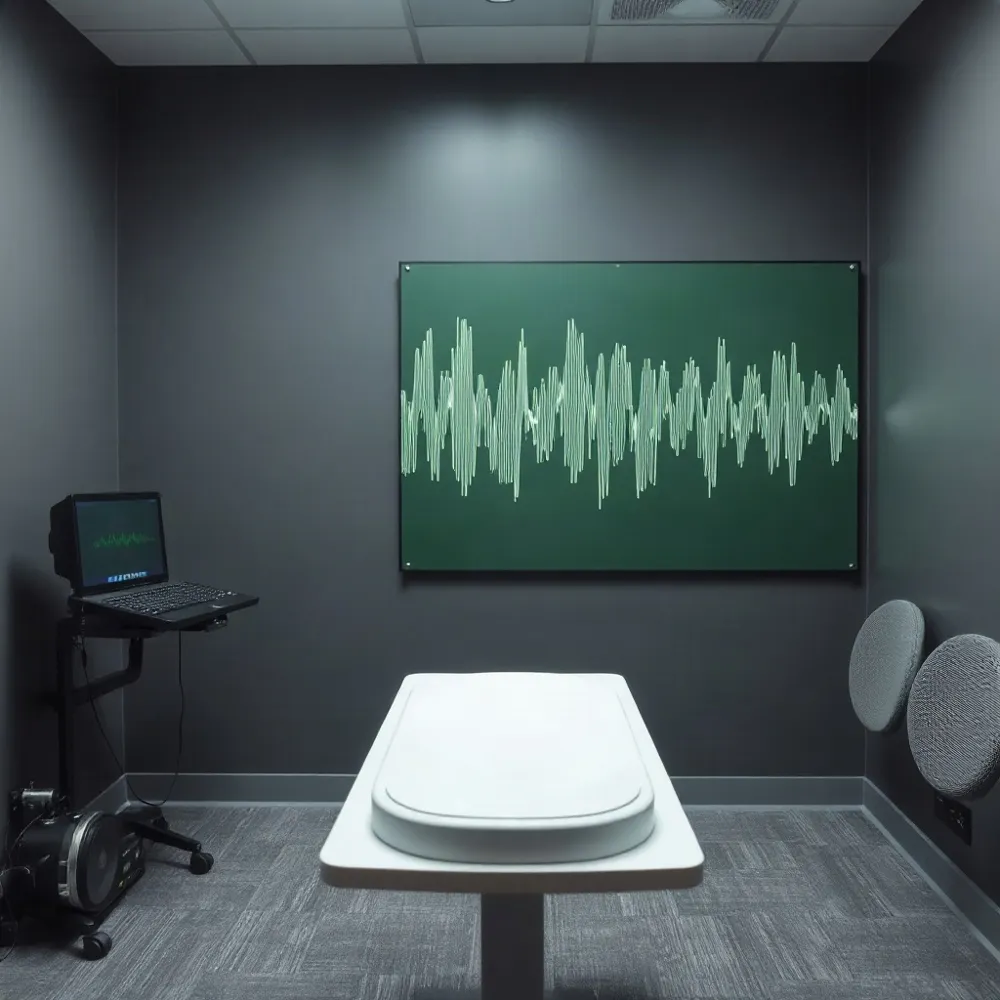
An effective initial evaluation for workplace injuries starts with gathering a thorough medical history from the injured worker. This history should detail the timing and circumstances of the injury, the nature and location of pain, associated symptoms, past injuries or surgeries, and the physical demands of their job. For a detailed guide on this process, see Evaluating the Injured Worker.
Initial injury evaluation process
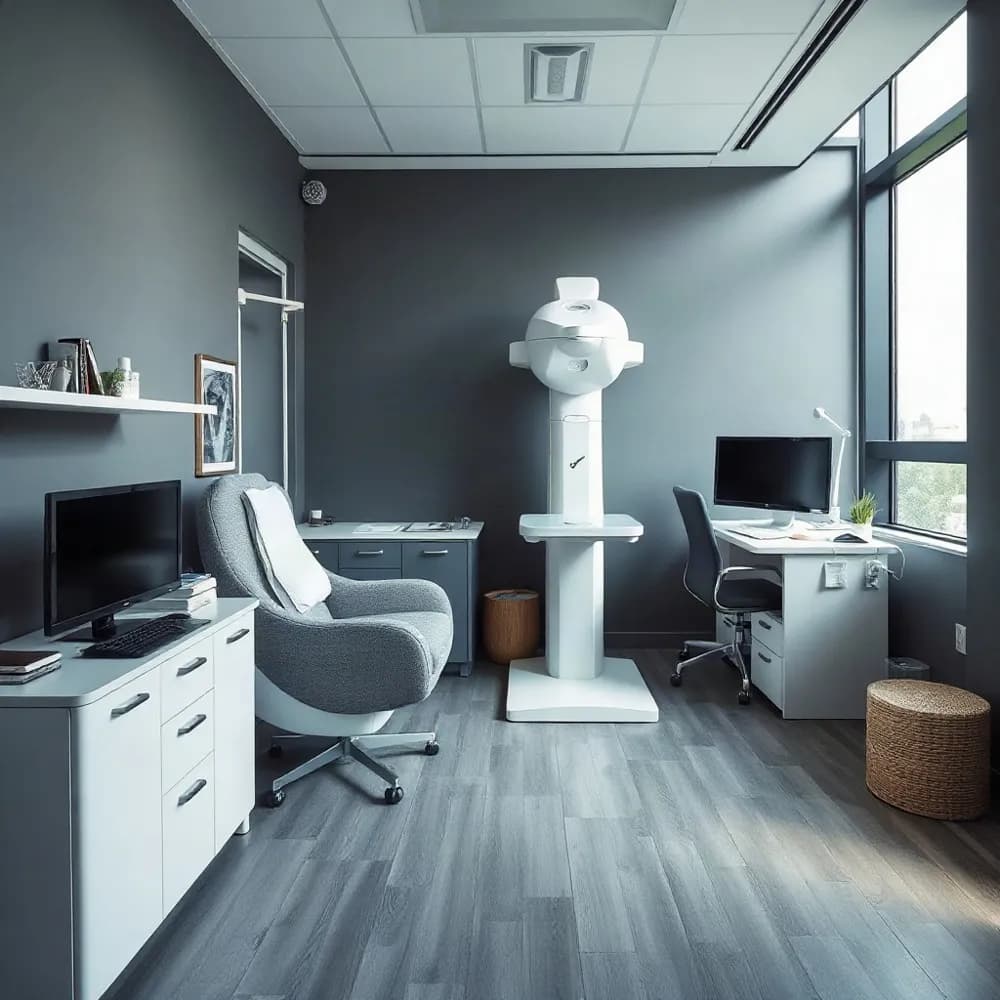
Following history taking, a detailed physical examination is essential. This involves assessing the worker's strength, range of motion, neurological function, provocative tests to reproduce symptoms, and observation of overall behavior and gait. Evaluating skin condition and muscle tone also contributes to understanding the injury. For comprehensive information, refer to Initial Evaluation of an Injured Worker.
Imaging and diagnostic studies
Diagnostic imaging serves a critical role in confirming injury types. X-rays are used to detect fractures, dislocations, and bone abnormalities, while MRI scans are optimal for investigating soft tissue injuries like muscle or ligament damage. Additional modalities such as ultrasound or CT scans may be used as needed, particularly considering patient age and symptom complexity. More about imaging and diagnosis can be found at Workplace Injury Assessment.
Treatment planning and work restrictions
Based on the clinical findings and imaging, a tailored treatment plan is formulated. This may include activity modifications, physical therapy, anti-inflammatory medications, injections, use of supportive braces, or surgery if required. Importantly, work restrictions and modifications are recommended to support recovery while maintaining employment, emphasizing avoidance of prolonged narcotic use unless specifically indicated. Refer to Workplace Injury Treatment Best Practices for thorough treatment approaches.
Overall, a prompt, comprehensive evaluation combining history, physical exam, and appropriate imaging is vital. It guides effective treatment and facilitates safe return to work, minimizing the impact of workplace injuries on both the employee and employer. For more on managing workplace injuries effectively, see Workplace Injury Management Guide.
Accurate and Comprehensive Injury Documentation and Reporting
Why is injury documentation vital in workplace injury assessments?
Injury documentation plays a critical role in workplace injury assessments by ensuring legal compliance and streamlining the workers' compensation claims process. Detailed and accurate records enable effective workplace injury management by providing a clear picture of the incident, which supports appropriate medical care and compensation decisions. Documentation also facilitates thorough incident investigations that identify root causes, helping prevent recurrence.
Importance of injury documentation
Proper injury documentation helps organizations fulfill regulatory obligations, particularly under OSHA standards, and protects employee rights. It ensures that all injury-related information is preserved accurately and promptly, reducing administrative delays and legal risks. High-quality documentation also provides transparency and trust between employees, employers, and insurers.
Components of effective incident reports
Effective incident reports include the following:
- Detailed description of the injury event and how it happened
- Exact time and location of the incident
- Statements from witnesses
- Photographic evidence and measurements of the injury or accident scene
- Identification of any hazards or contributing factors
This comprehensive information supports robust workplace injury investigations and precise claims management.
OSHA compliance and claims management
Accurate and timely documentation meets OSHA reporting requirements and ensures smooth workers' compensation claim processing. Incident details captured in reports assist employers and insurers in reviewing claims promptly, reducing disputes or delays. They also provide valuable data for ongoing safety audits and program improvements.
Role of employee and management reporting
Both employees and management have essential roles in injury reporting. Employees should report injuries immediately and provide as much detail as possible. Management must respond promptly, document the incident comprehensively, ensure compliance, and investigate thoroughly. Encouraging open communication about injuries and near misses fosters a strong safety culture and proactive hazard control.
Structured Workplace Injury Investigation and Root Cause Analysis

How should workplace injury investigations be conducted?
Workplace injury investigations must be conducted promptly and systematically to ensure accuracy and effectiveness. The process begins as soon as possible after the injury, allowing details to be preserved before they fade. Supervisors, who best understand the work environment and employees, often lead these investigations with the assistance of safety managers or coordinators. For detailed principles on this process, see Principles of Injury/Illness Investigation and Analysis.
Investigation procedures
Investigations involve multiple steps:
- Interview affected employees and any witnesses to collect clear firsthand accounts.
- Examine the scene thoroughly, including physical evidence, to understand conditions at the time of the incident.
- Review related records such as prior incident reports and maintenance logs.
- Document findings meticulously with reports and photographs, ensuring all relevant data is captured.
These steps align with best practices outlined in Workplace injury management steps and investigation and Workplace Injury Management Guide.
Role of supervisors and safety managers
Supervisors hold primary responsibility, leveraging their close knowledge of the work processes and personnel to identify unsafe acts or conditions. Safety managers support by providing expertise on safety standards, coordinating scene management, and assisting with the collection and review of evidence. Both work collaboratively to implement prompt corrective measures, an approach emphasized in the Work Injury Investigation Process and Key Steps in the Workplace Injury Management Process.
Identifying root causes of injuries
The investigation aims not just to document the injury but to understand the underlying causes. Common root causes include:
- Unsafe behaviors such as improper tool use
- Equipment malfunctions or failure
- Hazardous workplace conditions
- Task-related risks and individual factors
Identification of these root causes and implementation of corrective actions follow guidelines discussed in Workplace injury investigation and analysis principles and Workplace Injury Management Steps.
Implementing corrective actions
After root causes are identified, organizations should design and apply specific corrective actions. These may involve fixing equipment, revising procedures, enhancing training, or modifying work environments. Active employee involvement in developing these measures ensures practical and effective solutions. Continuous monitoring follows to assure that implemented controls reduce risks and prevent recurrence, consistent with the recommendations in Effective workplace injury prevention programs and Workplace Safety and Health Programs.
This disciplined approach to injury investigation maximizes safety improvements and compliance, supporting a safer workplace for all employees.
Promoting a Safety Culture and Proactive Risk Management
What role does safety culture play in effective workplace injury prevention?
A strong safety culture is foundational to preventing workplace injuries. It creates an environment where employees and management share responsibility for safety and openly identify hazards. When workers feel safe to report incidents and near misses without fear of retaliation, organizations gain valuable insights for preventing future accidents through incident reporting systems and investigation of workplace incidents.
Safety training and education
Safety training tailored to specific tasks helps employees recognize potential hazards, use protective equipment properly, and respond effectively in emergencies. Ongoing hazard monitoring, including regular safety training updates and employee safety training, reinforces safe behaviors and keeps safety knowledge current.
Hazard identification and risk assessment
Proactive hazard identification involves regular workplace inspections, reviewing incident reports, and engaging employees to uncover risks. Risk assessments evaluate the likelihood and severity of hazards, guiding the implementation of control measures. Comprehensive risk assessments and ongoing monitoring and review of hazards are vital as workplace conditions evolve.
Employee engagement and communication
Engaging employees in safety efforts encourages proactive hazard management and strengthens reporting systems. Open communication channels and transparency about safety improvements foster trust and collective ownership of workplace safety, essential for promoting a safety culture.
Leadership commitment
Visible and active leadership demonstrates an organizational commitment to safety. When management prioritizes safety through clear safety policies and procedures, resources, and consistent communication, it reinforces safety norms and motivates employee participation. Management commitment to safety is a key component of an effective safety program.
Integrating these elements establishes a proactive risk management approach, reducing injuries and fostering a culture of continuous safety improvement.
Effective Workers’ Compensation Evaluation and Claim Management

What should injured workers expect during a workers' compensation evaluation?
Workers' compensation evaluation is a critical step following a workplace injury. Injured workers can anticipate a thorough medical examination that assesses the severity of their injury and establishes its connection to their work activity. This evaluation typically involves a physical assessment, imaging tests such as X-rays or MRIs, and may include psychological evaluations if needed.
Multiple professionals are involved in the process, including medical providers who conduct the examination, insurance adjusters who review findings, and sometimes attorneys. Early reporting of injuries and prompt scheduling of the evaluation are essential to facilitate recovery and streamline the claims process. For more details, see What to Expect From a Workers' Compensation Injury Evaluation.
Medical assessment and eligibility determination
The medical assessment focuses on diagnosing the injury accurately and determining the appropriate treatment plan. It assesses the injury’s severity and estimates recovery timelines. Eligibility for workers' compensation benefits hinges on linking the injury to workplace activities. Effective evaluations include reviewing patient history, physical exams, and necessary diagnostic imaging. For comprehensive guidance, refer to Evaluating the Injured Worker and Workers' Compensation Injury Evaluation.
Claim filing and legal considerations
Filing a workers’ compensation claim involves notifying the employer and submitting required forms within specific deadlines, often within 90 days. The employer or insurance company will investigate the claim, reviewing medical records and accident reports. If the claim is denied, workers have the right to contest the decision, potentially with legal support. See Workers' Compensation Claims Process in Iowa and How to File a Workers' Comp Claim in Iowa.
Legal guidance can be crucial to navigating complex claims, preventing denial or reduction of benefits, and pursuing appeals or further action if necessary. Injured workers should be aware of deadlines, documentation requirements, and their rights throughout the process, as explained in Preparing for a Workers' Compensation Consultation and 6 Steps to Take After Being Injured at Work in Iowa.
Patient preparation and rights
Before the evaluation, injured workers should gather all relevant documents such as incident reports, medical records, photographs, and witness statements. Being prepared helps the medical professional and legal advisors build a more robust case. For insights on preparation, see Preparing for Workers' Compensation Consultation.
Workers have the right to an impartial evaluation, privacy during medical examinations, and the option to seek a second medical opinion if desired. Cooperating fully while protecting their rights ensures better outcomes during the claims process. See Visiting a Doctor After a Work Injury and Workers' Compensation Injury Evaluation.
Prompt and comprehensive workers' compensation evaluations, combined with proper claim management and legal awareness, support injured workers in obtaining the care and benefits they deserve. For more on effective Workplace Injury Management and minimizing injury-related complications, see 7 Steps to Successful Workplace Injury Management.
Comprehensive Return-to-Work Programs to Support Recovery
How do return-to-work programs contribute to effective workplace injury management?
Return-to-work (RTW) programs are vital for ensuring injured employees return safely and efficiently to their jobs. These programs begin with a thorough assessment of the injured worker’s capacities and job demands, often using functional capacity evaluations to match physical abilities with work tasks.
Assessing job demands and worker capacities
Understanding the physical requirements of a job—such as sedentary, light, medium, heavy, or very heavy work classifications—is crucial. Healthcare professionals assess strength, range of motion, and endurance to determine suitable work activities during recovery. This evaluation process includes a comprehensive injury history and physical examination to ensure appropriate job demands assessment.
Individualized work modifications
RTW programs provide tailored modifications that accommodate medical restrictions. These adjustments might include graduated work schedules, reduced hours, or altered duties, ensuring the employee remains productive while avoiding further injury. Developing individualized RTW plans supports the creation of effective accommodations.
Benefits of structured RTW programs
Structured RTW programs improve communication between employers, healthcare providers, and workers, which helps alleviate employee concerns and promotes engagement. They reduce absenteeism and associated costs by minimizing downtime and lowering workers’ compensation expenses. Additionally, legal compliance is addressed through adherence to ADA requirements, supporting reasonable workplace accommodations.
By supporting early and safe return to work with personalized plans and clear communication, RTW programs significantly contribute to successful workplace injury management.
Integrating Comprehensive Practices for Optimal Injury Assessment and Recovery
Effective workplace injury assessments and consultations rely on prompt medical evaluations, accurate documentation, thorough investigations, and proactive safety cultures. Coupled with structured workers' compensation processes and individualized return-to-work programs, these components optimize recovery outcomes and organizational resilience. Employers who embrace these multifaceted strategies enhance employee well-being, comply with legal requirements, and foster productive, safe workplaces.