Understanding the Importance of Workplace Injury Evaluations
Significance of Comprehensive Evaluations
Comprehensive workplace injury evaluations are critical for accurately determining the nature, extent, and causation of injuries. These evaluations involve detailed occupational histories and physical assessments to link injuries with workplace incidents. Specialized examinations such as Independent Medical Evaluations (IMEs), Qualified Medical Evaluations (QMEs), and functional capacity assessments help ensure objective and evidence-based conclusions.
Role in Workers' Compensation and Legal Claims
Workplace injury evaluations play a pivotal role in workers' compensation claims as they influence medical treatment decisions, disability ratings, and benefit eligibility. Evaluations conducted by neutral third-party physicians often guide dispute resolutions between injured workers, employers, and insurance providers. Accurate documentation and adherence to state-specific protocols bolster these claims and facilitate legal processes.
Early Detection and Prevention
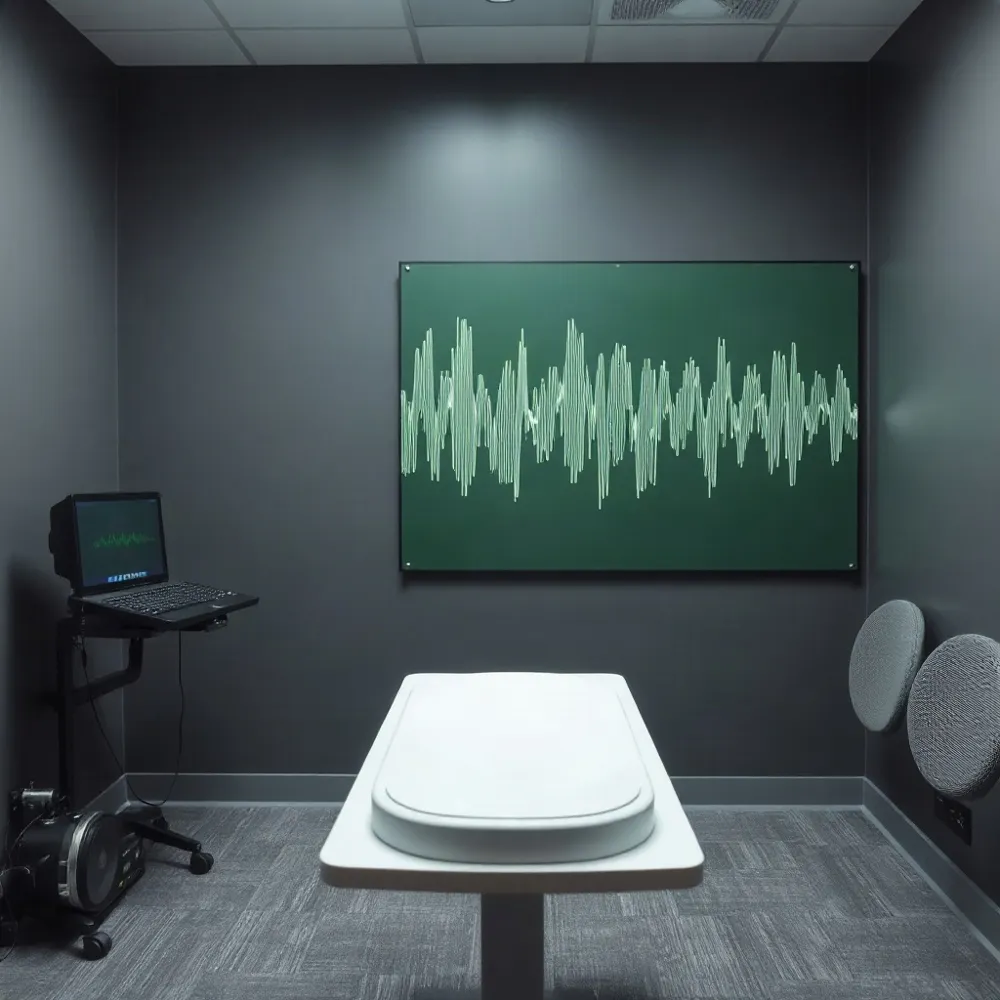
Early identification of workplace injuries and hazards through thorough evaluations helps prevent prolonged disability and promotes timely intervention. Integrating injury data analysis supports evidence-based prevention strategies, reducing future injury risks. For instance, early audiometric testing detects noise-induced hearing loss before permanent damage occurs, fostering workplace health and safety improvements.
Integrating Workers' Compensation Data for Injury Prevention
Use of Workers' Compensation Claims Data
workers' compensation claims data provide a rich source of information for understanding workplace injuries and illnesses. By analyzing these claims, researchers and safety professionals can identify the causes of injuries, assess their frequency, and find patterns across various industries and occupations. This information is crucial for developing targeted strategies to prevent future injuries and improve worker safety.
Trends and Causes of Workplace Injuries
Claims data reveal trends such as increases in specific injury types or risks within certain work environments. These insights help highlight emerging hazards and areas needing intervention. For example, recurring injury causes like ergonomic issues, slips, or chemical exposures can be pinpointed, allowing for more focused workplace safety improvements. Additionally, data analysis can uncover economic impact of workplace injuries related to compensations and lost productivity.
Evidence-Based Prevention Strategies
Using claims data, organizations can evaluate the effectiveness of existing safety programs and identify gaps where new interventions are needed. For instance, Ohio safety intervention grants informed by this data have demonstrated success in reducing injury claims and associated costs. Evidence-based strategies might include improved training, engineering controls, or personal protective equipment adjustments tailored to the identified risks.
Role of NIOSH and Surveillance Methods
The NIOSH Center for Workers' Compensation Studies plays a pivotal role in leveraging workers' compensation data for injury prevention. Since 2013, NIOSH’s Center for Workers' Compensation Studies has developed advanced surveillance systems, including auto-coding methods for claims and linking claims with employment data. They collaborate with states to analyze data trends, evaluate policy impacts, and support programs that reduce occupational injuries. Such partnerships enhance the standardization and integration of data, fostering a more comprehensive approach to occupational health surveillance and prevention.
Medical-Legal and Independent Medical Examinations in Workplace Injury Claims

What are QMEs and IMEs, and why are they important?
Qualified Medical Evaluations (QMEs) and Independent Medical Examinations (IMEs) play a critical role in workers' compensation claims. QMEs are state-certified, independent assessments used primarily in California to evaluate a worker's medical condition when there is a dispute with the insurer regarding the nature, extent, or treatment of the injury. IMEs are similar assessments conducted by neutral third-party physicians, often ordered by an employer's insurance company to confirm or challenge the injured worker's claim.
How do medical experts ensure neutrality and accuracy?
Medical experts conducting QMEs and IMEs must be impartial, providing evidence-based evaluations. They review medical histories, perform physical examinations, and may order diagnostic tests to assess the injury accurately. Board-certified specialists, such as neurologists with expertise in occupational and environmental medicine, enhance the credibility and reliability of these assessments. Their objective opinions can significantly influence the outcome of a claim.
What are the legal implications of these examinations?
The findings from a QME or IME can affect compensation levels by confirming, reducing, or disputing the extent of injury and disability. In California, medical opinions from these evaluations carry substantial legal weight, particularly regarding causation and permanent disability ratings. Additionally, recent legislative changes emphasize proper filing timelines and limit judicial review options, underscoring the need for precise and timely evaluations. For example, Tennessee workers' compensation law changes illustrate evolving legal frameworks impacting injured workers.
What role do medical experts play specifically in California?
In California's workers' compensation system, QMEs are selected from a randomly generated list and must be state-certified. Certified specialists conduct comprehensive evaluations—including clinical assessments and electromyography—to provide detailed reports. These evaluations support legal and insurance claims by establishing injury causation and extent with substantial medical evidence, often required to a reasonable medical certainty, as detailed in injury causation analysis literature.
How can injured workers prepare and protect their rights?
Workers undergoing QMEs or IMEs should consider consulting with experienced workers’ compensation attorneys. Legal counsel helps in understanding the evaluation process, reviewing consent forms, and preparing for examinations. Attorneys also assist in contesting unfavorable reports and navigating claims or appeals within the workers' compensation system, ensuring that injured workers' rights and benefits are adequately protected. For more on reporting and managing work injury claims, see California Division of Workers' Compensation information.
Comprehensive Evaluation and Documentation of Occupational Injuries
What is the critical role of occupational history in injury evaluation?
An accurate and detailed occupational history is essential in assessing whether an injury is related to work. Despite its importance, only about 28% of patients have their work history documented by physicians. Collecting this information helps determine causation, guides treatment, and supports workers' compensation claims data.
How do psychosocial factors affect recovery from occupational injuries?
Recovery is influenced not only by physical injury but also by psychosocial factors such as stress, fear-avoidance behaviors, job dissatisfaction, and mental health conditions. These elements can slow healing and complicate return-to-work plans, making their assessment a critical part of comprehensive care (Evaluation of the Acutely Injured Worker).
Why is detailed injury documentation vital?
Effective documentation includes thorough descriptions of the injury mechanism, detailed physical findings, timing, location, and involved parties—the "four W's" (where, when, who, and what). Precise records facilitate medical decision-making, legal processes, and insurance claims, providing a clear basis for ongoing care and compensation (Evaluation of the Acutely Injured Worker.
What specialized assessments support workplace injury evaluations?
Specialized evaluations such as independent medical examinations (IMEs), functional capacity evaluations (FCEs), impairment ratings, and neuropsychological assessments play important roles in determining injury severity, functional limitations, and eligibility for benefits. These objective measures contribute to fair and evidence-based outcomes (Evaluation of the Acutely Injured Worker.
What are common pain management strategies in occupational injury treatment?
Pain management typically begins with nonsteroidal anti-inflammatory drugs (NSAIDs) like acetaminophen or ibuprofen. Opioids are generally reserved for severe pain due to risks of dependency and impaired recovery (Risks of Opioids in Injury Treatment. Early and appropriate pain control supports physical and mental rehabilitation, aiding safer and more effective return to work.
Addressing Hearing Loss in the Workplace: Prevention, Evaluation, and Impact
Noise-induced Hearing Loss and Its Prevention
Noise-induced hearing loss (NIHL) is caused by exposure to loud noise environments common in many workplaces. It results from damage to the inner ear nerve cells and is irreversible. Protecting employees involves implementing hearing conservation programs that include noise controls and consistent use of personal protective equipment (PPE).
Importance of Audiometry Testing and Early Detection
Regular audiometry testing is essential for early detection of hearing impairment. This testing, recommended by NIOSH, helps identify initial hearing changes before symptoms become severe, enabling timely interventions to prevent permanent damage. Advanced audiometry can be conducted efficiently and cost-effectively without specialized facilities.
Audiologist’s Role in Workplace Hearing Loss Assessment
Audiologists play a critical role in evaluating whether hearing loss is work-related, reviewing noise exposure history, audiometric data, and non-occupational factors. They ensure compliance with OSHA recordkeeping requirements and provide independent assessments to confirm occupational causation, which is pivotal for workers’ compensation claims.
Impact of Hearing Loss on Communication, Safety, and Productivity
Hearing loss significantly impairs workplace communication, leading to misunderstandings, reduced productivity, and social isolation. It also poses safety risks by reducing the ability to perceive alarms and verbal warnings. Untreated hearing loss can increase fatigue and errors, further affecting work performance. For more on this topic, see Hearing loss and workplace communication.
Workplace Accommodations and Assistive Technologies
Employers can mitigate the effects of hearing loss through accommodations such as preferential seating, use of assistive listening devices, and written instructions. Modern hearing aids with features like Bluetooth and noise reduction technology enhance communication. Addressing hearing loss not only improves safety and productivity but fosters better employee relationships and job satisfaction. Learn more about workplace accommodations for hearing loss.
Hazard Identification and Risk Assessment as Foundations for Injury Prevention
How can hazards be proactively identified in the workplace?
Proactive hazard identification is essential for effective injury prevention. Employers should conduct regular workplace inspections involving workers to spot hazards such as housekeeping issues, electrical risks, and ergonomic problems. Collecting and reviewing safety data sheets (SDS), inspection reports, and incident records also provides critical information. Engaging employees in hazard recognition enhances detection of unsafe conditions before incidents occur.
Why is reviewing safety data sheets and inspection records important?
Safety data sheets provide detailed information about chemical, physical, biological, and ergonomic hazards present at work. Reviewing these documents helps employers understand potential health risks and necessary controls. Inspection reports reveal existing safety gaps or non-compliance, while incident records highlight recurring hazards. Together, this information guides targeted prevention efforts. More details can be found at Safety Management and Hazard Identification.
What role do incident investigations play in hazard identification?
Incident investigations analyze the root causes of injuries and near misses. Understanding these causes reveals hidden hazards and systemic safety failures. Thorough investigations inform corrective actions to prevent recurrence, making them an indispensable part of the hazard identification process. Related strategies are discussed under Injury Prevention and Incident Investigations.
How should hazard severity and risk be evaluated?
Assessment involves estimating both the likelihood of an incident and its potential severity. Prioritization focuses on hazards with high risk levels. Employers may implement interim controls while permanent solutions are developed to mitigate risks effectively. This evaluation ensures resources are directed where they can most reduce injury potential. For further guidance, see Hazard Severity Evaluation and Risk Assessment.
What is the importance of emergency planning and interim controls?
Emergencies and nonroutine tasks often introduce unique hazards. Developing emergency response plans and risk mitigation strategies prepares workplaces to handle unexpected events safely. Interim controls—temporary measures to reduce risk—are vital when permanent controls are not yet in place, ensuring continuous protection for workers. More information on emergency response planning and interim controls is available at Emergency Response Planning.
By integrating these practices, organizations build a robust hazard identification and risk assessment framework that underpins successful injury prevention programs.
Legal and Policy Considerations in Workers' Compensation Evaluations

What are recent legislative changes impacting workers' compensation claims?
Recent amendments to workers' compensation laws, such as those in Tennessee workers' compensation law changes, have shifted the evaluation of injuries from focusing on individual body parts to considering the injury's overall impact on the whole body. This change generally results in lower impairment ratings. Concurrently, the compensation period has extended (for example, from 400 to 450 weeks), potentially allowing injured workers longer access to benefits. However, these laws have also centralized claims and appeals processes within state labor departments, limiting judicial review and increasing the complexity of claim navigation.
Why is timely injury reporting and legal counsel important in workers' compensation claims?
Prompt reporting of work-related injuries, ideally within 30 days of occurrence, is vital to avoid delays or denial of benefits. Immediate medical treatment should be sought in emergencies, followed by notifying the employer. Moreover, pursuing legal counsel early can help workers understand filing deadlines, safeguard rights, and appropriately prepare for examinations like Qualified Medical Evaluations (QMEs) or Independent Medical Examinations (IMEs). Legal guidance becomes critical due to procedural changes and the need to strictly comply with timelines to preserve benefit entitlements.
What workers’ compensation benefits and protections are available?
Workers' compensation systems provide coverage for medical treatment, partial wage replacement, rehabilitation, and vocational assistance. Benefits apply broadly, covering temporary, part-time workers and even non-U.S. residents. Employers are legally required to provide medical care regardless of lost work time. Additionally, anti-retaliation laws protect employees from punishment or discrimination for reporting injuries or seeking benefits. See Workers' compensation benefits and protections for more information.
How do law changes impact the success of claims?
Revised statutes have made it increasingly challenging for injured workers to receive favorable claim outcomes. Lower impairment ratings may reduce compensation amounts, and centralized claim adjudication limits avenues for judicial appeal. These factors necessitate comprehensive documentation and credible medical evidence to establish injury causation and extent under the new legal framework. For detailed insights on injury causation analysis, refer to Injury causation analysis in occupational injuries.
What role do expert evaluations play in dispute resolution?
Expert medical evaluations such as QMEs and IMEs are central to resolving workers' compensation disputes. Conducted by independent, board-certified specialists, these assessments scrutinize diagnosis, injury severity, and causality. Their findings can significantly influence claims by affirming or disputing injury-related conditions. An expert evaluation's thoroughness and evidence-based nature ensure reliability and are indispensable when navigating complex legal requirements and advocating for fair benefit determinations. Learn more about California workers' compensation medical-legal evaluations and the role of Independent medical evaluations (IMEs).
Advancing Injury Causation Analysis and Its Role in Workplace Claims
Methods for determining injury causation
Injury causation analysis (ICA) is a critical process used to establish whether a workplace injury is directly related to a specific incident. This involves examining the mechanism of injury, the forces involved, and the biological plausibility of the claimed condition. Orthopaedic surgeons and occupational medicine specialists often lead these assessments, applying detailed clinical evaluations alongside biomechanical data.
Use of epidemiological and biomechanical evidence
Epidemiological evidence, including workers' compensation claims data and injury trends, is combined with biomechanical analysis such as evaluating vehicle delta-V in collisions, to assess the likelihood that a reported event caused the injury. Such evidence strengthens the link between workplace exposures and resulting health effects.
Application of AMA Guides and Hill criteria
Established methodologies like the American Medical Association (AMA) Guides to the Evaluation of Permanent Impairment and the Hill criteria are routinely applied to structure and standardize causation evaluations. These approaches provide frameworks for assessing consistency, temporality, and biological plausibility, enhancing the objectivity and scientific basis of determinations.
Role of orthopaedic surgeons and medical experts
Qualified medical experts, including orthopaedic surgeons, neurologists, and occupational physicians, conduct comprehensive evaluations such as Qualified Medical Examinations (QMEs) or Independent Medical Examinations (IMEs). Their expertise is pivotal in interpreting clinical findings and medical histories to form evidence-based opinions on injury causation that are admissible in legal and workers' compensation contexts.
Impact on disability determination and compensation decisions
Accurate injury causation analysis directly influences disability ratings and compensation benefits. Medical evidence demonstrating a causal relationship to work incidents underpins entitlement to workers' compensation. Consequently, thorough and expert evaluations improve fairness and precision in awarding benefits and managing claims.
Towards Safer Workplaces Through Expert Evaluations and Collaboration
Integrating Data, Medical Expertise, and Legal Support
Creating safer workplaces involves a multifaceted approach that integrates workers’ compensation data analysis, expert medical evaluations, and robust legal support. Agencies like NIOSH play a vital role by using claims data to identify injury trends and develop prevention strategies. Medical professionals provide accurate injury assessments, such as Qualified Medical Evaluations (QMEs) and Independent Medical Exams (IMEs), which inform both treatment and legal decisions. Legal counsel helps injured workers navigate claims and ensures that compensation and restorative processes are fair and evidence-based.
Fostering Partnerships Across Stakeholders
Effective workplace safety requires collaboration between insurers, employers, healthcare providers, policymakers, and researchers. Partnerships, such as those NIOSH promotes with states and local agencies, enable the sharing of injury data and implementation of focused prevention programs. These collaborations facilitate continuous improvements and support prompt responses to emerging workplace hazards.
Prioritizing Continuous Monitoring and Prevention
Ongoing surveillance and evaluation are crucial to maintain progress in occupational health. This includes regular workplace inspections, hazard assessments, noise and hearing loss monitoring, and timely medical evaluations. Utilizing standardized data integration and continuous analysis helps to refine prevention tactics, minimize injuries, and support workers in safe return-to-work pathways.