Introduction to Case Reviews and Their Importance in Workplace Injury Claims
Definition and purpose of case reviews
Case reviews in workplace injury claims refer to detailed evaluations of an injured worker's medical treatment and claim details by impartial experts. These reviews ensure the treatment provided is appropriate, necessary, and adheres to accepted medical standards and jurisdictional guidelines. They help validate medical care, facilitate dispute resolution, and support timely recovery and return to work.
Overview of workplace injury claims process
Workplace injury claims typically begin with reporting the injury, followed by medical evaluation, filing claim forms, and treatment management. Insurers and employers review submitted documentation to approve benefits and ensure treatment aligns with evidence-based medical guidelines. Peer reviews and medical evaluations often assist in confirming the legitimacy and necessity of claims.
Importance of thorough medical and legal documentation
Accurate and comprehensive medical records, incident reports, treatment notes, and legal documents are crucial for efficient claims processing. Detailed documentation supports claim validity, aids in resolving disputes, and helps in legal assessments when expert witnesses or independent medical evaluations are involved. Proper records also expedite decision-making for benefits and treatment approvals.
Brief introduction to NorCal Medical Consulting's specialization
NorCal Medical Consulting specializes in providing expert witness services, independent medical evaluations, and peer reviews tailored to workplace injury claims. Their expertise supports fair compensation through evidence-based assessments and objective medical opinions, helping injured workers and legal professionals navigate the complexities of injury claims effectively.
Understanding Workplace Auditory Injuries and Their Assessment
What is auditory loss, and how is it connected to workplace injuries?
Auditory loss refers to the partial or complete inability to hear. In workplace settings, it often results from exposure to hazardous noise levels, ototoxic chemicals, or physical trauma. Noise-induced hearing loss is prevalent in industries where workers face prolonged exposure to noise above 85 decibels, including manufacturing, construction, mining, and transportation.
This type of auditory injury may develop gradually or occur suddenly due to a specific incident. It affects employees' communication abilities and safety and can lead to additional health concerns such as tinnitus, cognitive decline, and depression. Monitoring auditory health through regular hearing assessments is a critical method to identify and document these occupational injuries. For guidance on workplace injury immediate response and claims management, refer to the linked resource.
What types of workplace injuries does NorCal Medical Consulting specialize in assessing?
NorCal Medical Consulting primarily focuses on evaluating workplace injuries related to auditory loss. Their assessments include noise-induced hearing loss and Standard Threshold Shifts (STS) detected via audiometric testing. They determine if the hearing impairment is work-related using OSHA criteria, which consider factors such as noise exposure levels, use of hearing protection, and test results.
While the firm may assess other occupational health issues, their core expertise lies in providing detailed evaluations relevant to OSHA recordkeeping requirements and legal claims. Their approach integrates a comprehensive review of noise exposure history, medical examinations, and testing to offer reliable documentation that supports or contests the occupational origin of hearing loss. These expert medical assessments play a significant role in supporting legal claims, as discussed in The growing importance of expert medical assessments in legal proceedings.
Testing methods and tools used in auditory injury assessments
Auditory injury evaluations rely heavily on audiometric testing to measure hearing thresholds across frequencies. Standard tests identify shifts in hearing sensitivity, especially in the high-frequency ranges commonly affected by noise.
Assessors use specialized equipment such as pure-tone audiometry, otoacoustic emission analyzers, and sometimes speech audiometry to evaluate the extent of auditory damage. These tools provide objective data about hearing capacity and help distinguish between occupational and non-occupational hearing loss. The neutrality and thoroughness of these evaluations ensure they meet ethical standards in psychological assessments, adapted here to auditory assessments.
Role of audiologists and medical experts in evaluations
Audiologists and medical experts conduct thorough assessments including clinical interviews, medical history reviews, and interpretation of audiological data. Experts also consider workplace noise exposure documentation and protective equipment usage.
Their impartial, evidence-based evaluations are vital in peer review in workers' compensation claims, ensuring that diagnoses and treatment recommendations align with accepted medical standards and jurisdictional regulations. Expert opinions aid in resolving disputes over medical necessity and support fair compensation for injured workers, highlighting the value of peer review in workers' compensation.
NorCal Medical Consulting's focus on auditory loss assessments
NorCal Medical Consulting is a specialized firm concentrating on accurate and impartial auditory loss evaluations for workplace injuries. Their services include detailed analysis of audiometric data, exposure history, and medical findings to determine the occupational relevance of hearing loss.
The firm’s work is essential in supporting claims related to noise-induced hearing loss and contributes to regulatory compliance and effective case management. Their expertise benefits employers, insurers, and injured employees by facilitating timely, evidence-based decisions that enhance recovery and claims resolution through expertise in peer review and streamlined workers' comp reviews.
The Peer Review Process: Enhancing Objectivity and Quality in Claims
What is a Peer Review in Workers' Compensation?
A peer review in workers' compensation is an independent medical evaluation conducted by a healthcare professional not involved in the injured worker's direct care. This process examines whether the medical treatments and diagnoses provided align with accepted medical standards and jurisdictional requirements. Peer reviews offer an impartial, expert opinion that supports the validity of a worker's medical care, ensuring that treatment is necessary and appropriate.
How Do Peer Reviews Ensure Appropriate and Evidence-Based Treatment?
Peer reviewers assess the necessity, reasonableness, and effectiveness of treatments using evidence-based medical guidelines and jurisdictional rules. The process often starts with a nurse review to verify treatment necessity, followed by a physician's peer review if questions arise. This detailed scrutiny helps identify ineffective or costly treatments, ensuring peer reviews for injured employees receive care that promotes faster recovery and a timely return to work.
Impact of Peer Reviews on Claim Validity and Cost Management
By providing objective evaluations, value of peer review in workers' compensation help resolve disputes over medical treatments and benefits, influencing claim approvals or denials. They serve as a mechanism to prevent over-treatment and reduce workers' comp claims costs. Timely peer review decisions aid in shortening claim durations, lowering overall claim expenses, and supporting quicker employee recovery, thereby benefiting all stakeholders.
Examples of Peer Review Services
Specialized services such as Concentra Medical ReviewStream exemplify high-quality peer review systems. Medical ReviewStream maintains URAC-accredited peer reviews, signifying adherence to rigorous audits and quality control standards. Their automated peer review systems, integrated platforms streamline the review process while ensuring compliance with regulatory requirements.
The Importance of Timely Peer Review Decisions
Delays in peer reviews can slow access to necessary care and prolong claims. Conversely, swift and accurate timely peer review decisions facilitate early treatment approval, promote faster recovery times, and contribute to efficient claim resolution. Early intervention with peer reviews ultimately accelerates recovery and return to work, reduces administrative burdens and supports improved return-to-work outcomes.
Expert Medical Evaluations: Cornerstone of Legal and Insurance Claims
Purpose of Expert Medical Evaluations in Legal and Insurance Contexts
Expert medical evaluations play a critical role in providing objective assessments of workplace injuries, enabling the fair adjudication of legal and insurance claims. Their primary purpose is to deliver unbiased, evidence-based opinions on the nature, extent, and causation of injuries. This evaluation supports decision-makers, including judges, insurers, and employers, by clarifying complex medical issues in claims related to workplace injuries.
How Expert Opinions Substantiate Workplace Injury Claims
Expert evaluations substantiate injury claims by confirming the diagnosis and linking symptoms directly to workplace events or exposures. In cases of auditory injuries, for example, these opinions help establish the severity of hearing loss, confirm if it was induced by occupational noise, and identify potential long-term effects on the employee's quality of life and work ability. This substantiation is crucial for validating claims and determining appropriate compensation levels as discussed in Medical experts in personal injury claims.
Components of Comprehensive Medical Evaluations and Reports
A thorough medical evaluation includes a detailed case history, clinical examination, diagnostic test analysis, and psychological assessment if necessary. Reports generated include objective documentation of symptoms, test results such as audiograms, and clinical findings. They also provide prognosis, recommended treatments, and the likely impact on the employee’s future work capacity. These comprehensive components ensure the evaluation meets rigorous legal and medical standards supported by Expert Medical Assessments.
Role of Expert Witnesses and Medical-Legal Documentation
Expert witnesses, often medical professionals, provide testimony to elucidate technical medical details for courts or insurance panels. Their testimony supplements medical-legal documentation, which serves as formal evidence in claims. This documentation and expert testimony help prevent disputes by clearly outlining the characterization of the injury, causation, and treatment requirements, ensuring claims are supported by credible scientific analysis as noted in the Role of Expert Witnesses in Catastrophic Injury Cases.
Support for Auditory Injury Claims Specifically Through Expert Evaluations
For auditory injuries caused by workplace noise exposure, expert evaluations are indispensable. Audiologists or otolaryngologists conduct specific hearing assessments, verify noise exposure history, and analyze workplace conditions to confirm causation. Their expert analysis forms the foundation for legal claims by objectively establishing the degree of hearing impairment and guiding compensation-related decisions referenced in Expert Physicians In Personal Injury Claims.
Overall, expert medical evaluations provide the foundational evidence necessary for accurate, fair resolutions of workplace injury claims, especially in specialized injuries such as auditory damage. Their impartial and detailed assessments bolster claim validity, facilitate efficient dispute resolution, and ensure just compensation for affected employees.
Detailed Processes Involved in Workplace Auditory Injury Assessments
What processes are involved in conducting expert assessments for workplace auditory injuries?
Expert assessments for workplace auditory injuries involve a systematic and comprehensive approach to accurately evaluate the extent and cause of hearing loss. Initially, a thorough medical examination is conducted alongside a detailed review of the individual’s occupational and medical history. This helps identify potential contributing factors and the timeline of symptoms.
Specialized audiometric testing forms the core of these assessments. Pure-tone audiometry is commonly employed to assess hearing sensitivity across various frequencies by measuring the minimum audible levels for tones. Speech testing evaluates the ability to hear and comprehend spoken words, providing insight into functional hearing capabilities. Additional tests, such as otoacoustic emissions, may be used to assess cochlear function.
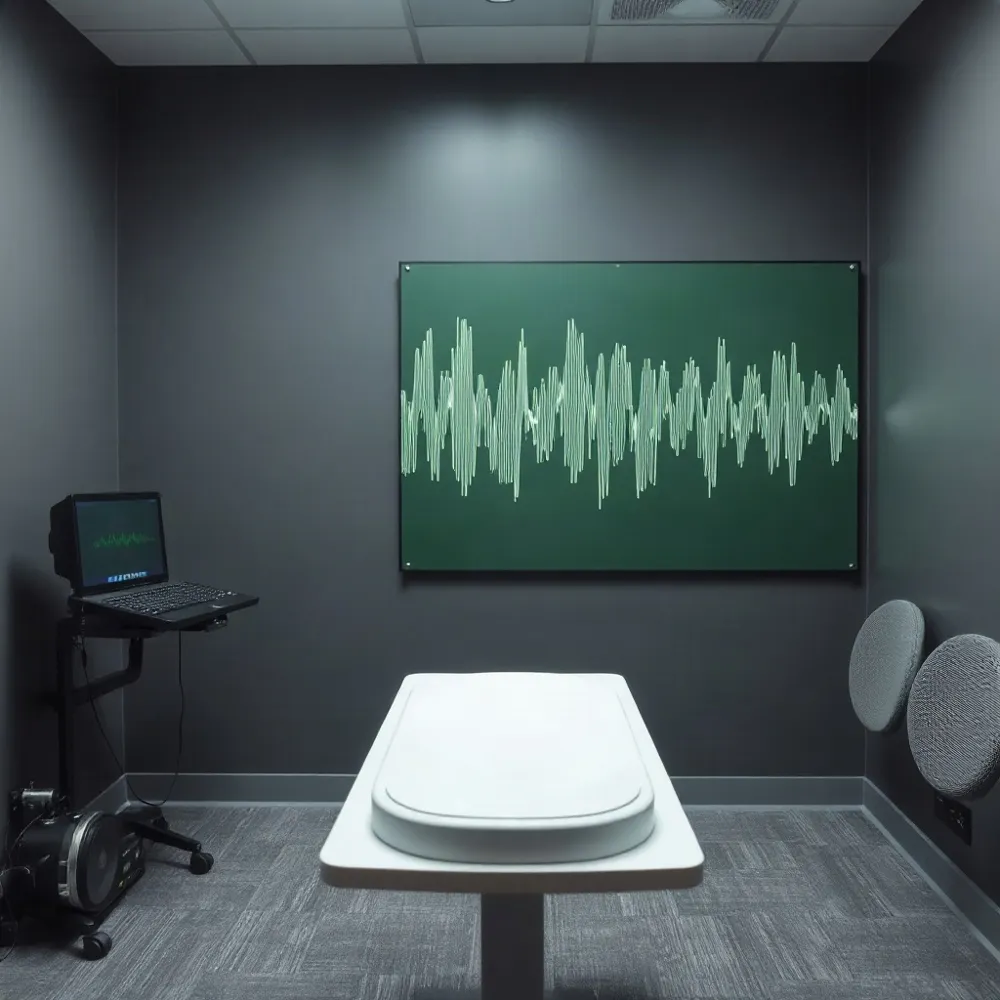
The testing is performed in controlled, soundproof environments to ensure accuracy. Audiologists analyze the data using audiograms, which graphically represent hearing thresholds and assist in diagnosing the type and severity of auditory impairment.
A critical component of the evaluation is the review of workplace noise exposure details and environmental factors. This includes measuring noise levels, duration of exposure, and adherence to occupational safety standards.
All findings are carefully documented in detailed medical-legal reports. These reports serve as crucial evidence in legal and insurance claims, supporting the determination of appropriate treatment, compensation, and return-to-work planning. For more on the role of expert medical assessments and their importance in legal proceedings, see Expert Medical Assessments.
NorCal Medical Consulting follows stringent protocols reflecting these processes to ensure precise, evidence-based assessments tailored for workplace auditory injury cases.
The Influence of Auditory Injury Assessments on Insurance Claim Outcomes

How do workplace auditory injury assessments influence the outcome of insurance claims?
Workplace auditory injury assessments play a critical role in the success of insurance claims related to hearing loss. These assessments offer objective and detailed documentation of the injury's nature and link it directly to occupational noise exposure. Audiological exams conducted by qualified professionals measure hearing impairment, confirming the extent and type of hearing loss suffered due to workplace conditions.
Supporting evidence such as noise level records and workplace safety protocols bolster the claim by demonstrating the environment's role in causing or aggravating the auditory injury. Accurate documentation of symptoms and a thorough history of noise exposure help clarify causation.
These evaluations also influence compensation decisions by outlining medical necessities and expected long-term impacts, guiding benefits like medical treatment coverage and disability payments. Comprehensive auditory injury assessments, therefore, substantiate injury claims effectively, improving claim approval rates by providing a clear, evidence-based account of the injury and its occupational origin. For more on the role of audiologists in legal claims and the use of pure-tone audiometry, see these resources.
Integrating Data-Driven Tools and Case Management to Optimize Claim Outcomes

Use of data analytics and AI to identify at-risk claims early
Data analytics and AI enable early detection of Effective workers compensation claim management that may become complex or costly. By analyzing claim data such as prolonged absence or legal representation, organizations can pinpoint cases requiring more intensive management.
Role of nurse case management in facilitating recovery and return-to-work
Nurse case managers coordinate medical care, ensuring injured employees receive appropriate treatment and support. More than 50% of workers referred to nurse case management return to work within three months, highlighting its effectiveness.
Timeliness and coordination in managing medical care and claims
Early intervention by case managers—ideally within the first 0-3 months—significantly improves recovery outcomes. Delays in case management referral can increase recovery time by up to 50% and raise costs by over 30%. Coordination among medical providers, insurers, and employers is vital.
Benefits of automated checklists and systematic follow-up
Automated checklists and digital tracking tools facilitate consistent follow-up and ensure adherence to treatment and administrative timelines. This reduces administrative burden while improving monitoring and compliance.
Reducing costs and accelerating resolution through integrated case reviews
Integrating data-driven insights with case management allows for timely, informed decisions. Early identification and intervention help control costs and expedite claim resolution, benefiting all stakeholders involved.
Conclusion: Leveraging Case Reviews to Strengthen Your Workplace Injury Claim
Comprehensive case reviews are vital in workers' compensation claims, ensuring injured employees receive accurate diagnoses and appropriate treatment.
Expert assessments and peer reviews provide impartial, evidence-based medical opinions, which help validate claims and expedite recovery and return to work. These evaluations prevent unnecessary treatments and reduce overall claim costs.
NorCal Medical Consulting specializes in auditory injury evaluations, offering expert guidance that enhances claim credibility and supports fair compensation.
Injured workers are encouraged to seek expert medical and legal consultations early to protect their rights and achieve optimal claim outcomes.