Introduction to Expert Witnesses in Workplace Injury Cases
Importance of Expert Witnesses in Workplace Injury Claims
Expert witnesses play a pivotal role in workplace injury claims by providing specialized knowledge crucial for establishing injury causation, extent of disability, and liability. Their testimony supports the credibility of injured workers’ claims, helping judicial bodies and insurance providers understand complex medical, vocational, and technical information.
Types of Experts Involved in Workplace Injury Cases
Various expert witnesses contribute different perspectives, including:
- Medical Experts: Assess injury severity, causation, and prognosis.
- Occupational Experts: Evaluate the impact on work capacity and vocational rehabilitation.
- Accident Reconstruction Experts: Recreate incidents to illustrate how injuries occurred.
- Economic Experts: Analyze financial impacts such as wage loss.
- Technical Experts: Examine workplace safety standards and causation factors.
- Insurance Experts: Interpret policy and claims-related details.
Overview of Workplace Auditory Injuries and Their Legal Relevance
Auditory injuries, such as noise-induced hearing loss, are common workplace hazards that may affect workers’ abilities to perform their duties. Expert witnesses specializing in audiology and occupational health provide essential evaluations linking workplace exposure to hearing impairment. Their assessments are critical in establishing workers’ compensation claims and ensuring affected employees receive appropriate benefits and accommodations.
Understanding Workplace Auditory Injuries and Their Legal Implications
What are common types of workplace injuries related to auditory loss?
Exposure to hazardous noise levels in the workplace is the primary cause of auditory injuries. Noise-induced hearing loss (NIHL) results from prolonged exposure to noises at or above 85 decibels A-weighted (dBA), common with loud machinery and tools. This condition is permanent and preventable. Another injury type is acoustic trauma, caused by sudden, extremely loud noises leading to immediate, sometimes severe hearing loss. Additionally, exposure to ototoxic chemicals can lead to hearing deterioration and tinnitus. Together, these factors make occupational noise a significant risk impacting millions of workers across various industries annually.
What preventive measures can workplaces implement to reduce the risk of auditory injuries among employees?
Effective prevention starts with engineering controls workplace noise, such as installing enclosures around noisy equipment and relocating noisy activities to isolate exposure. Continuous noise monitoring with sound level meters and personal noise dosimeters helps identify and manage high-risk zones. Administrative controls like rotating workers to reduce the time each employee is exposed help minimize cumulative noise impact. The provision and enforcement of appropriate hearing protection devices, along with comprehensive employee education on hearing conservation, are essential components. Regular audiometric testing supports early detection of hearing loss and ensures the effectiveness of noise reduction strategies, ultimately fostering compliance with safety regulations.
What legal considerations are involved in claiming compensation for workplace auditory injuries?
Legal claims require establishing a direct link between workplace noise exposure and the auditory injury, supported by detailed medical assessments and audiologist evaluations. Compliance with OSHA standards and other occupational safety regulations is vital, as well as adherence to the Americans with Disabilities Act (ADA) regarding accommodations for hearing impairments. Timely filing of workers’ compensation claims that include thorough medical evidence is necessary to support entitlement. Employers must also protect medical privacy and provide reasonable accommodations to avoid discrimination or harassment. Understanding state-specific workers' compensation rules and Equal Employment Opportunity Commission (EEOC) regulations is crucial for successfully navigating claims related to auditory injuries. For further insights, review resources on Expert witnesses in workers' compensation, and Workers Compensation Insurance Expert Witnesses. Also, consider guidance on Preparing retained-expert witnesses to enhance the claims process.
Expert Assessment and Evaluation Techniques for Auditory Loss Cases
What methods are used to evaluate auditory loss in workplace injury cases?
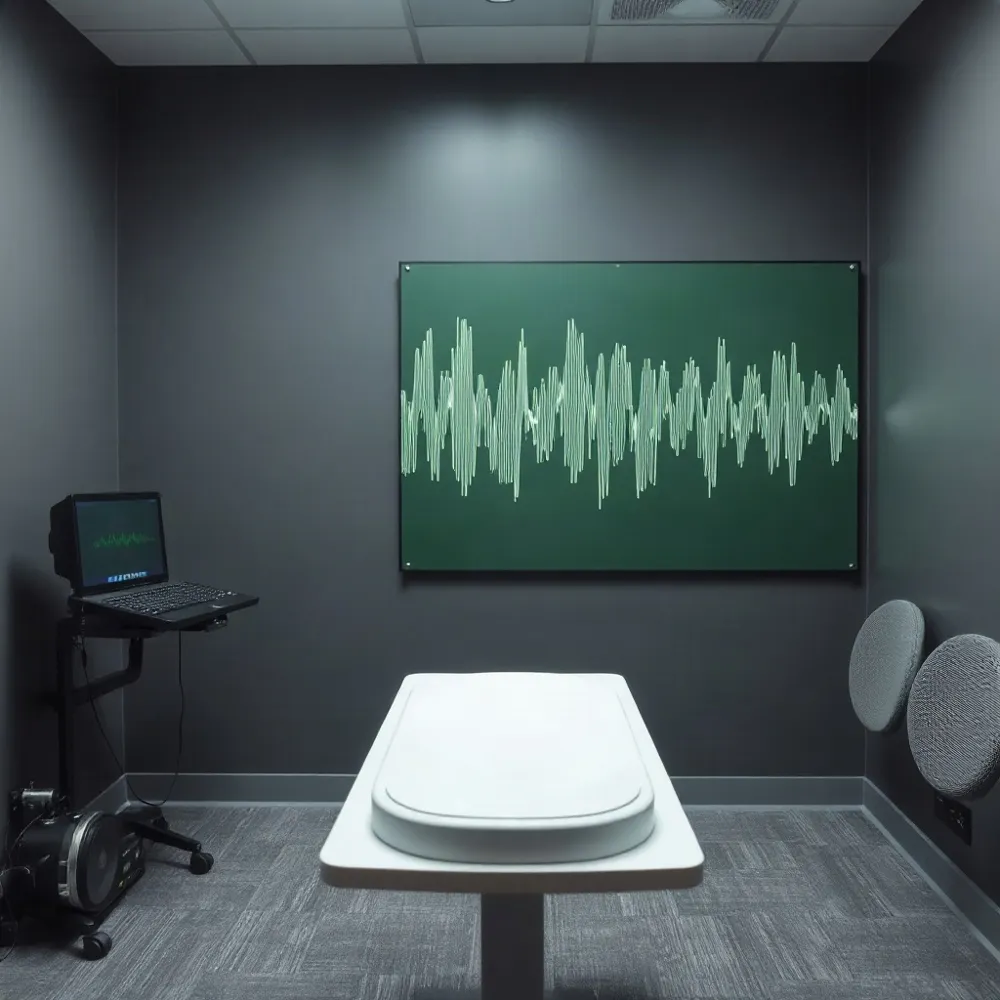
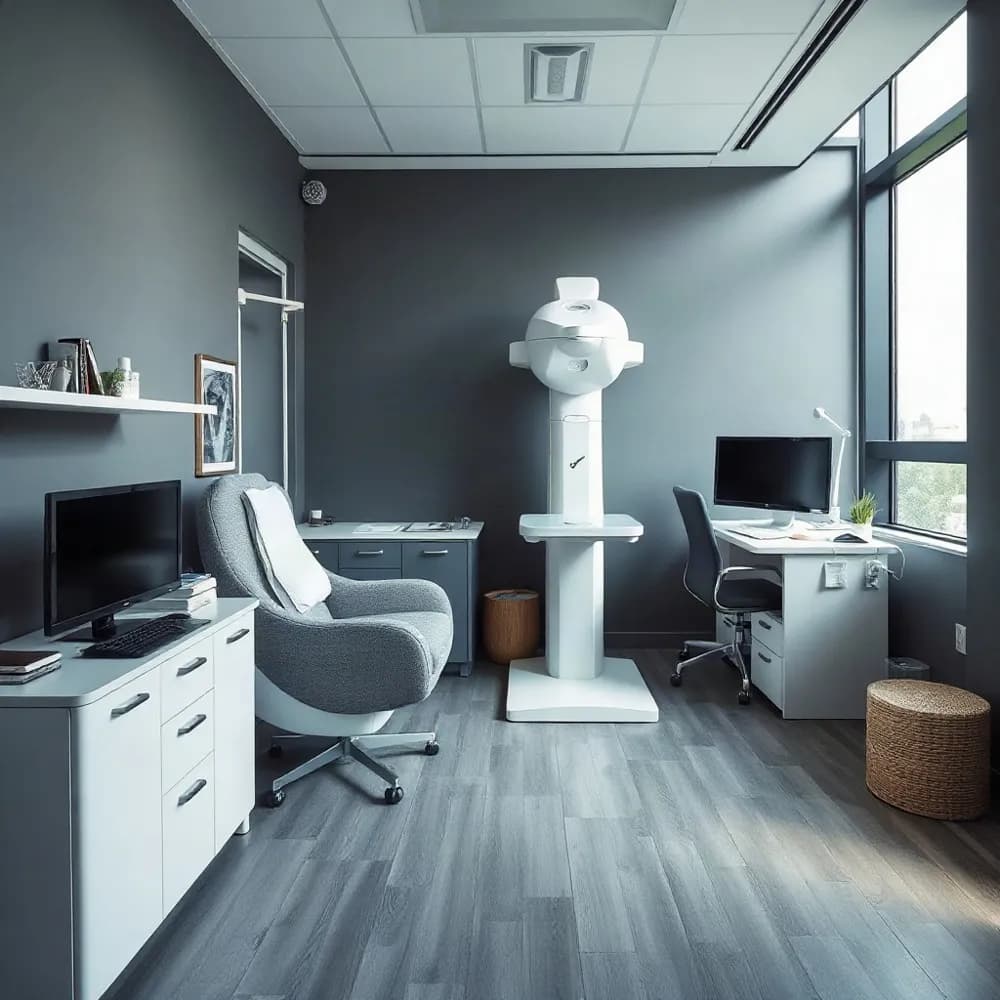
Audiometric testing is the primary method used to evaluate auditory loss in workplace injury cases. This includes pure-tone audiometry, which measures hearing thresholds across various frequencies, and speech recognition tests that assess the ability to understand spoken words. Testing can be conducted in different environments such as in-house clinics, mobile testing units, or off-site facilities. Qualified professionals like audiologists or certified technicians typically oversee these procedures using calibrated equipment like audiometers and otoscopes.
Occupational safety standards, including OSHA regulations, mandate baseline audiometric testing within six months of initial noise exposure, followed by annual assessments to detect any shifts in hearing thresholds. If significant hearing loss is identified, follow-up evaluations and interventions may be necessary. Additionally, comprehensive assessments include reviewing the employee's noise exposure history and medical records to establish the relationship between workplace conditions and auditory impairment.
How can expert assessments support legal and insurance claims involving workplace auditory injuries?
Expert assessments are integral to substantiating legal and insurance claims for workplace auditory injuries. Qualified medical experts, such as licensed and board-certified physicians specializing in otolaryngology or occupational medicine, perform thorough evaluations to determine the extent and causation of hearing loss. These experts ensure their findings align with accepted medical standards and evidence-based practice, lending credibility to their testimony.
Their impartial and well-documented opinions help clarify complex medical issues for legal professionals and judges. By objectively analyzing audiometric data, reviewing workplace noise exposure, and referencing relevant medical literature, experts can establish a causal link between occupational noise and auditory impairment. This evidence aids in quantifying injury severity, supports the legitimacy of workers' compensation or insurance claims, and can withstand scrutiny during cross-examination. For more on expert testimony, see Expert witnesses in workers' compensation.
Expert qualifications and standards in medical evaluations
Experts involved in auditory loss cases must possess valid medical licenses, specialized board certifications, and current clinical experience. They should be familiar with relevant guidelines and literature surrounding occupational auditory injuries. Effective preparation for testimony includes understanding deposition procedures, maintaining professionalism under intense questioning, and thoroughly reviewing all case materials such as medical records, audiometric tests, and workplace safety reports.
By adhering to rigorous standards in evaluation and testimony, medical experts provide essential support that enhances the accuracy and reliability of workplace injury adjudications related to auditory loss.
Effective Preparation of Expert Witnesses for Depositions and Testimony

Early and Tailored Preparation Based on Expert Experience
Preparing retained-expert witnesses should begin early in the case timeline rather than at the last minute. This ensures they are fully ready to provide persuasive testimony. The amount of time needed for expert preparation varies significantly depending on the expert’s experience level and the case complexity. Experienced experts may require less time, whereas novices need more comprehensive coaching.
Review of Prior Deposition Performance
Reviewing expert deposition transcripts of previous depositions conducted by the expert can help identify strengths and weaknesses in handling difficult questions. This review enables targeted preparation to improve clarity in explaining opinions and to anticipate challenging lines of questioning.
Familiarity with Legal Standards and Deposition Procedures
Experts must thoroughly understand deposition procedures, the California discovery scope, and legal standards for expert opinions—especially those related to workplace injury and workers’ compensation. Mastery of these areas ensures their opinions are grounded in applicable law and medical certainty, enhancing credibility.
Handling Opposing Counsel and Maintaining Professionalism
It is essential to train experts on how to respond effectively to opposing counsel tactics during deposition. Maintaining professionalism in deposition, composure, and clarity under pressure strengthens their impact and avoids testimony that could damage the case.
Document and Evidence Review to Enhance Readiness
Providing experts relevant documents, including medical records, reports, and literature prior to deposition, ensures they are well-informed. A thorough review of these materials allows experts to confidently address key facts and dates for experts and main issues, fostering credible and authoritative testimony.
Roles of Various Expert Witnesses in Workplace Injury Litigation
What is the role of medical experts in causation and treatment testimony?
Medical experts play a pivotal role in workplace injury litigation by establishing the nature, extent, and causation of injuries. Their testimony must be founded on a reasonable degree of medical certainty to be credible. Treating physicians typically support claims by stating unequivocally that work caused or contributed to the injury. They review reports from Independent Medical Examinations (IMEs) and continue treatment to fortify the worker’s claim. Since treating physicians have ongoing familiarity with the patient, their opinions usually carry more weight before judges compared to IME doctors who evaluate the patient once.
How do occupational experts contribute through functional capacity evaluations?
Occupational expert witnesses specialize in vocational rehabilitation and workplace conditions. They assess an injured worker’s ability to perform their job by reviewing medical records and conducting functional capacity evaluations. They determine if the worker can return to their previous role or if alternative employment or accommodations are necessary. Moreover, they help estimate wage loss and potential future income reductions, informing fair compensation decisions. Their testimony clarifies the injury’s impact on employment and earning capacity, often including vocational rehabilitation recommendations such as retraining and transferable skills analysis.
What is the role of economic and technical experts in assessing financial and safety aspects?
Economic experts evaluate the financial consequences of workplace injuries, including lost wages and benefits, thereby strengthening damage claims. Technical experts—such as safety engineers and biomechanical specialists—provide detailed analyses of workplace safety, accident causation, and employer negligence. Their expertise can demonstrate employer responsibility in failing to adhere to safety protocols, which is crucial in both compensation and liability assessments. Together, these experts offer a broad perspective, combining economic impact with technical causation evidence.
How do Independent Medical Examinations (IME) influence litigation, and what strategies exist for cross-examination?
Employers often request Independent Medical Examinations (IME) conducted by physicians they select to assess an injury’s validity and extent. While IMEs can impact benefits and case outcomes, cross-examination of these doctors is essential to challenge their credibility. Strategies include questioning the IME doctor’s qualifications, thoroughness of examination, potential bias, and independence. This approach helps to emphasize the treating physician’s ongoing care and strengthens the injured worker’s case by exposing weaknesses in the IME report.
Insurance Company Evaluation of Auditory Injury Claims and Expert Contributions
How do insurance companies evaluate claims related to workplace auditory loss?
Insurance companies approach auditory injury claims with a multifaceted evaluation process that integrates medical, audiometric, and legal considerations. The initial step involves comprehensive medical assessments, including detailed audiograms performed by qualified audiologists. These tests objectively quantify the degree and pattern of hearing loss.
Supplementing these data, expert witnesses—often medical doctors specializing in otolaryngology or occupational medicine provide opinions on causation, determining whether the hearing loss is directly attributable to workplace noise or other occupational exposures. Insurers also review historical records documenting the claimant’s exposure to hazardous noise levels in their work environment.
Assessment criteria used by insurance companies
- Medical and Audiometric Evidence: Objective audiometric results, medical diagnoses, and expert evaluations.
- Exposure Documentation: Proof of noise or hazardous auditory conditions tied to employment.
- Symptom Impact: Consideration of functional limitations reported by the claimant, such as difficulty communicating or safety concerns.
- ADA Disability Standards: Application of Americans with Disabilities Act guidelines to assess disability level and eligibility for protections or accommodations.
Integration of medical and audiometric data
Insurers meticulously combine audiometric findings with clinical expert interpretations. This comprehensive analysis helps differentiate between noise-induced hearing loss and losses due to other causes such as aging or medical conditions. Expert witnesses assist in clarifying these distinctions, ensuring an accurate causation link essential for legitimate claim processing.
Consideration of ADA disability standards
The ADA recognizes various degrees of hearing impairment as disabilities warranting legal protections. Insurance evaluators factor these standards into their reviews to identify the severity of auditory loss and determine if workplace accommodations or modifications are necessary and feasible.
Expert witness influence on insurance claim legitimacy and decisions
Experts wield significant influence by:
- Validating causal connections between workplace environment and hearing loss.
- Interpreting complex medical and occupational data for legal clarity.
- Addressing questions on the permanency and impact of the impairment.
- Maintaining professionalism in deposition
- Providing experts relevant documents
- Understanding deposition procedures
Their testimony and reports can substantively enhance the credibility of claims or, conversely, provide grounds for challenge. Consequently, well-prepared expert witnesses trained in legal processes and familiar with relevant standards contribute to sound, evidence-based insurance determinations.
| Aspect | Description | Role of Expert Witnesses |
|---|---|---|
| Medical Assessment | Audiograms, clinical evaluation | Clarify diagnosis and causation |
| Exposure Verification | Documentation of workplace noise levels | Corroborate injury origin |
| ADA Compliance | Application of disability criteria | Advise on disability status and accommodations |
| Legal and Procedural Expertise | Familiarity with deposition and testimony standards | Support persuasive, credible testimony |
Summary and Best Practices for Expert Witness Success in Workplace Injury Cases
Expert witness preparation is essential for credible and effective testimony.
Starting early with thorough familiarization of case facts, relevant documents, and legal standards ensures experts are ready to articulate opinions with clarity and confidence.
Medical experts, occupational specialists, and technical witnesses must demonstrate expertise grounded in evidence and medical or scientific certainty to influence legal outcomes positively.
Cross-examination readiness and understanding opposing counsel tactics further strengthen the witness's presentation.
Effective expert testimony significantly impacts workers' compensation decisions, insurance claims, and non-subscriber injury lawsuits by establishing injury causation, extent, and employer liability.
Ongoing education and diligent case review empower experts to provide persuasive testimony that supports fair compensation and upholds workplace safety standards.
Consistent expert witness preparedness and specialization remain foundational to successful legal resolutions in workplace injury cases.