Introduction to Evaluating Workplace Injuries
Definition and Significance of Workplace Injuries
Workplace injuries are abnormal conditions or disorders resulting from events or exposures in the work environment that cause or significantly aggravate harm to employees. These conditions may include cuts, fractures, respiratory illnesses, musculoskeletal disorders, and more. Understanding workplace injuries is crucial, given their impact on employee health, safety, and the broader economic consequences, including medical costs and loss of productivity.
Purpose of Accurate Injury Evaluation
Accurate evaluation of workplace injuries aims to establish the relationship between the injury and work activities. This ensures appropriate medical care, facilitates legal and workers' compensation claims, and guides prevention strategies. Proper assessment minimizes downtime, supports employee recovery, and helps employers identify and control hazards.
Brief Overview of Injury Types and Causes
Common workplace injuries encompass sprains, strains, fractures, burns, repetitive stress injuries, and injuries from slips, trips, and falls. Major causes include exposures to harmful substances, overexertion, physical violence, motor vehicle incidents, and contact with hazardous equipment or materials. Injury evaluation protocols consider these factors alongside employee history and workplace conditions to ensure comprehensive understanding and management of each case.
Defining Work-Related Injuries and Illnesses

What constitutes a work-related injury or illness according to OSHA?
[OSHA work-related injuries definition] as an abnormal condition or disorder caused or significantly aggravated by events or exposures that occur within the definition of work environment by OSHA]. This broad definition includes injuries resulting from accidents, repetitive motions, or Exposure to harmful substances or environments]. It covers illnesses that develop due to conditions present where employees perform or engage in work-related activities, thus highlighting the direct link between the workplace and the injury or illness.
How is the work environment defined and why is it important?
The [Work environment definition] as the physical location where work is carried out and where employees are involved in their job-related tasks. Identifying whether an injury or illness occurred within this environment is critical for determining work-relatedness. This classification affects eligibility for Workers' Compensation Benefits] and influences legal and insurance claims, making precise understanding of the environment essential.
What are common types and causes of workplace injuries?
[Occupational injuries overview] encompass a range of physical and health conditions. Common types include burn injuries in work environments], back injuries related to work], bone fractures at the workplace], respiratory illnesses caused by work], [Noise-induced hearing loss], repetitive strain injuries occupational], [Cuts at work], and musculoskeletal disorders and work]. Frequently reported causes involve Slips, trips, and falls in occupational settings], Motor vehicle crashes in occupational injuries] occurring during work, Workplace violence injuries], and exposure to hazardous substances exposure at work] such as ammonia, asbestos, formaldehyde, and other chemicals. Repetitive motions and ergonomic factors also significantly contribute to work-related ailments.
Legal implications of injury classification
Classification of an injury or illness as work-related carries substantial legal implications. Employees are advised to report injuries promptly, often within a stipulated period such as 30 days, to secure Workers' Compensation Benefits]. Timely and accurate injury classification helps protect employee rights and facilitates appropriate medical treatment and compensation. Legal counsel is often recommended to ensure proper filing and to navigate complexities linked to workers' compensation claims and potential civil actions.
Common Workplace Injury Types and Their Characteristics
Which body parts and injury types are most commonly affected in workplace injuries?
Workplace injuries commonly affect the upper extremities, including hands and shoulders, as well as the back, spine, head, and eyes. Frequent injury types include sprains, strains, fractures, cuts, and repetitive stress injuries such as carpal tunnel syndrome and rotator cuff injuries. Musculoskeletal disorders are prevalent, particularly involving the shoulder, back, and neck. Noise-induced hearing loss also represents a significant occupational injury, affecting about 15% of workers exposed to hazardous noise levels. Occupational injuries overview
What role does exposure to hazardous substances play in workplace injuries?
Exposure to hazardous substances plays a major role in workplace injuries, especially those causing illnesses. Harmful exposures to chemicals like ammonia, asbestos, cadmium, formaldehyde, gasoline exhaust, mercury, and volatile organic compounds (VOCs) can lead to respiratory diseases, chemical burns, and other long-term health issues. In recent years, exposure to harmful substances or environments has become the leading cause of work-related injuries involving days away from work, surpassing traditional causes such as overexertion and slips or falls.
Types of injuries based on occupational hazards
Occupational injury types vary depending on specific hazards present in the work environment:
- Physical trauma: Falls, slips, trips, and motor vehicle crashes frequently cause fractures, contusions, and sprains. Common workplace accidents
- Repetitive motion injuries: Tasks involving prolonged or repetitive actions cause tendonitis, carpal tunnel syndrome, and other musculoskeletal disorders. Repetitive strain injuries occupational
- Chemical and toxic exposure: Inhalation or skin contact with hazardous chemicals can cause burns, respiratory illnesses, and systemic toxicity. Hazardous substances exposure at work
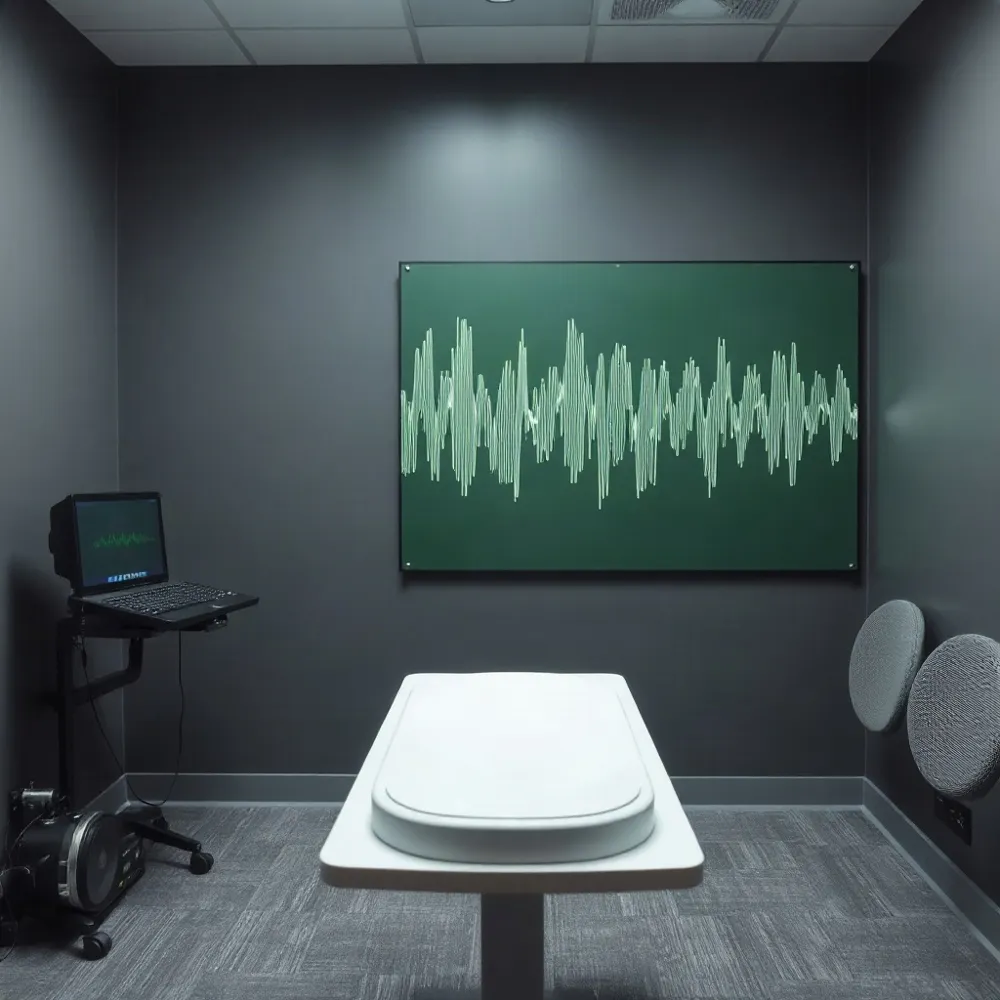
- Noise exposure: Excessive noise levels contribute to permanent hearing loss. Noise-induced hearing loss in workers
- Workplace violence: Physical assaults may cause acute injuries and chronic psychological effects. Physical violence in workplace injuries
Emerging injury trends such as exposure-related illnesses
Recent data show a rise in injuries linked to harmful substance exposure, including biological and chemical agents. The COVID-19 pandemic heightened awareness of infectious disease risks in workplace environments. Additionally, increasing recognition of repetitive strain injuries and ergonomic-related musculoskeletal disorders underscores the sustained impact of modern work demands. These injury types require targeted prevention strategies such as hazard identification, use of personal protective equipment, workplace engineering controls, and health monitoring to mitigate risks effectively.
Hazard Identification and Assessment: Foundations of Accurate Injury Evaluation

Why is hazard identification critical in evaluating workplace injuries?
Effective Hazard Identification and Assessment is foundational to preventing common workplace accidents and conducting accurate Workplace Injury Management. It involves actively recognizing Hazard Identification and Assessment that could cause injury or aggravate existing health issues. This process requires continuous data gathering from diverse sources such as Equipment manual safety guidelines, Safety data sheets information (SDS), previous inspection reports, documented injury and medical records, and direct input from workers. By integrating this information, occupational safety professionals can characterize definition of work environment by OSHA and prioritize Hazard Identification and Assessment. Understanding these hazards not only supports injury prevention but also provides essential context for causality assessments in injury investigations and workers’ compensation claims.
What processes and tools support hazard assessment and control?
Hazard assessment integrates a range of systematic processes and tools to identify, evaluate, and control workplace risks effectively. Regular and thorough Workplace Hazard Identification are vital, often conducted with checklists to ensure comprehensive coverage of potential Chemical, Physical, and Biological Hazards. Workplace accident analysis delve into injuries and near-misses to uncover root causes rather than just immediate triggers. Techniques such as Air Sampling for Hazard Detection and medical record analysis are utilized particularly for health hazard evaluation.
Evaluating Hazard Severity and Likelihood form the basis for risk prioritization; hazards are evaluated based on their potential to cause harm and the frequency of worker exposure. Implementing Interim Hazard Controls may be instituted immediately to reduce risk while permanent solutions are developed. Overall, these processes enable organizations to implement targeted interventions, prevent injury recurrence, and continuously improve workplace safety management systems.
Investigating Workplace Injuries: Methods and Best Practices

What are the key steps in workplace injury investigations?
Workplace injury investigations are systematic processes designed to identify the causes, contributing factors, and prevention opportunities for incidents. The investigation begins by assigning qualified, trained investigators and developing a clear, written plan outlining investigation protocols. For detailed guidance, see Workplace Accident Analysis and Investigation.
Investigators promptly collect comprehensive data, including witness statements, physical evidence, photographs, and relevant documentation. This early data capture ensures accuracy before details are lost.
Analysis involves distinguishing immediate causes—such as unsafe acts or equipment failures—from underlying root causes like inadequate training or safety culture deficiencies. The investigation culminates in actionable corrective actions aimed at eliminating hazards and preventing recurrence. For more on analytical methods, review Principles of Injury Investigation.
Timeliness and thoroughness in documenting the investigation enhance its value for both prevention and legal compliance.
How do legal and reporting requirements influence injury evaluation?
Legal frameworks and reporting mandates significantly shape the evaluation and handling of workplace injuries. Employers must comply with OSHA reporting timelines, notifying authorities within 24 hours for severe injuries or amputations and within 8 hours for fatalities. Learn more at Workplace Injury Reporting Best Practices and OSHA reporting compliance in Michigan.
Accurate and detailed documentation—such as incident reports, medical evaluations, and witness accounts—supports Workers' Compensation Benefits claims and potential litigation by establishing causation and context. See Workplace Injury Management and OSHA work-related injuries definition.
Employers are encouraged to implement injury hotlines for prompt reporting and educate employees and supervisors on their roles in reporting and recording injuries.
Adhering to these legal protocols protects employee rights, ensures proper insurance processing, and underscores a workplace safety culture. Further information about OSHA worker rights and safety standards may be helpful.
Role of Supervisors and Investigators
Supervisors are often pivotal in injury investigations due to their intimate knowledge of work environments and personnel. They collaborate with designated investigators to gather information, analyze hazards, and implement corrective measures. More about the Role of Supervisors in Injury Analysis can be found in the OSHA guide.
Data Collection and Analysis Techniques
Effective investigations employ methods like scene examination, interviews, medical record reviews, and review of safety data sheets. Root cause analysis and risk assessment tools help prioritize corrective actions. For more details, see Hazard Identification and Assessment.
Reporting and Documentation Practices
Comprehensive records include detailed incident descriptions, timelines, witness statements, photographic evidence, and follow-up actions. These documents aid injury tracking, regulatory compliance, and continuous improvement efforts. Additional resources are available on Workplace Injury Reporting Best Practices and Workplace Injury Management.
Managing and Classifying Different Injury Types for Effective Outcomes
How does injury classification affect workers' compensation and management?
Injury classification plays a crucial role in determining eligibility for Workers' Compensation Benefits. Properly categorizing an injury — such as sprains, fractures, amputations, or repetitive strain injuries — helps establish a direct causal link between the injury and work environment and injuries. Injuries occurring within the scope of employment typically qualify for compensation, whereas self-inflicted or off-duty injuries often do not.
This classification also guides medical evaluation and rehabilitation plans. Clear identification of injury type allows healthcare providers to tailor treatment approaches, improving recovery efficiency and effectiveness. It facilitates communication among employers, medical professionals, and insurers, streamlining claims processing and minimizing disputes.
What is the significance of timely and personalized injury management?
Workplace Injury Management begins with prompt triage and immediate medical evaluation, often through onsite clinics or nurse lines. Quick and accurate documentation, including detailed records and supportive evidence like photographs and witness statements, ensures compliance and strengthens claim validity.
Personalized return-to-work strategies are integral to minimizing downtime and safeguarding employee well-being. By considering individual injury characteristics and job-specific demands, these plans promote safe reintegration and reduce the risk of re-injury.
Expert assessments become especially important when dealing with complex injuries such as auditory loss, repetitive strain injuries, or chemical exposure effects. These evaluations provide objective evidence for legal and insurance claims, facilitating appropriate compensation and optimal treatment paths.
Challenges with complex injuries such as auditory loss and repetitive strain
Conditions like Noise-induced Hearing Loss and repetitive strain injuries often develop gradually and may involve multifactorial causes, complicating diagnosis and causality determination. Thorough occupational histories, exposure assessments, and specialized medical tests are vital in these cases.
Accurate classification and expert evaluation not only support compensation claims but also guide preventive strategies to reduce future occurrences.
Role of expert assessments in legal and insurance contexts
Expert witness evaluations provide critical insights by objectively analyzing injury causation, severity, and work-relatedness. Their expertise assists in resolving disputes, validating claims, and ensuring fair compensation. Comprehensive documentation and evidence-based opinions strengthen legal cases and insurance reviews, promoting transparent and just outcomes.
| Topic | Importance | Key Details |
|---|---|---|
| Injury Classification | Determines compensation and treatment | Sprains, fractures, repetitive strains covered |
| Timely Injury Management | Enhances recovery, reduces costs | Immediate triage, documentation, proper care (Workplace Injury Management) |
| Complex Injuries | Require specialized evaluation | Auditory loss, repetitive strain challenges (Noise-induced Hearing Loss |
| Expert Assessments | Support legal and insurance claims | Objective causality and severity assessments (Role of Expert Witnesses) |
Addressing Injury Underreporting and Improving Data for Better Evaluation

What are the challenges with workplace injury reporting?
Employer compliance with OSHA's workplace injury reporting requirements is often incomplete. Research indicates that up to 60% of workplace injuries may go unreported, particularly within small companies and certain industry sectors such as agriculture, construction, finance, and services. For example, compliance rates are notably higher in larger firms and manufacturing but remain low among businesses employing fewer than 10 workers. This underreporting severely restricts the accuracy of OSHA injury data, which is critical for effective injury evaluation and the development of targeted prevention strategies. Additionally, uncorrected hazards identified after injury investigations highlight ongoing risks that may not be adequately addressed due to insufficient reporting. For more on this topic, see OSHA reporting compliance in Michigan.
How can reporting compliance and data quality be improved?
Improving reporting compliance hinges on a multipronged approach involving enhanced education for employers and employees about reporting obligations and benefits. Enforcement of OSHA regulations, including penalties for noncompliance, reinforces the importance of accurate reporting. Cross-referencing injury reports with hospital data and implementing capture-recapture analyses help identify underreported cases and improve surveillance. Encouraging a workplace culture of transparency and safety engagement motivates more accurate and timely incident reporting. The public availability of OSHA injury data also serves as a benchmarking tool, incentivizing employers to adopt stronger injury prevention measures. Training managers and supervisors in OSHA and workers' compensation protocols further fosters a climate conducive to reporting, ultimately enhancing data quality and utility for injury prevention. Additional resources on Workplace Injury Reporting Best Practices provide further strategies to boost compliance.
Utilization of OSHA injury data in prevention and benchmarking
OSHA injury datasets, such as fatality reports, severe injury logs, and injury tracking applications, provide granular information on injury characteristics and causation. Despite limitations from underreporting, these data remain invaluable for identifying high-risk industries, common injury types, and emerging hazards. Employers and safety professionals leverage this information to design targeted safety programs, benchmark organizational performance against peers, and drive continuous improvement in workplace safety management. Improved injury data quality creates stronger evidence to support resource allocation, regulatory policy formation, and focused prevention efforts, ultimately reducing the incidence and severity of occupational injuries. Learn more about injury data and workplace safety.
Conclusions on Accurate Evaluation of Workplace Injuries
Importance of Accurate Evaluation
Reliable evaluation of workplace injuries is essential to ensure appropriate medical care, legal claims, and effective prevention strategies. Integral to this process is confirming that the injury or illness is truly work-related, involving events or exposures in the work environment.
Integration of Hazard Identification, Investigation, and Reporting
A comprehensive approach combining proactive hazard identification, systematic injury investigation, and prompt, detailed reporting enables employers and safety professionals to address root causes and reduce recurrence. This process involves reviewing safety data, conducting workplace inspections, collecting witness testimony, and documenting incidents thoroughly.
Benefits of Expert Assessments
Expert evaluations provide critical insights into injury causation and severity, assisting in accurate workers' compensation claims and legal proceedings. They improve workplace safety culture by informing tailored return-to-work plans and facilitating corrective actions targeting specific hazards.
Future Directions
Enhancing data quality through better compliance with reporting regulations and hospital cooperation is vital. Continuous improvement in injury surveillance, integration of advanced analytics, and adoption of innovative prevention tactics will further reduce injury rates and improve outcomes for workers, employers, and communities alike.