Why Timelines Matter in DBA Claims
The Defense Base Act (DBA) guarantees workers‑compensation‑type benefits—full medical care, wage replacement (typically two‑thirds of the average weekly wage), rehabilitation, and death benefits—to U.S. civilians employed by defense contractors overseas. These benefits are only available if the claimant adheres to strict statutory deadlines. First, injury must be reported to the employer in writing within 30 days (or within 30 days of becoming aware of a work‑related condition). Then, a formal claim (Form LS‑203) must be filed with the Office of Workers’ Compensation Programs (or the Division of Longshore and Harbor Workers’ Compensation) within one year of the injury (or of the last benefit payment); occupational diseases may receive a two‑year window. Missing any deadline can bar recovery, give insurers leverage to deny or limit benefits, and force the claimant into costly waivers. Early involvement of experienced DBA attorneys ensures deadlines are met, gathers essential medical and occupational expert opinions, and preserves evidence. Expert medical evaluations—often provided by specialists such as NorCal Medical Consulting—establish the causal nexus required for a successful claim and strengthen settlement negotiations.
Filing the DBA Claim: Step‑by‑Step Process
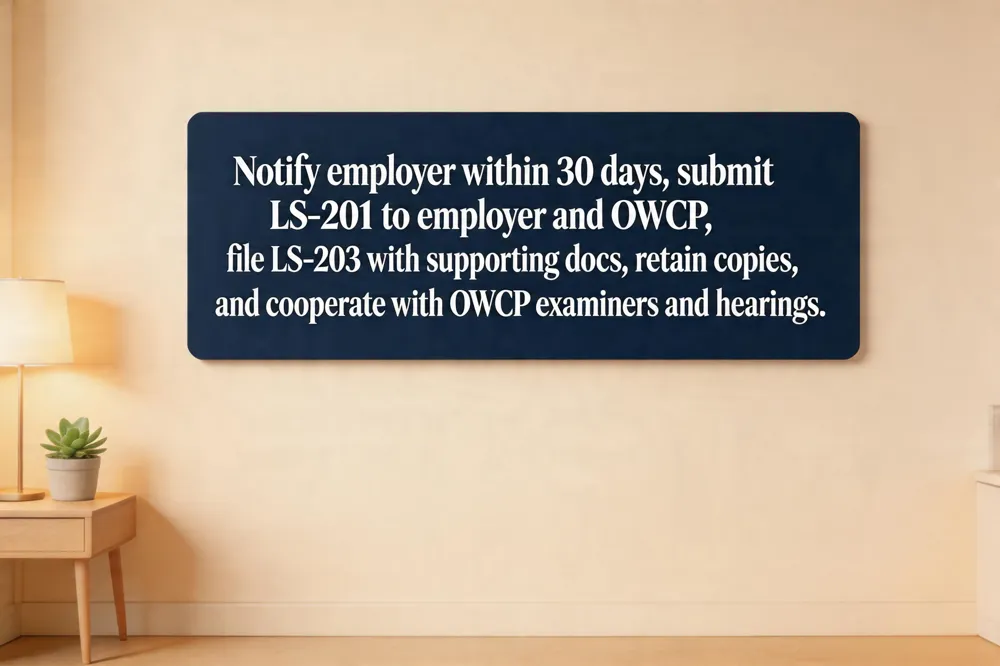 The Defense Base Act (DBA) claim begins with a written injury notice to the employer within 30 days. The employee files Form LS‑201 (Notice of Injury or Death) and the employer forwards it to the Office of Workers’ Compensation Programs (OWCP) within 10 days. The claimant then submits Form LS‑203 (Claim for Compensation) to the OWCP, attaching medical records, payroll statements, incident reports, and proof of DBA insurance. The OWCP assigns a claim number and reviews the packet; once approved, the employer’s insurance carrier processes benefits, typically beginning within two to four weeks.
Statutory deadline: a DBA claim must be filed within one year of the injury (or two years for occupational diseases) using LS‑203; missing this deadline can bar recovery.
How to file: (1) notify employer promptly, (2) submit LS‑201 to employer and OWCP, (3) complete LS‑203 with supporting evidence, (4) retain copies and consider a DBA‑experienced attorney, and (5) cooperate with OWCP examiners and any required hearings.
Should Before and What You Can Do If You Miss a Deadline
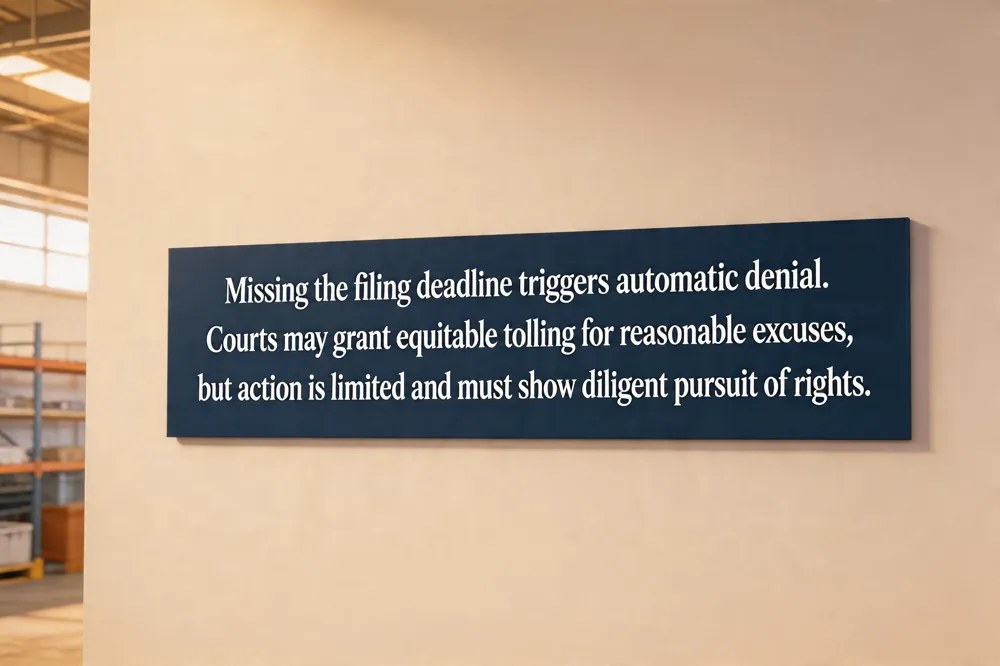 Missing the Defense Base Act (DBA) filing deadline almost always triggers an automatic denial by the insurer or the Office of Workers’ Compensation Programs (OWCP), and the claimant loses the statutory right to benefits. In many jurisdictions the denial also bars any related lawsuit because the statute of limitations expires simultaneously. Courts may, at their discretion, grant "leave" for a late filing if the claimant can prove a reasonable excuse, that the employer or insurer already had actual knowledge of the injury, and that the delay did not substantially prejudice the defense. This equitable tolling relief is limited and unavailable once the underlying limitations period has run, so swift action and counsel are essential.
Equitable tolling and statutory extensions can sometimes rescue a claim. If the claimant shows diligent pursuit of rights and extraordinary circumstances—such as the employer’s failure to post required notices or a medical condition that prevented timely filing—a court may apply equitable tolling. In California, a workers’ compensation claim can be reopened within five years of injury. A Petition to Reopen must demonstrate a material change in medical condition (e.g., worsening hearing loss) or newly discovered evidence linking the injury to employment, and it must be supported by a qualified medical opinion. If these criteria are met, the claim may be reinstated even after four years of inactivity.
Monitoring Your Claim and the Path to Settlement
 How can I check the status of a Defense Base Act claim?
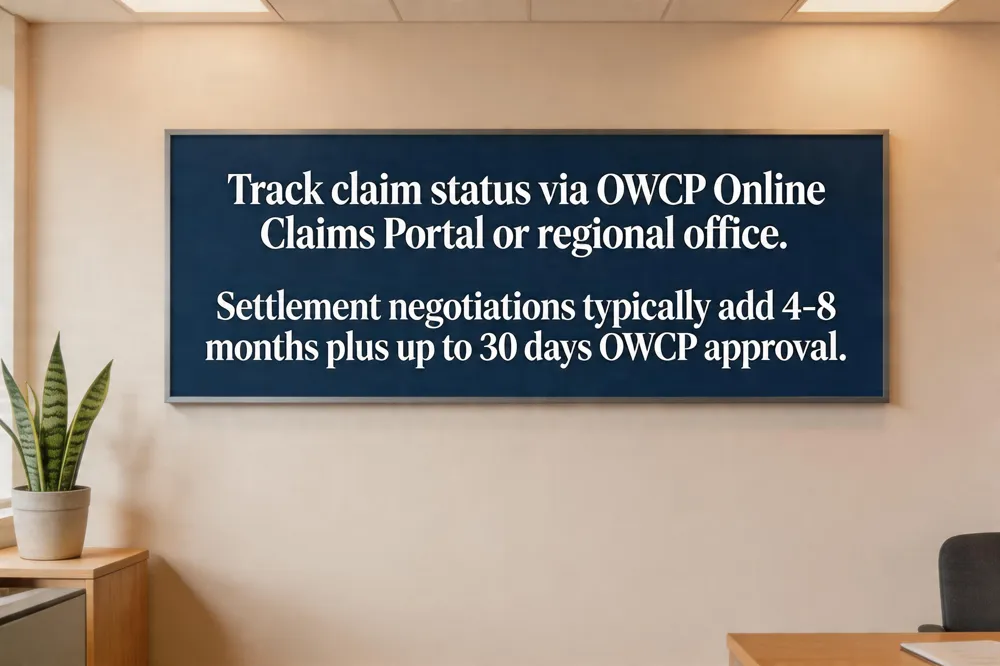
You can monitor a Defense Base Act claim by logging into the OWCP Online Claims Portal with your claim number and credentials. If you prefer not to use the portal, call or email the OWCP regional office handling your case—contact details are on the OWCP website. You may also request an update from your employer’s claims administrator or the insurer’s claims representative. Have your claim identification number ready, and use secure communication (portal, phone, or fax) because OWCP staff will not discuss claim information via unsecured email.
How long does it usually take to settle a DBA claim after negotiation?
Once a settlement number is agreed upon, the insurer’s attorneys draft a 10‑15‑page application, which undergoes a second attorney review, adjuster approval, and the claimant’s attorney sign‑off. This paperwork‑heavy phase generally adds four to eight months. After the claimant signs, the insurer issues the check and files the settlement with the OWCP, which has up to 30 days to approve it. Any objections can further extend the timeline.
What are the statutes of limitations for filing personal injury compensation claims in the U.S.?
State statutes of limitations for personal‑injury claims range from one to three years after the injury or discovery date. Workers‑compensation deadlines are often shorter; for example, Texas requires filing within one year of the accident and injury reporting to the employer within 30 days. The “discovery rule” may extend the period if the injury was not immediately apparent, but the clock stops when the plaintiff knows—or should know—of the harm. Courts may grant equitable tolls for minority, mental incapacity, or fraudulent concealment. Prompt legal consultation is essential to preserve rights.
What DBA Insurance Actually Covers
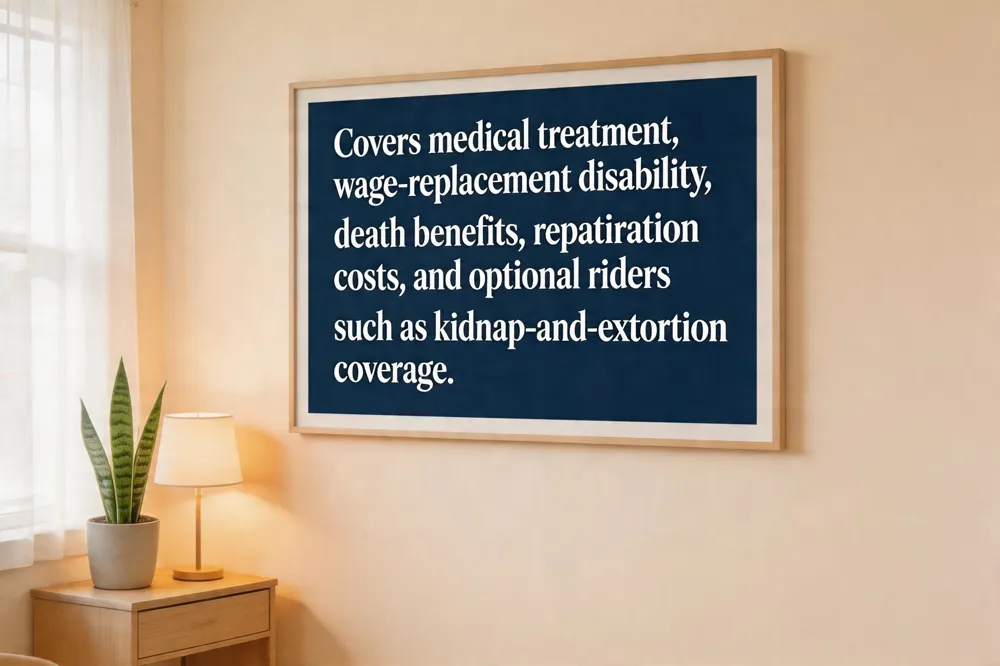 Defense Base Act (DBA) insurance provides a comprehensive, workers‑compensation safety net for U.S. civilian contractors and subcontractors operating overseas.
Medical treatment and rehabilitation – All necessary medical care, surgery, medication, physical therapy, and long‑term rehabilitation for work‑related injuries or occupational illnesses are covered.
Wage replacement and disability benefits – Temporary total disability (TTD) payments begin within two weeks of the injury, calculated at roughly two‑thirds of the employee’s average weekly wage. Permanent total or partial disability benefits continue until the claimant can return to gainful employment.
Death benefits and optional riders – Surviving spouses, children and other dependents receive two‑thirds of the deceased’s average weekly wage, plus statutory funeral expense allowances. Optional riders may add kidnap‑and‑extortion or accidental death and dismemberment coverage.
Indemnity for loss of income and repatriation – The policy can reimburse lost earnings during repatriation, cover travel and relocation costs to the United States, and provide additional indemnity for income disruption.
What does Defense Base Act insurance cover? DBA insurance supplies medical treatment, wage‑replacement disability payments, death benefits, and ancillary indemnities such as repatriation and optional riders, administered by the DOJ’s Office of Workers’ Compensation Programs.
What is a Defense Base Act (DBA) claim? It is a formal demand filed by an overseas contractor employee for the Act’s statutory benefits—medical care, wage loss compensation, and survivor benefits—after promptly reporting the injury and filing the required LS‑201 and LS‑203 forms within statutory deadlines.
DBA (Doing Business As) Registrations in Florida and California
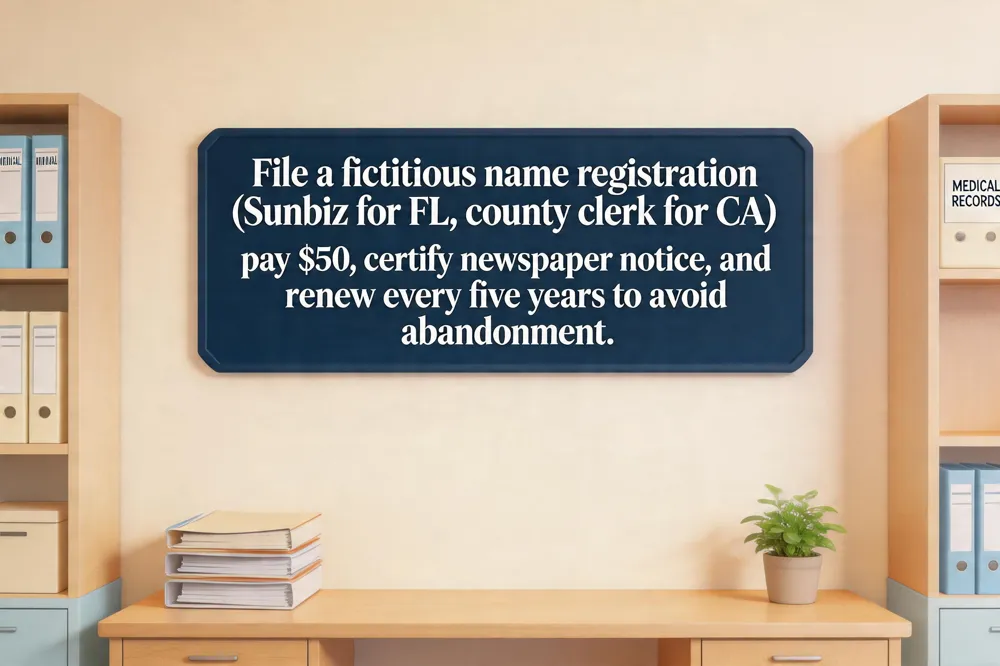 To add a DBA to a Florida LLC, file a Fictitious Name Registration on Sunbiz. Search the name, complete the form, pay $50, certify newspaper notice, and keep the certificate for legal and insurance purposes.
Florida DBA registrations last five years and expire on December 31 of the fifth year. Renew before that date online or by mail for the same $50 fee; otherwise the name is abandoned.
California fictitious business names are also five‑year registrations. After five years they expire unless renewed with the required fee; an expired name must be re‑registered to regain protection.
Same‑day DBA issuance is rare; most jurisdictions take one to four weeks. Some states (e.g., Texas) offer expedited filing for an extra fee, and private services can sometimes achieve 24‑hour turnaround.
Search a DBA on Sunbiz via the Division of Corporations site using the “Fictitious Name Search” tool; review matches and then file the registration using the same online steps.
Advanced Resources and Common Settlement Figures

What is the 42 USC 1651 provision?
42 U.S.C. § 1651 is the statutory foundation of the Defense Base Act. It extends workers‑compensation coverage to U.S. civilians employed under government contracts abroad, applying the Longshore and Harbor Workers’ Compensation Act’s benefits to injuries, illnesses, or deaths that occur on overseas military bases, public‑work projects, or other U.S. government‑financed sites. The provision obligates contractors and subcontractors to secure insurance that pays medical treatment, wage loss, and rehabilitation, and it requires that every foreign‑based contract contain a clause guaranteeing such coverage.
Are there online calculators for estimating DBA settlements?
Yes. Many law‑firm websites and legal‑service platforms now offer free DBA settlement calculators. By entering data such as average weekly wage, injury severity, disability type, and medical expenses, the tools generate a ball‑park weekly benefit or lump‑sum estimate. These calculators are useful for an initial gauge, but they omit statutory caps, cost‑of‑living adjustments, and individualized factors like future medical needs or vocational rehabilitation. Professional attorney review remains essential for accurate valuation.
What are typical settlement amounts for DBA PTSD claims?
Settlement ranges depend on disorder severity, medical documentation, and loss of earning capacity. Mild PTSD often settles between $10,000 and $50,000; moderate cases typically fall in the $100,000‑$200,000 range; severe claims with high disability ratings can exceed $300,000, sometimes reaching $500,000 or more. Most DBA PTSD settlements land somewhere between a few thousand dollars and several hundred thousand dollars, reflecting the unique facts of each claim.
Stay Ahead of Deadlines and Protect Your Rights
The Defense Base Act (DBA) imposes strict timelines that, if missed, can bar recovery. First, report the injury to your employer in writing within 30 days of the incident or as soon as you become aware of its work‑related nature. Prompt notification triggers the employer’s duty to file Form LS‑201 and the insurance carrier’s 10‑day report, preserving eligibility for medical treatment and wage‑loss benefits. Second, secure expert medical evaluations early; physicians—especially those experienced with occupational illnesses, auditory loss, or PTSD—can document the causal nexus required for a successful claim and strengthen settlement negotiations. Third, engage a DBA‑qualified attorney promptly. Attorneys can track filing deadlines (the one‑year claim filing period, two‑year extensions for occupational disease, and 30‑day appeal windows), gather witness statements, and liaise with insurers to avoid costly delays. Utilizing resources such as the OWCP SEAPortal, employer‑provided claim packets, and specialist consultants ensures that all evidence is preserved and submitted on time, positioning you for the maximum entitled benefits.