Understanding the Need for a Holistic Assessment of Workplace Injuries
Overview of Workplace Injury Diversity
Workplace injuries encompass a wide range of conditions, from acute incidents such as cuts, fractures, and falls to chronic issues like repetitive strain injuries and hearing loss caused by prolonged exposure to hazards such as noise or chemicals. OSHA classifies work-related injuries and illnesses as those resulting from sudden events or prolonged exposures in the work environment. These can include musculoskeletal disorders, respiratory diseases, chemical burns, and noise-induced hearing loss.
Importance of Holistic Evaluation Approaches
A holistic assessment method integrates multiple factors—physical, psychological, and environmental—that contribute to an employee's injury or illness. This approach allows for quantifying the true burden of workplace hazards through metrics like the average number of potential lost workdays, facilitating better risk assessment and tailored interventions. Employing this strategy supports early injury recognition, thorough investigation, and effective prevention by considering both immediate and long-term effects on workers. Holistic evaluations also incorporate complementary therapies and lifestyle modifications, acknowledging the mind-body connection vital for recovery.
Introduction to NorCal Medical Consulting's Expertise
NorCal Medical Consulting specializes in providing expert evaluations and comprehensive assessments of work-related injuries. Their approach emphasizes integrating occupational health knowledge with legal and insurance frameworks to support accurate injury classification and claims management. Leveraging evidence-based practices, NorCal Medical Consulting offers detailed injury analyses, recommendations for treatment and rehabilitation, and expert witness services to aid workers and employers in achieving optimal outcomes.
Defining and Categorizing Workplace Injuries and Illnesses
What constitutes a work-related injury or illness?
According to OSHA definition of work-related injuries and illnesses, a work-related injury or illness is an abnormal condition or disorder such as cuts, fractures, sprains, amputations, skin diseases, respiratory disorders, or hearing loss that arises in the work environment. It must be caused or significantly aggravated by specific work-related events or exposures, including accidents, prolonged contact with hazardous substances, or repetitive activities.
Acute vs. chronic workplace injuries
Workplace injuries can be broadly categorized into acute injuries and chronic conditions. Acute injuries result from sudden incidents like falls, machinery accidents, or collisions. Chronic injuries develop gradually over time due to repetitive stress, prolonged exposure to harmful substances, or poor ergonomics—for example, repetitive strain injuries or occupational hearing loss. For more on types and holistic therapies, see Holistic Approach to Work-Related Injuries.
What types of injuries and illnesses are common in workplaces?
Common workplace injuries include strains and sprains, burns, fractures, cuts, and respiratory illnesses. Musculoskeletal disorders such as back injuries are prevalent due to improper lifting or overexertion. Occupational hearing loss from chronic noise exposure is also significant. Chemical exposure leading to skin or respiratory illnesses remains relevant in many industries. For detailed coverage, refer to Common workplace injuries and Occupational safety and health.
Comprehensively understanding and classifying these injuries facilitates proper assessment, reporting, preventive measures, and treatment planning for worker safety and regulatory compliance. See Principles of Injury and Illness Investigation and Workplace Injury Evaluation for guidance on evaluation and management.
Employing a Holistic Multistep Approach to Risk Assessment and Injury Evaluation
How does a holistic multistep approach improve assessment of workplace injuries?
A holistic multistep evaluation of workplace injuries and diseases enhances the evaluation of workplace injuries by integrating multiple types and sources of injury and illness into a comprehensive framework. Central to this method is the use of a unified indicator for lost workdays — the average number of potential lost workdays per worker in a specific working condition. This metric quantitatively captures the quantifying true burden on workers, from acute incidents like fractures or strains to chronic conditions such as repetitive stress injuries or occupational illnesses.
By employing this consistent metric for health and safety risk, the approach enables the aggregation and direct comparison of diverse hazards, facilitating a clearer understanding of overall workplace risks. This supports better-informed decision-making and planning interventions based on risk assessment, helping occupational health professionals prioritize resources and design targeted safety strategies.
Can this method evaluate economic impacts over time?
Yes, the economic impact of occupational risk can be evaluated over time using this holistic approach. Quantifying using lost workdays for risk assessment provides a measurable way to assess the financial burden injuries impose on both workers and employers. By tracking changes in this indicator, organizations and policymakers can observe how risk levels evolve with interventions or changes in workplace conditions.
This economic insight supports justification for investing in safety programs, helps forecast long-term costs related to occupational hazards, and allows benchmarking across industries or countries. The approach's flexibility also enables adapting safety evaluation to different countries, ensuring relevance across various geographic and regulatory environments.
What does the four-step holistic injury assessment process involve?
The process involves:
- Anticipation and recognition of occupational hazards and injuries.
- Evaluation of these risks using the four-step process for risk evaluation and the unified lost days indicator.
- Integration of data covering both injuries and illnesses within the working environment.
- Implementation of controls and interventions guided by risk quantification to reduce overall worker burden.
This structured method promotes continuous improvement by facilitating monitoring and updating of health and safety efforts, reflecting a holistic approach to occupational health and safety.
How are acute and chronic injury types integrated?
The model comprehensively considers both immediate, acute injuries (such as falls and cuts) and longer-term, chronic conditions arising from repeated exposures or ergonomic stresses. By expressing all impacts as potential lost workdays, diverse injury types are lumped into a single metric. This integration allows for holistic evaluation and strategic response rather than fragmented analysis focused on individual injury classes.
Such inclusivity helps organizations address the full spectrum of occupational health challenges, advancing worker safety and productivity universally, consistent with a holistic approach to occupational health and safety and common workplace injuries.
Comprehensive Management Strategies for Multiple Injury Types
What are effective management steps following workplace injuries?
Effective management of workplace injuries begins with prompt injury assessment, typically via on-site clinics or nurse lines, ensuring rapid assessment and building trust in safety protocols. Immediate and thorough documentation is essential, including detailed incident records, photographs, measurements, and witness statements, aligning with OSHA compliance for injuries.
Injured employees should be guided to the appropriate level of medical care, ranging from first aid to urgent or specialized treatment, optimizing recovery outcomes while minimizing healthcare costs. Developing personalized return-to-work plans with input from nurse case managers helps reduce downtime and fosters employee morale during rehabilitation.
A critical component is investigating the incident’s root causes to identify specific hazards or unsafe behaviors. This investigation supports implementing corrective measures such as equipment upgrades, enhanced training, or environmental modifications, thereby preventing recurrence. Open communication about safety hazards and regular audits reinforce a culture committed to continuous risk reduction.
How are holistic therapies integrated into management?
Holistic therapies complement conventional injury management by addressing pain and promoting healing through additional modalities. Techniques including acupuncture, massage therapy, and chiropractic adjustments have demonstrated encouraging outcomes in managing musculoskeletal discomfort and facilitating recovery.
Moreover, attention to nutrition and lifestyle—emphasizing good hydration, balanced diets, and engaging in low-impact activities like swimming or yoga—aids the body's natural healing process. The integration of mind-body approaches such as mindfulness techniques for stress reduction, meditation for mental health, and breathing exercises for recovery reduces stress, supports mental health, and enhances physical recovery.
Incorporating these holistic strategies creates a comprehensive framework that not only heals the physical injury but also supports the overall well-being of the injured worker, ultimately improving outcomes and workplace satisfaction.
Specialized Considerations in Occupational Hearing Loss Evaluation
How is occupational hearing loss assessed and recorded?
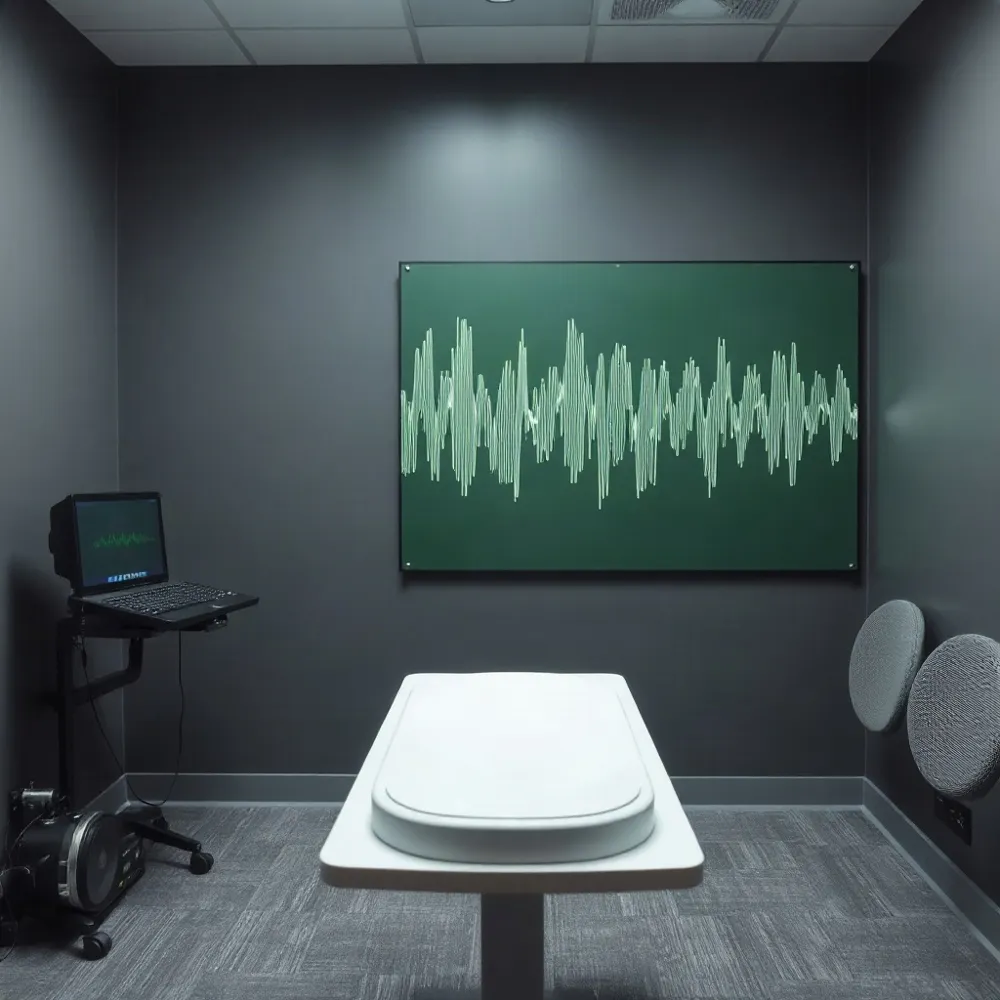
Occupational hearing loss assessment primarily relies on audiometric testing, comparing current audiograms to established baseline audiograms. OSHA mandates recording a Standard Threshold Shift (STS) when an employee's hearing threshold shifts by 10 decibels or more at the frequencies of 2000, 3000, and 4000 Hz in either ear. Additionally, if the total hearing level reaches 25 decibels or more above audiometric zero at these frequencies, it must be recorded as well.
To confirm an STS, retesting within 30 days is necessary. If the shift is confirmed, employers must record the case within seven days. Notably, hearing loss must be determined to be work-related, meaning that workplace noise exposure or related events caused or significantly aggravated the loss. Non-work-related causes verified by a licensed healthcare professional exempt the case from recording.
What is the role of audiologists in hearing loss assessment?
Audiologists play a critical role in evaluating occupational hearing loss. Their responsibilities include reviewing the employee's historical audiometric data and analyzing noise exposure levels alongside hearing protection records. They assess cumulative effects from all sources—occupational and nonoccupational—to ascertain whether the hearing impairment is attributable to workplace conditions.
This expertise is essential for accurate classification of hearing loss under OSHA standards and supports workers' compensation claims by providing objective medical evidence. Audiologists help guide proper recordkeeping and ensure compliance with regulatory requirements.
Challenges in claims and hearing conservation program roles
Establishing a clear connection between workplace noise exposure and hearing loss can be complex due to factors like pre-existing conditions and mixed causes. Workers may face claim denials, emphasizing the importance of thorough documentation and timely reporting.
Hearing conservation programs are vital preventive tools that include noise monitoring, regular audiometric testing, employee training, and the provision of hearing protection devices. These programs not only reduce incidence rates but also support legitimate claim substantiation and compliance with OSHA’s noise exposure regulations. Additional insights on hearing conservation programs and their integration into occupational health can be found through specialized auditory screening and assessment resources.
Role of certified otolaryngologists
Certified otolaryngologists conduct detailed examinations to determine the cause, type, and extent of hearing loss. They typically perform evaluations after the injury has stabilized, usually 4 to 6 weeks post-exposure without hearing aids. Their assessments include auditory testing at multiple frequencies and calculation of binaural impairment, which quantifies the percentage of hearing loss relevant for compensation.
Their medical expertise complements audiologists’ testing and plays a pivotal role in accurately diagnosing occupational hearing disorders, guiding treatment decisions, and providing authoritative medical opinions for legal and compensation processes. More on the clinical approach to hearing loss diagnosis and classification is detailed in the Hearing Loss Protocol.
Creating a Holistic Workplace Safety Culture to Prevent Injuries
How does a workplace safety culture contribute to injury prevention?
A robust workplace safety culture actively promotes ongoing hazard identification and risk assessment, forming the foundation for preventing injuries. Regular inspections and the review of incident reports enable early detection of hazards such as ergonomic risks, physical dangers, and chemical exposures. Adjusting work environments ergonomically reduces musculoskeletal disorders like strains and repetitive use injuries (Common workplace injuries).
Equally important is integrating mental health support. Stress, burnout, and emotional fatigue can detract from worker attention and increase injury risk. Addressing these aspects with stress management programs and open communication encourages safer behaviors and supports recovery (Maintaining Holistic Employee Health).
Employee empowerment plays a pivotal role, with workers engaged in safety initiatives and decision-making. Inclusive safety practices ensure diverse perspectives contribute to effective hazard control and foster a culture where reporting unsafe conditions is welcomed (holistic workforce safety in healthcare).
Why is inclusion of mental and social well-being important?
Mental and social well-being directly influence injury risks and recovery processes. Chronic workplace stress, trauma, and lack of social support can lead to physical manifestations such as fatigue or impaired concentration, increasing vulnerability to accidents and illnesses.
Adopting holistic approach to occupational health and safety means addressing not just the physical but also psychological and social health components. Equitable workplace policies that promote diversity, inclusion, and belonging improve morale and resilience. Programs targeting mental health, mindfulness, and work-life balance transform the safety culture into one that supports the whole worker (Mind-body connection in recovery).
Integrating Physical, Psychological, and Social Well-being
A comprehensive safety culture integrates physical safeguards with proactive mental health resources and social support systems. This integration leads to enhanced innovation, better job performance, and fewer injuries (Impact of Holistic Health on Innovation.
Employers who design jobs to prevent burnout, promote recovery, and encourage skills development create environments where workers thrive and sustain safety practices (Creating a Holistic Work Environment.
Advancing Workplace Injury Assessment through Holistic Approaches
Benefits of Integrated Injury Evaluation
A holistic approach to workplace injury assessment combines evaluation of acute injuries and chronic conditions through a unified framework. This enables accurate measurement of the overall burden on workers, quantified in terms of lost workdays, facilitating objective risk assessment. Such integration supports the creation of consistent injury metrics that accommodate diverse occupational hazards, enhancing decision making for safety interventions.
Comprehensive Management in Recovery and Prevention
Comprehensive injury management emphasizes early injury evaluation through on-site clinics and prompt, detailed documentation to comply with regulatory standards. Tailored return-to-work plans developed with nurse case managers help reduce downtime and promote positive recovery outcomes. Proactive injury investigations identify root causes, enabling targeted corrective actions that prevent recurrence. Open communication and safety culture reinforcement are vital components, alongside regular safety audits and hazard assessments.
NorCal Medical Consulting’s Expert Contributions
NorCal Medical Consulting provides expert witness services specializing in workplace injury assessment. Their approach integrates multidisciplinary expertise to deliver thorough evaluations, ensuring legally sound and evidence-based opinions. By incorporating holistic principles, NorCal aids in quantifying injury impacts, supports claims processes, and enhances the quality of workplace injury management strategies.