The Challenge of Proving Invisible Injury
Occupational hearing loss presents a unique challenge within workers' compensation and personal injury law because it is an invisible injury with subjective symptoms. Unlike a visible laceration or a fractured bone, hearing loss cannot be seen on an X-ray, and its severity is often difficult to prove without rigorous medical evidence. This reliance on objective proof makes Auditory Steady-State Response (ASSR) testing an increasingly important tool for establishing valid hearing thresholds.
The Subjective Nature of Hearing Loss Claims
The primary hurdle in occupational hearing loss claims is that traditional pure-tone audiometry requires the full cooperation of the claimant. This reliance on a patient's behavioral response creates significant vulnerabilities in the evidence-gathering process. Up to 30% of workers may exaggerate their hearing loss in compensation claims, according to some studies. In other cases, claimants may be genuinely unable to provide reliable behavioral data due to language barriers, cognitive or physical disabilities, or the simple fact that they cannot remain still and attentive for the duration of the test. When a hearing loss is gradually acquired over years of workplace noise exposure, the claimant’s subjective report of when the loss began and how much it impacts daily life can be imprecise. This makes it difficult to distinguish between noise-induced hearing loss, age-related presbycusis, or other medical conditions. The Centers for Medicare & Medicaid Services (CMS) and other regulatory bodies require detailed, objective documentation to substantiate the link between workplace exposure and the claimed impairment.
The Regulatory Demand for Objective Evidence
The U.S. Department of Labor’s Office of Workers' Compensation Programs (OWCP) and the Longshore and Harbor Workers' Compensation Act require a high standard of proof for hearing loss claims. To be considered presumptive evidence, an audiogram must be administered by a qualified professional (such as a licensed audiologist or a board-certified otolaryngologist) and interpreted in accordance with specific regulations. These regulations, found at 20 CFR § 702.441, demand that the accompanying report detail the testing standards, evaluation methods, and the test’s reliability. A simple stamped audiogram is often insufficient. The evaluator must also calculate the hearing impairment using the criteria in the American Medical Association’s (AMA) Guides to the Evaluation of Permanent Impairment, the most current edition. This requires precise, frequency-specific threshold data. Any ambiguity in the test results can lead to disputes, delayed settlements, or claim denials. The introduction of objective electrophysiological tests like ASSR helps meet this regulatory demand by providing statistically valid, reproducible data that is less subject to the claimant's cooperation level or the tester's subjective interpretation.
Distinguishing ASSR from Behavioral and ABR Testing
When a claimant’s subjective report is incomplete or inconsistent, or when the pure-tone audiogram shows suspiciously symmetrical losses or unusual patterns, the need for objective confirmation becomes paramount. ASSR is distinct from both behavioral audiometry and the traditional Auditory Brainstem Response (ABR) test. ASSR evaluates hearing thresholds by measuring the brain's electrical response to continuous modulated tones, using a statistically-based detection algorithm to determine the presence of a response. This eliminates the need for patient cooperation and reduces examiner bias. While ABR is limited in its frequency specificity—often only providing reliable estimates for the high-frequency range (2000-4000 Hz)—ASSR can simultaneously test multiple frequencies (typically 500, 1000, 2000, and 4000 Hz) in both ears, generating a detailed, frequency-specific audiogram. This is crucial because occupational noise exposure often damages high frequencies first, but a full audiometric profile is necessary to document the complete extent of the hearing loss for claims adjudication.
Building a Defensible Claim Using ASSR
For an expert witness or a claims adjuster, the value of an ASSR test lies in its ability to provide a credible, court-admissible record of hearing status. Research demonstrates that ASSR thresholds correlate strongly with behavioral audiometry findings, with correlation coefficients (r) often exceeding 0.90 across all frequencies. This means ASSR results are a reliable proxy for a patient's true hearing ability. In the context of a Longshore Act claim or a Federal Employees' Compensation Act (FECA) case, the use of ASSR can help to establish causation, reduce litigation over contradictory audiograms, and support a defensible settlement. The test can also be used to differentiate between conductive and sensorineural hearing loss by using air- or bone-conduction transducers, which is vital for determining the cause of the injury. An independent medical examination (IME) that includes ASSR testing provides the objective evidence needed to counter claims of malingering or exaggeration, solidifying the evidentiary foundation of the case. The detailed audiogram generated by ASSR serves as an objective, court-admissible record of hearing status, essential for substantiating claims of occupational hearing loss under U.S. workers' compensation law.
Key Comparisons for Occupational Claims
| Test Method | Patient Cooperation Required | Frequency Specificity | Objective Detection | Test Time (Approx.) | Key Limitation |
|---|---|---|---|---|---|
| Pure-Tone Audiometry | Yes (behavioral response) | Yes (single frequencies) | No (subjective interpretation) | 15-30 minutes | Prone to exaggeration or inconsistency |
| Auditory Brainstem Response (ABR) | No (sedation possible) | Limited (mostly high-frequency) | Yes (waveform analysis) | 32-60 minutes | Poor at low frequencies |
| Auditory Steady-State Response (ASSR) | No (can be done awake or asleep) | Yes (multiple frequencies simultaneously) | Yes (statistical algorithm) | 20-25 minutes | Requires careful adherence to correction tables |
| Claim Element | How ASSR Supports the Claim |
|---|---|
| Causation | Provides objective thresholds linked to noise exposure, distinguishing it from age-related loss. |
| Compensability | Quantifies the degree of hearing loss in dB HL using standard reference points. |
| Lack of Malingering | Eliminates the possibility of patient exaggeration or false reporting. |
| Disability Rating | Generates a frequency-specific audiogram for use with AMA Guides and state rating schedules. |
A New Objective Gold Standard for Workers’ Compensation
What is the auditory steady‑state response (ASSR) and how does it work?
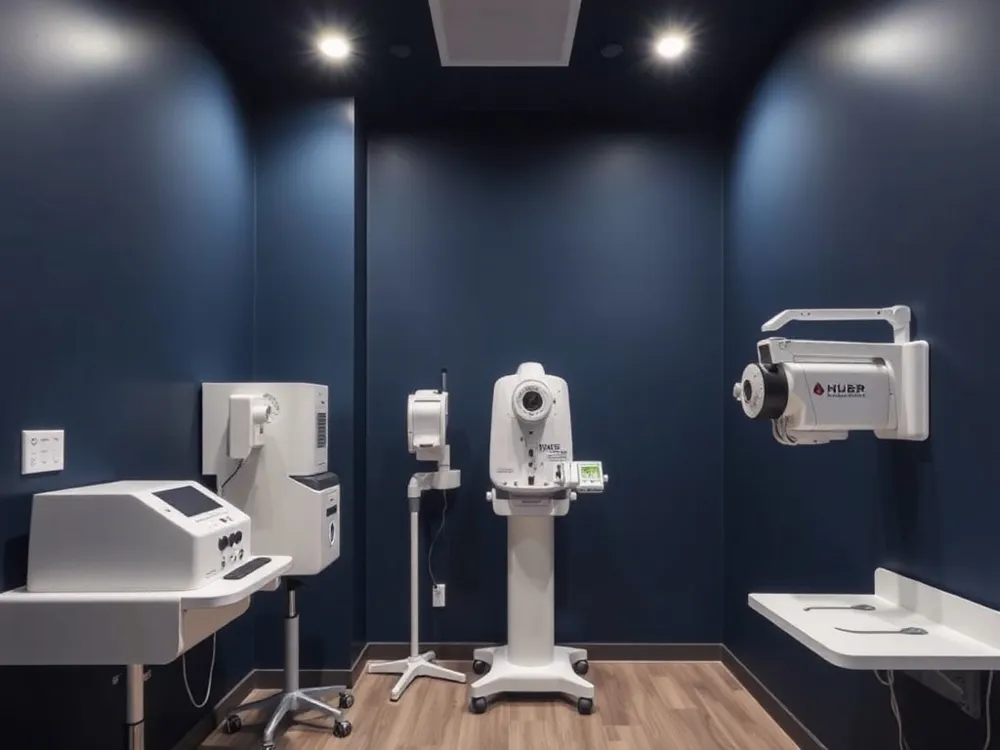
The auditory steady‑state response (ASSR) is an objective electrophysiological test that estimates hearing thresholds without requiring active patient participation. This makes it particularly valuable in occupational hearing loss claims where claimants may be uncooperative, unable to respond reliably, or suspected of exaggerating their symptoms.
ASSR works by presenting rapid, repetitive auditory stimuli—typically tones that are both amplitude-modulated and frequency-modulated—through insert earphones. The brain’s electrical activity in response to these steady-state stimuli is recorded via scalp electrodes. Unlike traditional tests that rely on subjective interpretation of waveforms, ASSR uses statistical algorithms to detect the presence of a response, dramatically improving objectivity and reproducibility.
ASSR can test multiple frequencies simultaneously—commonly 500, 1000, 2000, and 4000 Hz—in both ears at the same time. This efficiency shortens test duration to 20–25 minutes for eight thresholds, compared to 32–60 minutes for conventional auditory brainstem response (ABR) testing. The test can be performed while the patient is awake and relaxed, or during natural sleep under mild sedation if needed, ensuring reliable data collection even with difficult-to-test populations.
The stimuli can be delivered at intensities up to 120 dB SPL, allowing assessment of residual hearing even in cases of profound loss—a critical distinction when determining treatment options such as hearing aid fitting versus cochlear implant candidacy. ASSR thresholds are typically within 10–15 dB of behavioral audiometric thresholds, providing reliable estimates for legal and insurance documentation. Correction tables convert raw ASSR thresholds to estimated hearing level audiograms, and clinicians must follow these tables for accurate reporting.
How does ASSR differ from the auditory brainstem response (ABR) and other hearing tests?
ASSR differs fundamentally from ABR in both methodology and clinical application. ABR uses brief, transient clicks or tone bursts and relies on subjective interpretation of waveform morphology (amplitude and latency) by an audiologist. ASSR, in contrast, uses continuous, steady-state pure-tone stimuli and analyzes amplitudes and phases in the frequency domain using a statistics-based detection algorithm. This algorithm-driven approach eliminates examiner bias and enhances objectivity—a crucial advantage for medico-legal evaluations.
| Feature | ASSR | ABR | Pure-Tone Audiometry |
|---|---|---|---|
| Stimulus type | Continuous, amplitude/frequency-modulated tones | Brief clicks or tone bursts | Pure tones |
| Analysis method | Statistical (FFT, F-test) | Subjective waveform interpretation | Patient response |
| Frequency specificity | Excellent (multiple frequencies simultaneously) | Limited (high-frequency range, 2-4 kHz) | Excellent (single frequency per test) |
| Patient cooperation required | No | Yes (minimal) | Yes |
| Test time (8 thresholds) | 20–25 minutes | 32–60 minutes | Variable |
| Binaural testing | Yes (simultaneous) | Yes (sequential) | Yes (sequential) |
| Objectivity for legal purposes | High (automated detection) | Moderate (examiner-dependent) | Low (patient-dependent) |
Studies consistently demonstrate ASSR’s superiority for threshold estimation. A prospective study of 142 patients found correlation coefficients between ASSR and pure-tone thresholds of 0.89 at 500 Hz, 0.95 at 1000 Hz, 0.96 at 2000 Hz, and 0.97 at 4000 Hz—substantially outperforming ABR (overall r = 0.83). In that study, 71% of ears showed ASSR threshold differences of less than 15 dB from pure-tone audiometry, compared to only 31% for ABR.
ASSR’s ability to detect responses in the severe-to-profound range (distinguishing, for example, 75 dB versus 95 dB losses) is critical for occupational injury cases. For claimants who may be uncooperative or unable to provide reliable behavioral data, ASSR provides an objective, reproducible audiogram that can be directly compared to conventional results. The test can also differentiate conductive from sensorineural hearing loss by using both air- and bone-conduction transducers.
Unlike pure-tone audiometry, which is vulnerable to patient cooperation and potential exaggeration (9–30% of workers exaggerate hearing loss in compensation claims), ASSR provides an impersonal, objective measure of auditory function. Its statistical detection methods and high-level stimulus presentation make it a powerful tool for identifying genuine hearing loss and detecting malingering, strengthening the evidentiary basis for legal and insurance claims.
How ASSR Testing Is Performed and What It Reveals
How is an ASSR test performed and what does it measure?
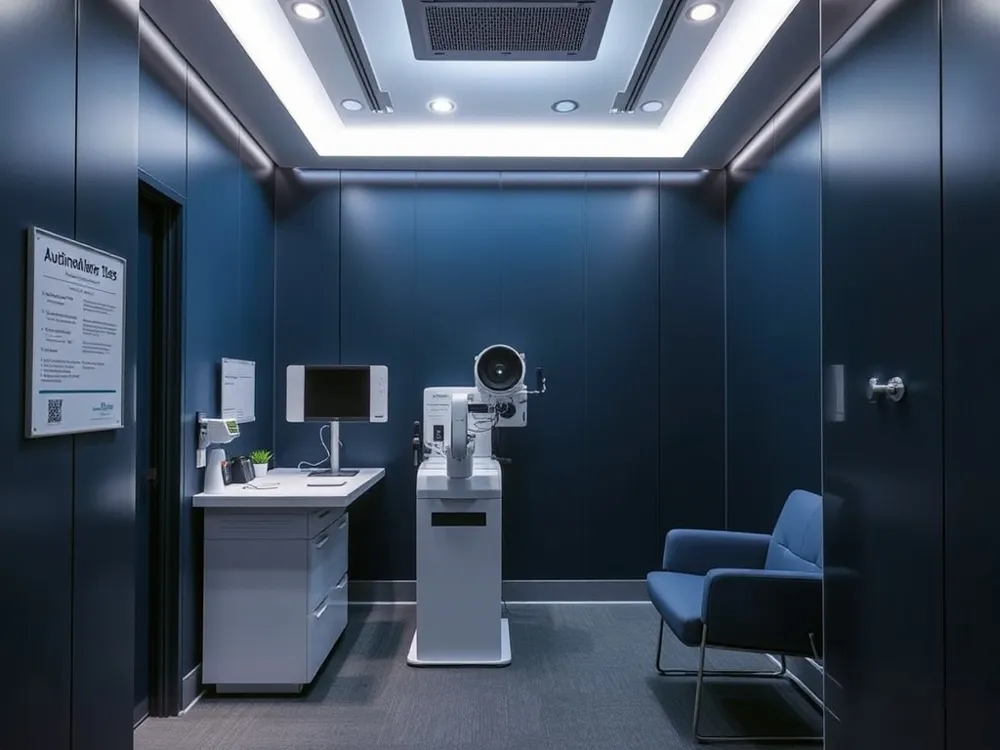
An Auditory Steady-State Response (ASSR) test is a non-invasive electrophysiological procedure designed to objectively estimate hearing thresholds. Unlike conventional audiometry, which requires a patient to press a button or raise a hand when they hear a sound, ASSR measures the brain’s automatic electrical response to sound. This makes it an invaluable tool for evaluating claimants who may be unwilling, unable, or unmotivated to provide reliable behavioral responses—a common challenge in workers' compensation and other legal settings.
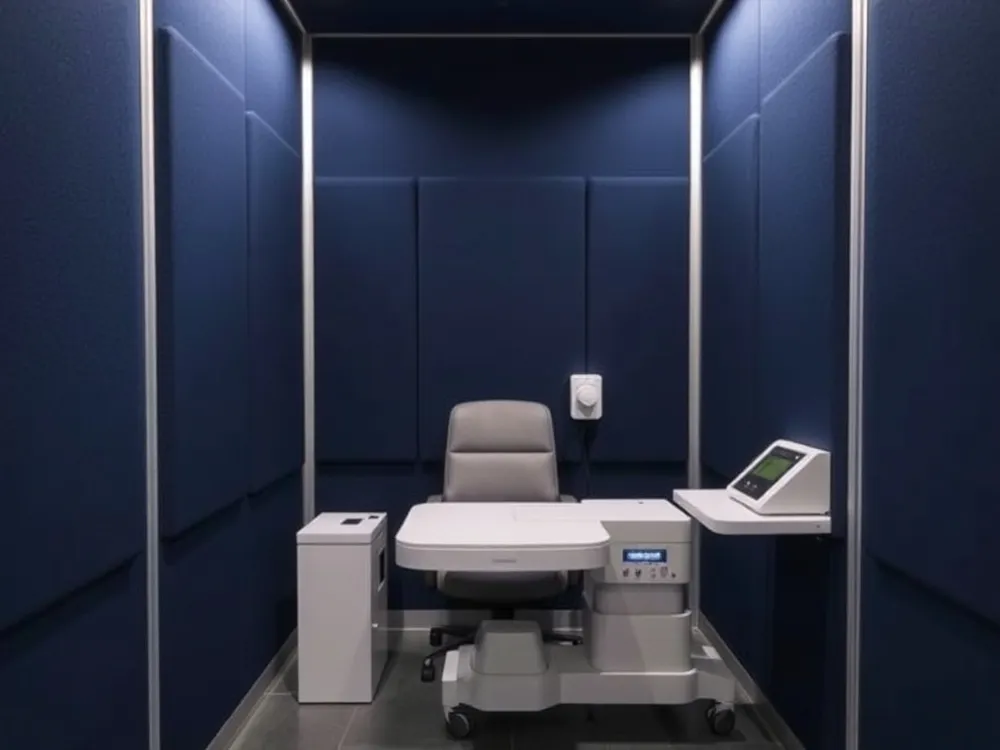
During the test, the patient sits quietly in a sound-proof booth or lies comfortably, often awake but still, or naturally asleep for some adults. Mild sedation is an option for individuals who cannot remain still. Scalp electrodes are placed on the vertex (Cz) and each mastoid or earlobe, with a ground electrode on the forehead. Impedance is kept below 3–5 kΩ to ensure high-quality signal capture. Insert earphones deliver continuous, frequency-modulated tones to both ears simultaneously. The test typically evaluates four standard audiometric frequencies: 500, 1000, 2000, and 4000 Hz.
Each frequency is modulated at a distinct repetition rate, usually above 80 Hz for brainstem-origin responses that are unaffected by sleep or age. For awake adults, a 40 Hz modulation rate may be used for stronger cortical responses. The rapid presentation of stimuli (e.g., 90 Hz for one carrier and 95 Hz for another) allows the device to differentiate each ear and frequency via unique modulation signatures. The recording system captures the brain’s steady-state electrical signals, which are synchronized to the modulation rate. Using a Fast Fourier Transform (FFT), the device analyzes the amplitude and phase of the response at the modulation frequency and its harmonics, applying a statistical algorithm (e.g., F-test with p < 0.05) to determine the presence or absence of a response. The test automatically varies stimulus intensity using a “10 down-5 up” bracketing method to find the lowest level generating a statistically reliable response. This entire process typically takes 20–25 minutes to obtain eight thresholds (four frequencies per ear), significantly faster than a frequency-specific ABR, which can take 32–60 minutes.
How are ASSR test results interpreted and used in clinical practice?
ASSR results are inherently objective, based on mathematical probability and statistical detection, rather than a clinician’s subjective waveform interpretation. The measured thresholds in dB nHL are converted to estimated Hearing Levels (eHL) using manufacturer-specific correction factors or regression formulas. The output is a visual, graph-like estimated audiogram that displays the lowest reported threshold for each tested frequency in each ear.
The resulting estimated audiogram is used clinically to guide rehabilitation decisions, particularly for hearing-aid fitting, and to determine candidacy for cochlear implants. Across many adult studies, ASSR thresholds show high correlations with behavioral thresholds (Pearson r values from 0.89 to 0.97), with ASSR thresholds typically falling within 10–15 dB of behavioral values. In the moderate-to-severe hearing loss range, this difference is often less than 5–10 dB. The shape of the ASSR audiogram closely mirrors that of the behavioral audiogram, making it a reliable surrogate for legal and forensic documentation.
In practice, the test is used to cross-check behavioral audiometry results, particularly when there is suspicion of exaggeration (which occurs in 9–30% of workers' compensation cases), inconsistency, or limited patient cooperation. A modern ASSR system, such as the Interacoustics Eclipse, uses next-generation detection algorithms that assess up to 12 harmonics of the modulation frequency, incorporating both phase and amplitude information. This further improves accuracy and shortens test time. The table below summarizes key aspects of ASSR interpretation and application.
| Test Aspect | Details | Clinical & Legal Implications |
|---|---|---|
| Core Measurement | Brain’s electrical response locked to rapid modulation rates (e.g., >80 Hz). | Provides objective threshold estimates without patient cooperation. |
| Stimuli Presented | Four carrier frequencies (0.5, 1, 2, 4 kHz) delivered binaurally at different modulation rates. | Enables simultaneous, ear-specific threshold estimation across the speech-frequency range. |
| Detection Algorithm | Statistical F-test on FFT components at the modulation frequency and its harmonics (e.g., first 6–12 harmonics). | Eliminates subjective waveform judgment; provides repeatable, court-admissible data. |
| Output & Correction | Raw ASSR thresholds (in nHL) converted to estimated Hearing Levels (eHL) using manufacturer correction tables. | Yields an estimated audiogram that is directly comparable to standard pure-tone audiograms. |
| Accuracy vs. Pure-Tone | ASSR thresholds typically within 10–15 dB of behavioral thresholds; differences are smaller at higher frequencies. | Reliable for quantifying occupational hearing loss, including severe-to-profound impairment. |
| Clinical Utility | Used for hearing-aid fitting, cochlear implant candidacy, and monitoring noise-induced hearing loss. | Supports timely intervention and precise documentation for workers' compensation claims. |
| Application in Claims | Provides objective evidence when behavioral testing is unreliable or contested. | Strengthens expert testimony on causation, severity, and disability for insurers and courts. |
Because ASSR testing is objective, efficient, and provides frequency-specific data, it has become a gold-standard tool in occupational hearing loss evaluations. Its ability to rule out malingering, assess difficult-to-test patients, and deliver reproducible evidence makes it indispensable for medical-legal adjudication under regulations such as 20 CFR §702.441. The estimated audiogram, combined with proper correction factors, serves as a credible and defensible record of hearing status for claim resolution.
Correction Factors and the Challenge of Standardization
What correction factors are typically applied in ASSR testing?
ASSR testing does not directly measure hearing thresholds as a patient would perceive them. Instead, it records electrophysiological responses that are then converted into estimated hearing levels (eHL). This conversion relies on correction factors, which translate the objective response thresholds (in dB nHL) into values that approximate the behavioral audiogram. Understanding these corrections is essential when interpreting ASSR results for occupational hearing loss claims.
Device-Specific Correction Tables
The primary correction factor is provided by the ASSR equipment manufacturer. Each system—such as the Interacoustics Eclipse, GSI Audera, or BioLogic MASTER—has its own empirically derived tables. These tables are developed from studies comparing ASSR thresholds to those from pure-tone audiometry in reference populations. Clinicians must apply the correction table supplied with their specific device and software version to ensure accuracy. Using an incorrect table can introduce systematic errors, which may be problematic in legal or insurance contexts.
Frequency-Specific Adjustments
Correction factors vary across the tested audiometric frequencies (typically 500, 1000, 2000, and 4000 Hz). For example, research indicates that ASSR thresholds tend to overestimate hearing loss more at low frequencies (e.g., 500 Hz) than at high frequencies. The mean difference between ASSR-predicted and behavioral thresholds can be around 10–15 dB at 500 Hz, but as low as 5–6 dB at 4000 Hz. Consequently, larger corrections are usually applied at lower frequencies to bring the estimated threshold closer to the actual perceptual threshold.
Age and Maturational Corrections
Age is a significant factor in ASSR correction, especially for infants and young children. Maturational differences in the auditory system can lead to higher ASSR thresholds compared to behavioral ones. A standard correction of 10–15 dB is often applied for infants under six months of age. For adults, age-related corrections are typically smaller, but presbycusis (age-related hearing loss) may still need to be considered when using ASSR to differentiate occupational hearing loss from age-related decline. Manufacturers often provide specific correction algorithms for pediatric populations.
Stimulus Type and Intensity
Correction factors are also influenced by the type of stimulus used. Modern ASSR systems often employ narrowband CE-Chirp stimuli, which are designed to compensate for the cochlear traveling wave delay. These chirps can improve neural synchrony and produce larger response amplitudes, allowing for more accurate threshold estimation with smaller corrections. Older systems using amplitude-modulated (AM) or frequency-modulated (FM) tones may require different adjustments. The intensity of the stimulus also matters; at high presentation levels (e.g., >100 dB HL), the correction may differ due to potential neural saturation effects.
Electrode and Transducer Effects
The type of transducer (e.g., insert earphones vs. circumaural headphones) and electrode placement can introduce minor variations. Insert earphones are preferred for their ability to deliver high-intensity stimuli and reduce interaural attenuation. The quality of the electrode-skin interface (impedance) also affects signal clarity. While these factors are typically controlled in clinical practice, they can influence the raw thresholds and the necessary correction to achieve accurate eHL values.
The Absence of Universal Standards
A major challenge in ASSR testing is the lack of universally accepted correction standards. Because each manufacturer uses different algorithms, stimulus parameters, and detection protocols, correction tables are not interchangeable. This means that results obtained on one system may not be directly comparable to those from another. For occupational hearing loss claims, this creates a need for careful documentation of which system was used and which correction factors were applied. The field is actively working toward greater standardization, but currently, clinicians must rely on device-specific data and their professional judgment.
Practical Implications for Claim Evaluations
When ASSR is used to support occupational hearing loss claims, the correction process must be transparent. The audiology report should specify the equipment, the software version, the raw ASSR thresholds, and the corrected eHL values. Any systematic offset (e.g., a 10 dB difference at 500 Hz) should be explained. This level of detail strengthens the evidentiary value of the test and helps prevent disputes over the accuracy of the hearing loss estimation.
The Role of the Cross-Check Principle
Given the variability in corrections, the cross-check principle remains vital. ASSR results should be corroborated with other objective measures (e.g., ABR, otoacoustic emissions) and, when possible, with behavioral testing. If a behavioral audiogram is available, the ASSR-corrected thresholds should align closely. Significant discrepancies may indicate the need for further evaluation or signal a potential artifact. For occupational claims, this multi-layered approach provides the most robust documentation.
In summary, correction factors in ASSR testing are device-specific, frequency-dependent, and influenced by patient age and stimulus parameters. They are essential for translating electrophysiological data into clinically meaningful hearing levels. While a single universal standard does not yet exist, careful application of manufacturer-provided tables, combined with transparent reporting and the cross-check principle, allows ASSR to serve as a reliable, objective tool in occupational hearing loss assessments.
ASSR’s Role in Detecting Auditory Neuropathy and Hidden Hearing Loss
ASSR (Auditory Steady‑State Response) provides objective, frequency‑specific hearing thresholds without requiring active patient response, making it a valuable tool for evaluating hearing loss in occupational and medico‑legal settings. Unlike traditional pure‑tone audiometry, which depends on subjective patient feedback, ASSR uses statistical algorithms to detect neural responses, allowing clinicians to obtain accurate thresholds even in uncooperative patients or those with suspected exaggerated hearing loss. This characteristic is especially important in workers’ compensation claims, where objective evidence is critical.
Research demonstrates strong correlations between ASSR and behavioral audiometry, with typical ASSR thresholds falling within 10–15 dB of behavioral thresholds. Frequency‑specific testing allows ASSR to generate detailed audiograms across multiple frequencies, useful for documenting noise‑induced hearing loss patterns or other occupational injuries. ASSR can be performed binaurally and simultaneously at multiple frequencies, reducing test time compared to ABR while providing comparable or better accuracy, particularly for mild‑to‑profound hearing loss. Advances in multi‑harmonic detection and next‑generation algorithms have further improved its reliability.
Clinical use of ASSR is well‑supported for patients who cannot cooperate with conventional testing, including infants, young children, and adults with cognitive impairments. In occupational settings, ASSR is increasingly used for baseline assessments, periodic monitoring, and post‑exposure evaluations. It can be administered during natural sleep or sedation, and portable devices enable on‑site workplace testing. ASSR also distinguishes between conductive, sensorineural, and mixed hearing loss when combined with bone conduction stimuli.
For legal and insurance purposes, ASSR results are considered court‑admissible when conducted by qualified professionals using calibrated equipment and standardized protocols. Correction tables convert ASSR thresholds to estimated behavioral thresholds, and objective statistical analysis reduces examiner bias. The technology also supports cross‑checks with ABR and other tests, increasing diagnostic confidence. However, clinicians must be aware of its limitations, including poorer performance at low frequencies and potential overestimation of thresholds in certain populations.
Ongoing research continues to refine ASSR technology, enhancing its sensitivity and specificity for detecting occupational hearing loss. Feature articles and peer‑reviewed studies validate its use in documenting hearing impairment for disability claims, and regulatory frameworks such as the Longshore and Harbor Workers’ Compensation Act recognize objective test results. The integration of ASSR with other diagnostic modalities and advances in portable testing promise expanded applications in occupational hearing conservation programs.
Building a Bulletproof Claim: The Evidence Required
What evidence is needed to support a workplace hearing‑loss claim?
Supporting a workplace hearing-loss claim requires a robust collection of objective medical evidence and detailed workplace documentation. The foundation of any successful claim is an accurate and defensible diagnosis, which is best established through objective electrophysiological testing like the Auditory Steady‑State Response (ASSR). ASSR is particularly valuable because it estimates hearing thresholds without requiring active patient cooperation, making it ideal for situations where a worker may be uncooperative, unable to provide reliable behavioral responses, or where the veracity of the claim is in question. Unlike traditional pure-tone audiometry, which depends on subjective patient feedback, ASSR uses a sophisticated statistical algorithm to determine response presence, providing objective and reproducible evidence that can withstand legal scrutiny.
ASSR testing can assess multiple frequencies (commonly 500, 1000, 2000, and 4000 Hz) in both ears simultaneously, generating a complete frequency-specific audiogram in a single session—typically within 20 to 25 minutes. This efficiency is crucial for occupational health clinics managing high caseloads. The test results are then converted to estimated hearing levels using manufacturer-specific correction tables, and these thresholds are generally within 10-15 dB of behavioral audiometric thresholds, offering a clinically acceptable and legally admissible estimate of hearing loss severity.
Beyond the ASSR results, a comprehensive claim file must include a full audiological and otological evaluation by qualified professionals. Federal regulations under 20 CFR § 702.441 require that an audiogram be administered by a licensed or certified audiologist or a board-certified otolaryngologist. The accompanying report must detail the testing standards used, the method of evaluating the loss, and an assessment of the test's reliability. For claims under the Longshore and Harbor Workers' Compensation Act, the Department of Labor’s Office of Workers' Compensation Programs (OWCP) mandates that the audiological and otolaryngology exams be performed on the same day by different professionals. The medical report must also include a comparison of current audiometric data with baseline (pre-exposure) data and a clear statement linking the loss to occupational noise exposure.
Workplace documentation is equally critical. Claimants must provide detailed records of job duties, noise exposure logs, decibel level readings, and shift durations. OSHA defines a Standard Threshold Shift (STS) as an average increase of 10 dB or more at 2000, 3000, and 4000 Hz compared to the employee's baseline. To meet OSHA recordability, the hearing loss must also reach a total hearing level of 25 dB or more above audiometric zero at those same frequencies in the same ear. The physician’s report should detail the employee’s noise exposure history, including job titles, locations, hours per day, decibel levels, and the type of hearing protection used. Proof of the employer's compliance or non-compliance with hearing conservation program requirements under 29 CFR 1910.95 is essential, including whether appropriate hearing protection was provided and whether the worker consistently used it.
Finally, supporting evidence should include a timeline of symptoms (such as tinnitus or difficulty understanding speech), any prior hearing tests, and records of early reporting to the employer. Because noise-induced hearing loss often develops gradually, proving a direct link to the workplace can be challenging. Strong documentation from the outset—including objective ASSR results, thorough medical evaluations, and detailed workplace records—helps establish causation and overcome disputes from employers or insurers. This comprehensive package allows experts to calculate hearing impairment using the criteria in the American Medical Association’s Guides to the Evaluation of Permanent Impairment, ensuring the claim is supported by evidence that meets all legal and regulatory standards.
| Evidence Category | Specific Documentation | Purpose in Claim |
|---|---|---|
| Objective Audiometric Test | ASSR audiogram (500, 1000, 2000, 4000 Hz) | Provides objective, frequency-specific hearing thresholds without relying on patient cooperation. |
| Medical Evaluation | Report from audiologist/ENT linking loss to workplace noise | Establishes causation and rules out other causes (e.g., aging, ototoxic drugs). |
| Baseline Comparison | Pre-employment or earlier audiogram | Demonstrates change (Standard Threshold Shift) compared to baseline. |
| Workplace Exposure | Noise exposure logs, decibel level readings, job duty descriptions | Proves prolonged exposure to hazardous noise (e.g., >85 dB). |
| Compliance Records | Employer hearing protection program documentation | Shows employer’s adherence (or non-adherence) to OSHA standards (29 CFR 1910.95). |
| Symptom Timeline | Record of tinnitus, difficulty hearing, date of first symptoms | Supports the connection between onset of symptoms and workplace exposure. |
| Legal/Regulatory Compliance | Documentation meeting 20 CFR §702.441, OWCP requirements | Ensures audiogram is presumptive evidence and test qualifies for claim adjudication. |
The Cost and Access Equation in Occupational Assessments
What Is the Typical Cost of an ASSR Hearing Test?
The price of an ASSR hearing test in the United States typically ranges from $150 to $500. This range reflects variations by provider, geographic region, and setting—private practices often charge differently than hospital-based audiology departments. As a specialized, objective electrophysiological assessment used to estimate pure-tone thresholds without requiring patient cooperation, ASSR costs more than basic hearing screenings due to the sophisticated equipment, statistical detection algorithms, and expertise required for administration and interpretation.
Factors That Influence the Final Fee
Several elements can push the cost higher. The audiologist’s experience level, the inclusion of a physician consultation (often an otolaryngologist), and the use of binaural multi-frequency protocols (testing both ears at 500, 1000, 2000, and 4000 Hz simultaneously) all add to the complexity and expense. Modern ASSR systems, such as those using narrow-band CE-Chirp stimuli and multi-harmonic detection engines, improve accuracy but also represent a significant equipment investment for clinics.
For workers’ compensation or legal claim evaluations, additional costs may arise if the billing includes comprehensive reporting, expert witness testimony, or independent medical examination (IME) fees beyond the core test. In such cases, total charges for an ASSR evaluation—including the test, interpretation, and documentation—can exceed the base $500 figure, particularly when the examiner must testify or prepare a detailed report meeting legal standards (e.g., 20 CFR §702.441).
Cost-Effectiveness for Occupational Claims
Despite the upfront expense, ASSR can be highly cost-effective in occupational hearing loss cases. Its ability to provide objective, frequency-specific thresholds in a single session—often completing eight thresholds in 20–25 minutes—reduces the need for multiple appointments. This efficiency lowers overall claim-related costs by shortening evaluation cycles and minimizing dispute resolution time. Furthermore, because ASSR uses statistical detection (F-test, p<0.05) rather than subjective waveform interpretation, the results are reproducible and legally defensible, which can reduce prolonged litigation expenses.
Insurance and Workers’ Compensation Coverage
Coverage for ASSR depends on the payer and the clinical context. Many private health insurance plans treat ASSR as a diagnostic procedure under the Current Procedural Terminology (CPT) code 92586 (Auditory evoked potentials for evoking response, for threshold estimation; with frequency-specific stimuli, automated). However, patients should verify coverage, deductibles, and copays in advance.
In the workers’ compensation system, ASSR is recognized as a needed diagnostic test when behavioral audiometry is unreliable—for example, when a claimant cannot cooperate due to cognitive issues, language barriers, or suspected exaggeration. Under the Longshore and Harbor Workers’ Compensation Act and many state programs, costs for such objective testing are typically covered as part of medical benefits, provided the referral comes from a qualified specialist. Employers and insurers may also authorize ASSR as part of an independent medical evaluation (IME) to resolve conflicting audiograms.
Access and Practical Considerations
Access to ASSR testing is expanding but not yet universal. High-end devices like the Interacoustics Eclipse or Bio-logic MASTER system are primarily found in tertiary care audiology centers, university hospitals, and specialized occupational health clinics. However, advancements in portable ASSR devices and automated analysis software are making the technology increasingly available in industrial clinics and remote settings.
For claimants who must travel to a major center, the total cost of assessment includes travel, lodging, and lost work time. Some workers’ compensation programs reimburse these ancillary expenses if the testing is deemed medically necessary. Clinicians should document the need for ASSR clearly—such as failure to obtain reliable behavioral thresholds or suspicion of malingering (which affects 9–30% of claimants)—to justify the referral and support cost coverage.
Comparing ASSR Costs to Alternatives
| Test | Typical Cost (US) | Test Time (8 thresholds) | Key Advantage | Suitable for Uncooperative Patients? |
|---|---|---|---|---|
| ASSR (binaural, multi-frequency) | $150–$500 | 20–25 min | Objective, frequency-specific, statistical detection | Yes |
| ABR (tone-burst, per frequency) | $300–$700 | 32–60 min | Well-studied, detects neural synchrony | Yes (but longer, costlier) |
| Otoacoustic Emissions (OAE) | $75–$200 | 5–15 min | Quick screening for cochlear function | Yes (limited frequency info) |
| Behavioral Pure-Tone Audiometry | $50–$150 | 20–30 min | Gold standard for voluntary patients | No |
While ASSR may appear more expensive than basic screening, its ability to produce a complete, objective audiogram in a single, shorter session often reduces total claim expenses by eliminating repeat visits and providing court-admissible evidence. For complex cases—such as severe-to-profound hearing loss requiring cochlear implant candidacy decisions, or when distinguishing conductive from sensorineural components—the cost of ASSR is a worthwhile investment in accurate, equitable claim resolution.
Future Directions: Next-Gen ASSR and the Promise of Speed and Precision
What is the 60‑60 rule in audiology for safe listening?
While [ASSR] provides exceptional diagnostic precision, preventing hearing loss in the first place remains the primary goal of occupational health. The [60-60 rule] is a widely recognized guideline for protecting hearing during recreational listening, particularly with personal audio devices. This rule recommends keeping the volume at no more than 60% of the device's maximum and limiting daily listening duration to 60 minutes. Adherence to this principle significantly reduces the risk of noise-induced hearing loss (NIHL) from prolonged or high-level exposure.
For employers and safety officers managing workplace [hearing conservation programs], this rule underscores a critical principle: even moderate noise levels can cause cumulative damage over time. While the 60-60 rule is not an OSHA standard, it provides a practical benchmark for educating workers on safe listening habits outside of work. This is crucial because recreational noise exposure can compound occupational hearing damage, complicating the attribution of hearing loss in workers' compensation claims. Promoting adherence to this guideline, along with consistent use of workplace hearing protection, supports a robust defense against hearing loss and helps maintain the integrity of baseline audiometric data used in future [ASSR evaluations].
How accurate is the automated auditory brainstem response (AABR) hearing test?
The [Automated Auditory Brainstem Response (AABR)] is a screening tool used primarily in newborn hearing programs. It offers a pass/fail result without requiring interpretation by a highly trained audiologist. While valuable for initial screening, its accuracy is limited compared to comprehensive, diagnostic [ASSR] testing. Research illustrates this limitation: in one study of infants, the positive predictive value of AABR screening was only 38.46%. Specifically, of 45 infants later diagnosed with hearing loss, only 14 were identified as a “refer” in both ears by AABR. Of those 14, 12 had abnormal ABR results in both ears and 2 had a unilateral loss.
This data highlights that AABR is an effective first-stage screen but can miss a significant number of hearing losses, particularly mild or unilateral cases. For occupational hearing loss claims, this distinction is vital. An AABR screening result is not a substitute for the detailed, [frequency-specific audiogram] provided by next-generation ASSR. Denying or accepting a claim based solely on an AABR would be clinically unsound. The objective, quantifiable thresholds from [ASSR] are far more accurate for determining compensable hearing impairment, differentiating a 75 dB loss from a 95 dB loss, and building a legally defensible claim file. The high sensitivity and specificity of modern [ASSR systems] make them the preferred evidence for medico-legal evaluations.
How next‑gen ASSR delivers faster, more precise hearing assessments
The latest advancements in [ASSR technology], often termed [next-generation ASSR], have dramatically improved upon older systems by focusing on three core areas: stimulus design, detection algorithms, and testing efficiency. These innovations directly address the needs of occupational hearing loss evaluations by making testing faster, more accurate, and less reliant on patient cooperation.
The power of the [CE‑Chirp] stimulus
A key innovation is the use of the [narrowband CE-Chirp] stimulus. Traditional click or tone-burst stimuli used in ABR and older ASSR systems activate the cochlea at different times, dispersing the neural response. The CE-Chirp compensates for this traveling-wave delay by delivering higher-frequency components slightly later, ensuring they arrive at the auditory nerve simultaneously. This synchronization produces a response amplitude roughly twice as large as standard stimuli. Larger amplitudes improve the signal-to-noise ratio, making it easier to detect responses at lower intensity levels. This translates to threshold estimates that are closer to behavioral audiometry, often reducing the difference to within [10-15 dB].
Advanced [multi‑harmonic detection algorithms]
[Next-gen ASSR] systems use sophisticated [multi-harmonic detection algorithms] like the “q-sample” method. Instead of analyzing only the fundamental modulation frequency (e.g., 90 Hz), these algorithms evaluate 6 to 12 harmonics (e.g., 90, 180, 270 Hz) of the response. By assessing both phase and amplitude information across multiple harmonics, the system can more effectively separate the true neural response from background EEG noise. This advanced statistical analysis (often using an F-test with p < 0.05) provides a fully objective, automated, and reproducible response detection, removing any subjectivity from waveform interpretation. This objectivity is critical for building consistent, defensible evidence for insurance and legal claims.
Simultaneous [multi‑frequency binaural testing]
The ability to test both ears and four frequencies (0.5, 1, 2, and 4 kHz) simultaneously is a hallmark of modern [ASSR]. While a standard ABR session for eight thresholds can take 32-60 minutes, next-gen ASSR achieves the same goal in just 15-25 minutes. This efficiency is a major advantage in busy occupational health clinics, reducing the burden on workers and streamlining the evaluation process for lawyers and adjusters. Faster testing also minimizes patient fatigue and restlessness, which can degrade the quality of other objective measures.
Emerging trends and the future of [ASSR]
The field continues to evolve. [Portable ASSR] devices are being developed, allowing for on-site evaluations at industrial facilities, which can expedite claim processing and reduce travel costs for injured workers. Further research is refining the use of [bone conduction ASSR] to better differentiate between conductive and sensorineural losses, a crucial distinction for causation in many claims. Automated analysis software is becoming more sophisticated, capable of adjusting test intensity in real-time to pinpoint thresholds even more quickly, a process called “automated ASSR audiometry” that can reduce the number of required stimulus levels by up to 58%. These advancements promise to make ASSR not just a confirmatory test, but a primary, efficient, and gold-standard tool for all phases of occupational hearing loss management, from baseline assessment to claim resolution. Combined with [test-retest reliability] within ±10-17 dB, next-gen ASSR provides the objective, reproducible, and legally robust data required to settle claims with confidence and speed.
Comparison of [Next-Gen ASSR] vs. Traditional Methods
| Feature | Next-Gen ASSR | Traditional ABR | Pure-Tone Audiometry |
|---|---|---|---|
| Stimulus | CE-Chirp (synchronized) | Click / Tone Burst | Pure Tones |
| Detection | Statistical (multi-harmonic) | Visual (waveform) | Behavioral response |
| Testing Time | 15-25 minutes | 32-60 minutes | 20-40 minutes |
| Objectivity | High (automated) | Moderate (subjective) | Low (patient dependent) |
| Frequency Info | Full audiogram (0.5-4 kHz) | High-frequency focus | Full audiogram |
| Patient Cooperation | Not required | Minimal | Required |
A New Era of Objective Audiology
The landscape of occupational hearing loss assessment is shifting from subjective, patient-dependent tests toward objective, technology-driven methods. At the forefront of this shift is the Auditory Steady-State Response (ASSR), an electrophysiological test that provides frequency-specific hearing thresholds without requiring active participation from the claimant. This advancement is critical in a field where up to 30% of workers may exaggerate their hearing loss during compensation claims, making objective evidence indispensable for fair and accurate adjudication.
How ASSR Works
ASSR measures the brain's electrical response to continuous, modulated tones—typically at frequencies of 500, 1000, 2000, and 4000 Hz—delivered simultaneously to both ears via earphones. Unlike the Auditory Brainstem Response (ABR), which relies on subjective waveform interpretation, ASSR uses statistical algorithms (such as Fast Fourier Transform and the F-test) to automatically detect whether a response is present. This analysis is conducted in the frequency domain and examines multiple harmonics of the stimulus modulation rate, significantly reducing examiner bias and enhancing reproducibility.
ASSR vs. ABR: A Performance Comparison
The advantages of ASSR over ABR are substantial, particularly in legal and insurance contexts where precision and speed are paramount. The table below summarizes these key differences.
| Feature | ABR (Auditory Brainstem Response) | ASSR (Auditory Steady-State Response) |
|---|---|---|
| Testing Method | Single ear, one frequency at a time | Simultaneous binaural, multiple frequencies |
| Frequency Range | Primarily high frequencies (2-4 kHz) | Full audiometric range (0.5-4 kHz) |
| Detection Method | Subjective visual identification of Wave V | Objective statistical analysis (F-test, FFT) |
| Test Time | 32–60 minutes for eight thresholds | 15–25 minutes for eight thresholds |
| Correlation with PTA | r = 0.83 (overall) | r = 0.89-0.97 (frequency-specific) |
| Accuracy (within 15 dB) | 31% of ears | 71% of ears |
Superior Accuracy and Efficiency
Research consistently demonstrates that ASSR outperforms ABR in predicting behavioral hearing thresholds. A 2009 study of 284 ears found that ASSR thresholds correlated with pure-tone audiometry at r = 0.97 for 4000 Hz, while ABR’s overall correlation was r = 0.83. In 71% of ears, ASSR thresholds fell within 15 dB of behavioral thresholds, compared to only 31% for ABR. This high level of accuracy is crucial for establishing the severity of occupational noise-induced hearing loss.
Modern ASSR systems, such as those using CE-Chirp stimuli and multi-harmonic detection algorithms, can halve data-collection time compared to earlier protocols. This efficiency allows clinicians to obtain a complete, ear-specific audiogram in a single, 20-25 minute session, minimizing downtime for the worker and reducing overall claim processing time.
The Objective Advantage in Legal Contexts
ASSR’s objectivity is its greatest strength in occupational hearing loss litigation. Because the test does not rely on the patient’s cooperation, it effectively eliminates the potential for exaggeration or malingering. The automated, statistics-based analysis provides reproducible, court-admissible evidence of hearing thresholds, strengthening the evidentiary basis for claim decisions.
The regulatory framework supports the use of such objective testing. Under 20 CFR § 702.441, audiograms must be administered by qualified professionals and meet strict calibration and procedural standards. ASSR equipment that complies with ANSI and OSHA standards fits seamlessly into these requirements, providing a defensible methodology for establishing hearing loss.
Practical Applications and Considerations
ASSR is particularly valuable for evaluating workers who cannot or will not complete reliable behavioral testing, including those with language barriers, cognitive issues, or suspected exaggeration. The test can differentiate between conductive and sensorineural hearing loss when bone-conduction transducers are used, and it can reliably estimate thresholds even in the severe-to-profound range, which is critical for determining eligibility for hearing aids versus cochlear implants.
While ASSR thresholds are typically within 10-15 dB of behavioral thresholds, clinicians must apply manufacturer-specific correction tables to convert raw data into estimated hearing levels. It is also important to note that low-frequency thresholds (e.g., at 500 Hz) may be slightly elevated due to higher EEG noise floors, a nuance that must be accounted for in claim calculations. For cases where auditory neuropathy spectrum disorder (ANSD) is suspected, supplemental ABR and otoacoustic emission testing is recommended.
Advancing Occupational Audiology
The integration of ASSR into occupational health protocols represents a significant advance in hearing loss assessment. Its speed, accuracy, and objectivity make it an essential tool for medical-legal evaluations, helping to ensure that claims are resolved based on solid, reproducible evidence rather than subjective reports. As technology continues to evolve, ASSR is poised to become the standard for verifying hearing loss in workers’ compensation and other legal contexts.