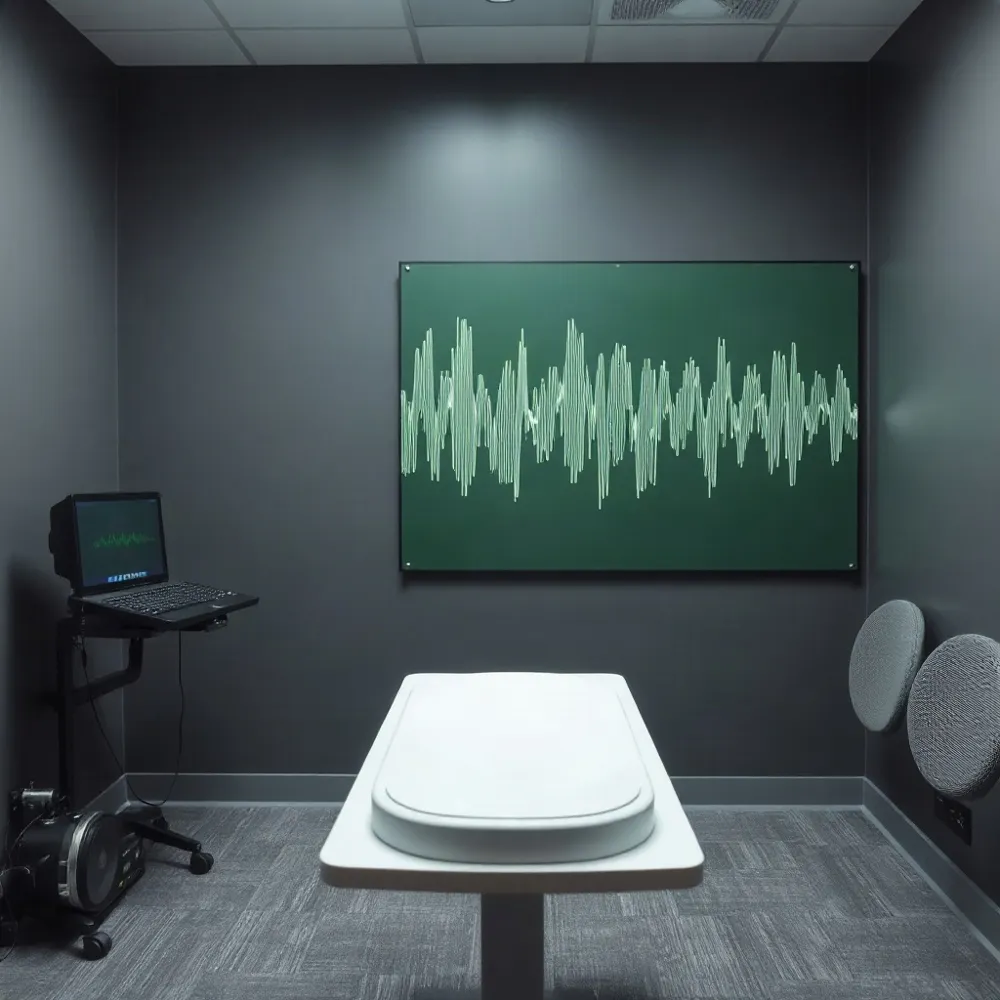
Understanding the Role of Medico-Legal Assessments in Workplace Injury Cases
Definition and Purpose of Medico-Legal Assessments
Medico-legal assessments are impartial, evidence-based evaluations conducted by medically licensed practitioners to determine a worker’s ability to perform job duties following an injury or illness. These assessments focus on the worker’s functional capacity and help clarify the extent of any impairment or disability.
Importance for Return-to-Work Decisions and Compensation
The reports generated from these assessments provide objective information that supports informed decision-making regarding a worker’s return to work. They also serve as critical documentation in legal and insurance claims related to workplace injuries, ensuring compensation is fairly allocated based on medical evidence.
Role of Impartial Medical Evaluations
Conducted independently, medico-legal assessments maintain objectivity to support compliance with occupational health legislation. They can differentiate work-related injuries from non-work-related causes and identify ongoing medical needs, thus facilitating accurate and just resolutions in workplace injury cases.
Specialized Evaluations for Diverse Workplace Injuries
What types of workplace injuries does NorCal Medical Consulting specialize in evaluating?
NorCal Medical Consulting specializes in a comprehensive range of Occupational injury categories, emphasizing auditory loss due to workplace noise exposure. They offer expert evaluations for hearing loss aligned with OSHA noise exposure standard 1910.95 requirements, ensuring accurate differentiation between noise-induced and other hearing impairments. Beyond auditory conditions, their expertise covers ergonomic-related musculoskeletal disorders, traumatic injuries such as those from machinery or accidents, and illnesses related to harmful exposures at work.
Types of occupational injuries evaluated including ergonomic and traumatic injuries
The firm assesses various injury categories including Repetitive strain injuries at work, upper and lower limb trauma, cuts, burns, and overexertion injuries common in High-risk occupations for workplace injuries like manufacturing or construction. Their evaluations incorporate assessments of physical and mental health evaluations to fully determine the worker's condition, functional capacity, and any permanent impairments.
Comprehensive methods used to assess injury severity and functional impairment
NorCal Medical Consulting employs impartial, evidence-based injury reports conducted by licensed medical practitioner assessments. The process includes detailed medical examination, review of audiometric data for hearing loss cases, and evaluation of the worker's ability after injury to perform job duties post-injury. These assessments generate objective medico-legal opinions that establish injury cause identification, functional impairment extent, and ongoing medical needs. This rigorous approach supports legal claims and workers’ compensation processes by providing a clear, unbiased picture of injury severity and its impact on employment capacity.
The Critical Role of Expert Assessments in Legal and Insurance Claims
How do expert assessments by healthcare consulting firms assist in legal and insurance claims related to workplace injuries?
Expert assessments conducted by healthcare consulting firms are essential in substantiating workplace injury claims. These evaluations provide an unbiased, evidence-based injury reports analysis of the injury, including injury cause identification and severity. Through comprehensive medical examinations, diagnostic testing, and review of occupational circumstances, the expert establishes a credible link between the injury and the workplace incident. This connection is crucial for validating Workers' Compensation Claims and for determining eligibility for disability benefits.
Detailed documentation produced in these assessments captures functional impairment extent, medical history, treatment progress, and potential long-term outcomes. Such reports are invaluable during legal proceedings and insurance claim reviews, as they offer objective medico-legal opinions to clarify the nature and impact of the injury. The expert's impartial opinion helps ensure that decisions regarding return to work evaluations, compensation, and medical care are fair and informed.
Moreover, by providing timely evaluations and clear, consistent medical evidence, these assessments reduce ambiguities that can delay claim settlements. They also identify any non-work-related factors influencing the injury, which helps in accurately assigning liability. Ultimately, expert medical assessments fortify workers’ cases by creating a comprehensive medical record that supports a successful resolution of legal and insurance matters related to workplace injuries.
Audiological Evaluations: Qualifications and Assessment Processes
What qualifications should experts have when conducting auditory loss evaluations for workplace injury claims?
Experts conducting auditory loss evaluations must have advanced training in audiology or related medical disciplines. They require specific expertise in Occupational injury categories and familiarity with OSHA noise exposure standard 1910.95 requirements. Proficiency in interpreting baseline and current audiograms, exposure histories, and noise measurement data is essential. Many experts possess board certification and licensed medical practitioner assessments experience, lending credibility in legal and insurance matters. Knowledge of potential confounding factors like preexisting conditions or non-occupational noise exposures is also important to ensure accurate attribution of hearing loss to workplace factors.
What processes are involved in assessing auditory loss related to workplace injuries?
Assessment begins with a detailed review of the employee’s medical and noise exposure history, including prior audiometric tests. Pure-tone audiometry is conducted to identify threshold shifts, particularly the OSHA definition of recordable hearing loss standard threshold shift of 10 dB or greater at 2000, 3000, and 4000 Hz frequencies. Audiologists analyze workplace noise data collected via sound level meters and personal dosimeters to characterize hazardous environments. They evaluate protective measures and correlate hearing loss patterns with exposure history. The evaluation integrates these findings to determine if the hearing impairment is work-related, supporting Workers' compensation laws in the US or legal claims. Documentation includes audiograms, calibration records, and noise exposure data to fulfill regulatory and evidentiary requirements.
Integrating Regulatory Compliance and Workplace Safety Data in Evaluations
How do OSHA standards impact injury assessments and workers' rights?
OSHA enforces workplace safety regulations that require employers to eliminate hazards and provide necessary safety training and equipment. Workers have the Right to Refuse Unsafe Work, report injuries confidentially, and access injury records without retaliation concerns. Injury assessments must align with OSHA guidelines to ensure accurate determination of work-relatedness and comply with legal protections.
Why is prompt injury reporting and accurate documentation vital?
Timely reporting, preferably within 30 days, and thorough documentation—including details on when, where, and how an injury occurred, along with witness statements and photographs—are crucial for effective claims processing and OSHA Compliance for Injuries. Accurate records help establish injury causation and support workers’ compensation claims while facilitating regulatory reviews.
How is safety and injury data used for prevention and claims support?
Data from OSHA and the workplace safety and health data provide detailed insights on injury rates, types, demographics, and causative factors. This information guides targeted workplace safety interventions and training programs. Additionally, injury statistics assist medico-legal assessments professionals and insurers in validating claim authenticity and identifying patterns that may inform compensation decisions.
What role do medico-legal assessments play in compliance and risk management?
Medico-legal assessments offer impartial, evidence-based evaluation of an injured worker’s functional capacity evaluation and the impact of injury or illness. Their reports help employers and insurers comply with OSHA mandates and workers’ compensation laws by providing objective medico-legal opinions on work-relatedness, impairment levels, and Fitness for Duty assessments. This supports informed decision-making regarding return to work evaluations plans and compensation, reducing legal risks and promoting safer workplace environments.
Improving Outcomes Through Effective Workplace Injury Management
What Are the Essential Steps for Managing Workplace Injuries?
Effective Workplace Injury Evaluation begins with prompt injury evaluation and triage. Immediate assessment through Onsite Clinics for Injuries or Nurse Lines for Immediate Triage ensures timely medical attention and fosters employee trust in safety procedures. Detailed and accurate documentation follows, including comprehensive reports, photographs, measurements, witness statements, and exact incident timing and location. This documentation supports regulatory compliance and Workers' Compensation Claims. Finally, a tailored Return-to-Work Plan addresses medical restrictions and job demands, reducing downtime and improving worker morale.
How Do Nurse Case Managers and Communication Enhance Recovery?
Nurse Case Managers in Recovery play a critical role by monitoring injured employees' recovery progress while ensuring safety standards are maintained. Their oversight helps coordinate care and facilitates communication among workers, healthcare providers, and employers. Open communication about Safety Hazard Communication and corrective actions builds trust and encourages Reporting Hazards and Near-Misses without fear of retaliation. This transparent dialogue strengthens recovery outcomes and workplace engagement.
Why Is Investigating the Root Cause Important?
Thorough incident root cause investigation of workplace incidents to identify root causes—such as equipment malfunctions, inadequate training, or unsafe environmental conditions—is essential for injury prevention. Understanding these underlying factors allows employers to implement targeted corrective measures, reducing the risk of recurring injuries and reinforcing compliance with occupational safety standards.
How Can a Safety Culture and Proactive Risk Assessments Be Developed?
Building a proactive Fostering Safety Culture involves regular safety audits and risk assessments and workforce training dedicated to preventive practices. Empowering employees through safety education and involvement cultivates shared responsibility for workplace wellness. Organizations that integrate these proactive strategies observe fewer injuries and create more resilient work environments.
The Value of Medico-Legal Expertise in Workplace Injury Resolution
Medico-Legal Assessments: Benefits and Role
Medico-legal assessments provide impartial, evidence-based evaluations of a worker’s functional capacity and job performance post-injury or illness. Conducted by medically licensed practitioners, these assessments help clarify the impact of injuries and illnesses on work ability, supporting objective decisions around return to work and compensation claims.
Supporting Fair Compensation and Safe Return
These evaluations contribute to fair legal and insurance outcomes, identifying work-related causes, extent of impairment, and ongoing medical needs. They guide tailored return-to-work plans, enhancing recovery while reducing downtime and risk of re-injury.
Continuous Importance in Occupational Health
Expert medico-legal evaluations remain essential in occupational health, ensuring unbiased opinions that aid in managing workplace injury cases effectively, promoting both worker safety and employer compliance with health regulations.