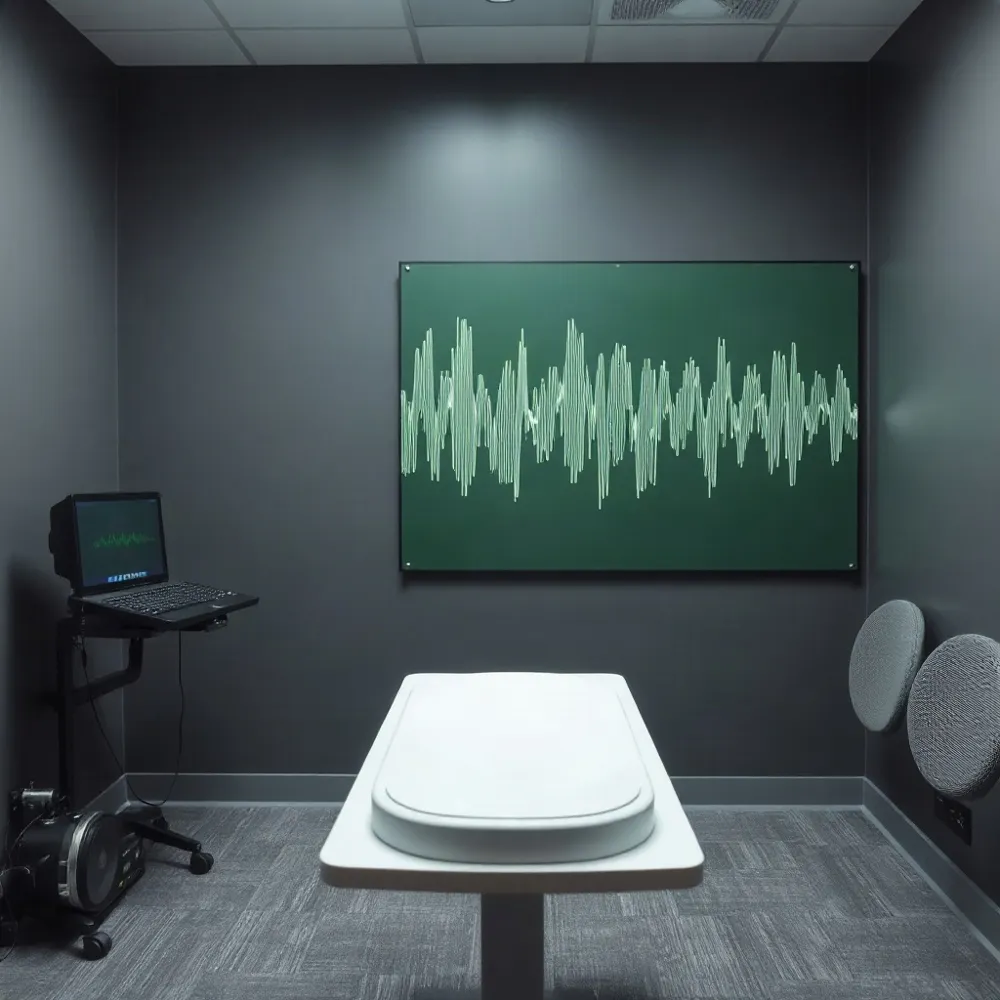
Introduction to the Longshore and Harbor Workers’ Compensation Act (LHWCA)
Overview of the LHWCA
The Longshore and Harbor Workers’ Compensation Act (LHWCA) is a federal law enacted in 1927 to provide workers' compensation benefits for maritime workers injured on navigable waters of the United States and adjoining areas such as docks, piers, and shipyards. Administered by the Office of Workers' Compensation Programs (OWCP), it serves those involved in maritime employment including longshoremen, harbor workers, shipbuilders, and ship repairers.
Who is Covered Under the Act
Coverage extends specifically to land-based maritime workers engaged in loading, unloading, repairing, or constructing vessels on navigable waters or nearby port facilities. Certain categories such as seamen and federal government employees are excluded. The Act also applies to workers on offshore platforms via related extensions.
Purpose of the Act in Providing Compensation and Benefits
The LHWCA offers a no-fault system allowing eligible workers to receive medical care, wage replacement benefits (generally two-thirds of average weekly wages), vocational rehabilitation, and death benefits to survivors. It ensures access to necessary medical treatment and supports injured workers during recovery.
Importance of Understanding the Claims Process in Maritime Injury Cases
Injured maritime workers must promptly report injuries—typically within 30 days—and file claims within a year. Navigating the claims process, including documentation, claim forms, and possible disputes, is crucial to securing timely benefits. Legal expertise is often recommended to manage complex claim requirements and appeal denials.
Effective knowledge of the LHWCA framework is essential for both workers and employers to ensure compliance and protect workers’ rights following maritime workplace injuries.
Key Facts on Maritime Injury and Hearing Loss Claims
- The 'status' test assesses whether a worker's duties are maritime in nature, including activities like loading and repairing vessels.
- The 'situs' test determines if the injury occurs on navigable waters or maritime-adjacent areas like docks or shipyards.
- Injuries must be reported within 30 days via Form LS-201, and claims filed within one year using Form LS-203 to secure benefits under LHWCA.
- Employers are obligated to provide necessary medical care and allow employees to choose physicians under the LHWCA.
- Benefits include Temporary Total, Partial, Permanent Partial, and Total Disability, calculated based on the worker's pre-injury wages.
- In case of death, dependents receive two-thirds of the deceased's wages and funeral expenses up to $3,000.
- Workers may pursue third-party claims against negligent parties like vessel operators, alongside LHWCA benefits.
- Common auditory injuries include Noise-Induced Hearing Loss (NIHL), sensorineural, and conductive hearing loss due to occupational noise exposure.
- Protective measures include fitted ear protection, engineering controls, regular hearing tests, and sound level monitoring.
- Legal challenges in hearing loss claims involve proving causation, severity, and dealing with employer disputes over coverage and liability.
1. Understanding Eligibility: The Status and Situs Tests Under LHWCA
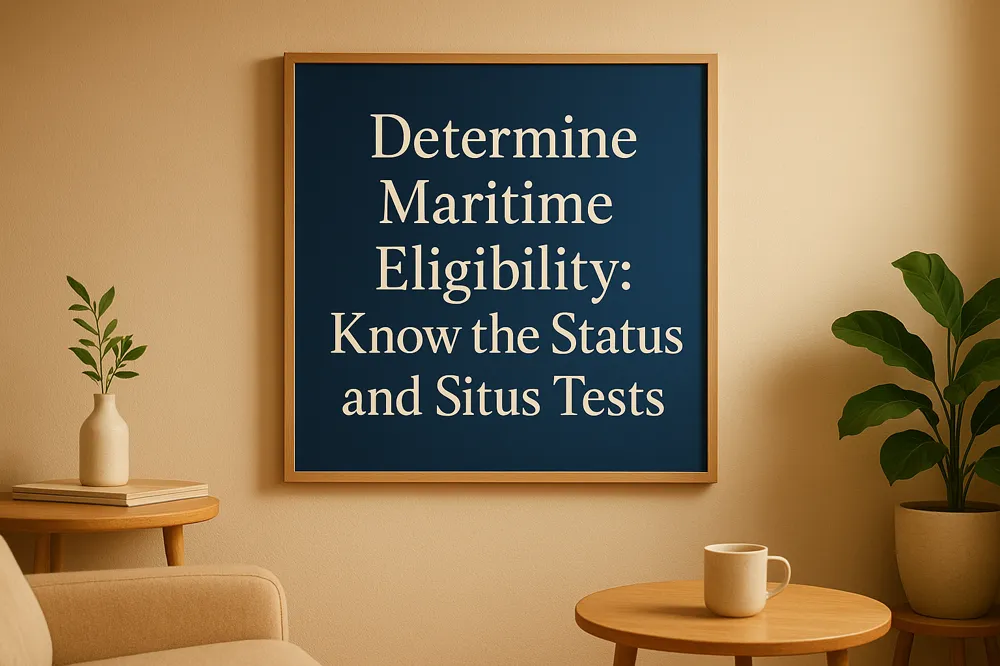
What are the 'Status' and 'Situs' Tests for LHWCA Coverage?
The [Longshore and Harbor Workers' Compensation Act] employs two primary criteria to establish eligibility for benefits: the 'status' test and the 'situs' test.
-
Status Test: This determines whether a worker's job duties are maritime in nature. Covered employees typically engage directly in maritime commerce activities such as loading, unloading, repairing, or building vessels. Maritime occupations qualifying under the Act include longshore workers, shipbuilders, ship repairers, harbor construction workers, shipbreakers, and certain offshore oil platform workers.
-
Situs Test: This relates to the physical location where the injury occurs. For coverage, the injury must either take place on navigable waters of the United States or on adjoining areas used for loading, unloading, repairing, or building vessels. These areas encompass docks, piers, wharves, terminals, shipyards, dry docks, and similar maritime-related locations.
Typical Maritime Occupations Covered
The Act broadly covers maritime workers such as longshoremen, harbor workers, shipbuilders, ship repairers, and marine construction workers. It also extends to ancillary maritime support personnel working in areas adjacent to navigable waters.
Geographic Scope of Coverage
Coverage applies specifically to injuries sustained on or near navigable waters and their adjoining land areas engaged in vessel-related activities. Navigable waters include rivers, lakes, and coastal waters integral to maritime commerce, along with physical structures like docks and terminals contiguous to these waters.
Exclusions to LHWCA Coverage
While the Act covers many maritime occupations, it explicitly excludes several classes of workers, including:
- Seamen and vessel crew members: These individuals are generally covered under the Jones Act rather than the LHWCA.
- Federal and state government employees: Injuries to government workers are not covered.
- Office, clerical, administrative, and food service workers: These roles are excluded since they do not involve maritime duties.
Understanding these eligibility requirements is crucial to determining whether a maritime injury falls under the Longshore and Harbor Workers' Compensation Act, shaping access to benefits and protections under this specialized compensation program.
2. Timely Injury Reporting and Claim Filing: Deadlines and Procedures

Why Must Injuries Be Reported Within 30 Days?
Prompt injury reporting is crucial under the Longshore and Harbor Workers' Compensation Act to preserve the employee’s rights to compensation. Injuries must be reported to the employer within 30 days of occurrence or when the worker becomes aware of the injury. This timely notice enables the employer and insurer to investigate and arrange for prompt medical care, ultimately ensuring that claims are processed efficiently.
How Is Injury Reporting Accomplished?
The formal process requires the injured worker to complete and submit Form LS-201. This written report documents the injury details and must be filed with the employer to officially notify them of the injury. Failure to use the appropriate form or notify the employer within the deadline can jeopardize eligibility for benefits.
What Are the Filing Requirements for Claims?
After injury notification, workers must file a claim for benefits using Form LS-203. This claim must be submitted within one year of the injury date or last payment of compensation. The timely filing of the claim ensures the Office of Workers' Compensation Programs (OWCP) can begin the claims adjudication process, allowing access to medical care and wage replacement benefits.
What Are the Consequences of Missing Deadlines?
Missing the 30-day injury reporting deadline or the one-year claim filing deadline can lead to denial of benefits. For occupational diseases or conditions with delayed diagnosis, the Longshore and Harbor Workers' Compensation Act provides a two-year window from the date the disease or disability is discovered or should have been reasonably discovered. Even then, prompt filing and adequate medical documentation remain essential.
Overall, adherence to these procedural deadlines and use of designated forms are fundamental to safeguarding rights under the Longshore and Harbor Workers' Compensation Act and securing deserved compensation and medical benefits after workplace injuries.
3. Navigating Medical Benefits and Evaluations under the LHWCA

Employer Obligations to Provide Medical Care
Under the Longshore and Harbor Workers' Compensation Act (LHWCA), employers are mandated to furnish necessary medical services under Longshore Act and supplies to injured maritime workers. This includes hospital treatment, medications, surgeries, and travel expenses related to medical care. The employer's provision of medical care is fundamental to supporting injured workers' recovery and ensuring they receive appropriate treatment without incurring personal costs.
Employee Rights to Choose Attending Physicians
Employees covered by the LHWCA have the legal employee's right to choose physician LHWCA, subject to the Secretary of Labor's supervision. This provision empowers workers to seek medical professionals they trust, including chiropractors under specific conditions, increasing their control over the treatment process. While employers can monitor and approve healthcare providers, the employee's choice is a protected right.
Types of Medical Evaluations and Audiometric Testing
Medical evaluations under the LHWCA encompass comprehensive assessments of injuries, including specialized testing such as audiometric examinations for hearing loss. Occupational diseases and hearing loss under LHWCA is a recognized condition under the Act, particularly relevant for maritime workers exposed to hazardous noise levels. Expert assessments play a critical role in diagnosing auditory injuries, establishing causation, and guiding compensation claims.
No Time Limit for Claiming Necessary Medical Treatment
A notable aspect of the Longshore and Harbor Workers' Compensation Act is the absence of a statute of limitations on medical benefits. Injured workers may claim medical treatment at any time as long as it is deemed necessary for their injury. This ongoing entitlement ensures continued access to healthcare services, including long-term therapies or interventions that may arise well after the initial injury.
Use of Expert Assessments for Workplace Auditory Injuries
For claims involving hearing loss and auditory injuries, expert medical and audiology evaluations are essential. These assessments verify the extent of impairment, link the condition to workplace exposure, and support appropriate benefit determinations. Licensed audiologists and medical experts contribute credible, evidence-based opinions that are vital during claimant evaluations and dispute resolutions under the Longshore and Harbor Workers' Compensation Act.
4. Disability and Death Benefits: Calculations and Categories
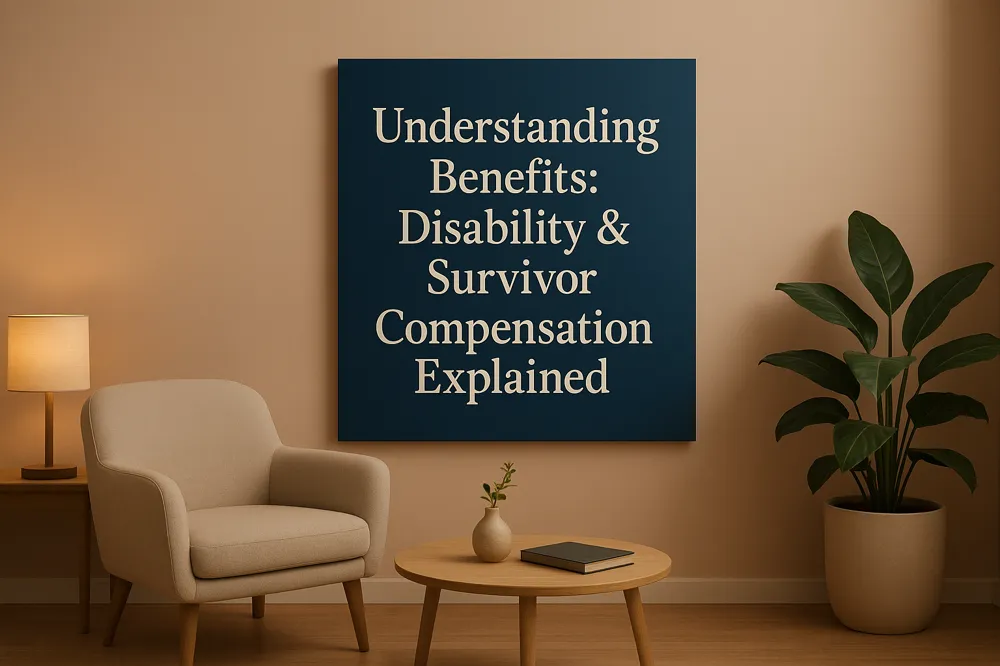
Types of Disability Benefits under the LHWCA
The Longshore and Harbor Workers' Compensation Act categorizes disability benefits into four types:
- Temporary Total Disability (TTD): Compensation for workers completely unable to perform any work during recovery.
- Temporary Partial Disability (TPD): Benefits for workers who can perform some work but not on a full-time basis or at full capacity.
- Permanent Partial Disability (PPD): Compensation for lasting impairment that partially limits the worker’s ability to earn wages.
- Permanent Total Disability (PTD): Provided when a worker is fully and permanently disabled, unable to return to any gainful employment. (Types of Disability Benefits under LHWCA, Types of Disability Benefits under LHWCA, Types of Disability Benefits under LHWCA, Types of Disability Benefits under LHWCA, Types of Disability Benefits under LHWCA
Calculation of Benefits
Benefits are calculated based on the injured employee’s average weekly wage (AWW) prior to injury, typically determined from earnings during the 52 weeks before the injury.
- Compensation is generally two-thirds (66.66%) of the AWW.
- There are maximum and minimum weekly benefit limits, adjusted annually and tied to the national average weekly wage.
- Specific formulas apply for different disabilities; for instance, scheduled injuries may involve fixed amounts for certain body parts. (Longshore and Harbor Workers' Compensation Act overview, Longshore and Harbor Workers' Compensation Act)
Death Benefits and Funeral Expenses
In the event of a worker’s death due to a compensable injury or occupational disease:
- Surviving dependents receive a portion of the deceased’s average weekly wage, usually two-thirds, paid to spouses, children, or other eligible dependents.
- The Act covers funeral expenses up to $3,000, providing financial support for burial costs.
- Benefits continue to be paid based on specific statutory limits to eligible survivors. (Longshore and Harbor Workers' Compensation Act, Longshore and Harbor Workers' Compensation Act overview)
Vocational Rehabilitation Services
For workers with permanent disabilities who cannot return to their prior employment, the LHWCA offers vocational rehabilitation that may include:
- Assessment and counseling.
- Job retraining and skills development.
- Assistance with job placement.
These services aim to help injured workers regain employment and maximize their earning capacity post-injury. (Longshore and Harbor Workers' Compensation Act overview, Longshore and Harbor Workers' Compensation Act
The provisions ensure comprehensive support for disabled maritime workers and their families, reflecting a balance between fair compensation and return-to-work opportunities.
5. Legal and Insurance Challenges: Overcoming Disputes and Denials
What Are Common Challenges in Proving Causation and Severity of Injuries?
In LHWCA claims, proving that an injury arose from maritime employment and establishing the extent of disability are frequent hurdles. Disputes often involve the injury's connection to work duties ('causation') and the accurate assessment of injury severity, especially with occupational diseases or cumulative injuries. Insurers may question whether an injury is work-related or the degree of permanent impairment, complicating benefit eligibility.
Why Is Detailed Documentation and Expert Testimony Important?
Clear medical records, timely injury reports, and comprehensive documentation of symptoms and treatments are critical for substantiating claims under the Longshore and Harbor Workers' Compensation Act. Expert medical testimony helps establish causal links between injury and employment and supports precise evaluation of disability levels. Without detailed evidence, claims are vulnerable to denial or underpayment.
How Are Disputes Over Eligibility and Benefit Amounts Handled?
Disputes typically arise over coverage (e.g., whether the injury meets the 'status' and 'situs' tests), compensation calculations, or medical treatment authorization. The LHWCA provides procedures for resolving these conflicts, including informal conferences, hearings before Administrative Law Judges (ALJs), and appeals to the Benefits Review Board. These stages ensure fair adjudication but require procedural compliance.
What Is the Role of Legal Representation in Claims Disputes and Appeals?
Maritime injury claims under the Longshore and Harbor Workers' Compensation Act can be procedurally complex and factually contested. Legal representation helps injured workers navigate administrative filing deadlines, gather essential evidence, and advocate for appropriate compensation. Attorneys also manage appeals of claim denials and negotiate settlements. Their expertise increases the likelihood of securing rightful benefits and addressing administrative or insurer opposition effectively.
6. Third-Party Claims and Concurrent Jurisdiction: Expanding Recovery Options
Can injured maritime workers file claims against third parties?
Injured workers covered by the Longshore and Harbor Workers' Compensation Act (LHWCA) may pursue additional claims against third parties responsible for their injuries, such as negligent vessel operators, equipment manufacturers, or contractors. These claims seek damages beyond the LHWCA benefits, including compensation for pain and suffering, which the LHWCA does not cover.
How do LHWCA and Jones Act protections differ and overlap?
The LHWCA provides no-fault compensation for maritime workers who are not seamen, such as longshoremen and shipbuilders. In contrast, the Jones Act applies to seamen and requires proving employer negligence to obtain damages. Workers classified as seamen may benefit from both laws by filing concurrent claims, potentially maximizing compensation by combining LHWCA benefits and Jones Act damages.
What is concurrent jurisdiction with state workers' compensation laws?
Concurrent jurisdiction allows injured maritime workers, particularly in states like California, to file claims under both the LHWCA and state workers' compensation systems. This arrangement helps maximize benefits, as some state programs may offer more comprehensive disability ratings or cover injuries not fully addressed federally. Coordinated benefits prevent double recovery but optimize overall compensation.
What legal strategies should workers consider to maximize recovery?
Navigating overlapping jurisdictions and multiple claims can be complex. Injured workers should seek experienced maritime legal counsel to ensure timely injury reporting and claim filing, evaluate eligibility under different laws, handle potential claim denials, and pursue third-party lawsuits when applicable. Strategic use of concurrent claims and third-party actions can significantly enhance recovery beyond standard LHWCA benefits.
Types of Workplace Auditory Loss Under LHWCA Claims
What are the common types of auditory loss related to workplace injuries?
Maritime workers covered under the Longshore and Harbor Workers' Compensation Act (LHWCA) face several types of auditory loss due to the hazardous sound environments typical to ports, shipyards, and offshore platforms. The primary auditory injuries include:
-
Noise-Induced Hearing Loss (NIHL): The most prevalent form, NIHL stems from prolonged or repeated exposure to loud industrial noise such as heavy machinery, ship engines, and loading equipment. It causes irreversible damage to the inner ear hair cells, leading to permanent hearing impairment.
-
Sensorineural Hearing Loss: This type occurs due to damage to the inner ear or auditory nerve and is often permanent. It can result from acoustic trauma—such as sudden loud explosions or intense noise bursts—or from toxic chemical exposure common in marine environments.
-
Conductive Hearing Loss: This involves an obstruction or damage in the outer or middle ear that blocks sound transmission. In a maritime setting, it may arise from physical injuries, infections, or repeated trauma affecting the ear canal or eardrum.
Understanding these distinct types is essential for accurate medical diagnosis, targeted treatment, and substantiating worker compensation claims under the Longshore and Harbor Workers' Compensation Act overview. Early recognition and documentation also facilitate legal evaluation and effective rehabilitation planning for injured maritime workers.
Protecting Hearing in Noisy Maritime Work Environments
How can individuals protect their hearing in noisy work environments?
Protecting hearing in maritime work environments, where noise levels often become hazardous, requires a comprehensive approach. Individuals should use properly fitted hearing protection devices such as earplugs and earmuffs. In extremely loud settings, where noise exceeds 100 decibels (dBA), double protection (both earplugs and earmuffs) is recommended to minimize hearing damage.
Use of hearing protection devices
Employers and workers must ensure that hearing protection devices are correctly fitted and consistently used. Proper fit testing guarantees the effectiveness of earplugs and earmuffs, making them a crucial part of hearing conservation.
Engineering and administrative noise controls
Before relying solely on personal protective equipment (PPE), employers are required to implement engineering controls such as noise barriers, mufflers, or equipment redesign to reduce sound at its source. Administrative controls like rotating workers to limit exposure time also help manage noise risks.
Importance of hearing conservation programs
Comprehensive hearing conservation programs are essential in maritime settings. These programs include training to raise worker awareness about noise hazards, proper use of hearing protection, and continuous monitoring of noise levels.
Regular hearing testing and fit testing
Frequent hearing tests identify early signs of hearing loss, allowing timely intervention. Fit testing ensures that ear protection devices provide the necessary attenuation against noise.
Utilizing tools like sound level meters
Tools such as the National Institute for Occupational Safety and Health (NIOSH) Sound Level Meter App empower workers and employers to measure real-time noise levels. This proactive monitoring supports timely protective actions to safeguard hearing.
By integrating these strategies—reliable hearing protection, engineering and administrative controls, education through hearing conservation programs, and regular testing—maritime workers can effectively prevent noise-induced hearing loss and maintain their long-term auditory health. For more information on protecting maritime workers and related marine worker compensation under the Longshore and Harbor Workers' Compensation Act, visit the U.S. Department of Labor's Office of Workers' Compensation Programs and DLHWC.
Medical Evaluation Steps for Workplace Auditory Injuries
What steps are involved in conducting a medical evaluation for workplace-related auditory loss?
Conducting a thorough medical evaluation for workplace auditory loss involves several critical steps:
-
Comprehensive History Taking and Exposure Review
- Begin with detailed collection of the patient's occupational history, emphasizing the duration, intensity, and nature of noise exposure.
- Document onset and progression of auditory symptoms, including tinnitus, difficulty hearing, or muffled sounds.
- Review the use, type, and consistency of hearing protection devices in the workplace.
-
Audiometric Testing Methods
- Perform pure-tone audiometry to establish hearing thresholds across multiple frequencies, identifying patterns typical of noise-induced hearing loss.
- Utilize otoacoustic emissions (OAEs) testing to evaluate cochlear (outer hair cell) function, valuable in early detection.
-
Correlation With Noise Exposure and Protection Usage
- Analyze audiometric results in context with noise exposure levels and history of protective measures.
- Determine if hearing loss patterns correlate with expected occupational noise damage versus other causes.
-
Documentation of Findings and Noise Exposure Records
- Maintain comprehensive records of audiometric tests, clinical observations, and workplace noise monitoring data.
- Ensure documentation supports causation and severity to substantiate workers' compensation or legal claims.
-
Supporting Legal and Insurance Claims
- Prepare detailed medical reports linking auditory deficits directly to occupational exposure.
- Provide expert opinions and clear evidence for disability compensation or litigation processes under laws such as the Longshore and Harbor Workers’ Compensation Act (LHWCA) (LHWCA maritime workers compensation.
Each step of this evaluation aids in substantiating claims and ensuring injured workers receive appropriate compensation and medical care under federal maritime compensation frameworks like the LHWCA (Coverage for maritime employees.
| Step | Purpose | Importance |
|---|---|---|
| History and Exposure Review | Understand work-related noise risk | Establish initial causation (Longshore and Harbor Workers' Compensation Act |
| Audiometric Testing | Quantify hearing loss severity and pattern | Objective measurement (Medical services under Longshore Act |
| Correlation Analysis | Link hearing loss to workplace exposure | Validate occupational origin (Longshore and Harbor Workers' Compensation Act overview |
| Documentation | Generate thorough medical and exposure records | Foundation for legal/insurance claims (Reporting injuries and filing claims under LHWCA |
| Legal Support | Provide expert evidence in claims | Maximizes worker compensation outcomes (Navigating LHWCA claims) |
Legal and Insurance Issues in Workplace Auditory Injury Claims
What legal and insurance challenges commonly arise in cases involving workplace auditory injuries?
Claims for workplace auditory injuries under laws like the Longshore and Harbor Workers' Compensation Act (LHWCA often encounter numerous challenges. A primary difficulty lies in establishing a clear causal connection between workplace noise exposure and subsequent hearing loss. This is particularly complicated when workers have pre-existing hearing conditions or have been exposed to non-occupational noise, which can obscure the origin of the impairment.
Another major challenge is accurately assessing the level of hearing impairment. This typically requires comprehensive medical evaluations performed by specialists, alongside expert witness testimony, to demonstrate both the severity of injury and its link to the workplace environment.
Disputes over insurance coverage and liability frequently arise, with employers sometimes contesting the scope or legitimacy of claims. Employers may face allegations of neglecting to enforce adequate noise controls or failing to provide appropriate personal protective equipment (PPE). Such disputes can delay or reduce compensation if evidence is insufficient. For more details on these challenges and the legal framework, see LHWCA maritime workers compensation and Longshore and Harbor Workers' Compensation Act overview.
Employer obligations and penalties for non-compliance
Under the Longshore and Harbor Workers' Compensation Act and related regulations, employers carrying maritime and related worker risks must secure compensation insurance for covered employees and adhere to safety standards maritime employment, including noise control mandates. Failure to comply can lead to significant penalties for non-payment of compensation, including fines and criminal sanctions.
Employers are also obligated to provide timely medical care, accept employee's right to choose physician LHWCA under prescribed guidelines, and ensure a prompt injury reporting and claim-filing process to preserve worker rights as outlined in injury and death notification requirements and claims filing procedures LHWCA. Non-compliance not only jeopardizes employee health but can increase legal exposure and penalties.
Importance of expert assessments and documentation for claims success
Success in auditory injury claims hinges on meticulous medical documentation and expert assessment. Audiological testing, noise exposure histories, and occupational health evaluations must be carefully recorded and maintained. Expert witnesses can elucidate medical findings, substantiating the causal relationship and impairment extent for claims adjudicators.
Comprehensive documentation strengthens claims by addressing possible employer defenses and providing objective evidence of injury and its connection to workplace conditions. This process is critical to overcoming disputations and securing appropriate benefits, including medical services under Longshore Act, wage replacement, and vocational rehabilitation under the Longshore and Harbor Workers' Compensation Act.
In summary, navigating legal and insurance issues in workplace auditory injury claims demands detailed evidence, regulatory compliance by employers, and expert involvement to ensure fair and timely compensation. For comprehensive guidance on claim procedures and benefits, consult resources such as claims filing procedures LHWCA, award review and modification process, and the appeals process Benefits Review Board.
Empowering Maritime Workers Through Knowledge and Expert Support
Recap of Key Insights for Successful LHWCA Claims
To navigate the complexities of the Longshore and Harbor Workers' Compensation Act (LHWCA) effectively, injured maritime workers must prioritize timely injury reporting, thorough medical evaluations, and organized documentation. Reporting injuries within 30 days and filing claims within one year helps safeguard eligibility for benefits.
The Importance of Expert Medical Evaluations
Especially in cases involving auditory injuries such as hearing loss or tinnitus, expert medical assessments play a critical role. Objective audiometric testing and specialist evaluations ensure accurate diagnosis and support for compensation claims, facilitating appropriate disability categorization and treatment plans.
The Value of Skilled Legal Assistance
Given the LHWCA's procedural requirements and frequent claim disputes, experienced maritime attorneys provide essential guidance. Legal expertise aids in claim preparation, appeals, and negotiation with insurers, protecting workers' rights and maximizing recovery.
Encouragement for Injured Workers
Maritime workers facing workplace injuries should promptly seek both medical care and legal representation. Leveraging expert support and understanding the LHWCA framework empowers injured employees to pursue the compensation and rehabilitation benefits they deserve, ensuring comprehensive recovery and financial protection.